In the 1987 science fiction film Predator, starring Arnold Schwarzenegger, the predator uses thermal imaging to see the body heat of humans.
This technology exists in real life. There are cameras and spotting scopes that focus on the infrared spectrum of light allowing users to see heat signatures of objects, rather than visible light. These often are referred to as ‘thermal imaging’ or one form of ‘night vision’. One of the neatest applications of this technology to wildlife film-making can be seen in the below clip of wild leopards hunting at night in the Indian city of Mumbai.
I recently got a thermal imaging monocular – the Topdon TS004 Pro.
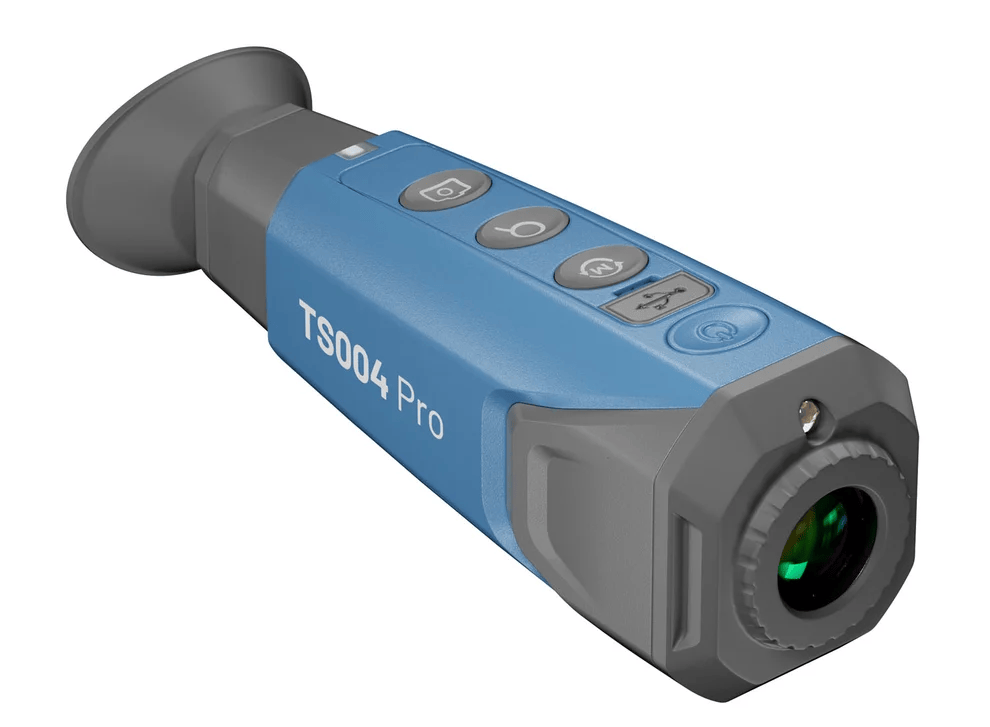
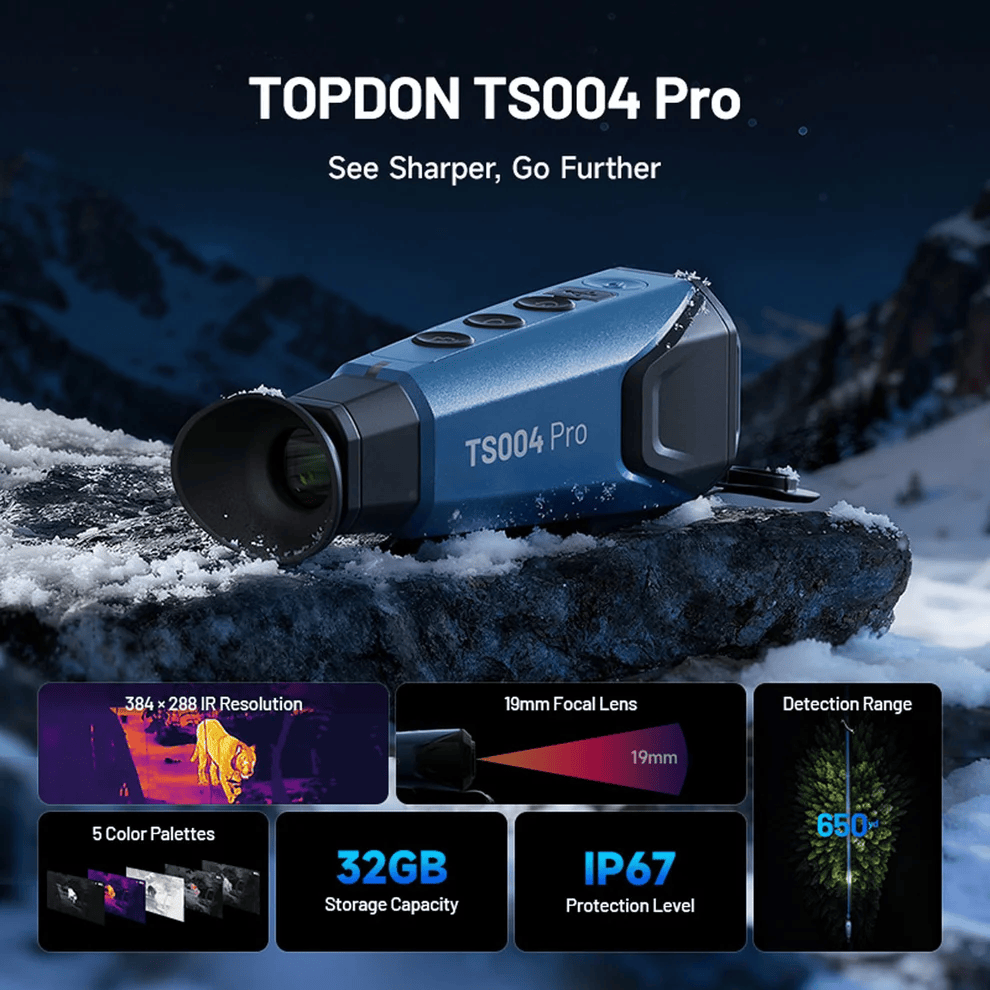
Although the technology is commonly used for spotting wildlife in the context of hunting, I plan to use it to help spot wildlife for photography. It can supposedly be useful for finding wildlife at long distances, at night, and when well camouflaged.
After unpackaging and charging the thermal imaging scope, I tried it out in the room I was in. My laptop glowed in the otherwise dark room, indicating it was putting out heat. There are five different color palettes to choose from depending on preference and application (fusion, red hot, black hot, white hot, and bird).
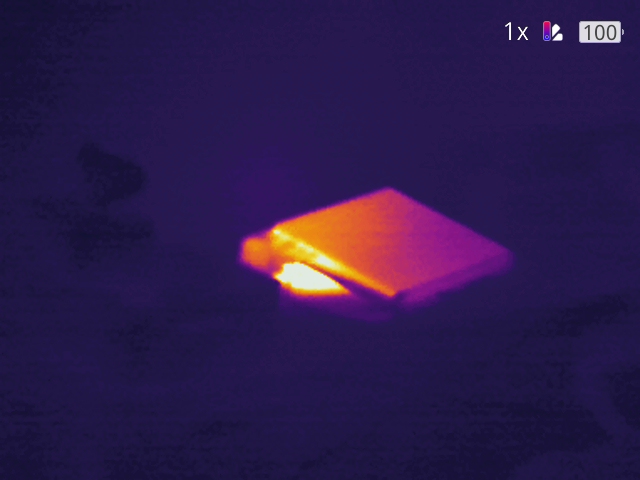
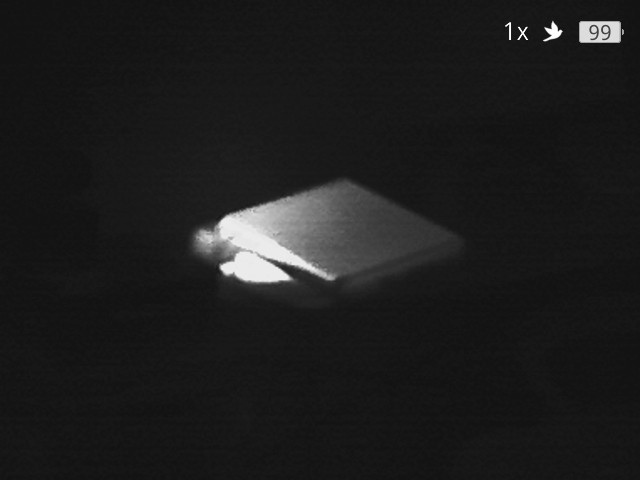
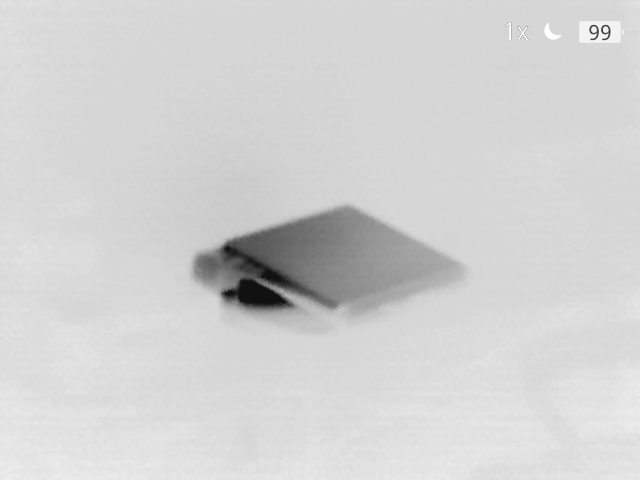
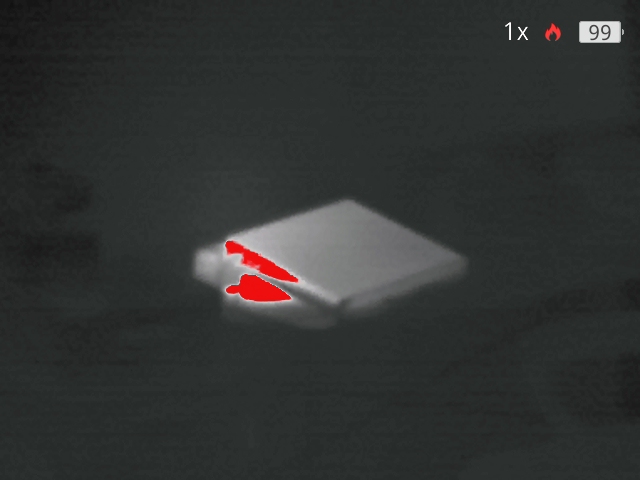
My laptop visible in the infrared spectrum using the thermal imaging scope.
I next tried it outdoors, and spotted a squirrel in a tree a long way off. Without the use of the thermal imaging scope I could not see the squirrel. You can zoom in on objects using the scope (up to 8x).
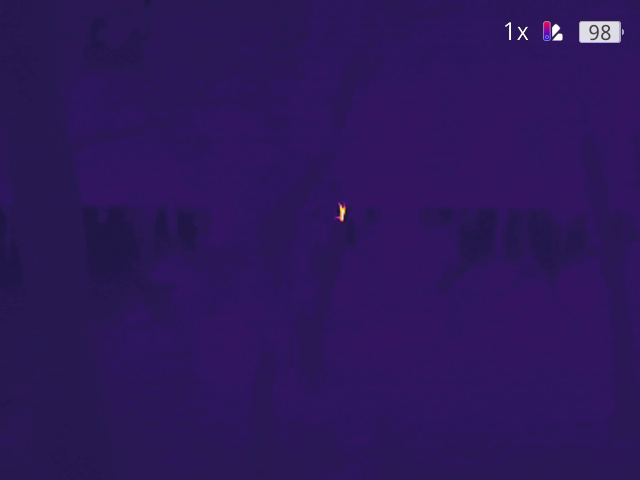
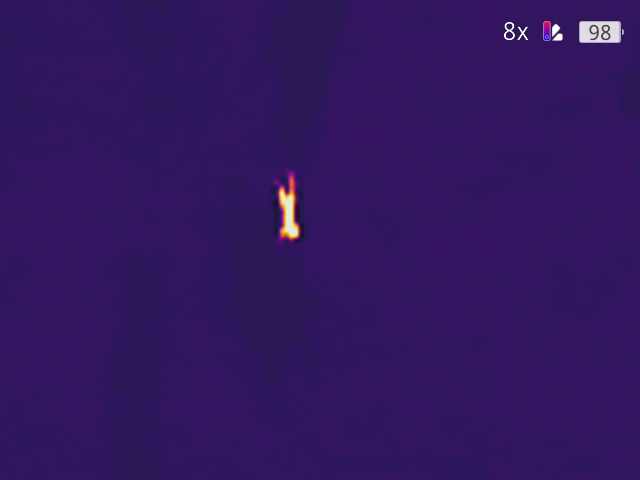
A squirrel visible in a tree using the thermal imaging scope.
Next, I went to an area that has abundant wildlife (La Chua Trail). I brought along both the thermal imaging scope and my regular camera. What follows are side-by-side comparisons of the image produced from the thermal imaging scope versus that taken with my regular camera (move slider to compare images).
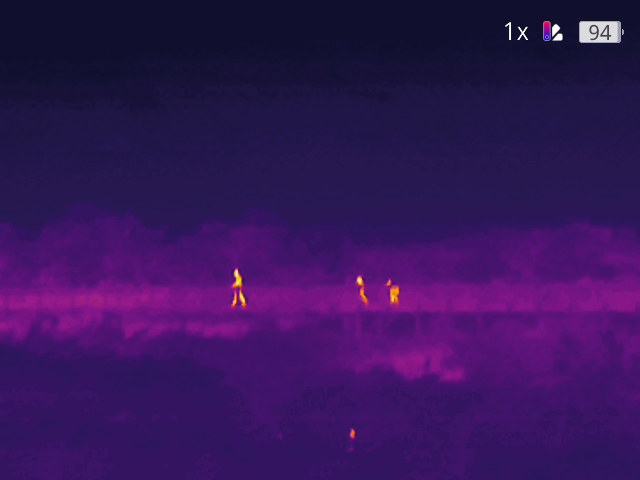
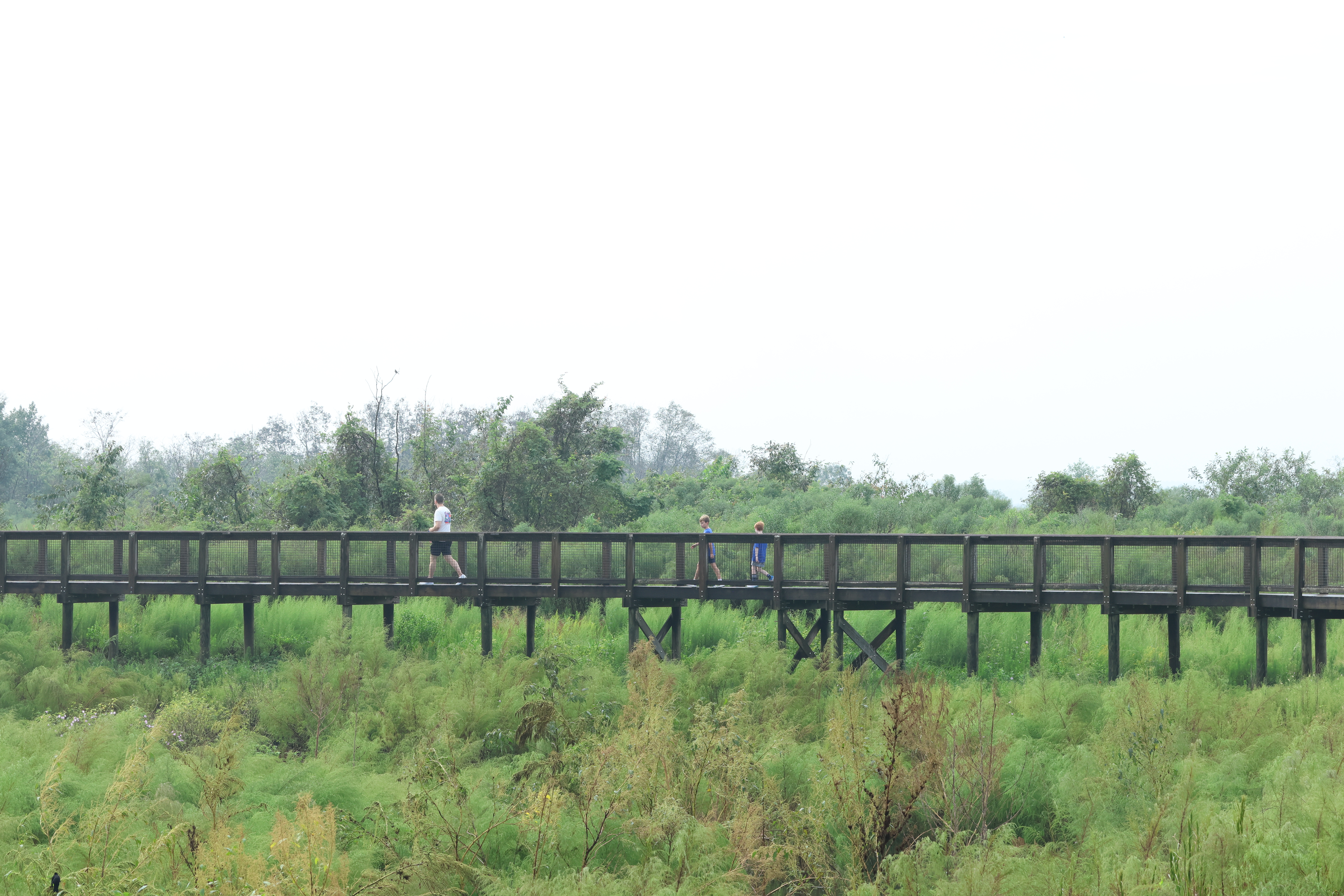
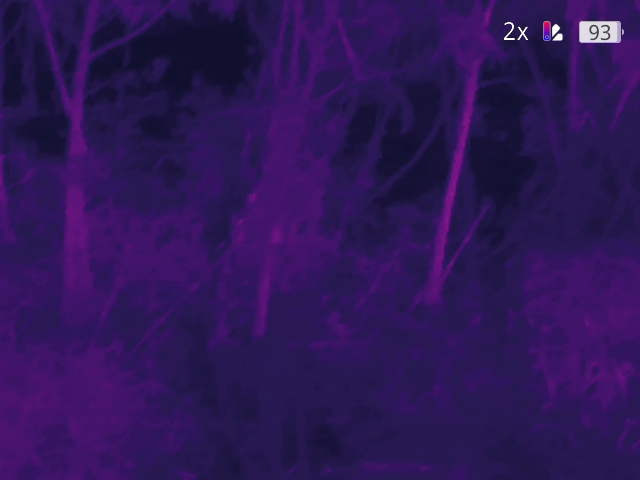
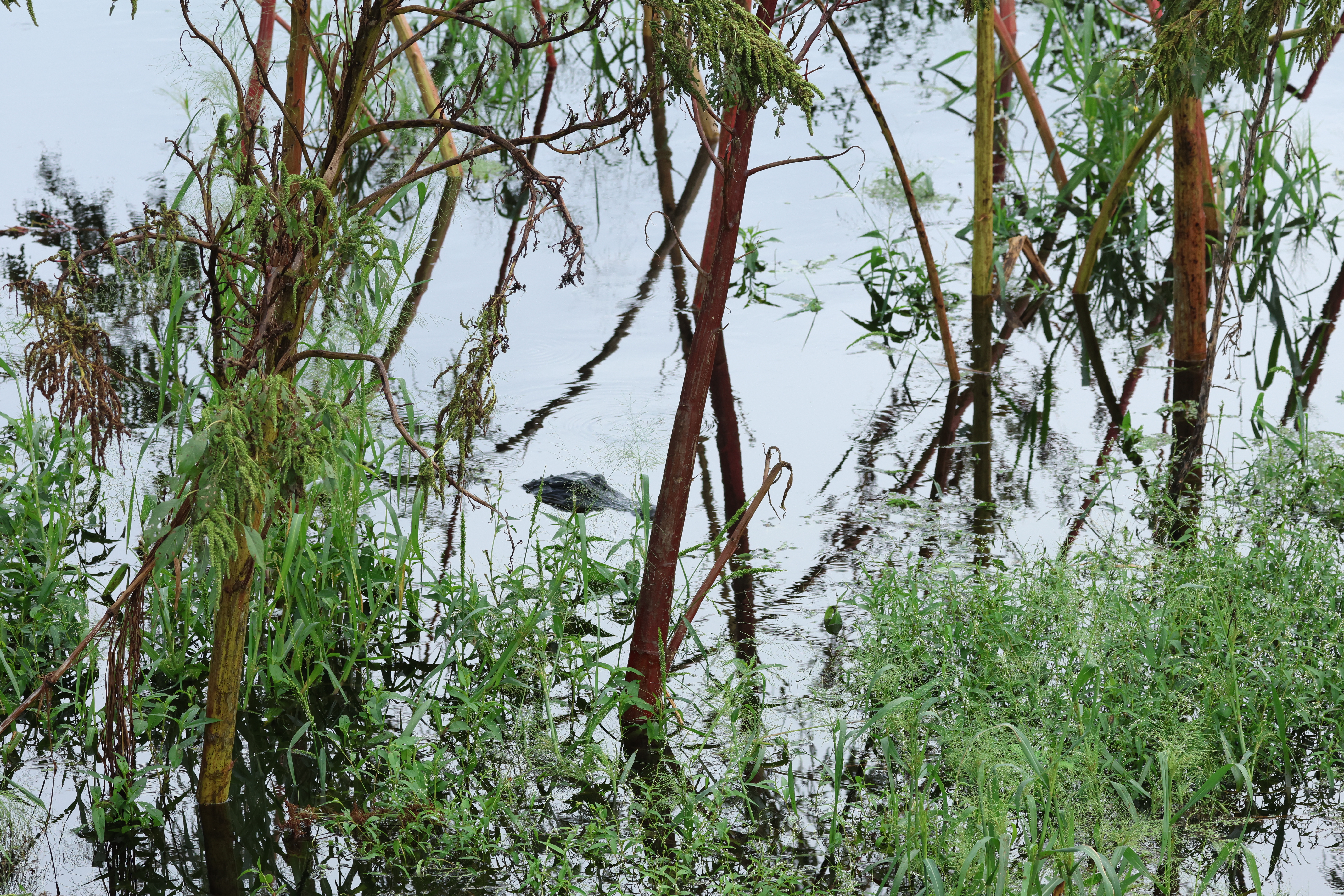
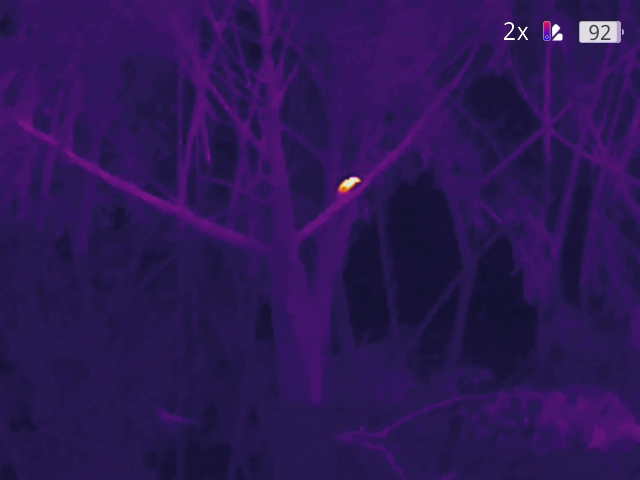
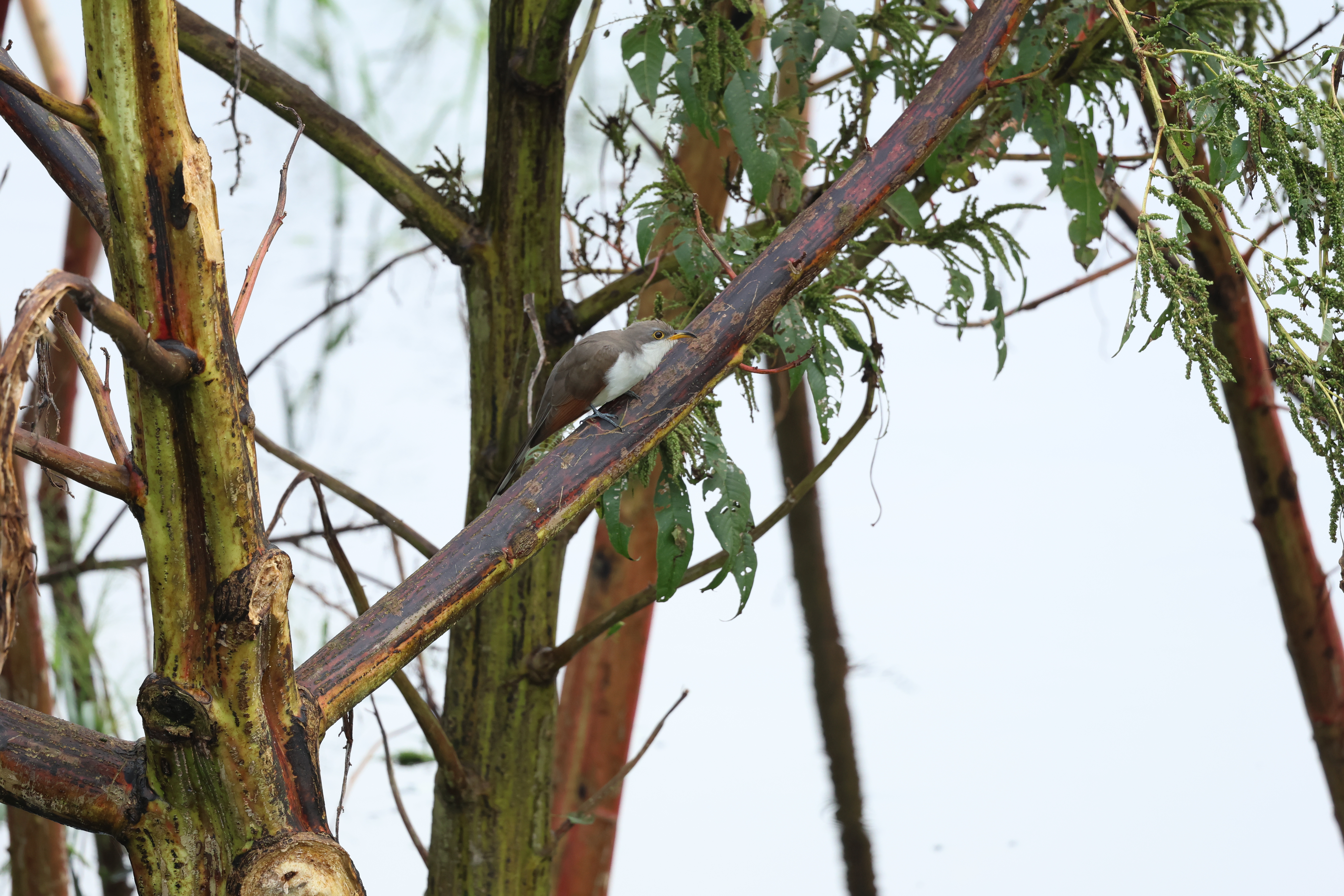
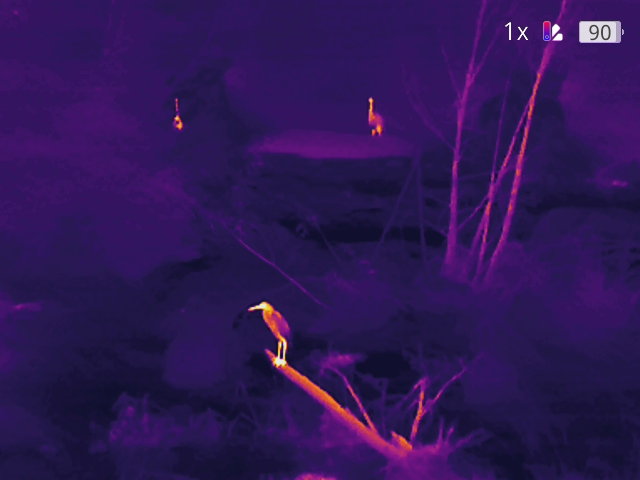

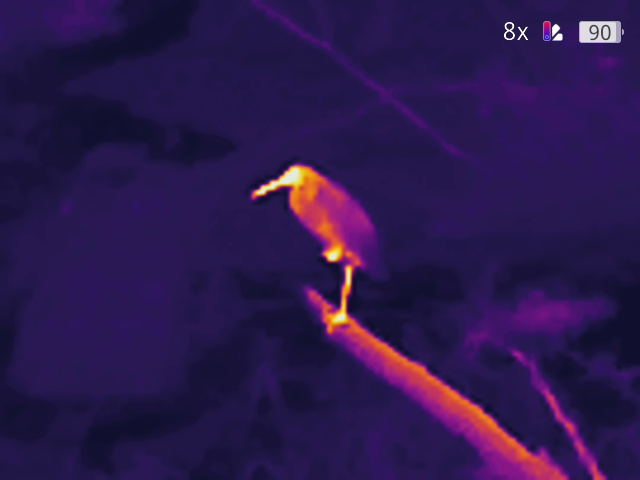
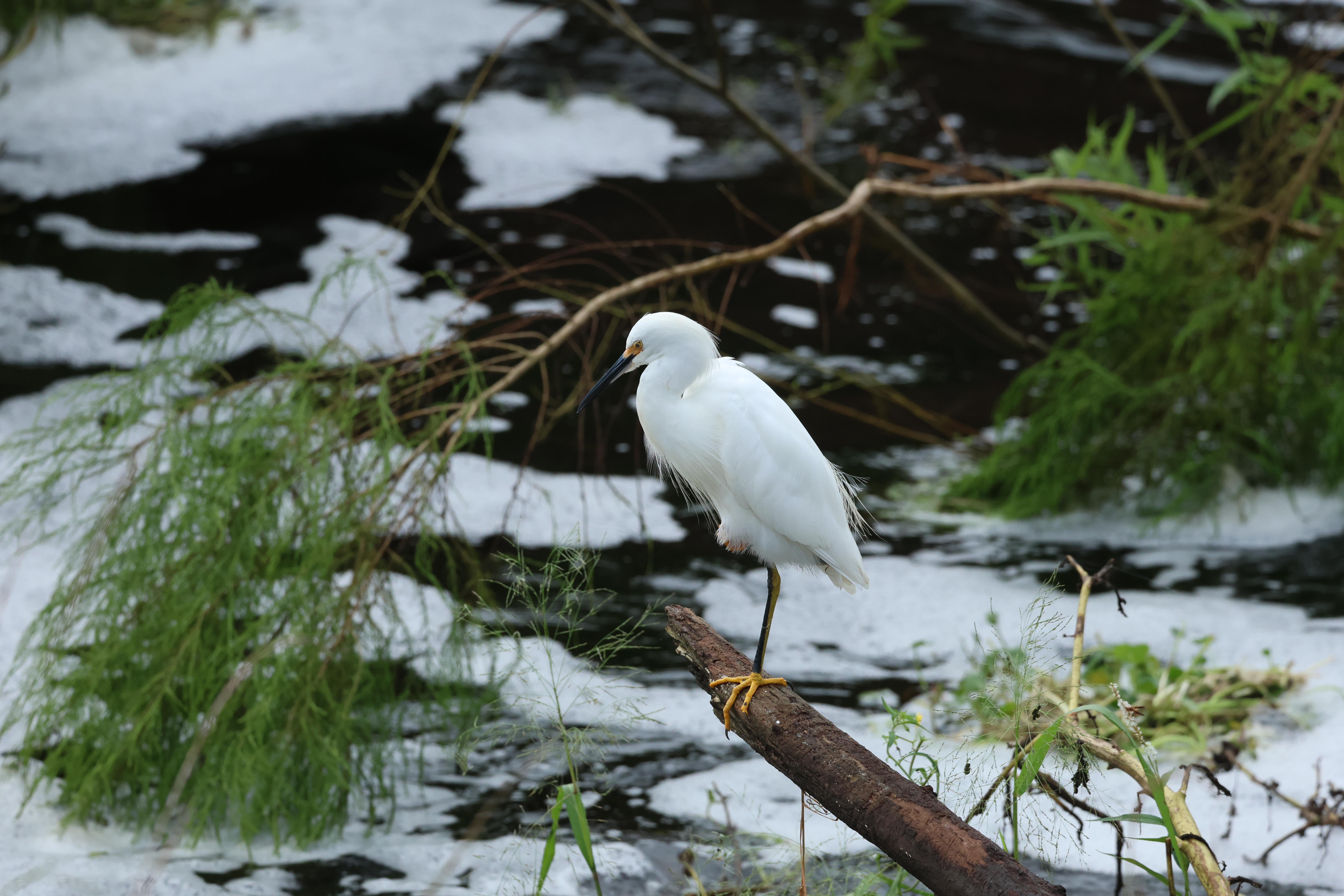
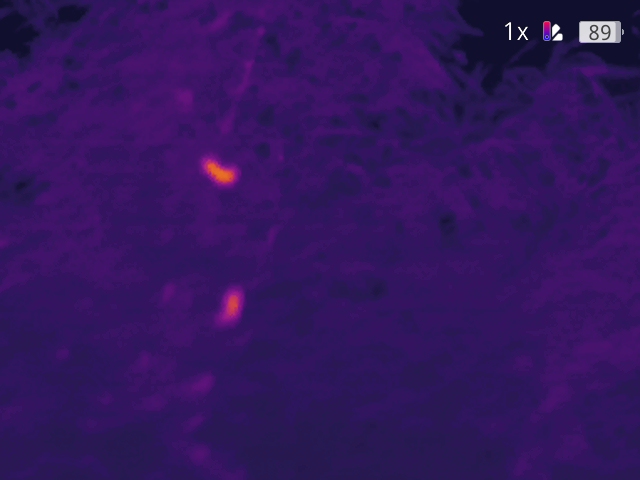
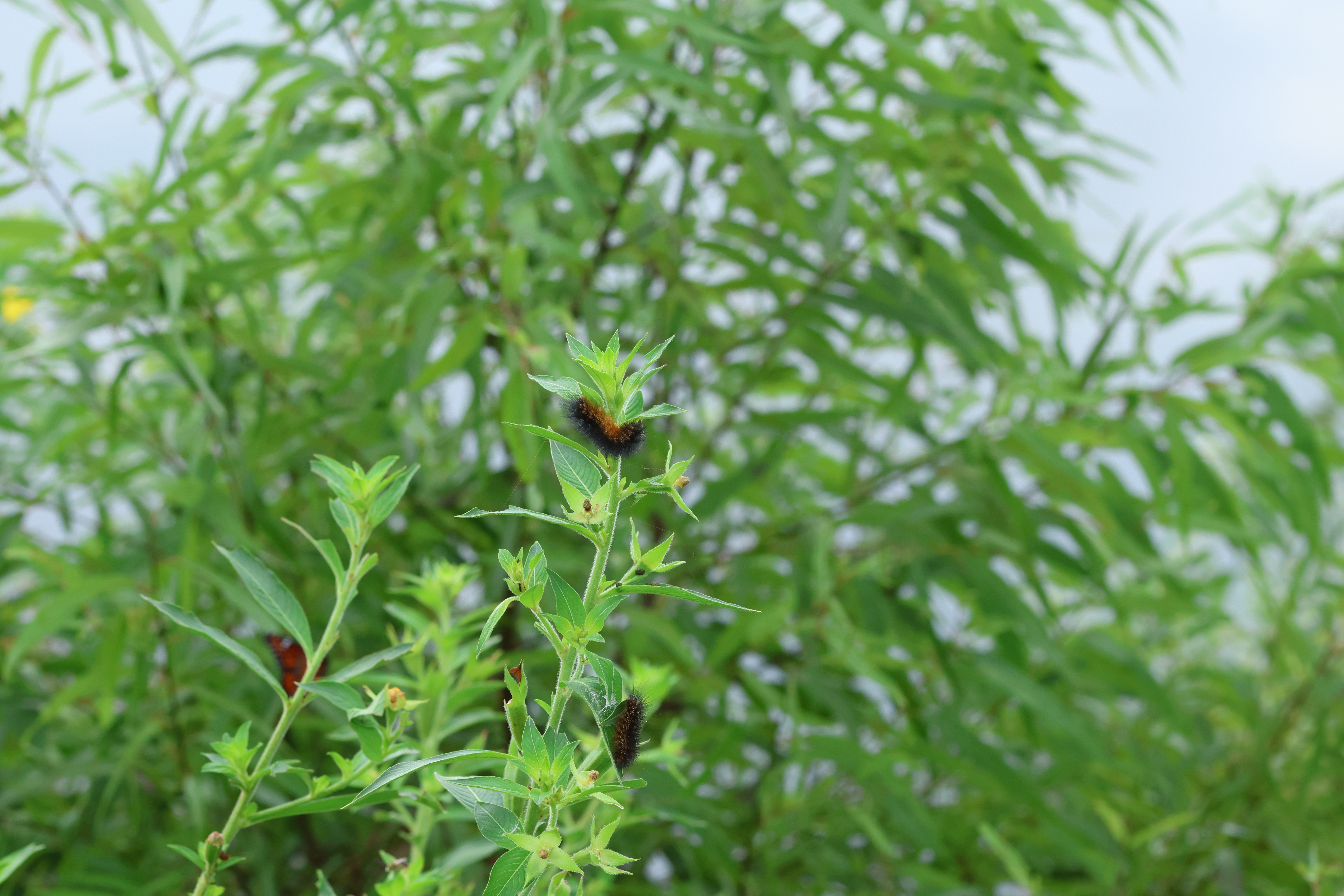
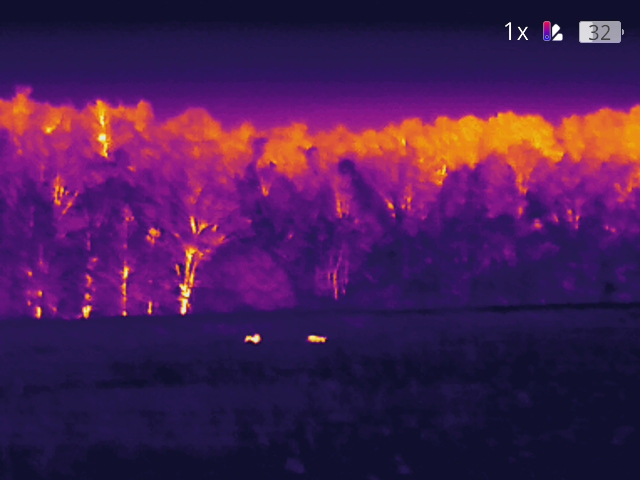
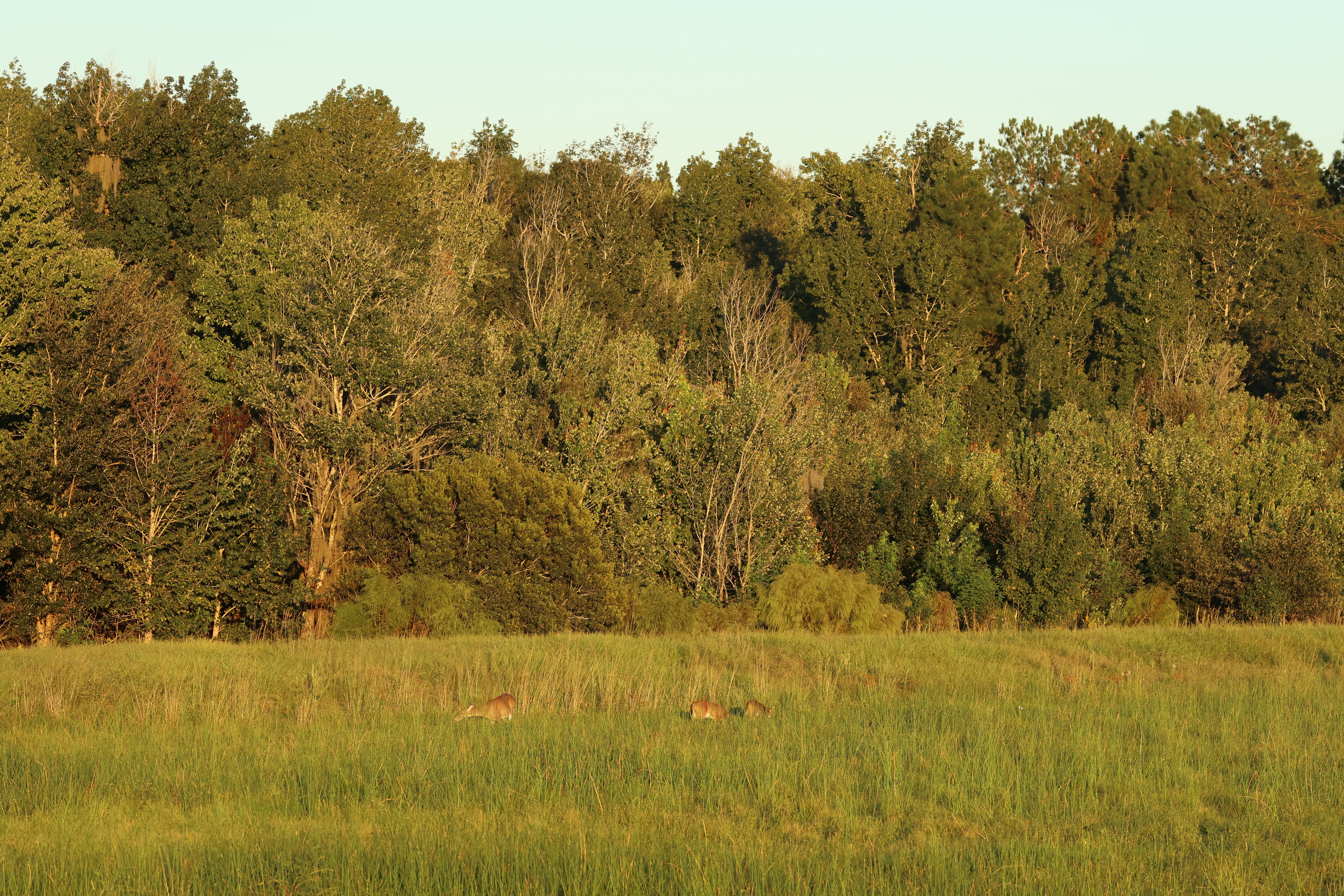
As can be seen in the above photos, the thermal imaging scope worked well for spotting mammals and birds. Also, surprisingly, some caterpillars were visible in the infrared spectrum. There were a few alligators and turtles at La Chua trail but I was unable to see them using the thermal imaging scope. This makes sense as these animals are cold-blooded and their body temperature is the same as their surroundings, rendering them essentially invisble in the infrared spectrum.


Very cool! Those photos are so unique. I see a future in selling them. I don’t think anyone else is doing that.
>
LikeLike