Costa Rica has 152 frog species. For comparison, the entire United States has 116 frog species. This really is quite impressive given that Costa Rica is about the size of the U.S. state of West Virginia. When geographic area is taken into account, Costa Rica has among the most frog species per unit area of any country. Jay Savage’s book ‘The Amphibians and Reptiles of Costa Rica’ is subtitled ‘A Herpetofauna between two continents, between two seas’. Costa Rica lies at a crossroads between North and South America, and between the Caribbean Sea and the Pacific Ocean. I think therein lies the reason it has such an extensive herpetofauna: it derives its fauna from both continents, and has a diversity of habitats ranging from high elevation cloud forest to lowland rainforest.
I recently spent two weeks in Costa Rica conducting fieldwork. I had been to Costa Rica six times previously, but always in the dry season. This trip was my first in the rainy season. It generally rained for 1-2 hours each afternoon, with the rains sometimes coming in torrential downpours. It also sometimes rained briefly during the morning and at night. There were two days (amongst the two-week trip) where it rained off and on for most of the day, and there were two or three days where it did not rain at all.
Monthly Precipitation

Average number of days each month with precipitation

Monthly precipitation levels (top graph) and average number of days each month with precipitation (bottom graph) in San José, Costa Rica. In previous trips, I visited Costa Rica in the months of February, March, and April (i.e. the dry season), but this trip was in late July and early August (the rainy season). Graph credit: https://weather-and-climate.com/average-monthly-precipitation-Rainfall,san-jose,Costa-Rica
Conducting fieldwork (in rivers) during the rainy season made for some challenges as the water levels were higher, but one of the benefits of visiting at this time of year was an increase in the visibility and activity of frogs. Frogs become active after rain, and at night they tend to congregate and call around all sorts of water bodies. Over the two-week trip, I photographed over 15 species of frogs, including the iconic Red-eyed tree frog. What follows is a photo documentation of the different frog species observed and some natural history information about them.
Bufonidae (Toads)
Cane toad (Rhinella marina)


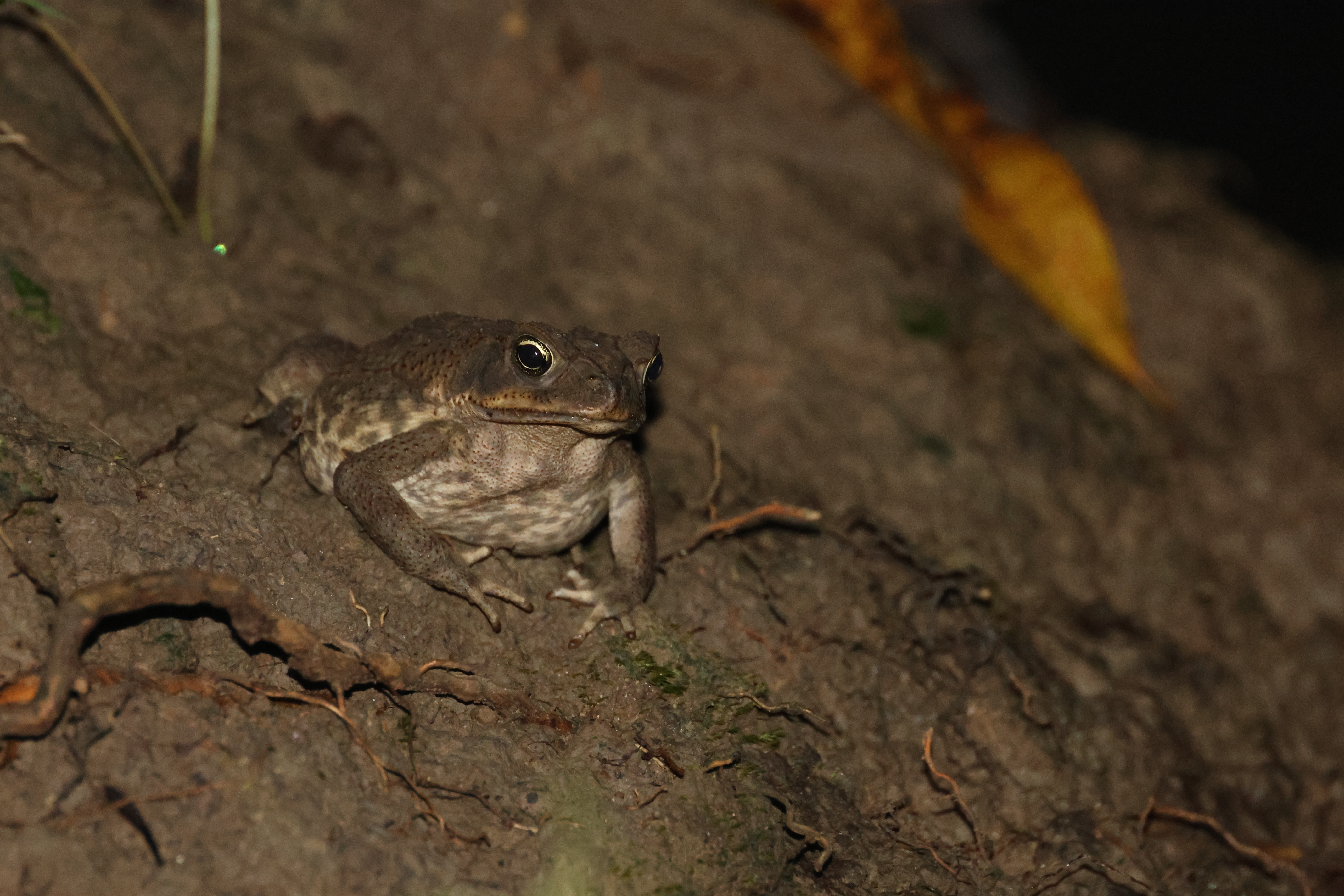

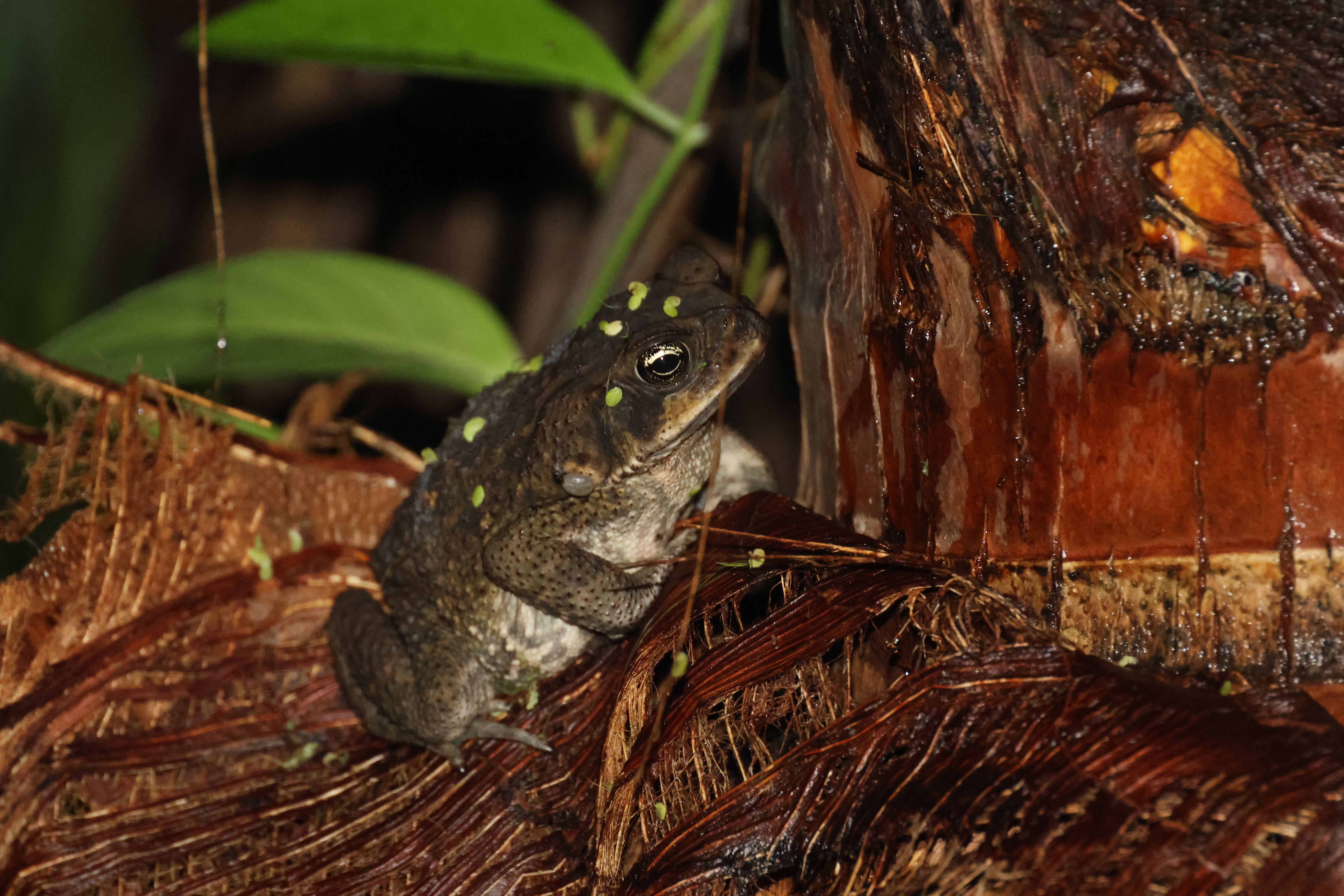

The Cane Toad is a large terrestral toad. Native to Costa Rica (and other areas of Central and South America), they are rather infamous for having been introduced to places such as Australia and Florida. Their large parotoid glands (located at the base of the neck) produce toxins which protect them from predation.
Craugastoridae (Fleshbelly frogs)
Fitzinger’s robber frog (Craugastor fitzingeri)
Unknown robber frog (Craugastor sp.)

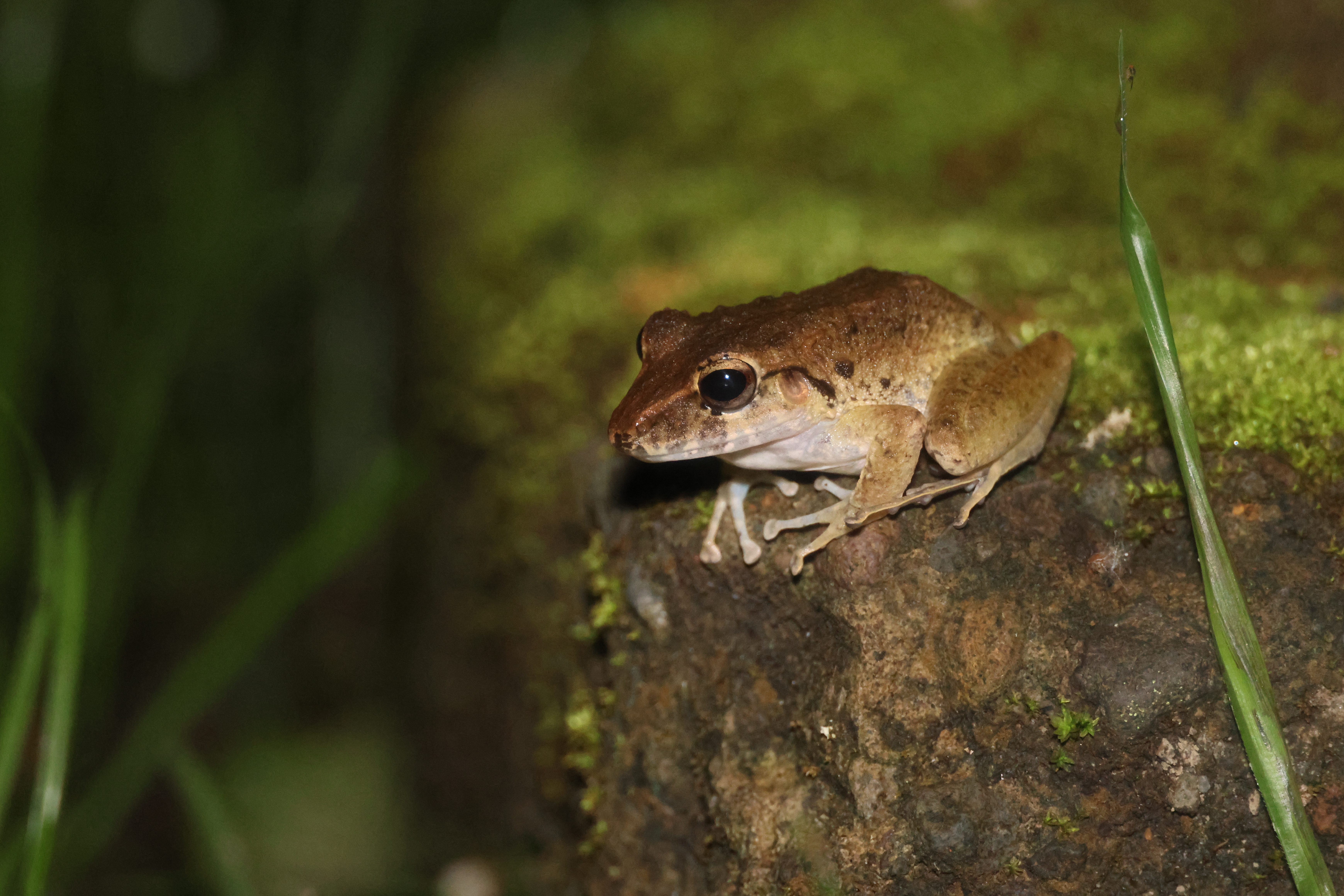
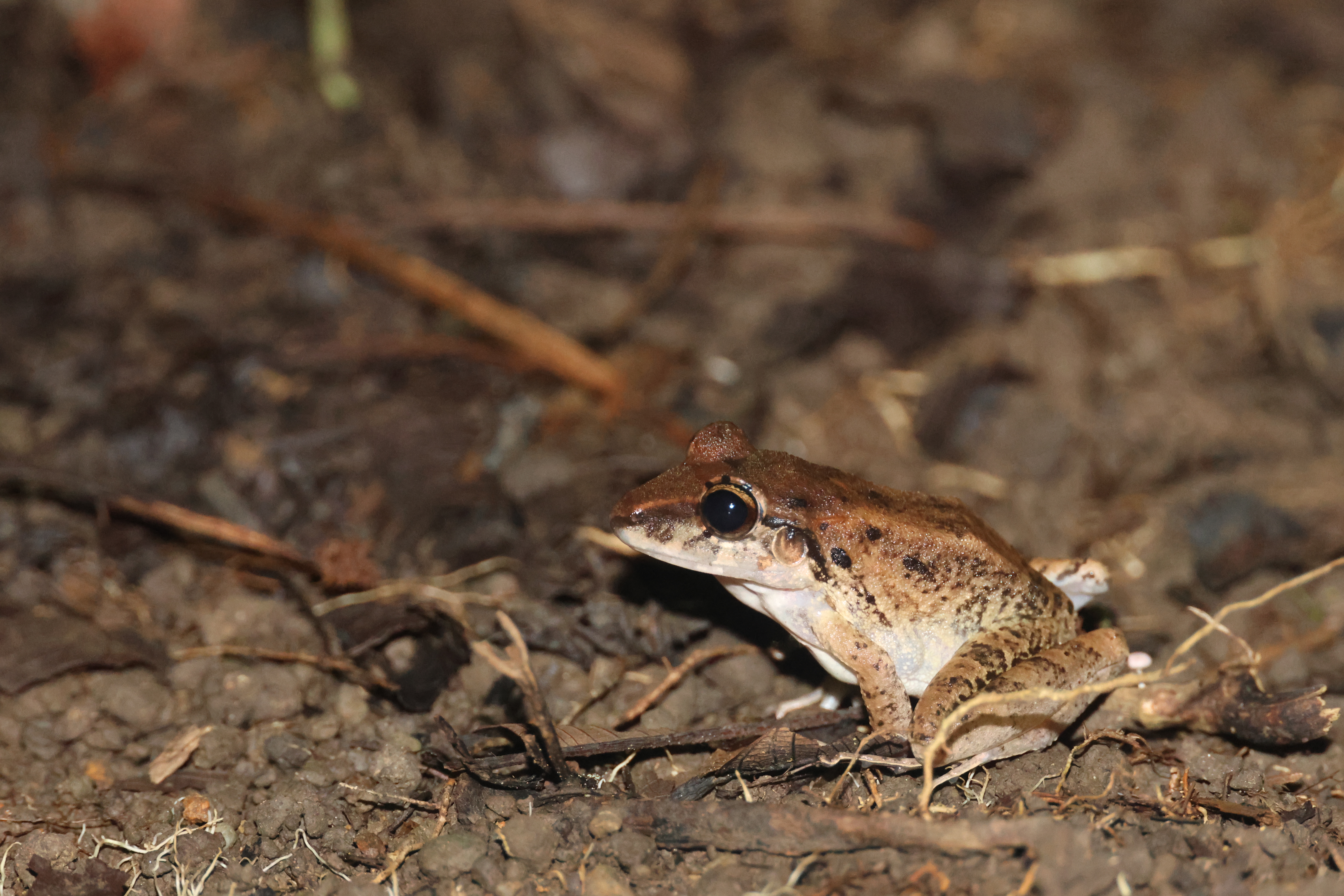


All species of Craugastor frogs, including C. fitzingeri, exhibit direct developing embryos. This means that eggs are deposited and fertilized terrestrially, for example amongst leaf litter, and hatch directly as small frogs without undergoing an aquatic tadpole stage (as do most frogs). In this particular species, females provide parental care by attending to the terrestrial, direct-developing embryos.
Dendrobatidae (Poison dart frogs)
Strawberry poison frog (Oophaga pumilio)
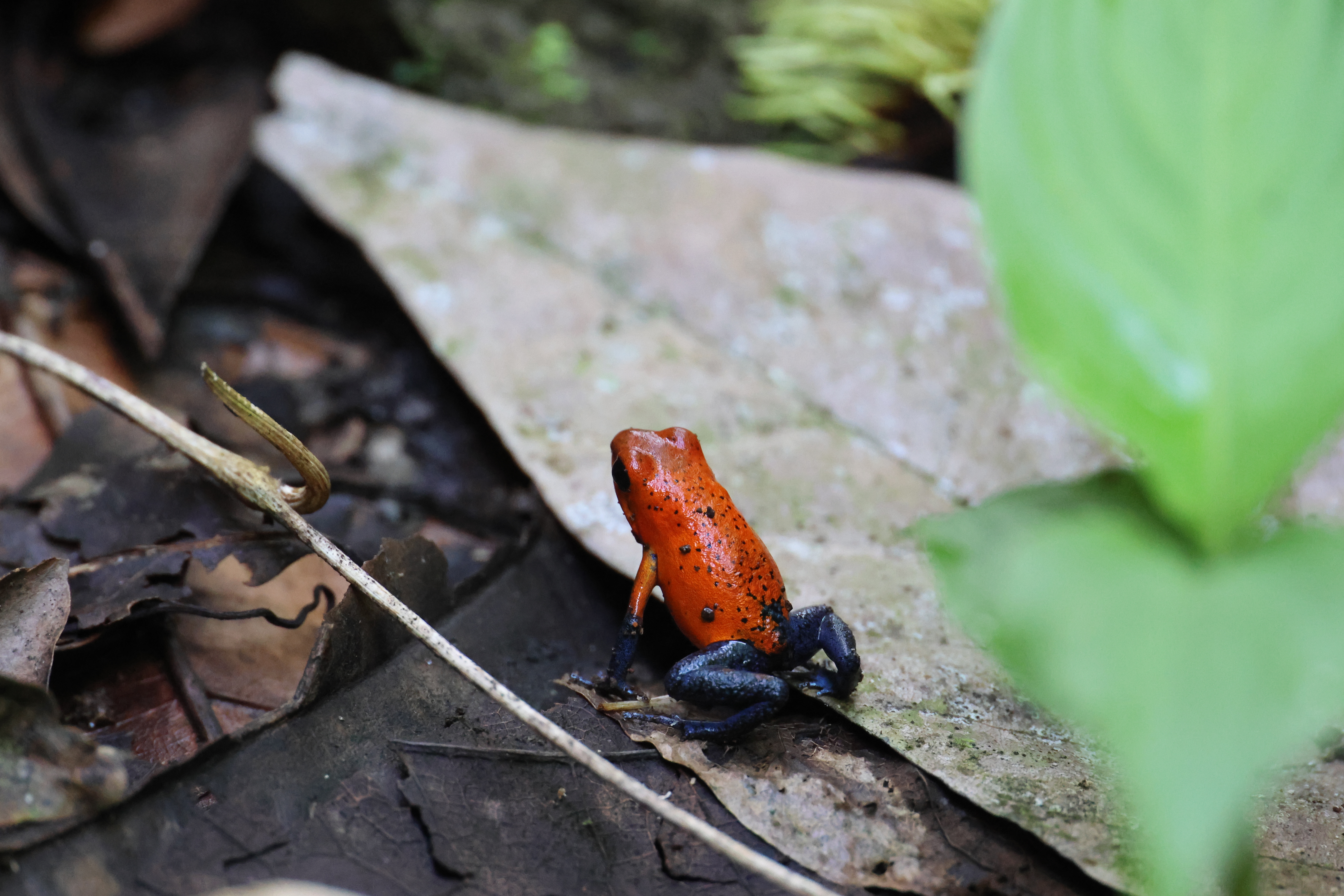


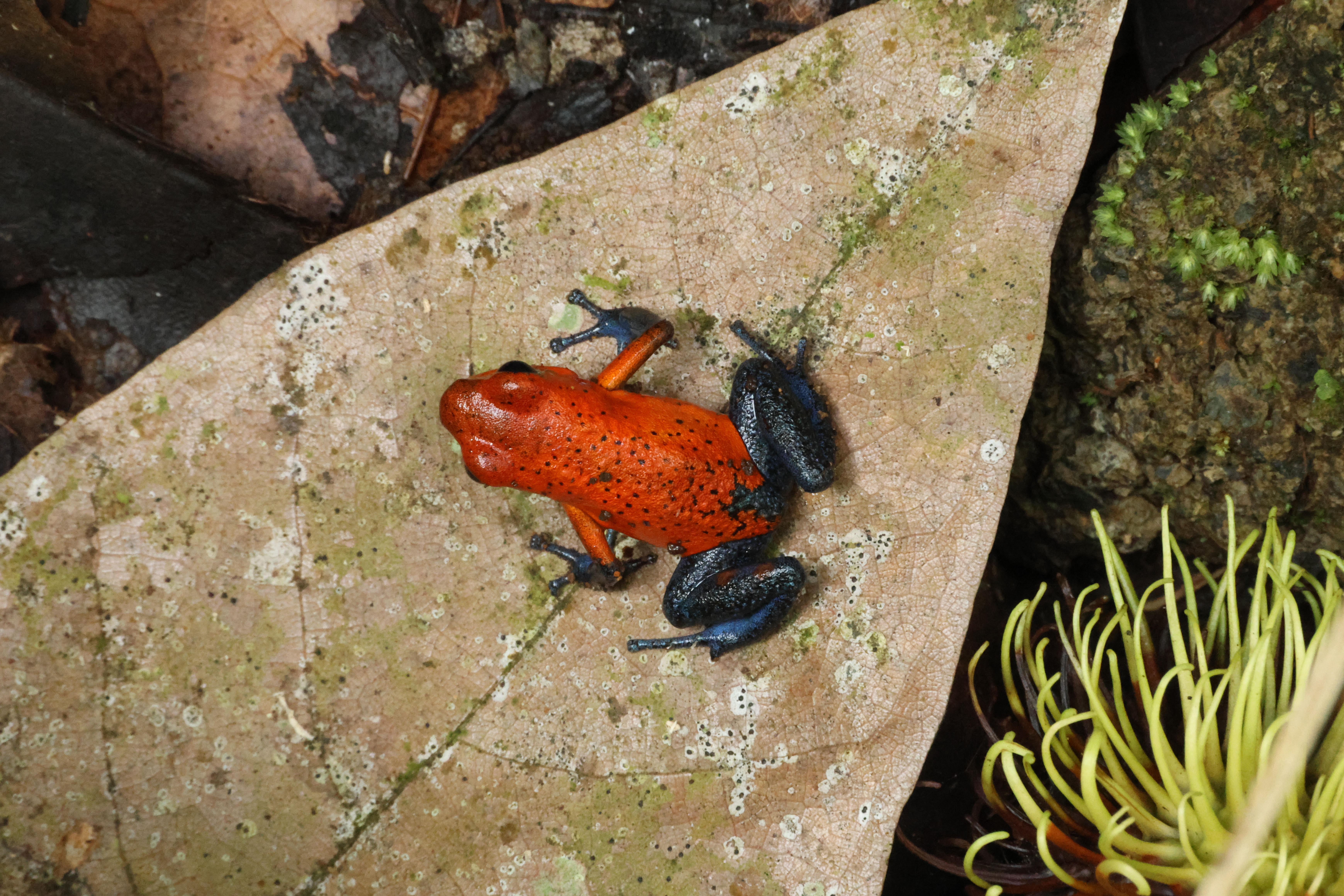

This species, also known as the blue jeans poison frog, exhibits a wide variety of different color morphs. Active during the daytime, these frogs are toxic and their bright coloration serves as a warning to would-be predators. This species exhibits a rather remarkable form of biparental care. Males attend to small clutches of terrestrially deposited eggs, including keeping them hydrated by emptying their bladder upon them. When the eggs hatch as tadpoles, the female carries them individually or in small groups (upon her back) to small water-filled tree holes or bromeliad axils, where they are individually deposited. The female then returns every few days and deposits unfertilized eggs into the water; these eggs serve as food for her developing tadpoles. Metamorphosis into small froglets occurs in one to two months.
Hylidae (Tree frogs)
Hourglass tree frog (Dendropsophus ebraccatus)


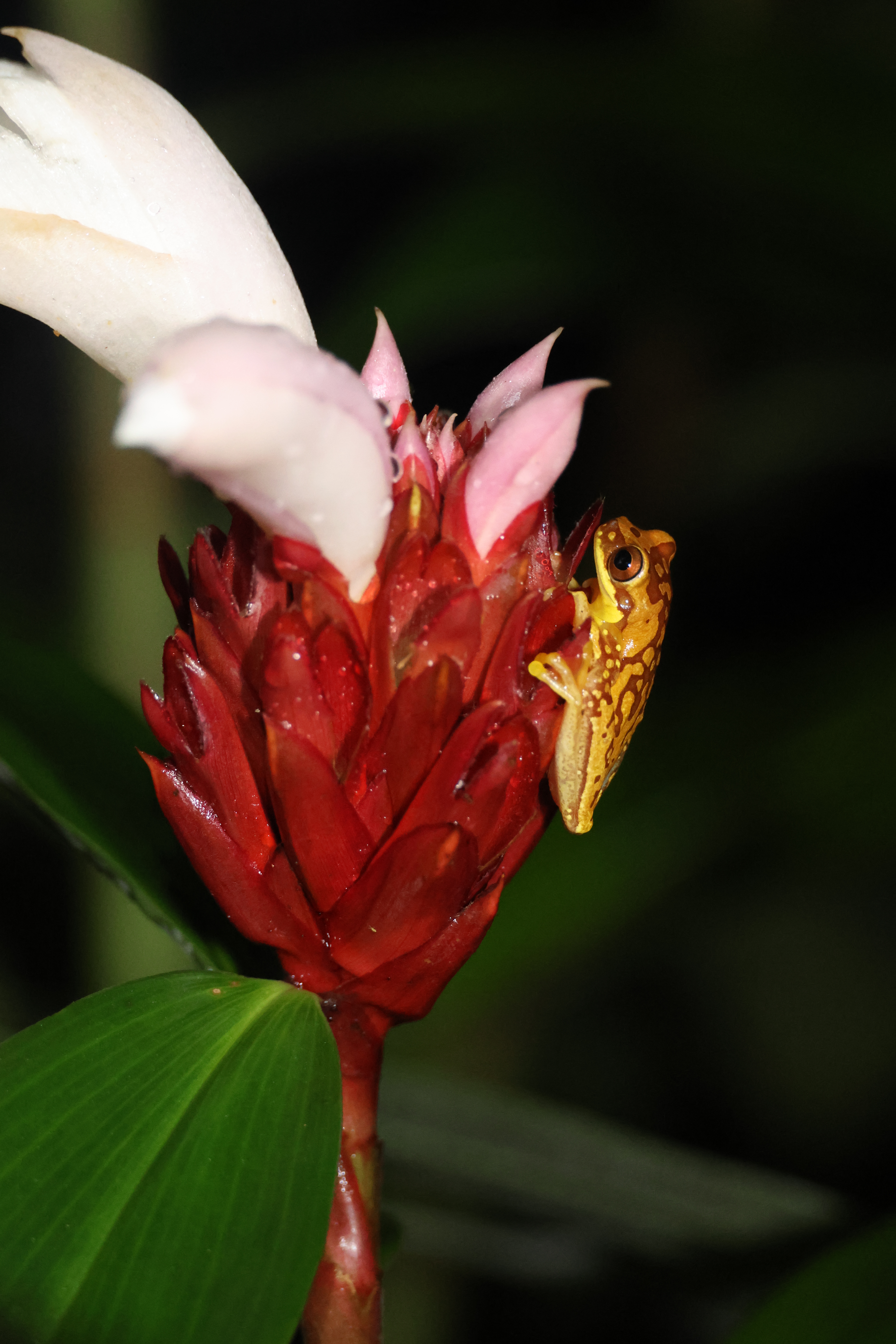


This frog gets its common name from the dark hourglass-like shape on its back, which can be most readily seen in the last photo. This species is fairly unique in that females can deposit eggs either in water or on land. On land, eggs are typically placed on leaves above aquatic vegetation such that when tadpoles hatch they fall into the water below. The decision of where to deposit eggs is influenced by the risk of egg drying, presence or absence of aquatic predators, and water depth.
.
Legler’s stream frog (Ptychohyla legleri)

Little information is available about this species. It is native to Costa Rica and Panama where it inhabits moist lowland forests, among other habitats. It is Endangered.
.
Masked tree frog (Smilisca phaeota)


The common name for this species comes from the dark markings around the eyes. It is apparently capable of changing color, from tan to green.
.
Red-eyed tree frog (Agalychnis callidryas)
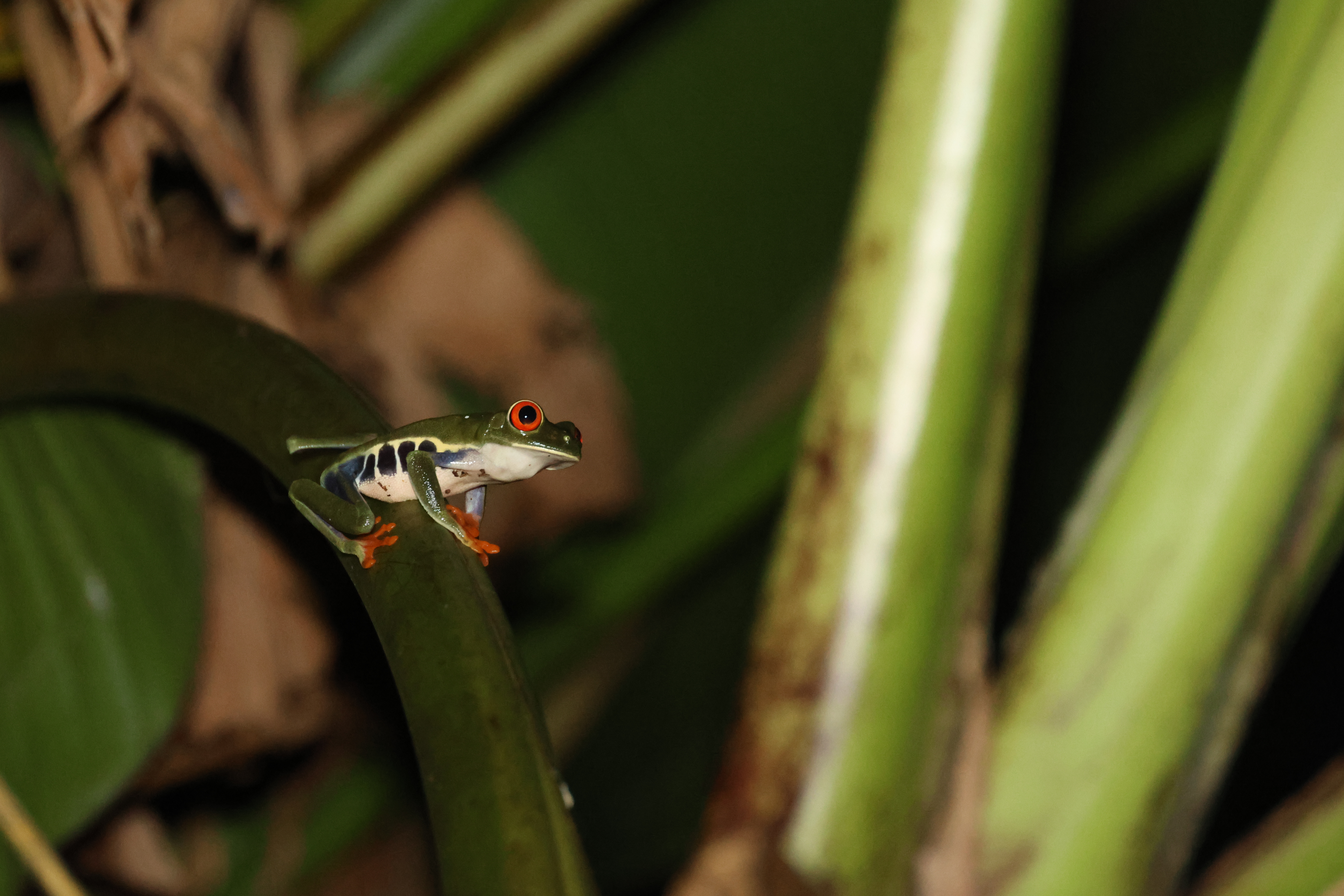
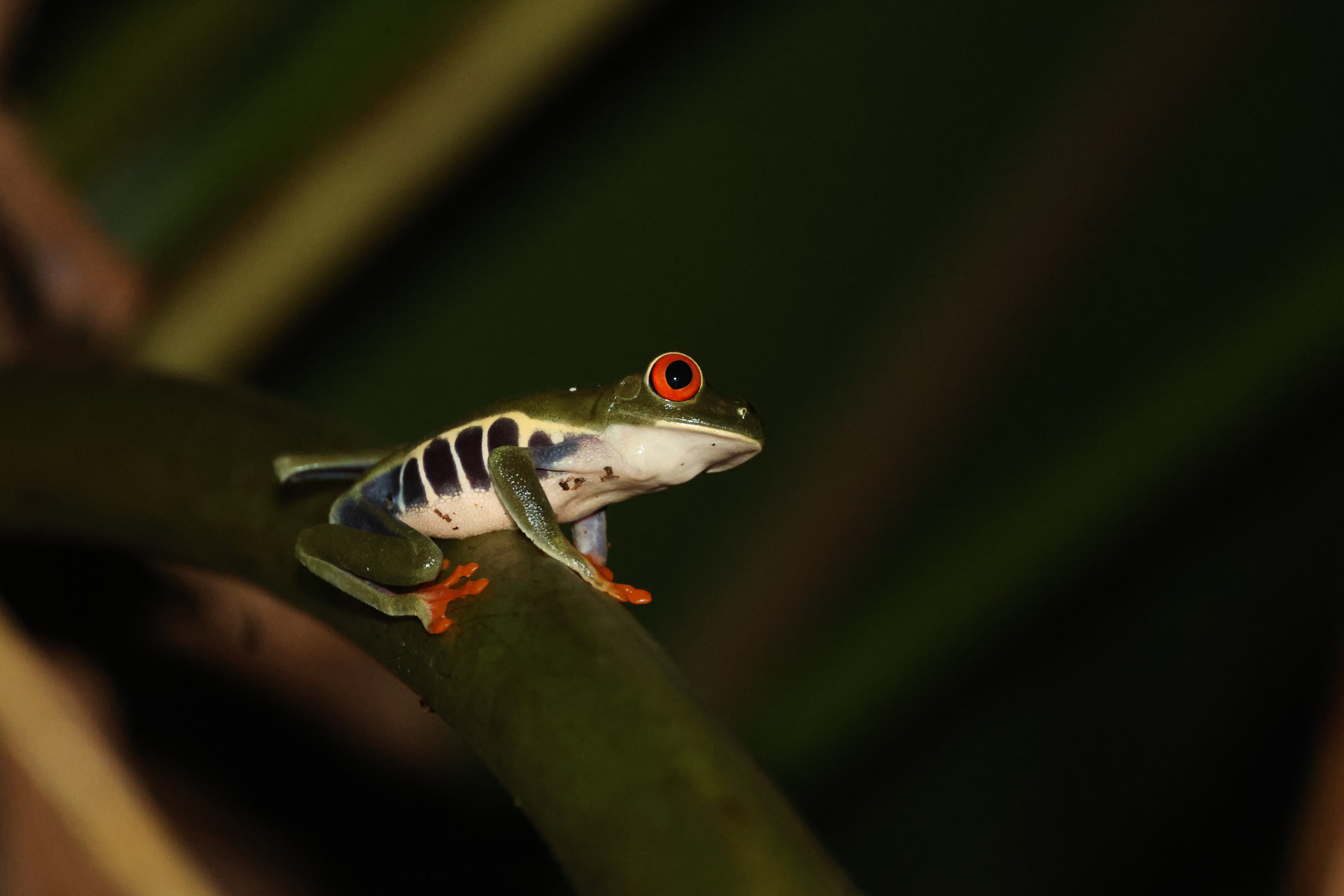
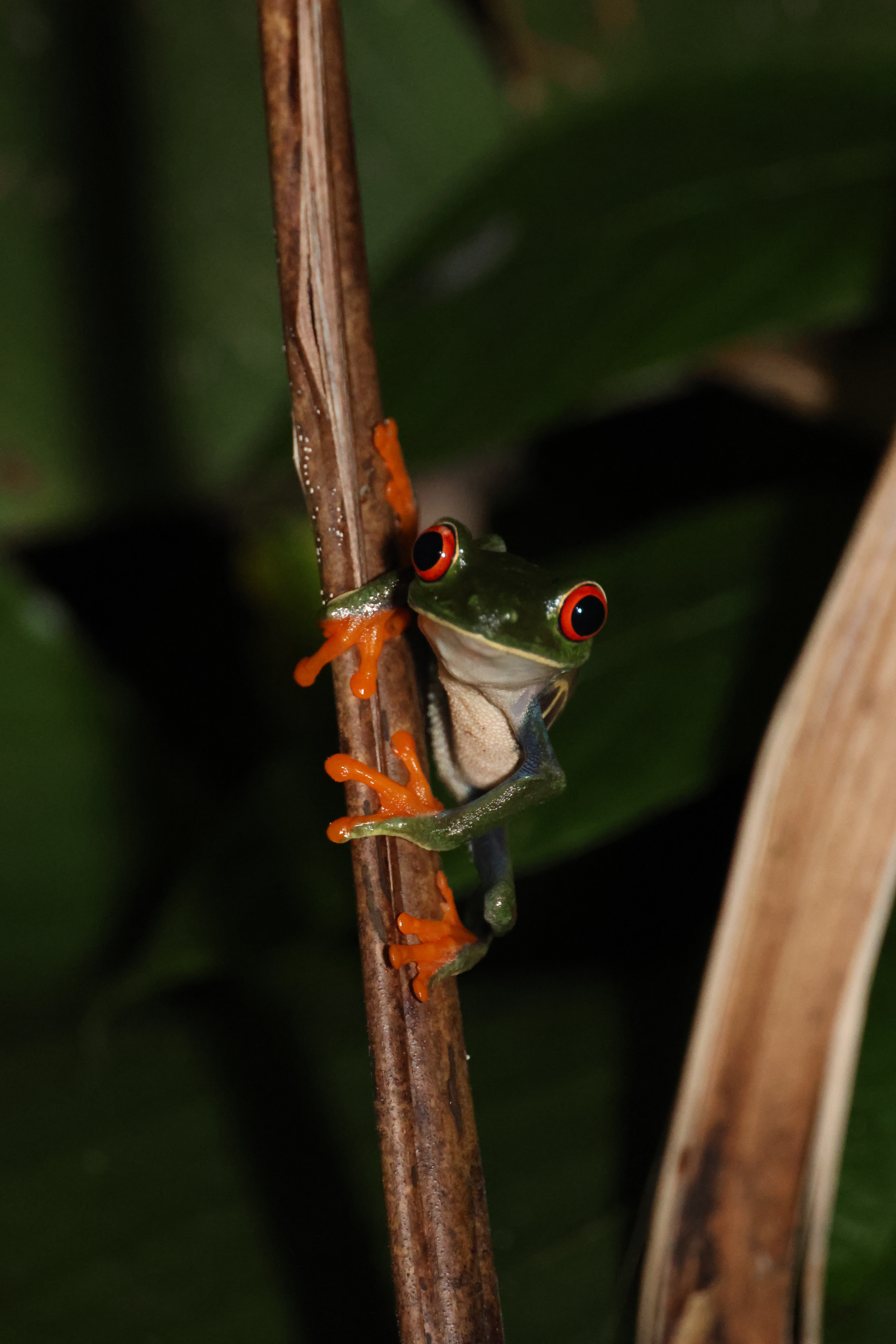

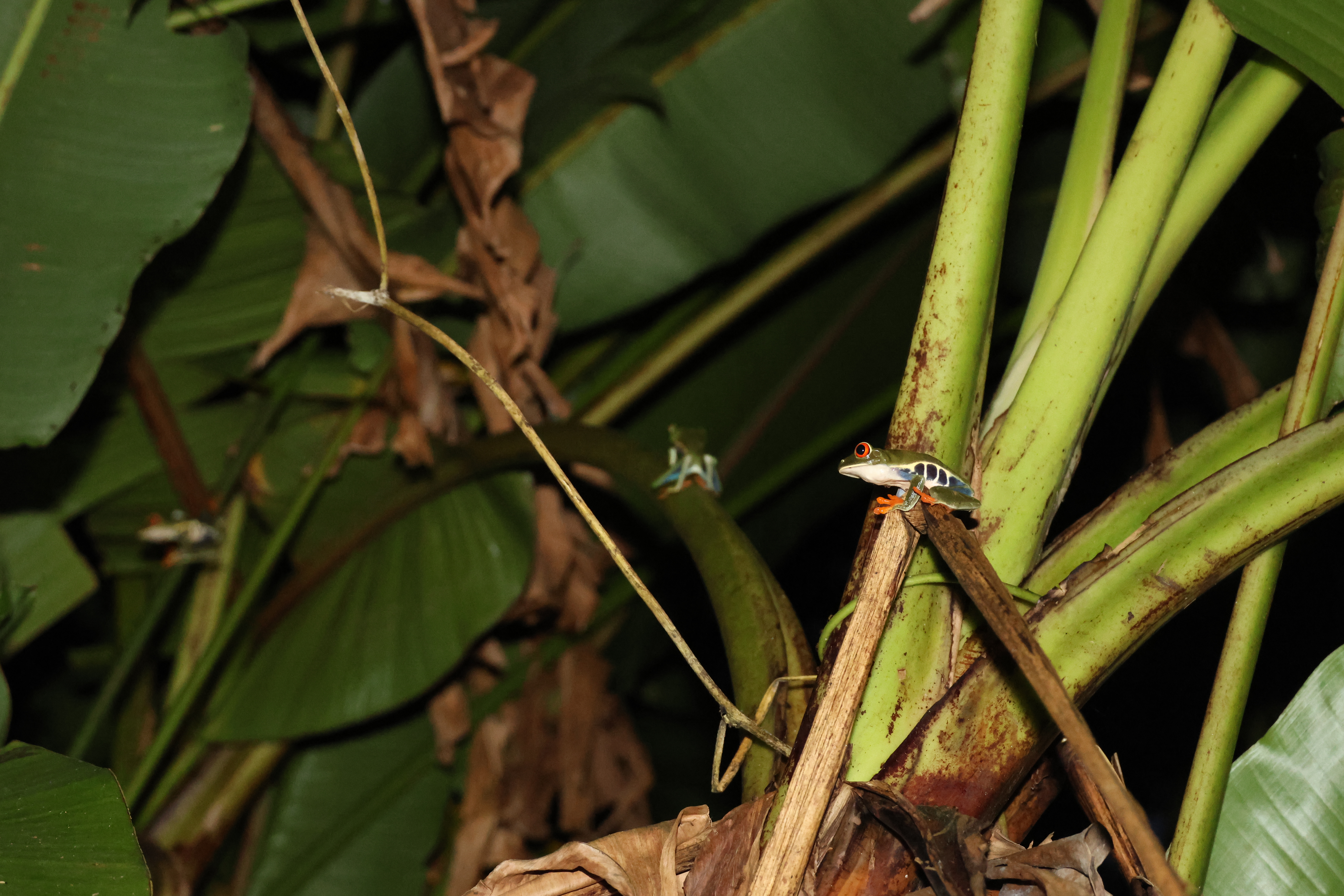
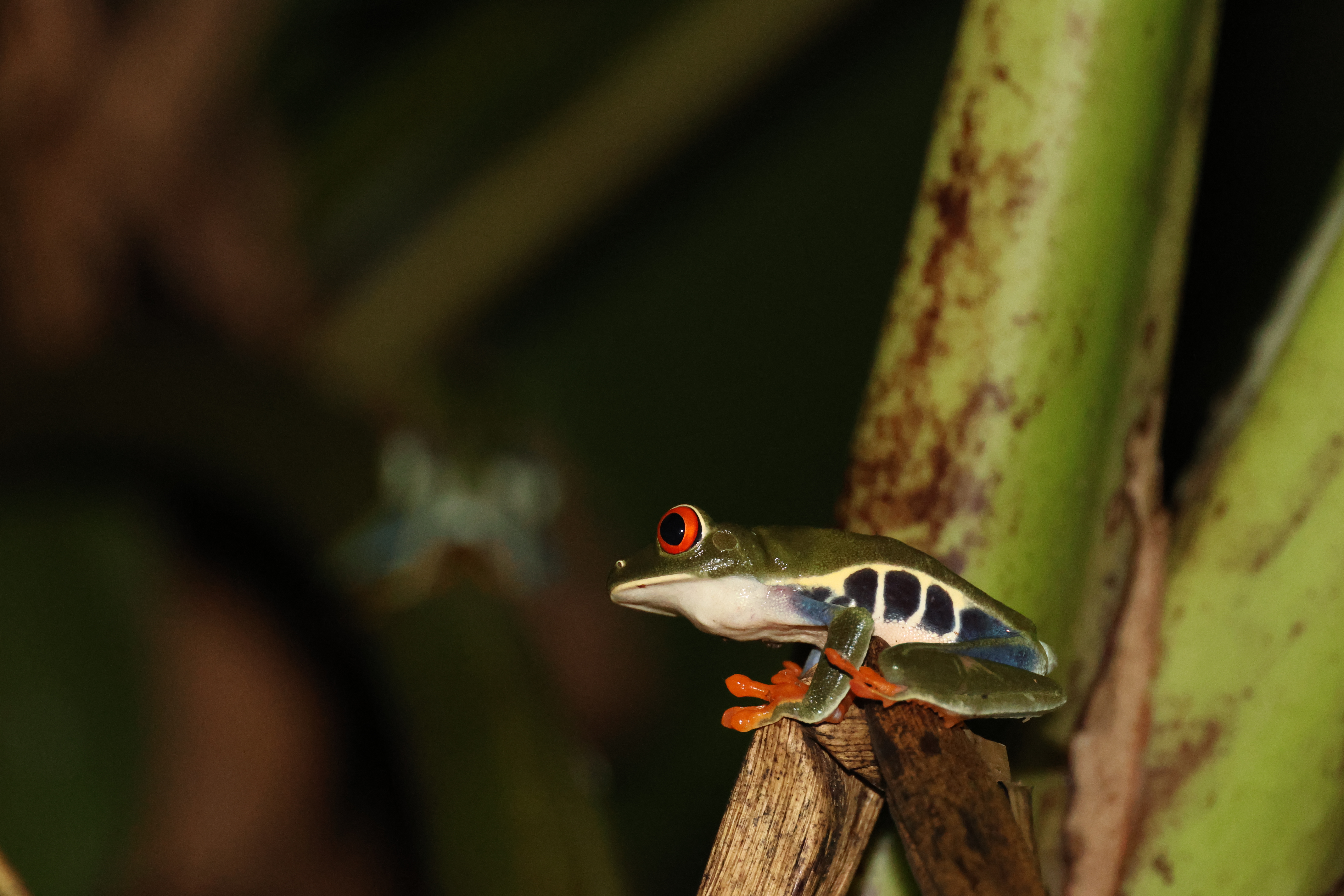

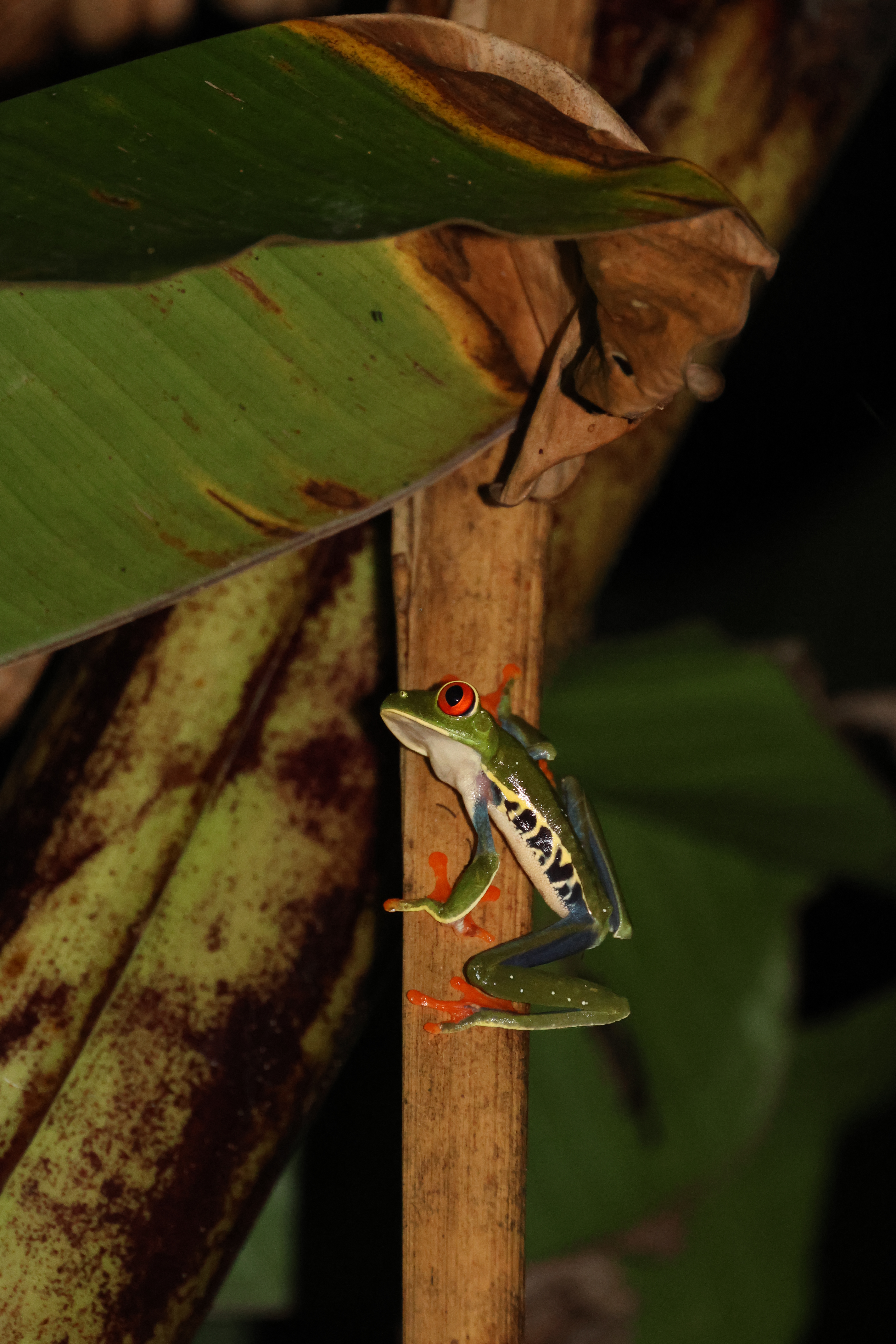

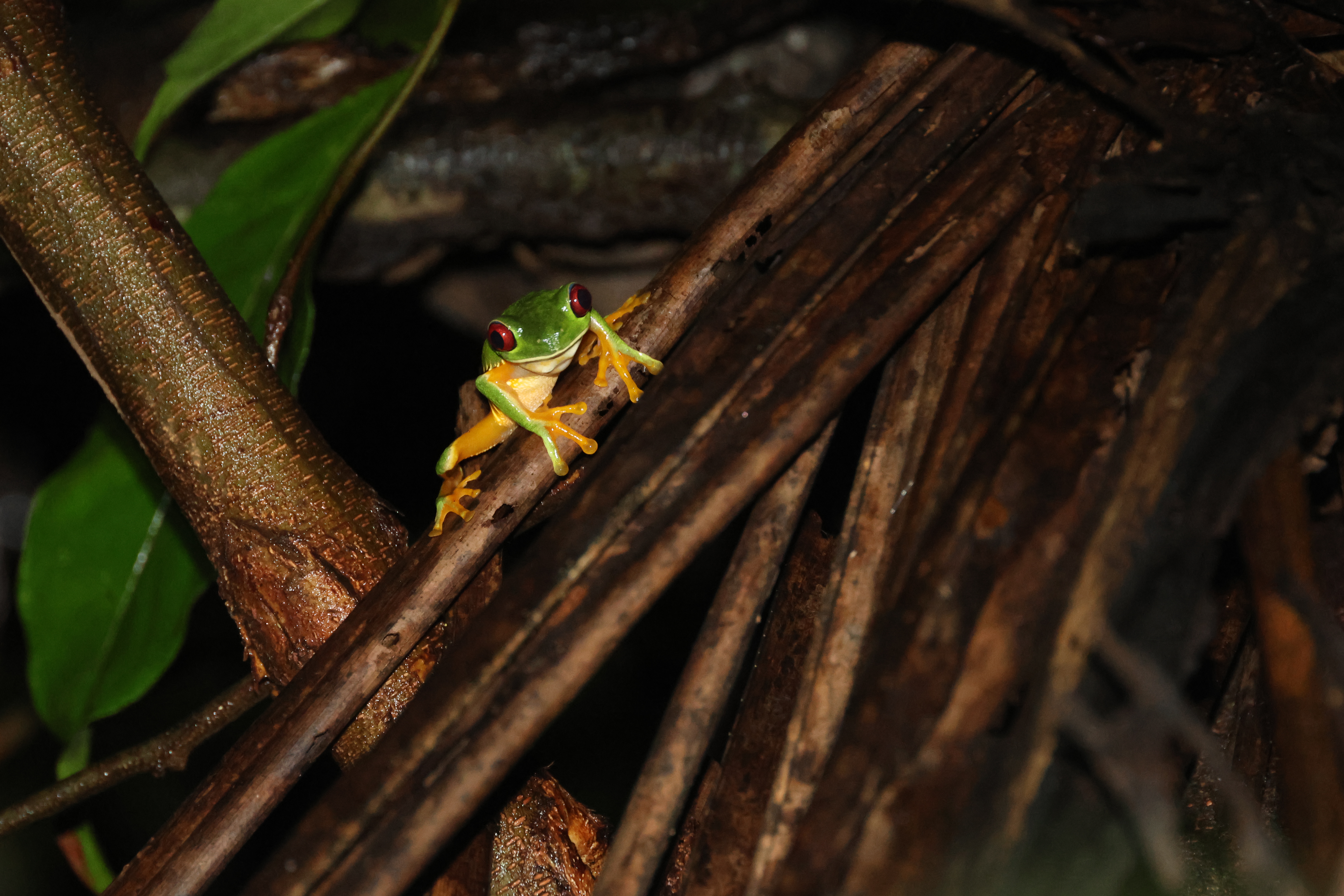
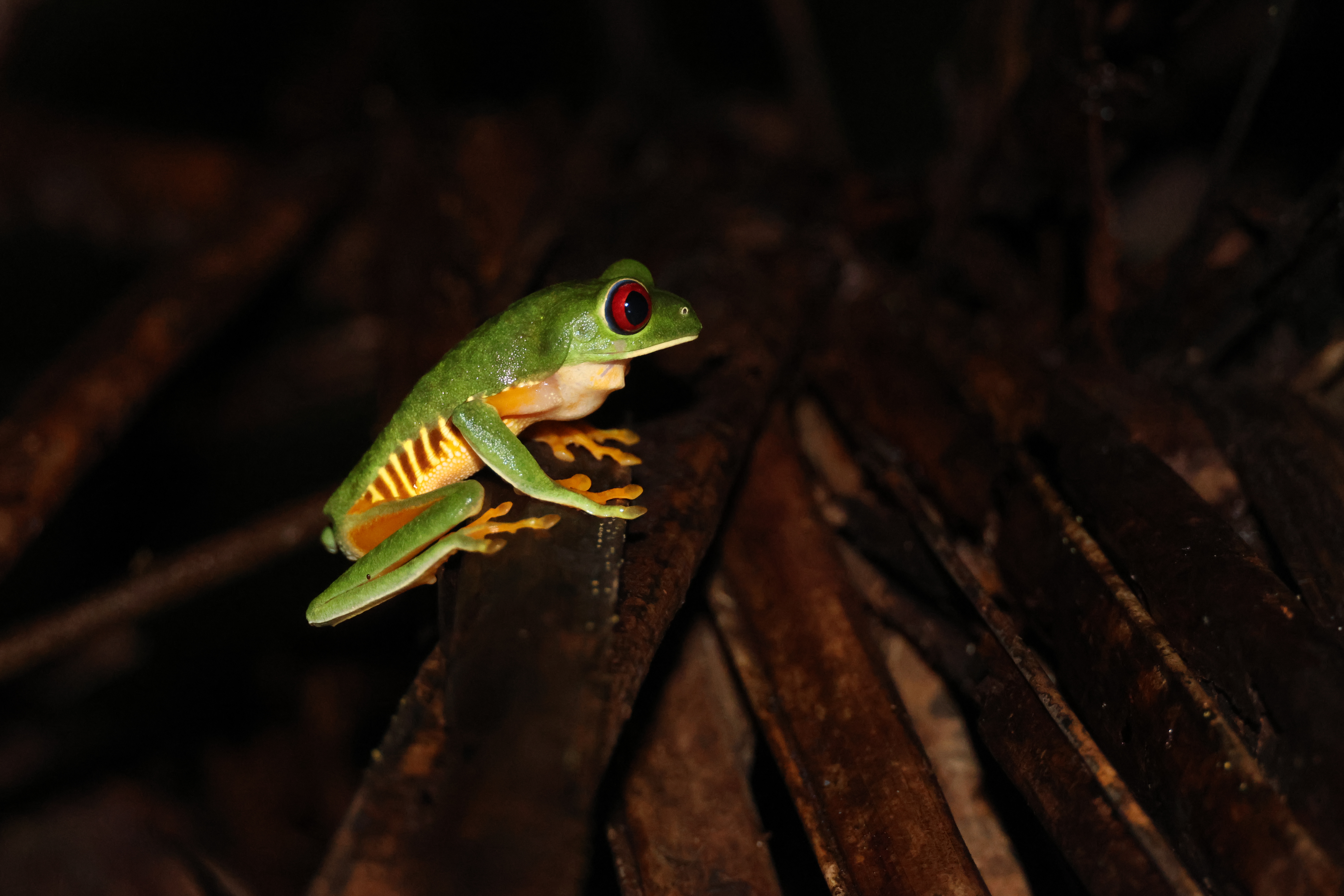

The red-eyed tree frog is one of the most recognizable frog species in the world. In Costa Rica it is a popular symbol, which now appears on the 50 colones coin (last photo). I photographed this species in two locations within Costa Rica: in the north, near Bijagua de Upala (first 8 frog photos), and on the central Pacific coast, near Manuel Antonio National Park (last 3 frog photos). You can see that frogs from these two areas look quite distinct.
.
Rosenberg’s tree frog (Hypsiboas rosenbergi)

This large tree frog species also goes by the common name ‘Gladiator frog’ because in some populations males engage in violent combat over breeding territories.
.
Snouted tree frog (Scinax boulengeri)
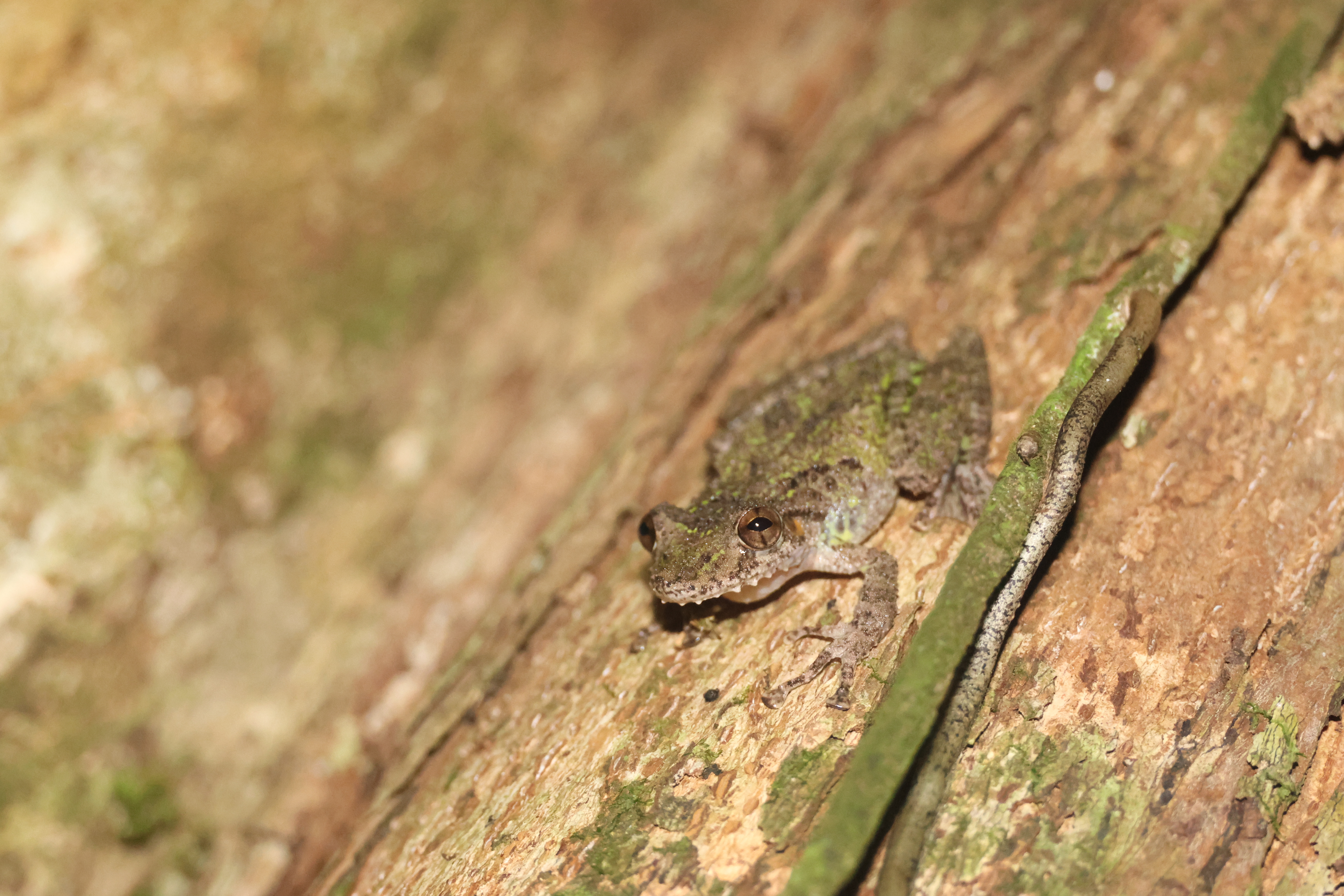

This well camouflaged tree frog is identifiable by its protruding snout and tuberculate skin.
.
Various other hylid tree frog species that I was unable to confidently identify

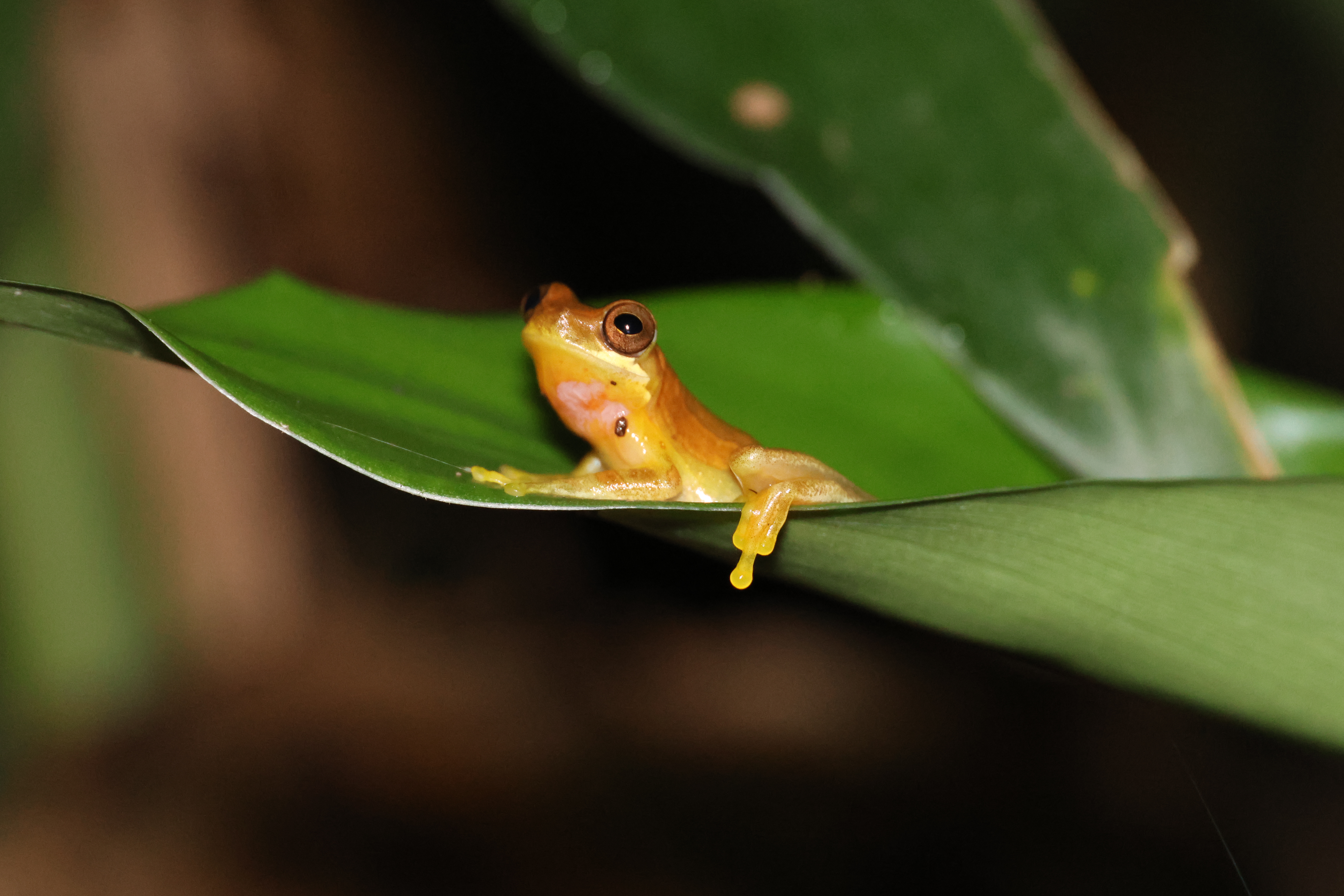
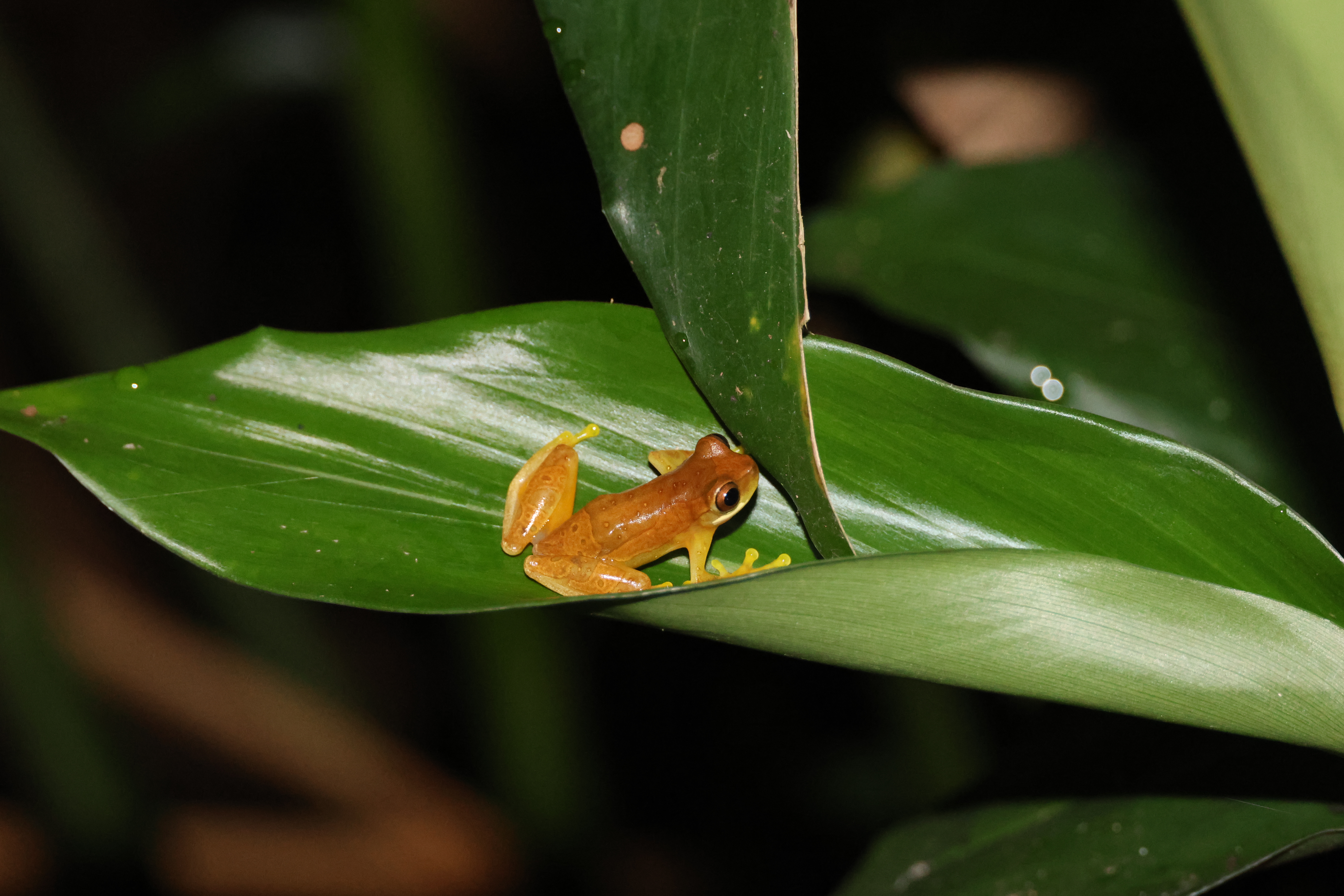
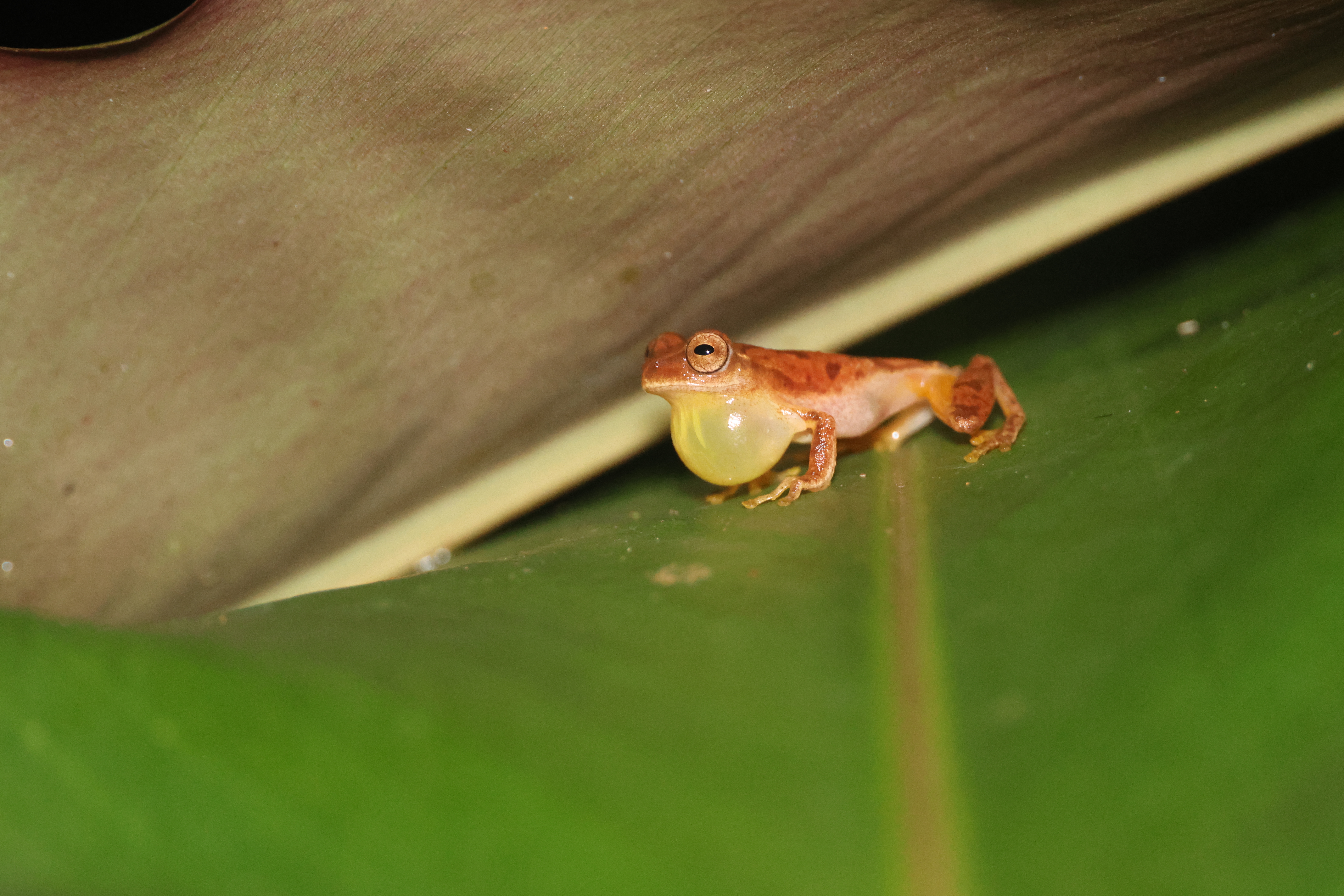
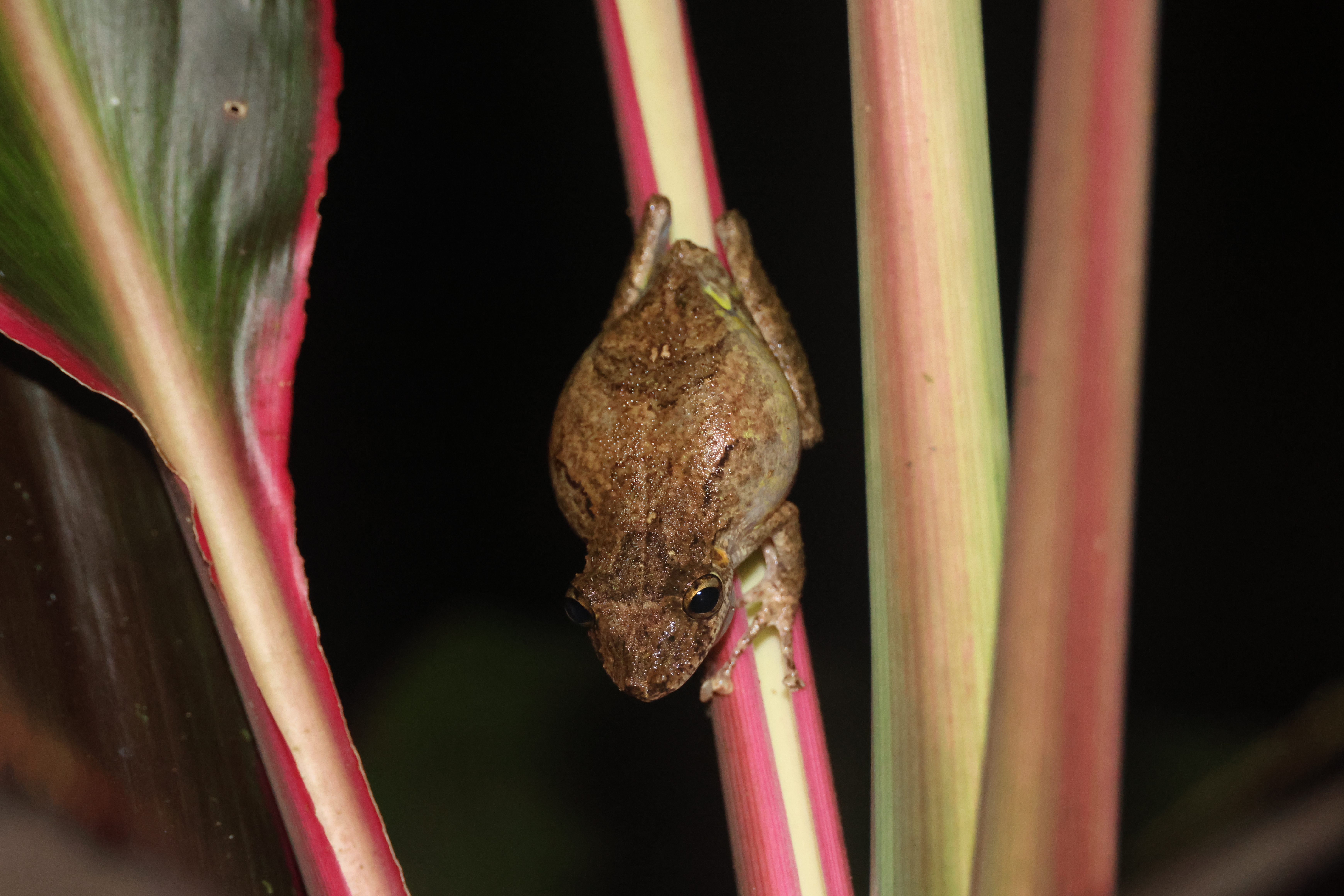

In Costa Rica there are 47 different tree frog species in the family Hylidae. Many of these tree frogs look quite similar and have overlapping geographic ranges. In the above photos, I believe there are four different species, but I am unable to confidently identify them to species level.
Leptodactylidae (Southern frogs)
Savage’s thin-toed frog (Leptodactylus savagei)
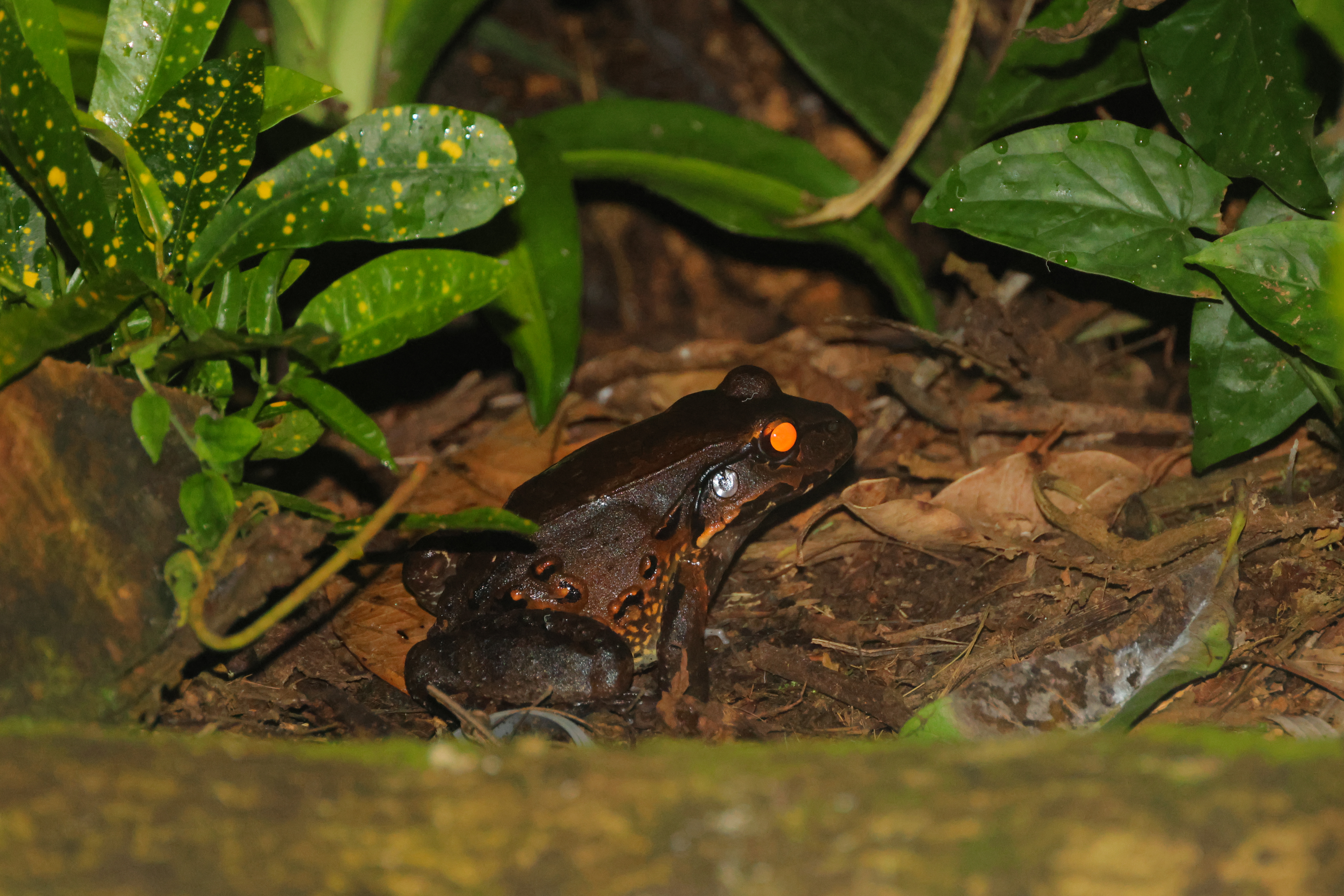
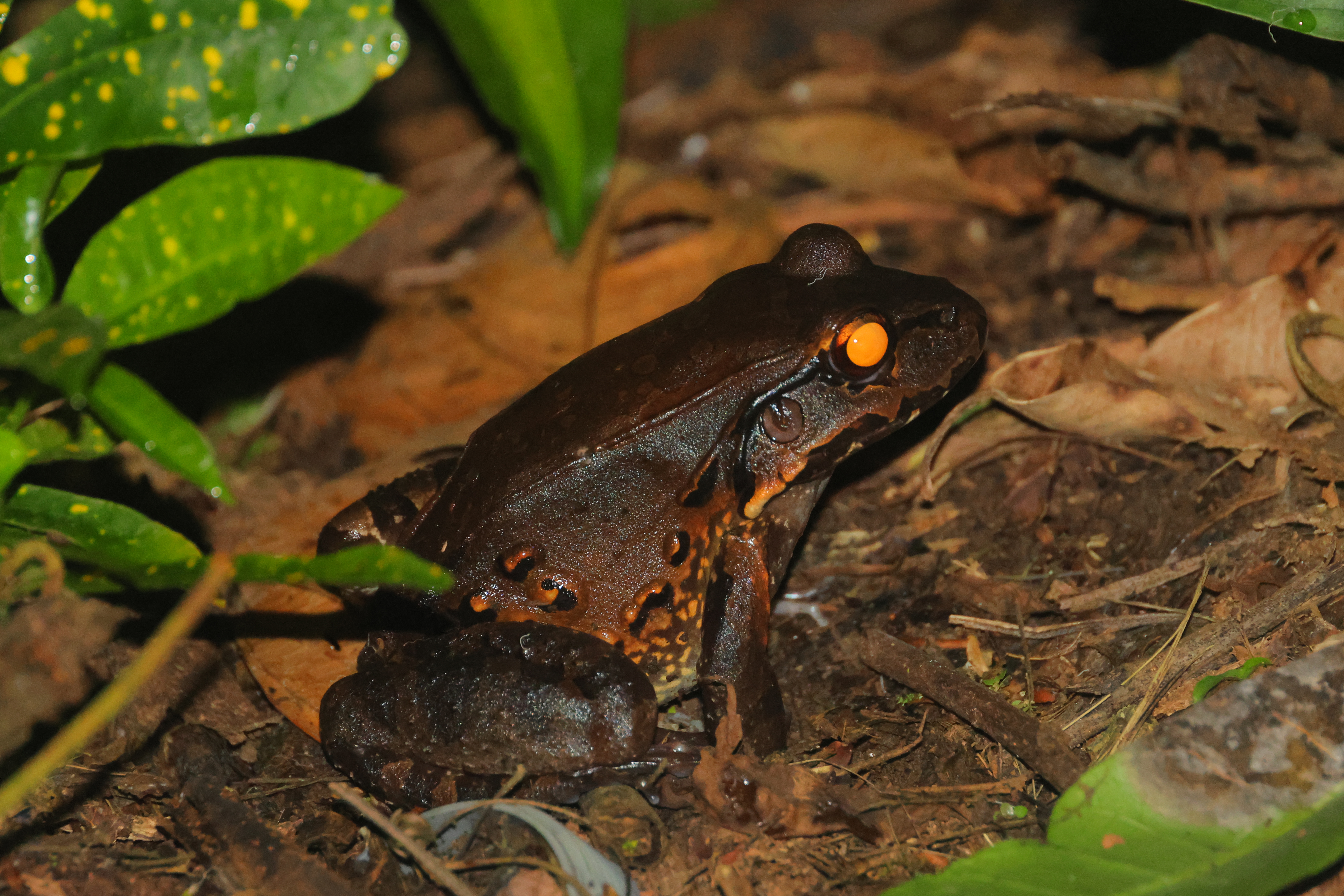

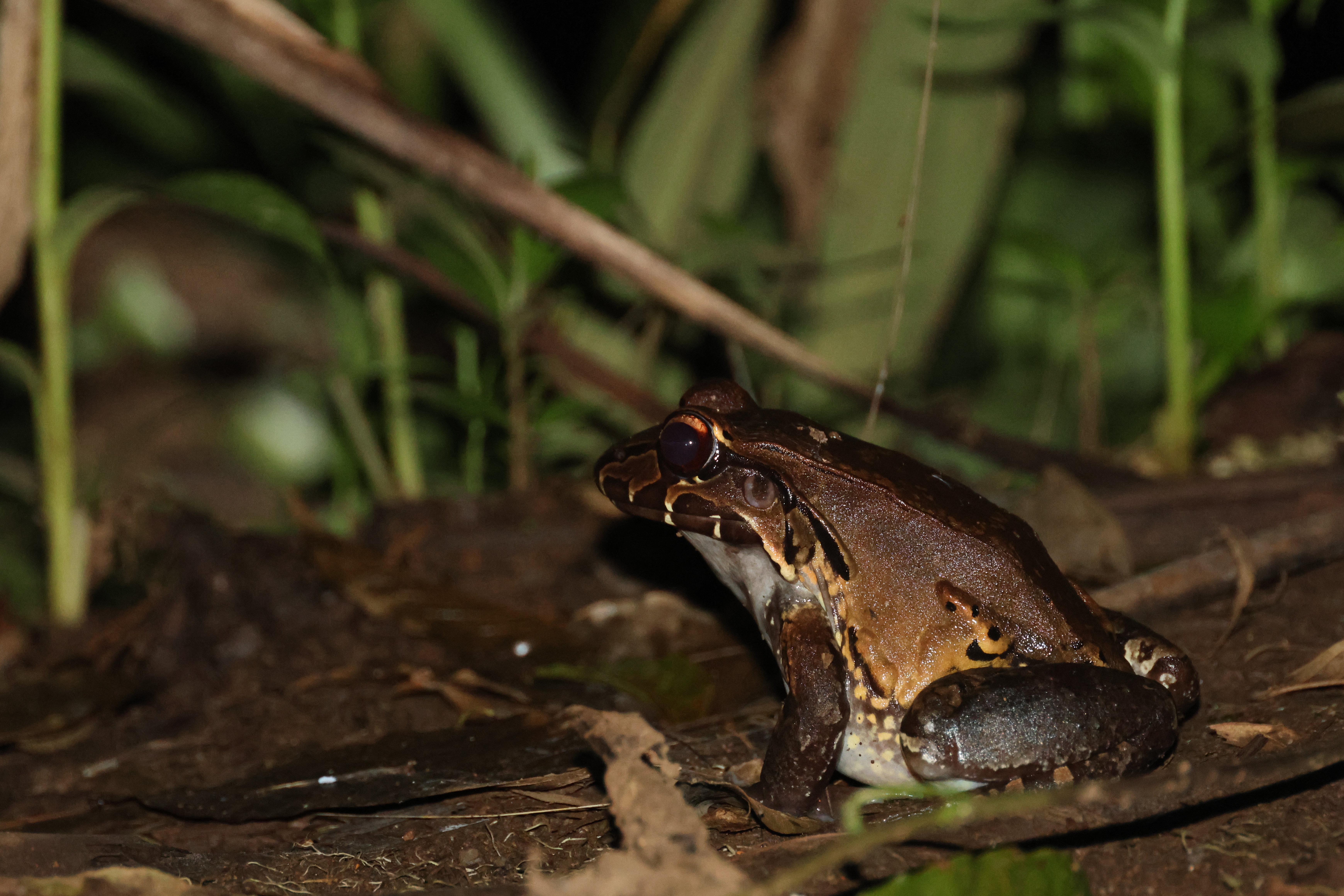

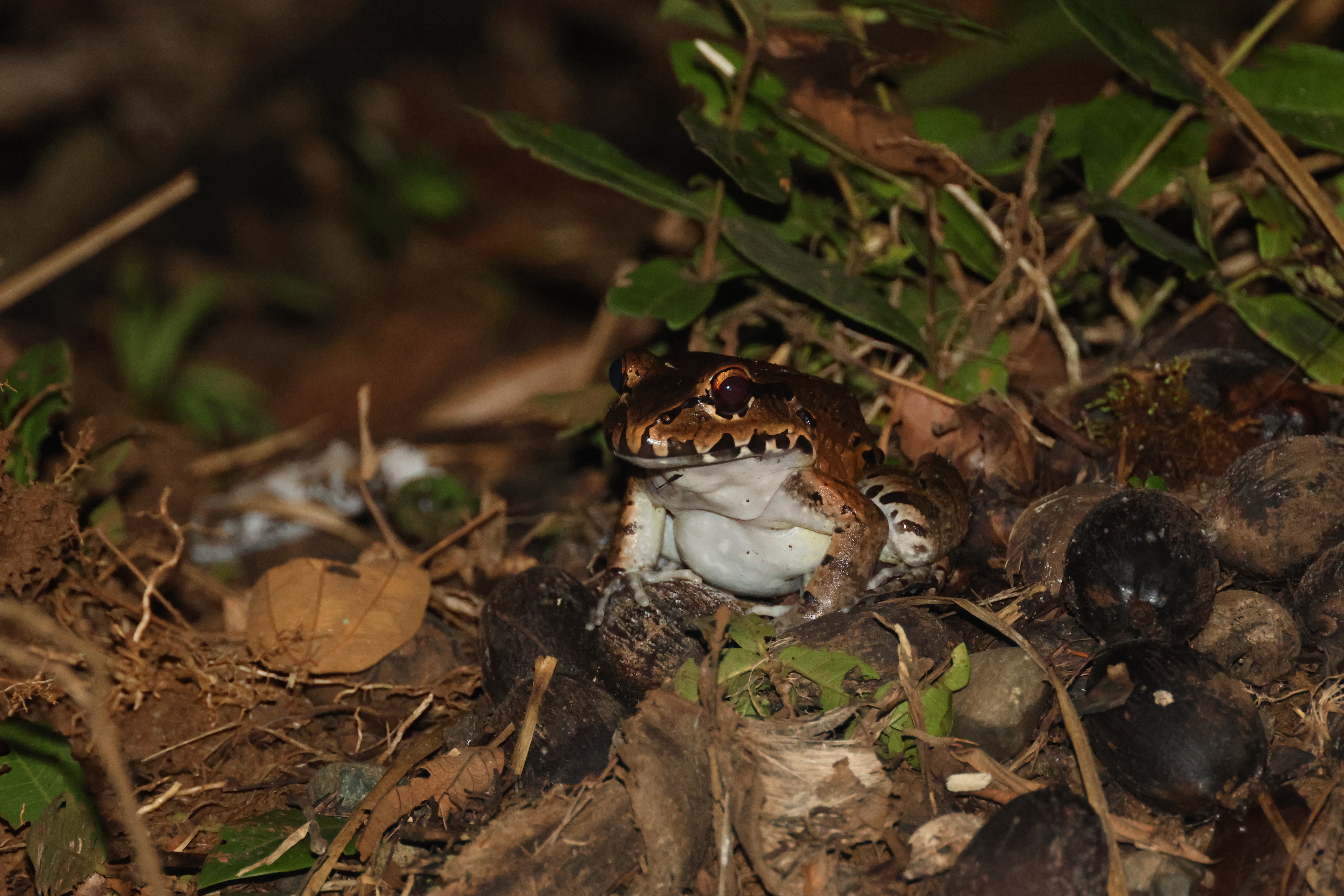
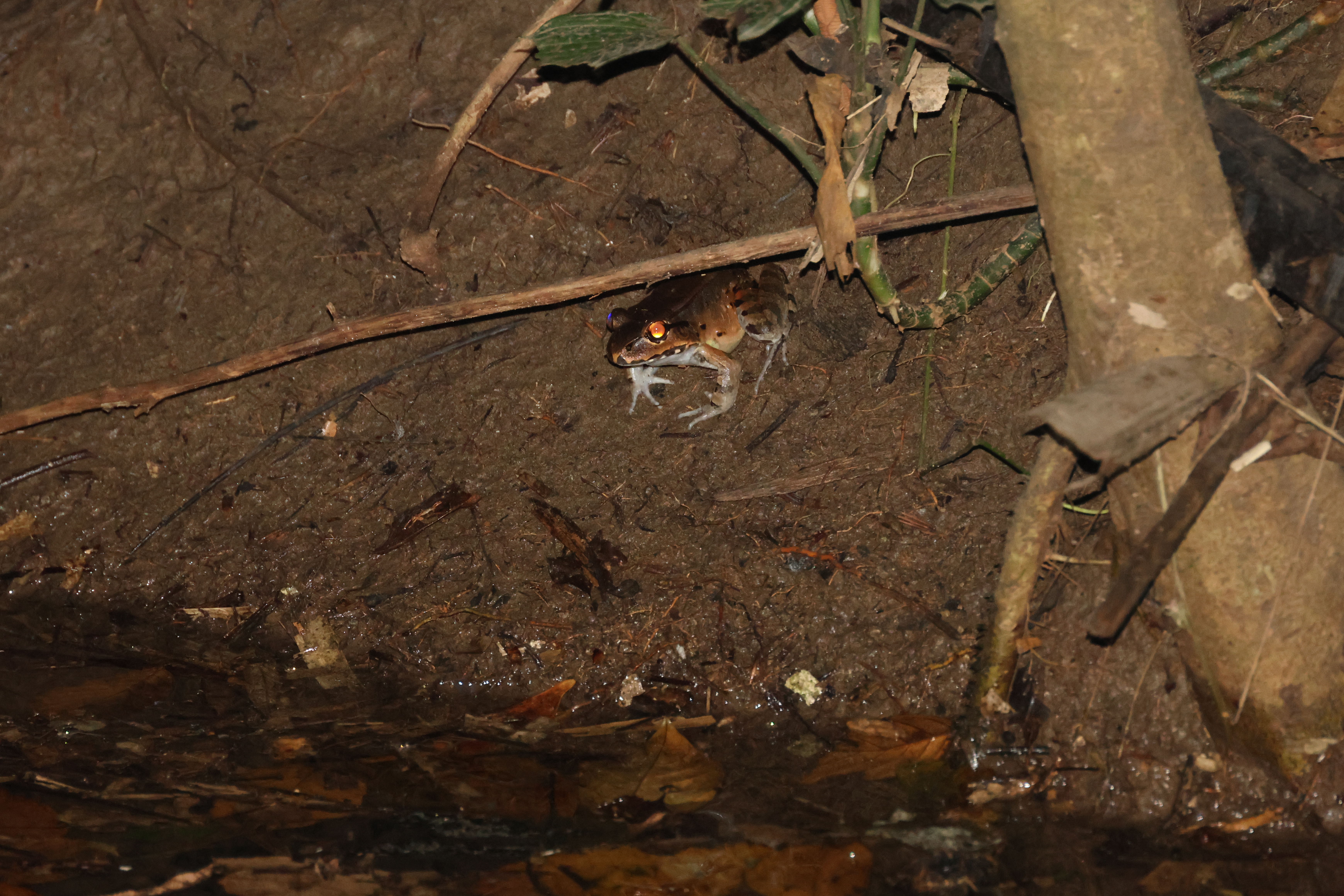
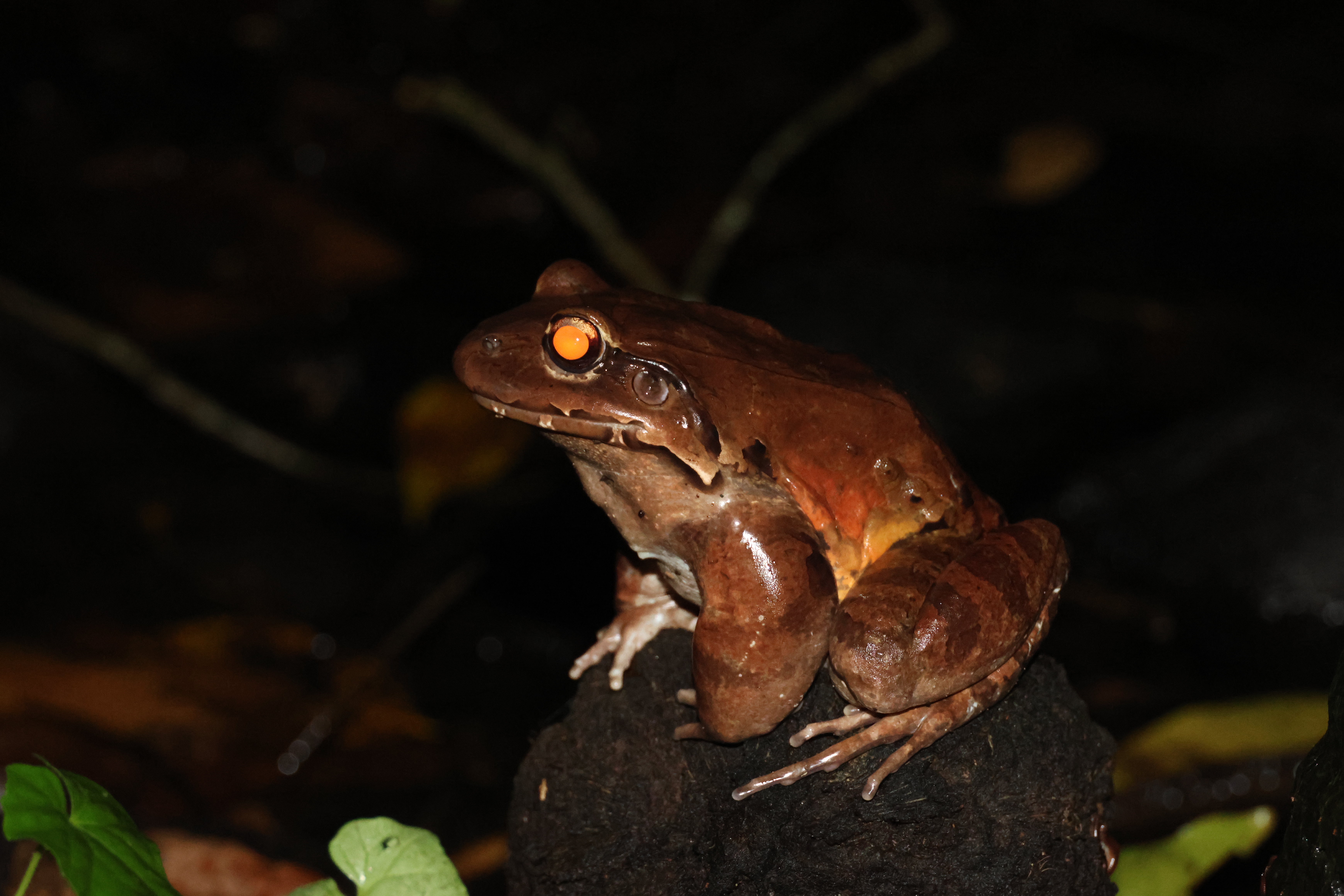
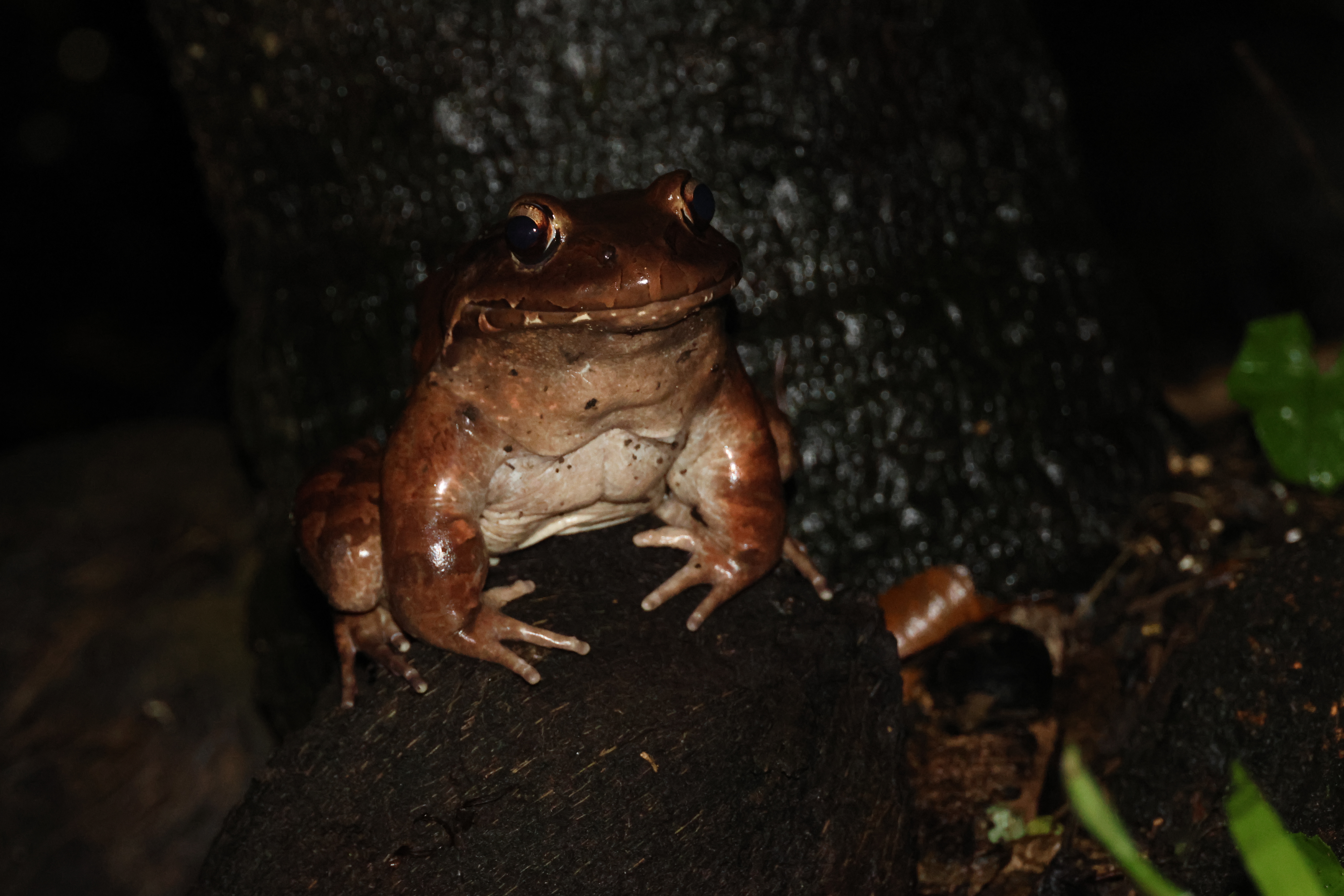
This large (up to 6 inches in length) terrestrial and noctural frog was readily spotted via headlamp due to its glowing red eyes (this is due to a reflective layer behind the retina called the tapetum lucidum). This species also goes by the common name: giant bullfrog. A closely related species (Leptodactylus fallax) found on the Caribbean islands of Dominica and Montserrat is a local delicacy known as the ‘mountain chicken’ and has been hunted to near extinction. Male L. savagei have robust forearms (evident in the last two photos) which are apparently used in territorial clashes with other males and to grasp females during mating. Like all Leptodactylus species, L. savagei is a foam nester. During mating bouts a foam nest is constructed by churning air, water, and secretions into a froth. Fertilized eggs are deposited into the foam, which forms a hardened outer layer while retaining a moist interior. The eggs hatch and the tadpoles complete metamorphosis within this nest over the course of a month.
.
Various other leptodactylid frog species that I was unable to confidently identify
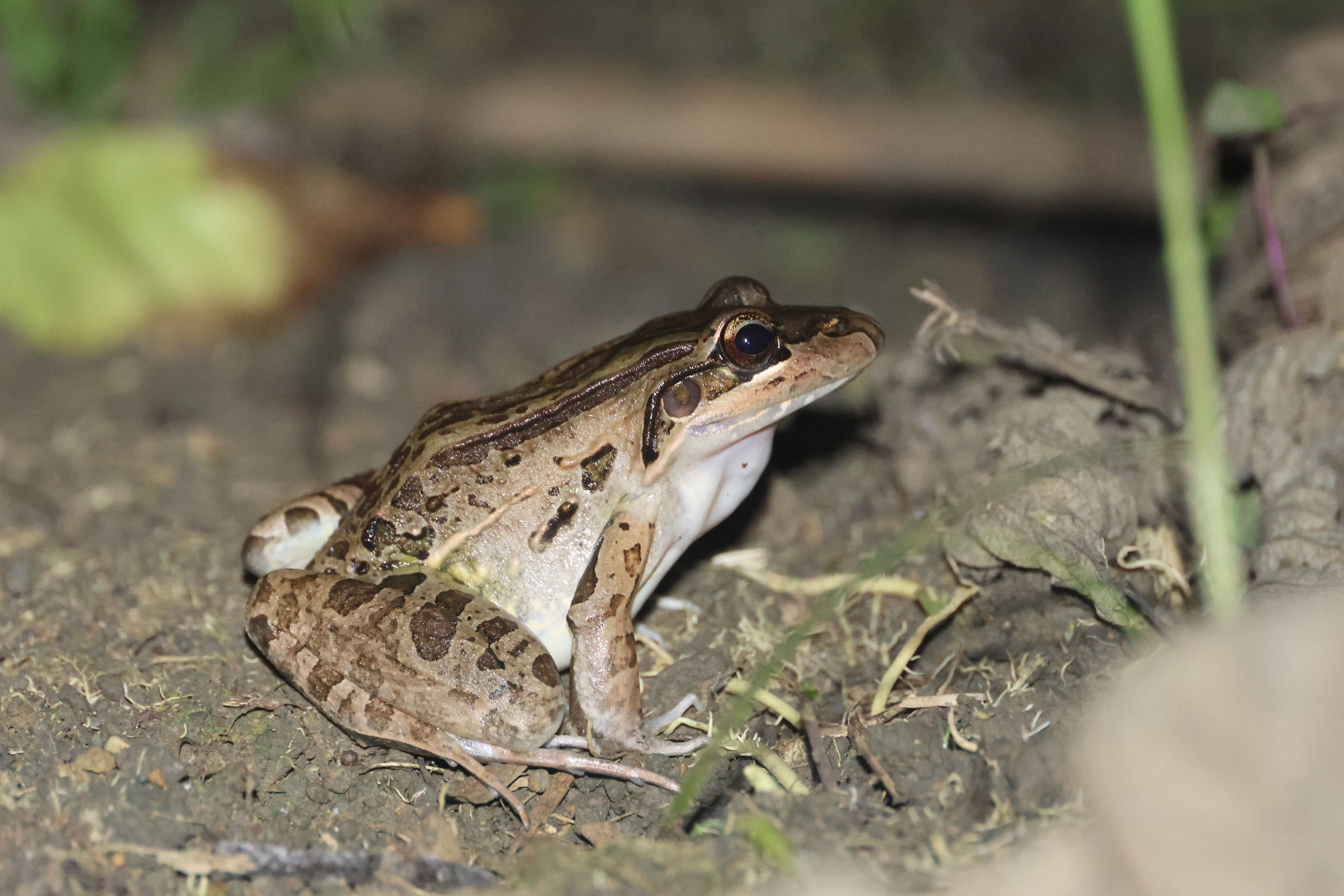


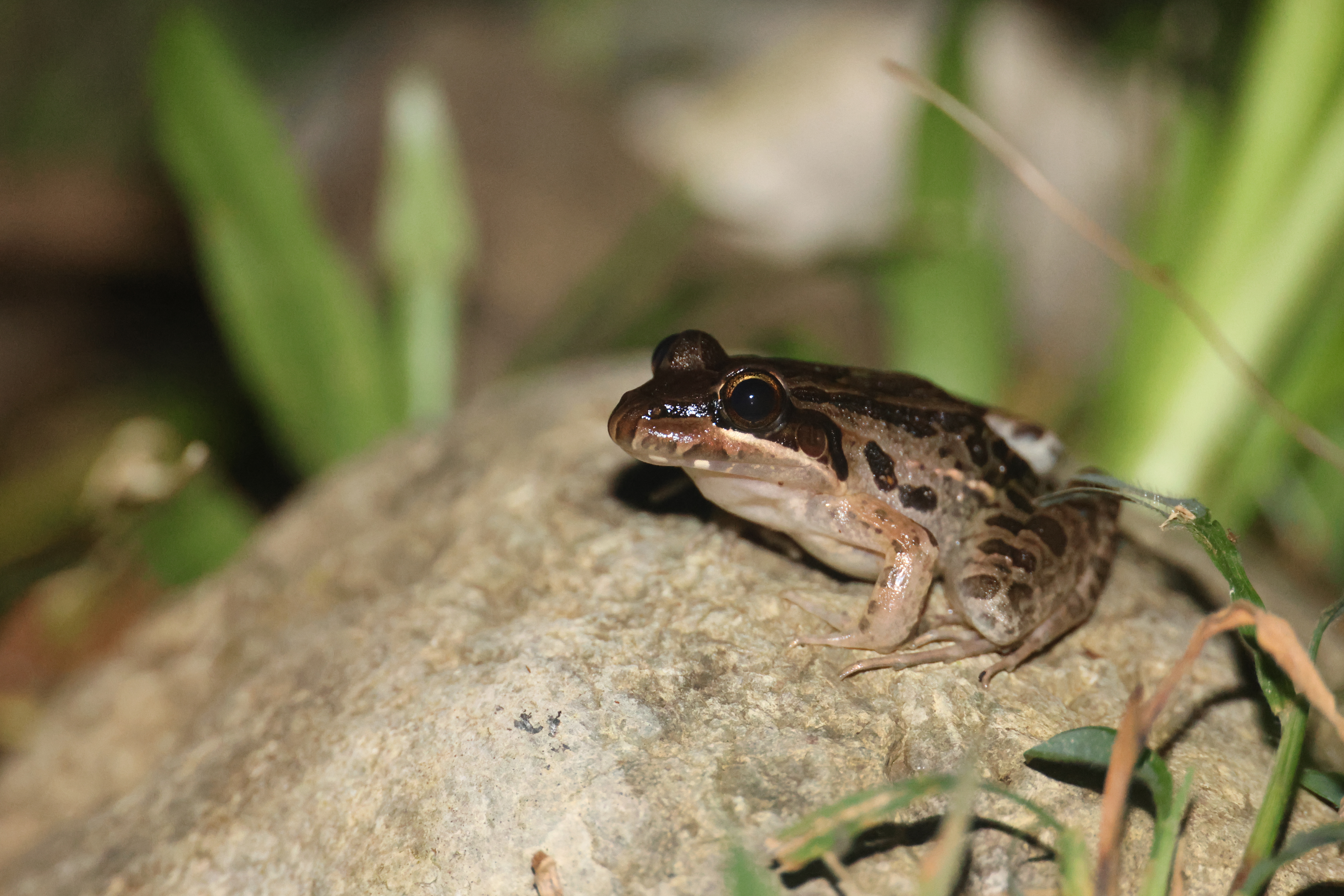
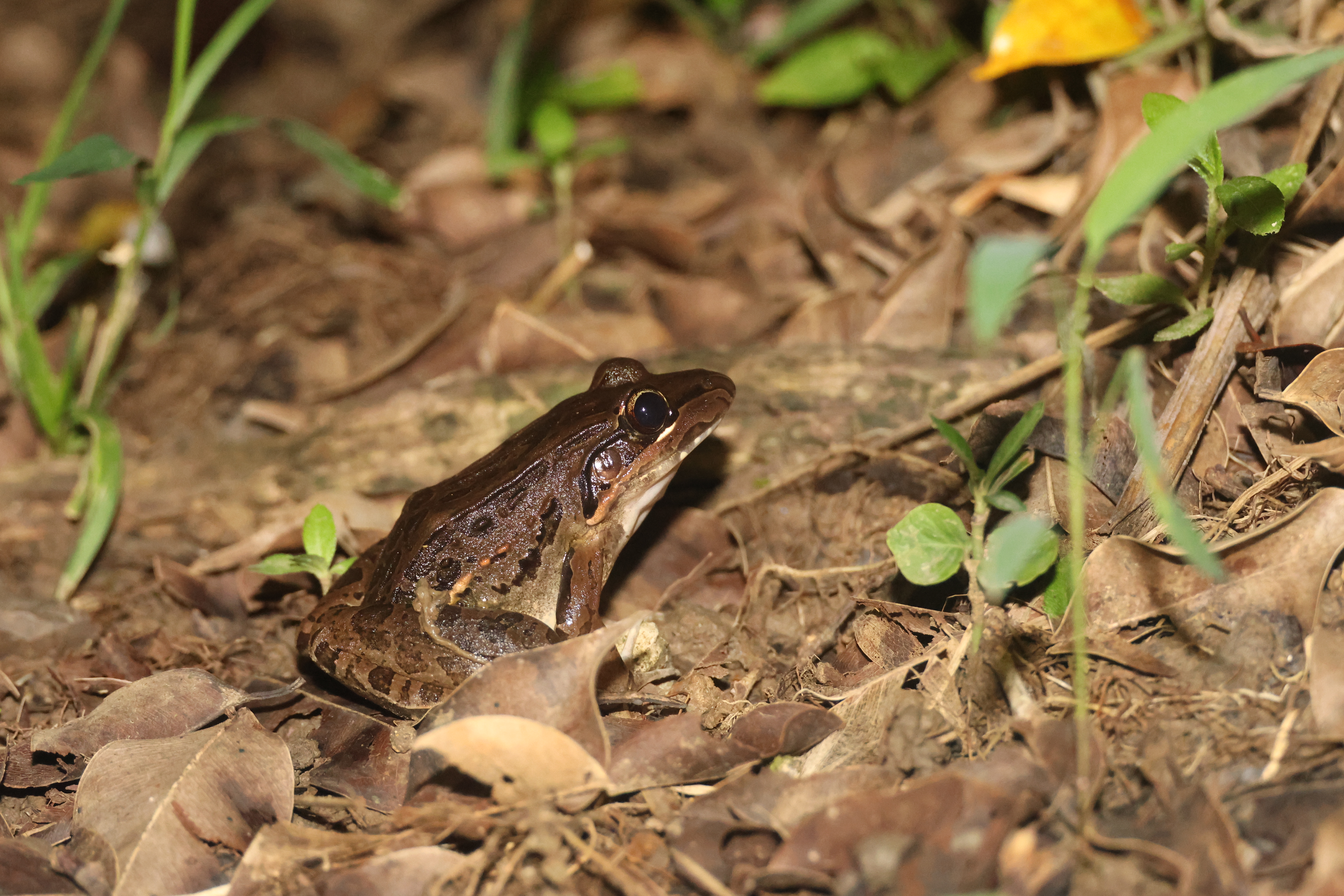
In Costa Rica there are 5 Leptodactylus species, and with the exception of Leptodactylus savagei, they all look somewhat similar (like North American leopard frogs). The above photos may all depict a single species (perhaps Leptodactylus insularum), but I am not confident identifying them to species level.
Ranidae (True frogs)
Vaillant’s frog (Rana vaillanti)

This relatively large semiaquatic frog has a typical frog life cycle, with about 1000 eggs deposited in the water in a large clump. It is known for having large tadpoles of 8 cm (3 inches) in length.
Reptiles
In addition to frogs, I was able to observe and photograph a variety of reptile species including 2 species of turtles (Scorpion mud turtle, South American snapping turtle), 2 crocodilians (American crocodile, Spectacled caiman), 2 snakes (Boa constrictor, Brown vine snake), and 6 lizards (Black spiny-tailed iguana, Common basilisk, Common house gecko, Green iguana, Reticulated night lizard, and Yellow-headed gecko).

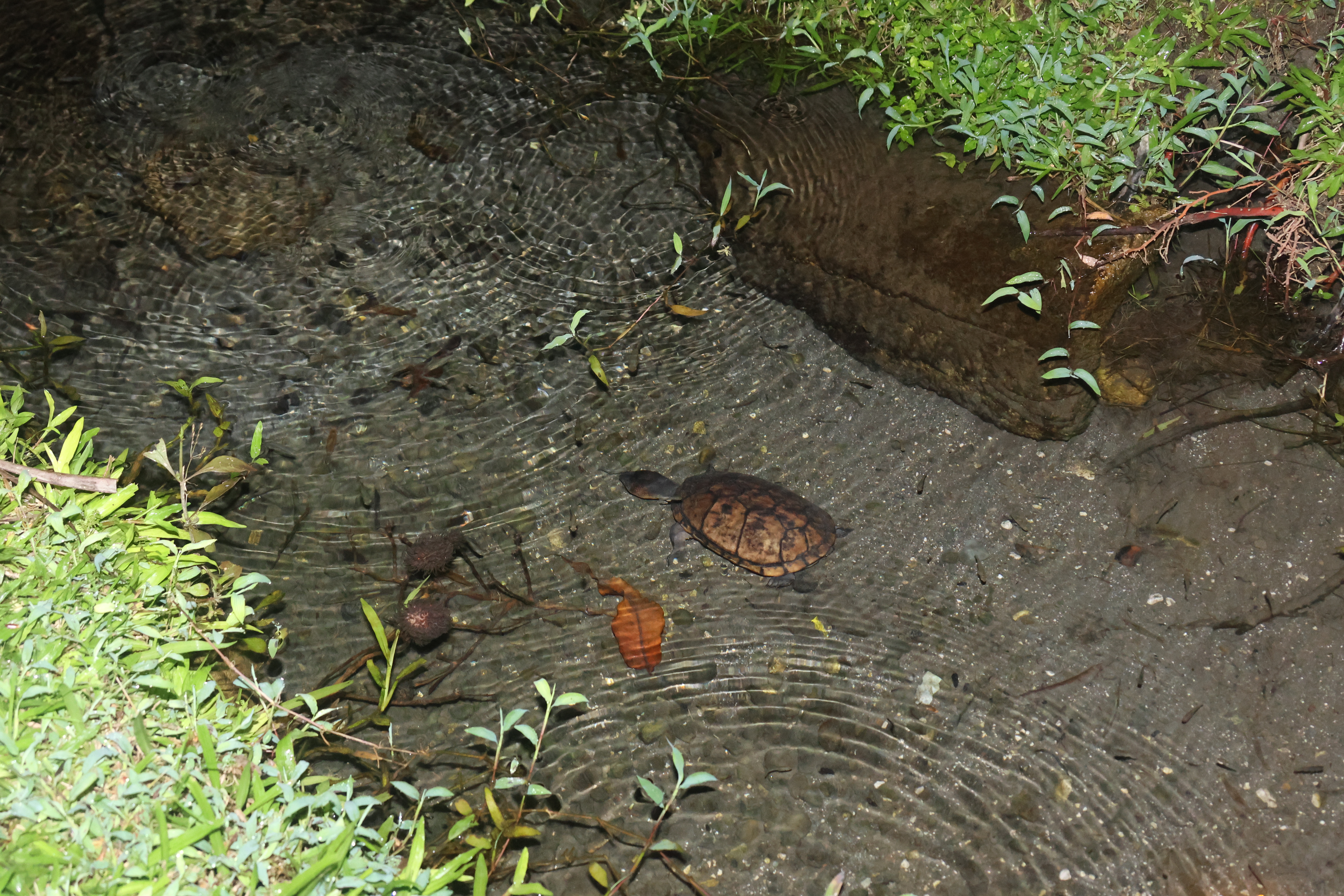
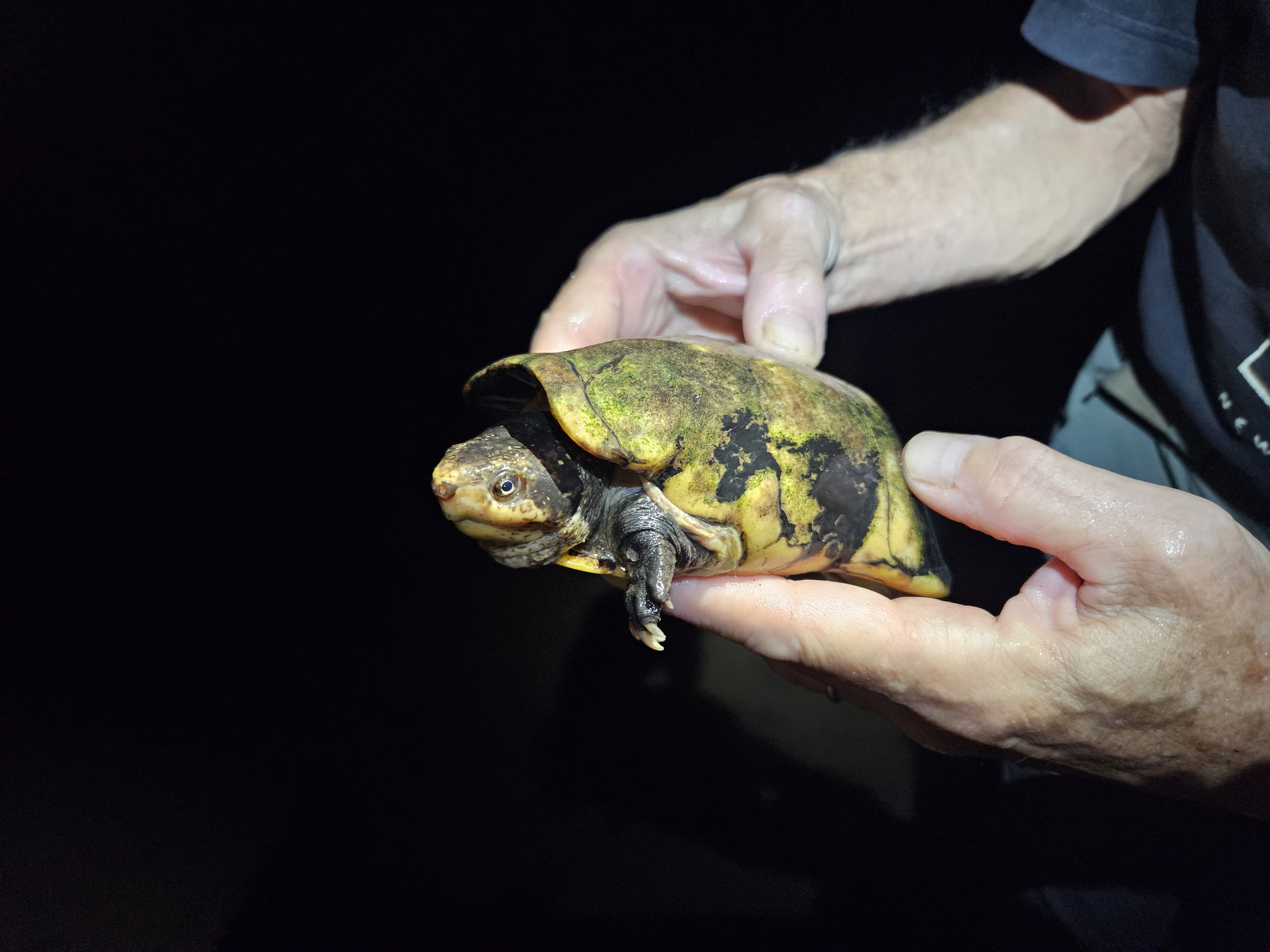
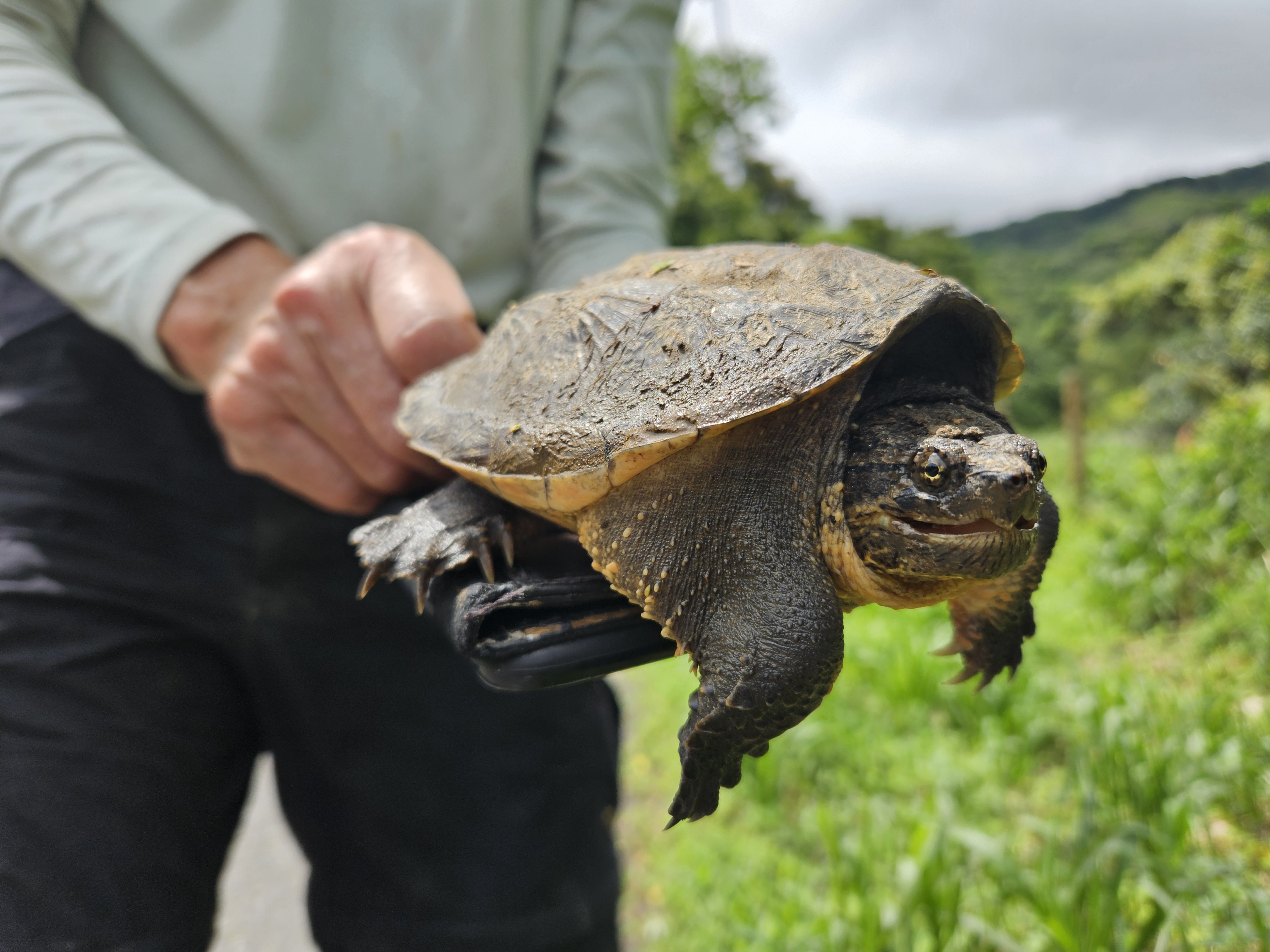


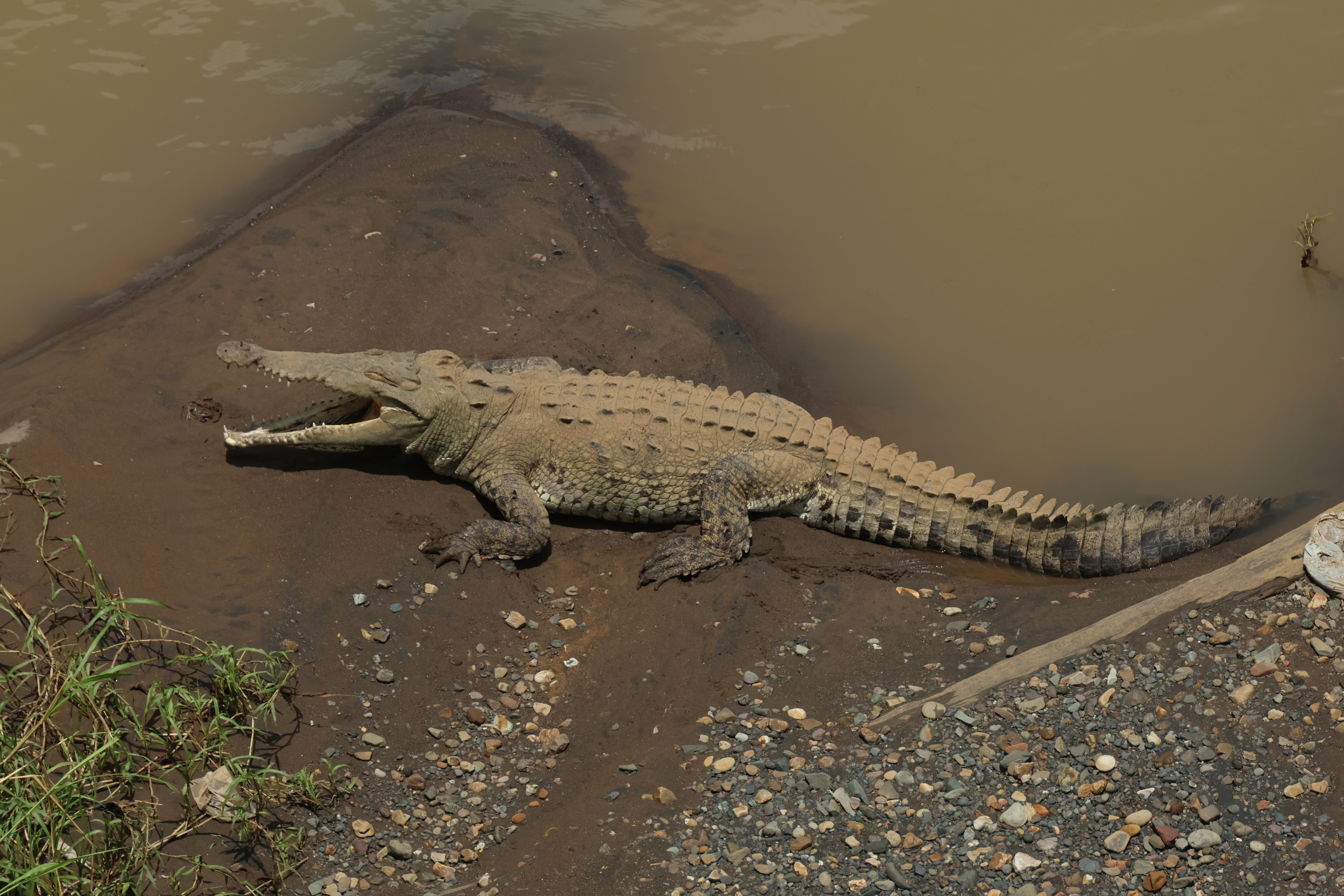
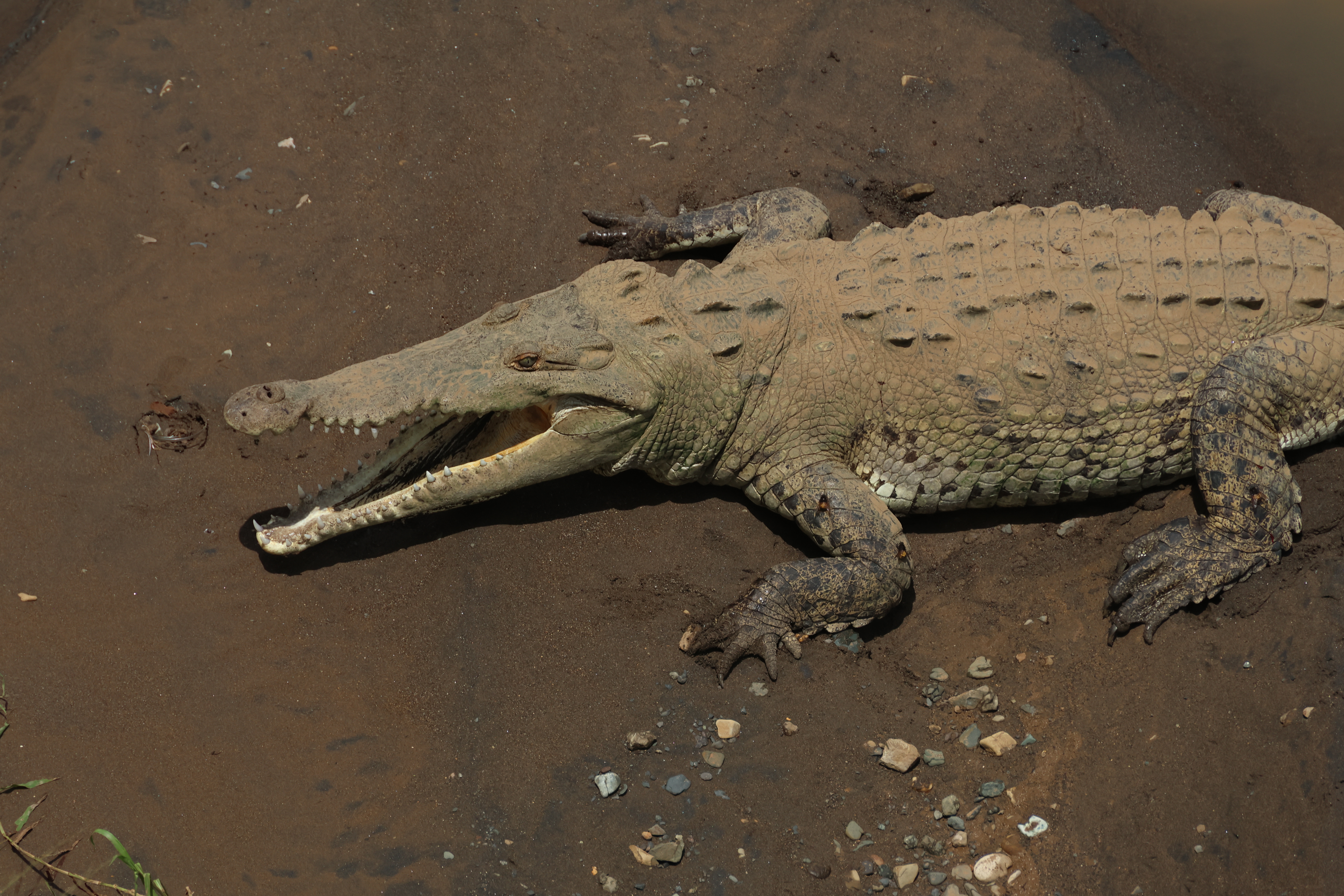
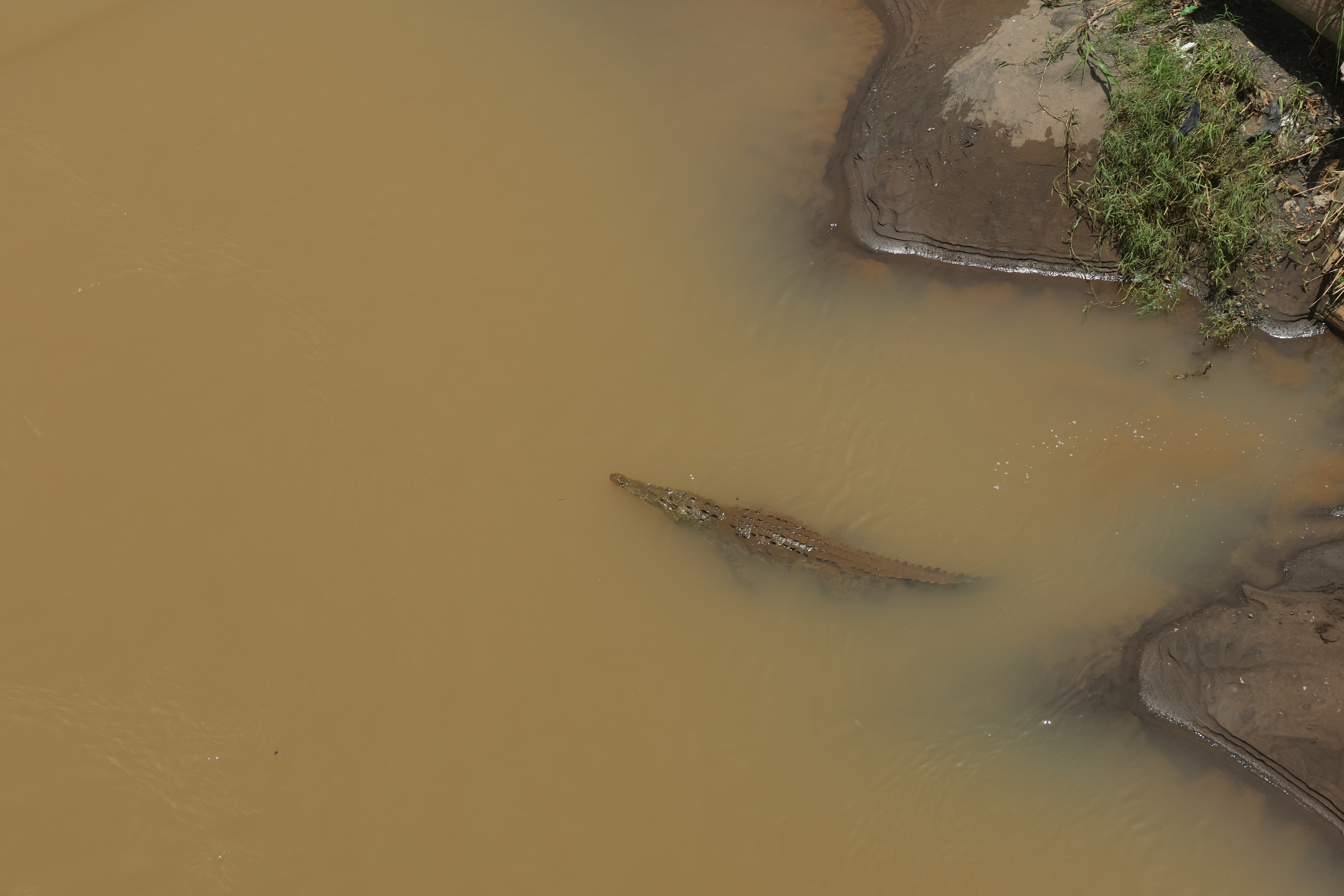

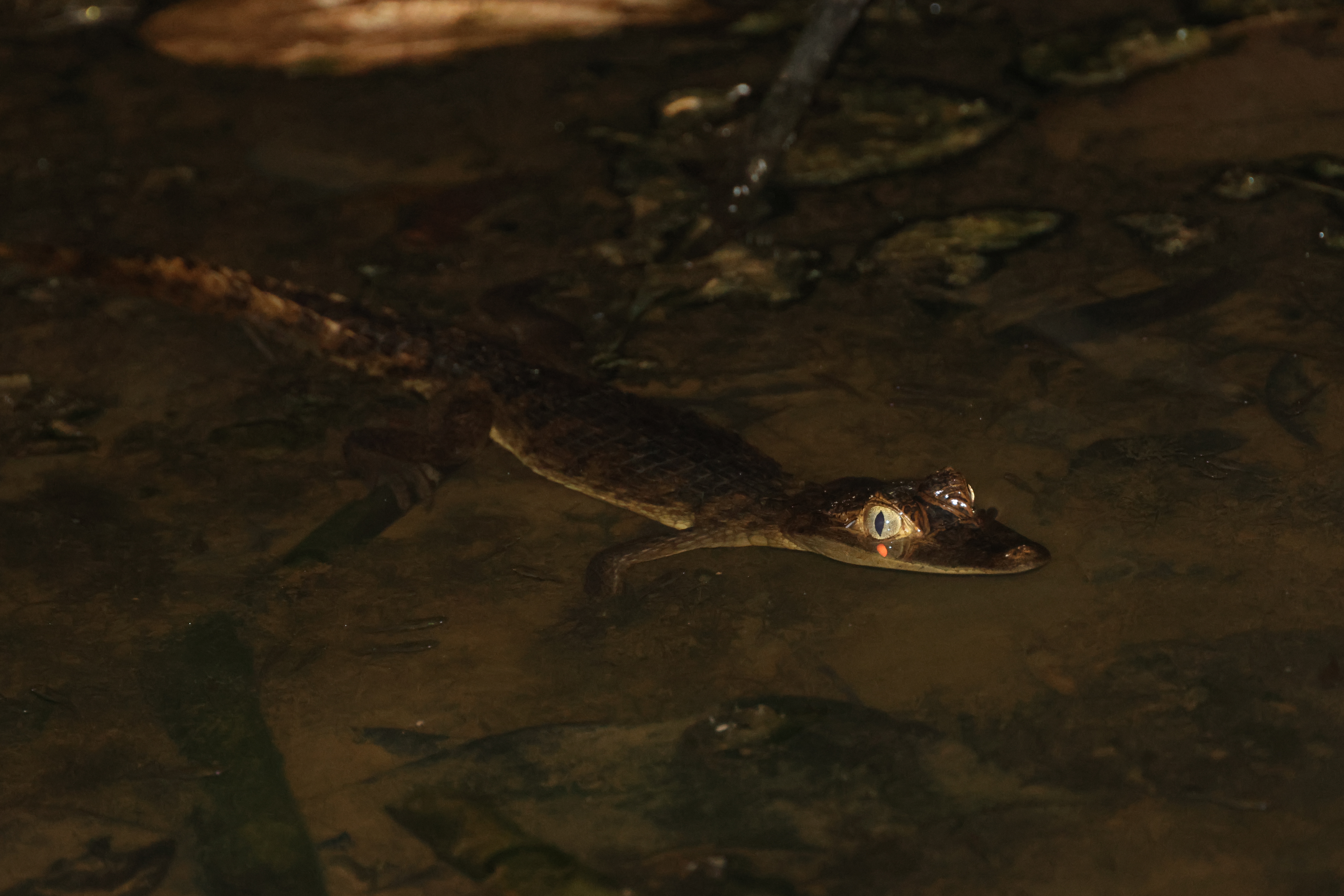

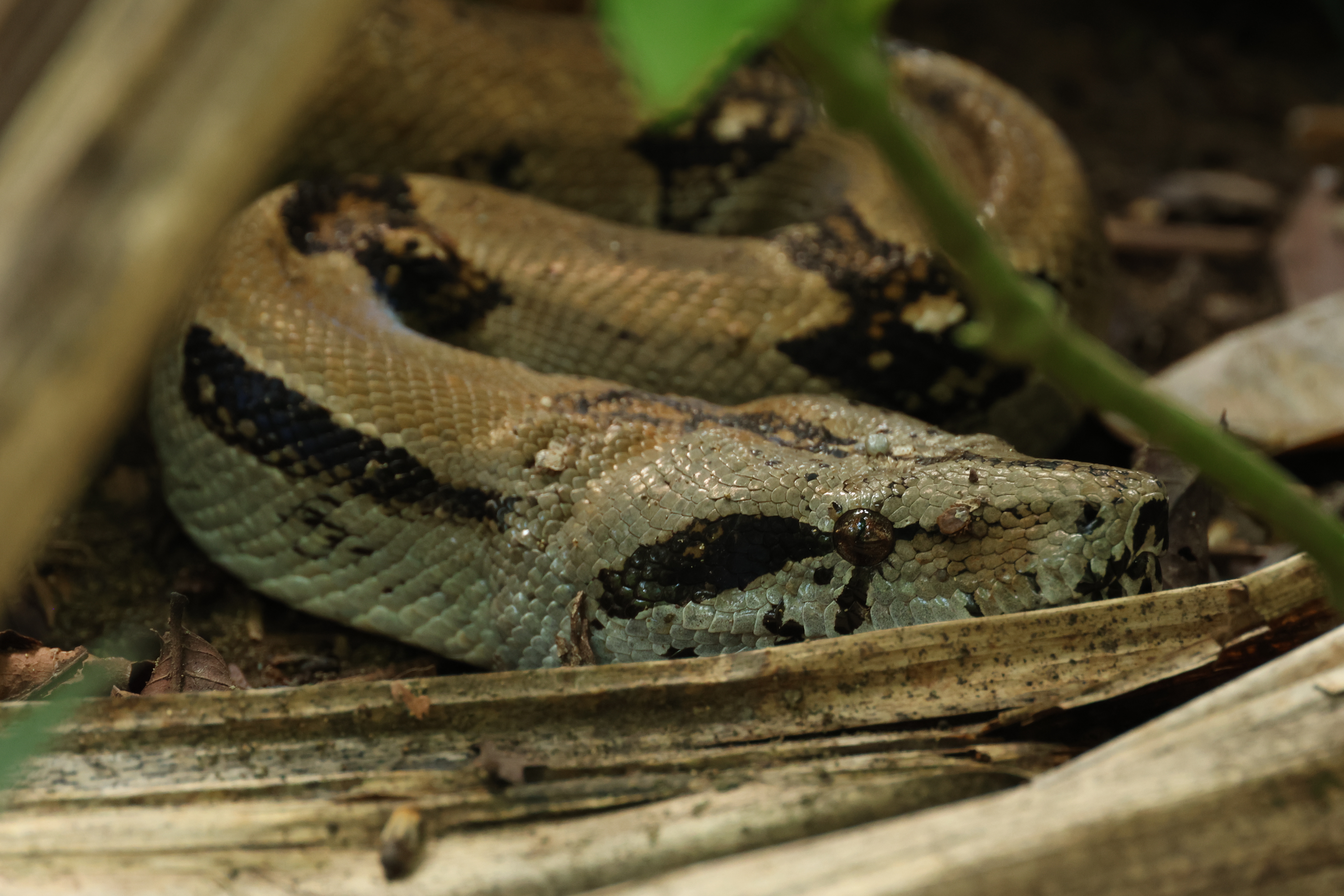
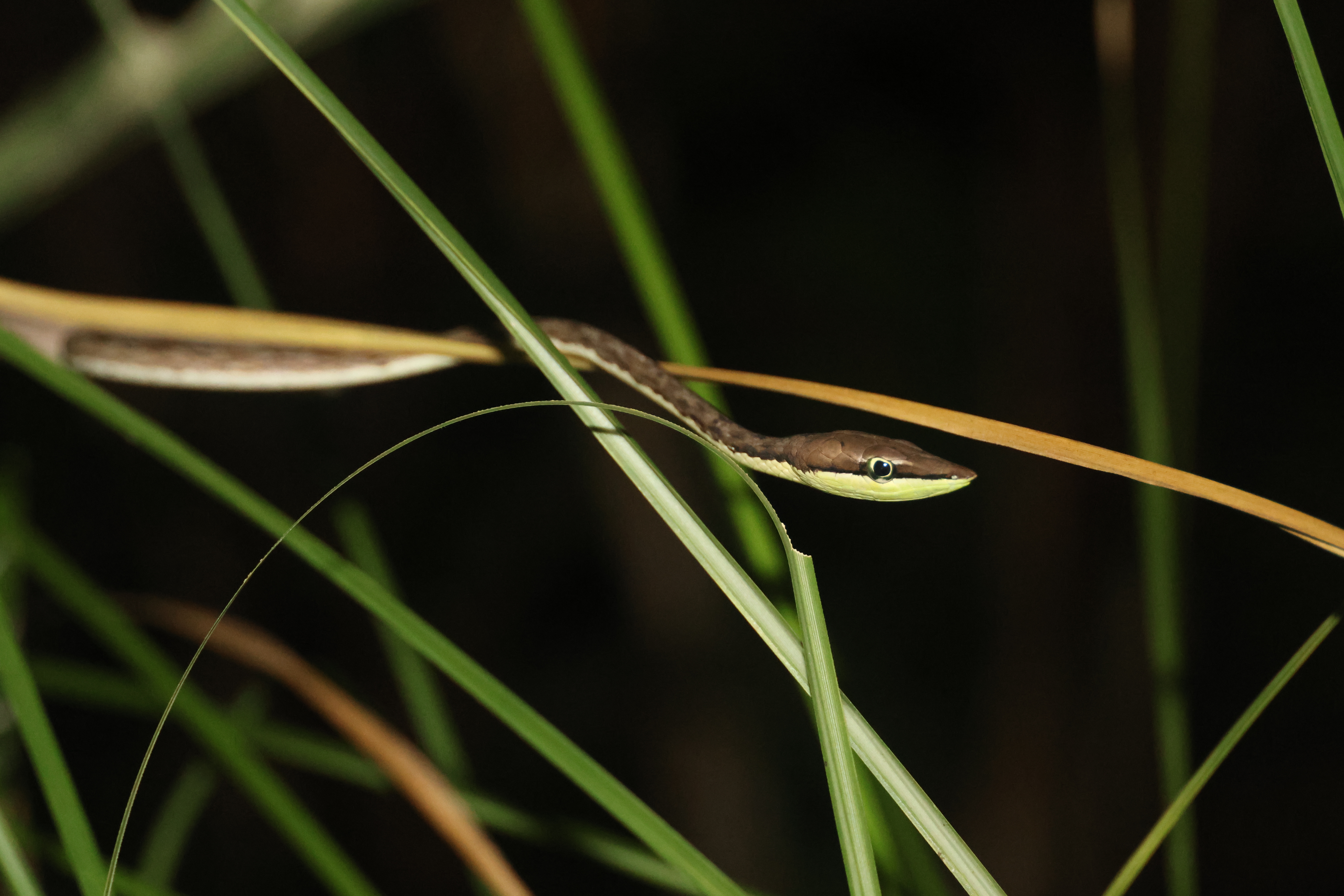

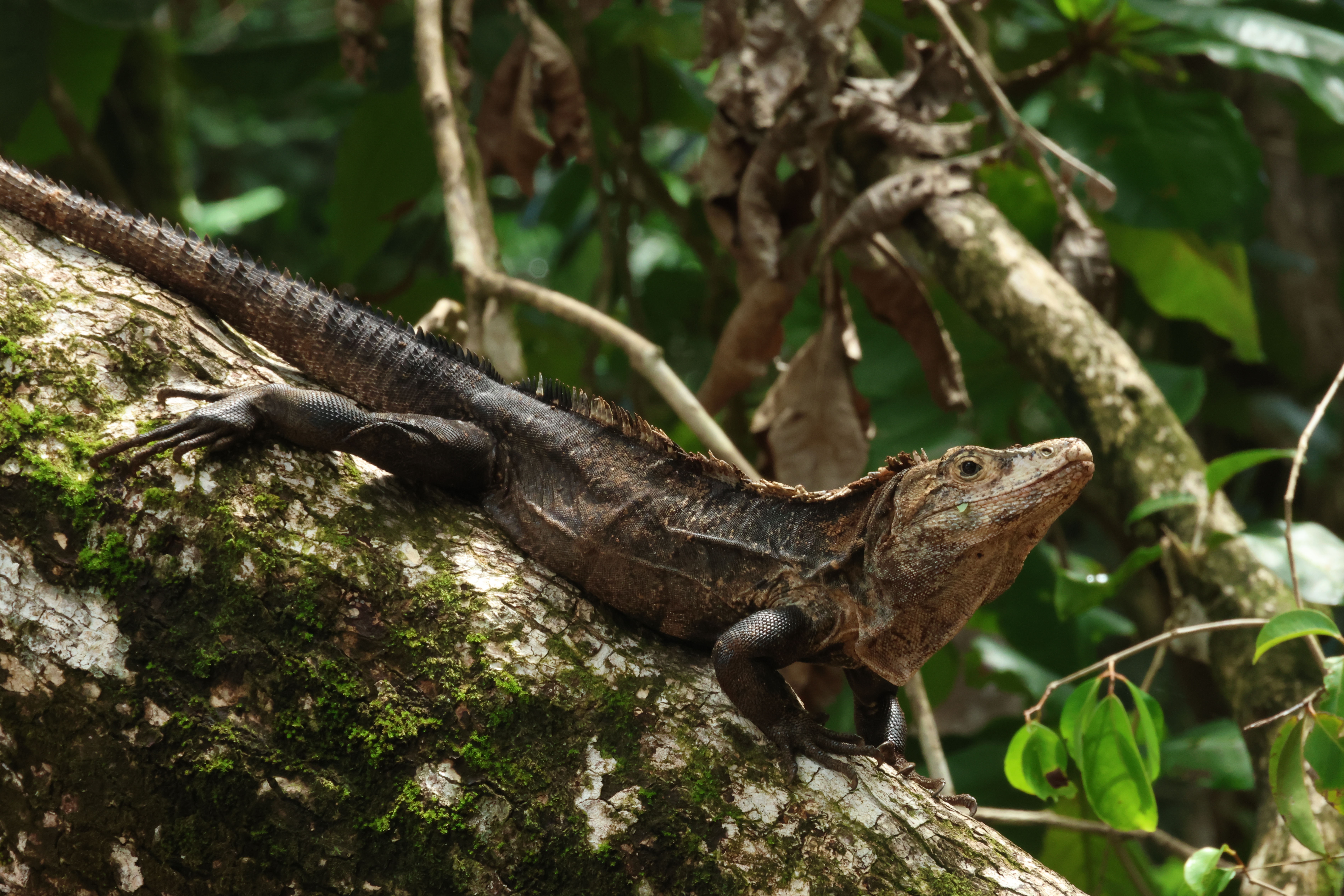


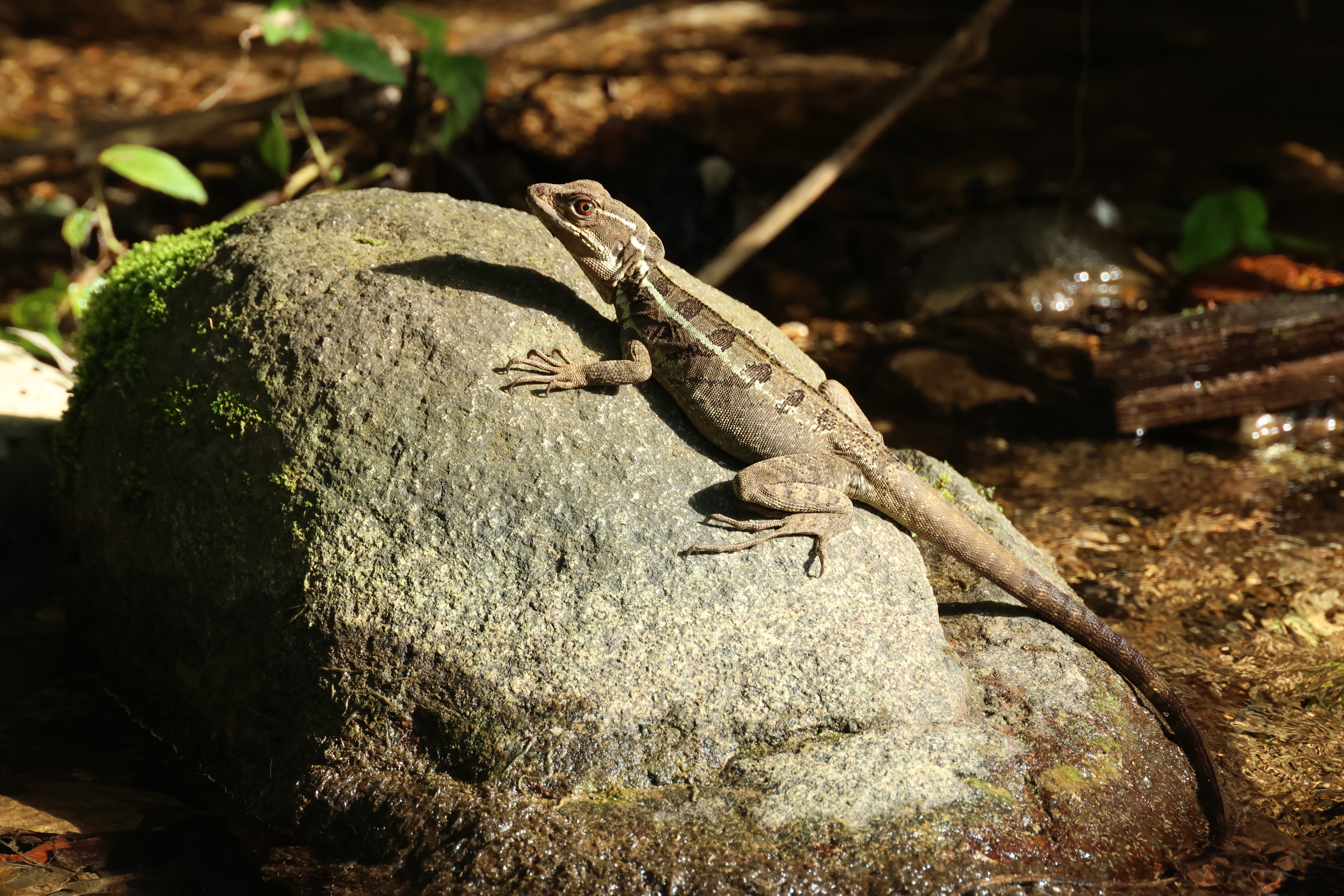
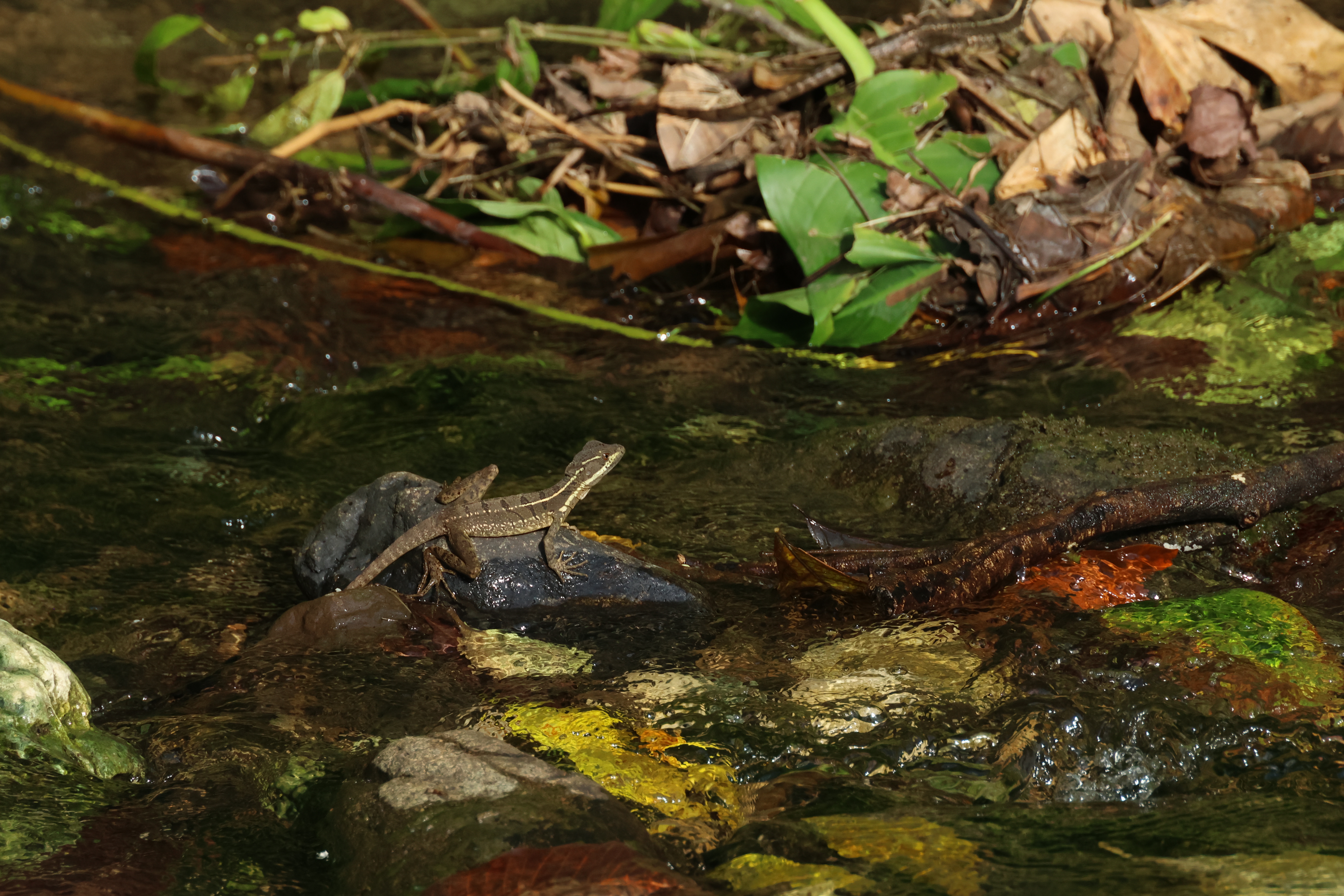
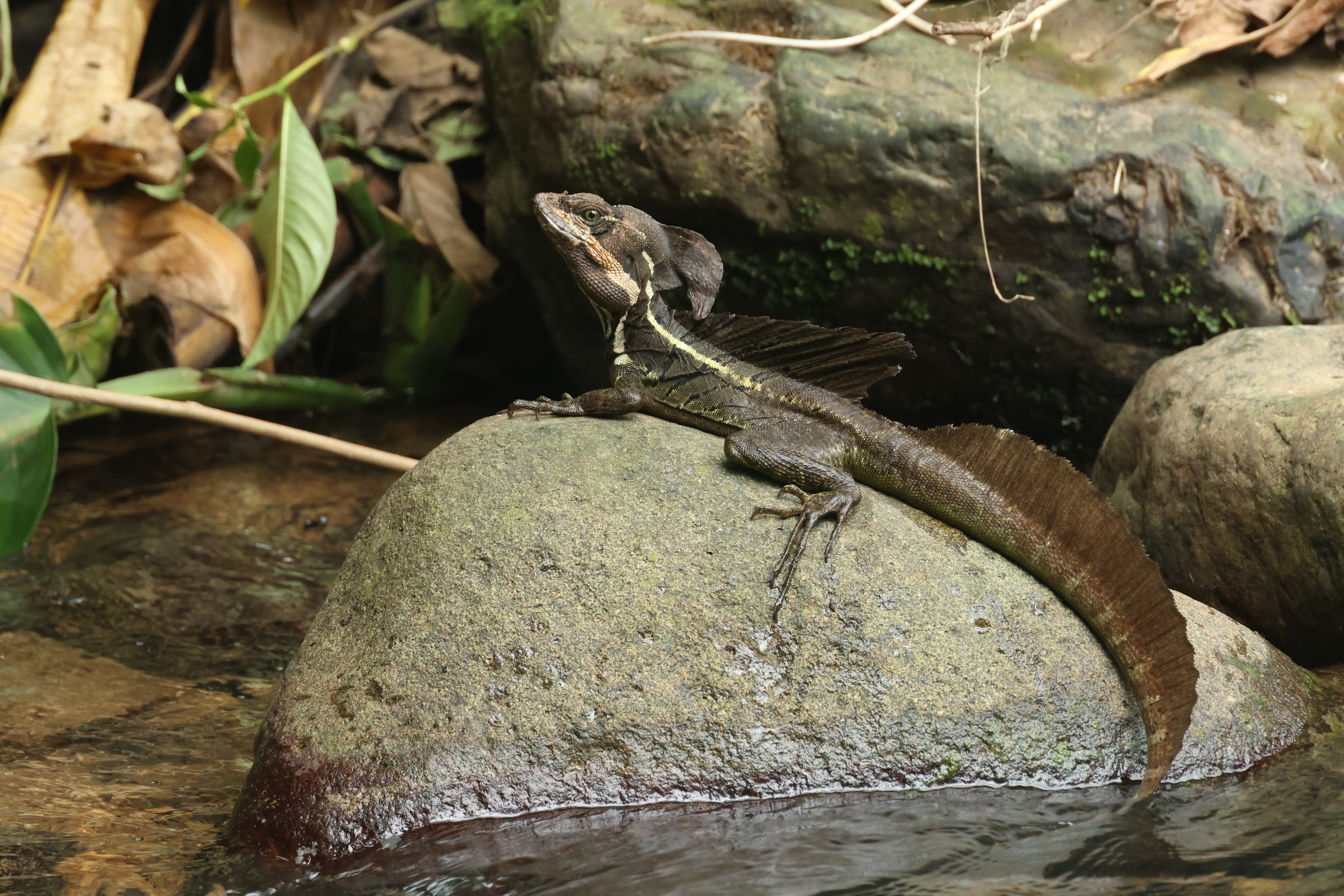
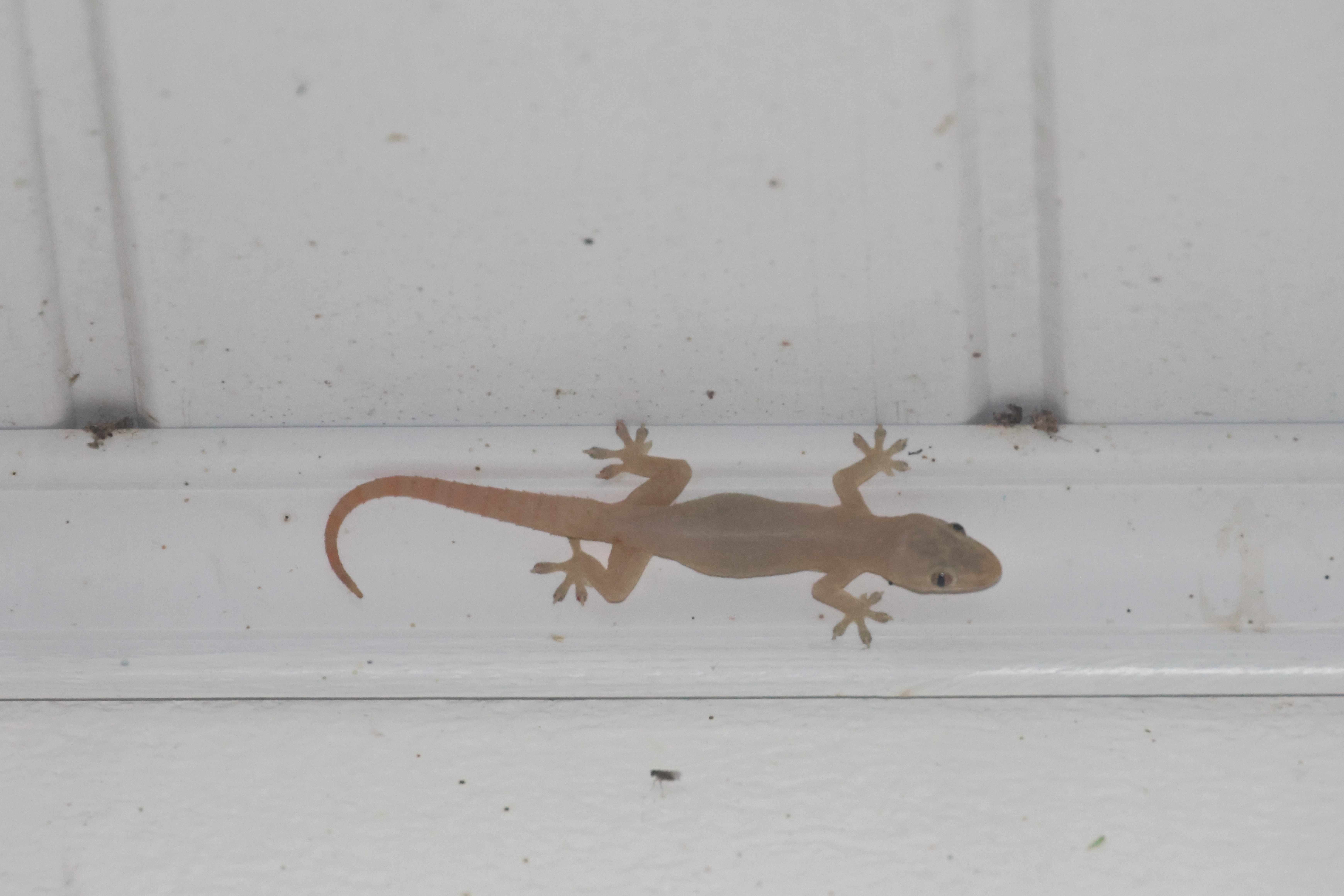

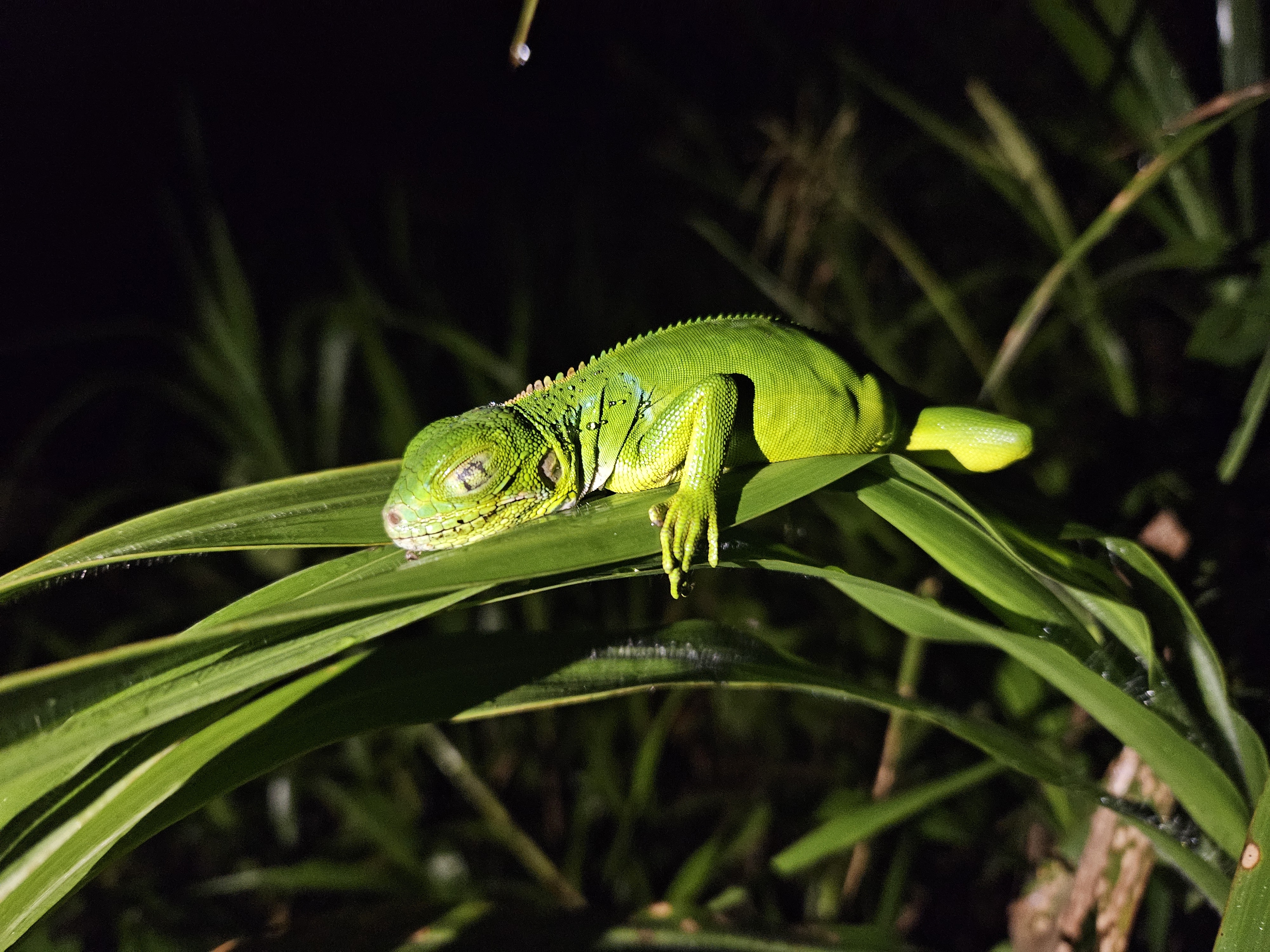

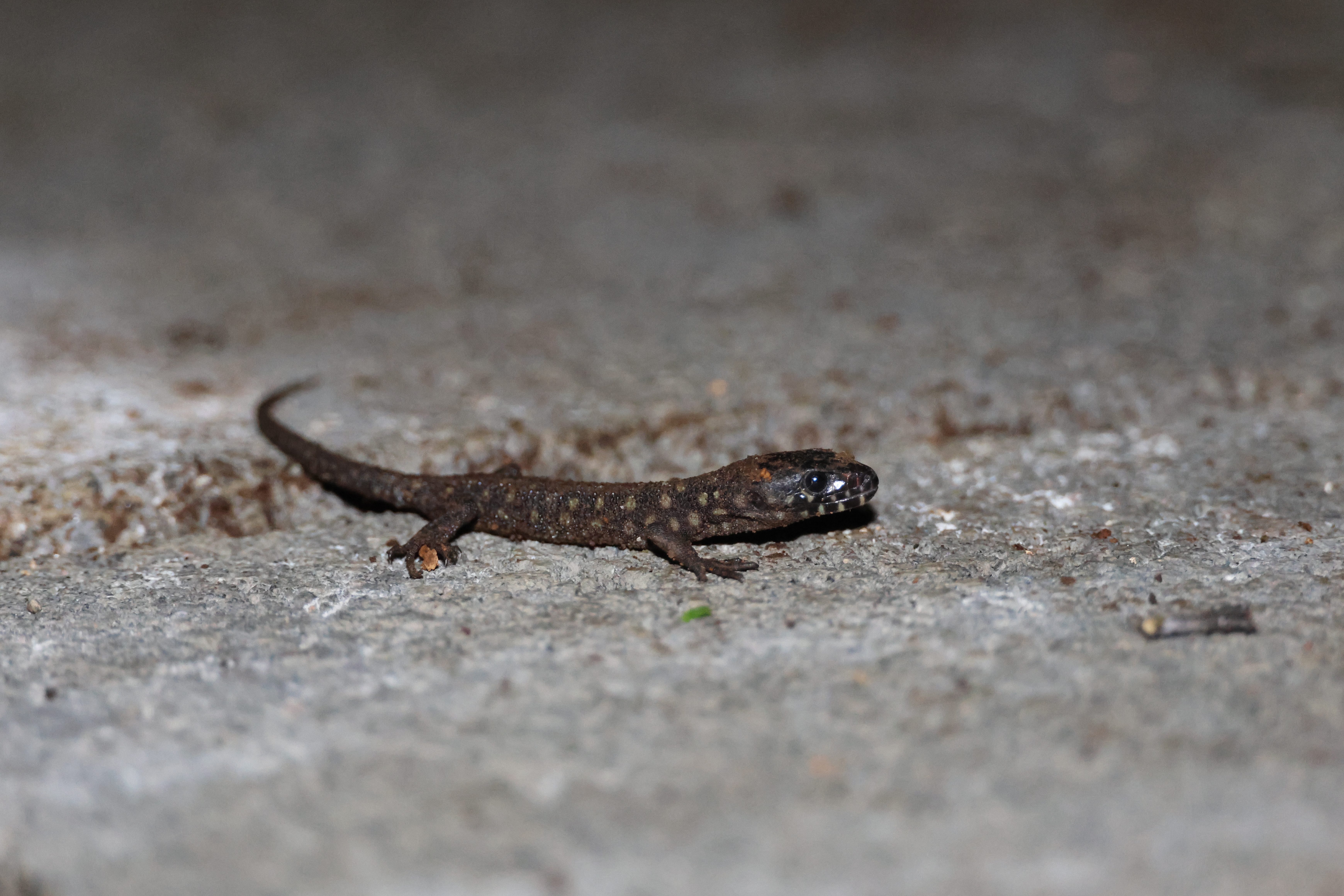
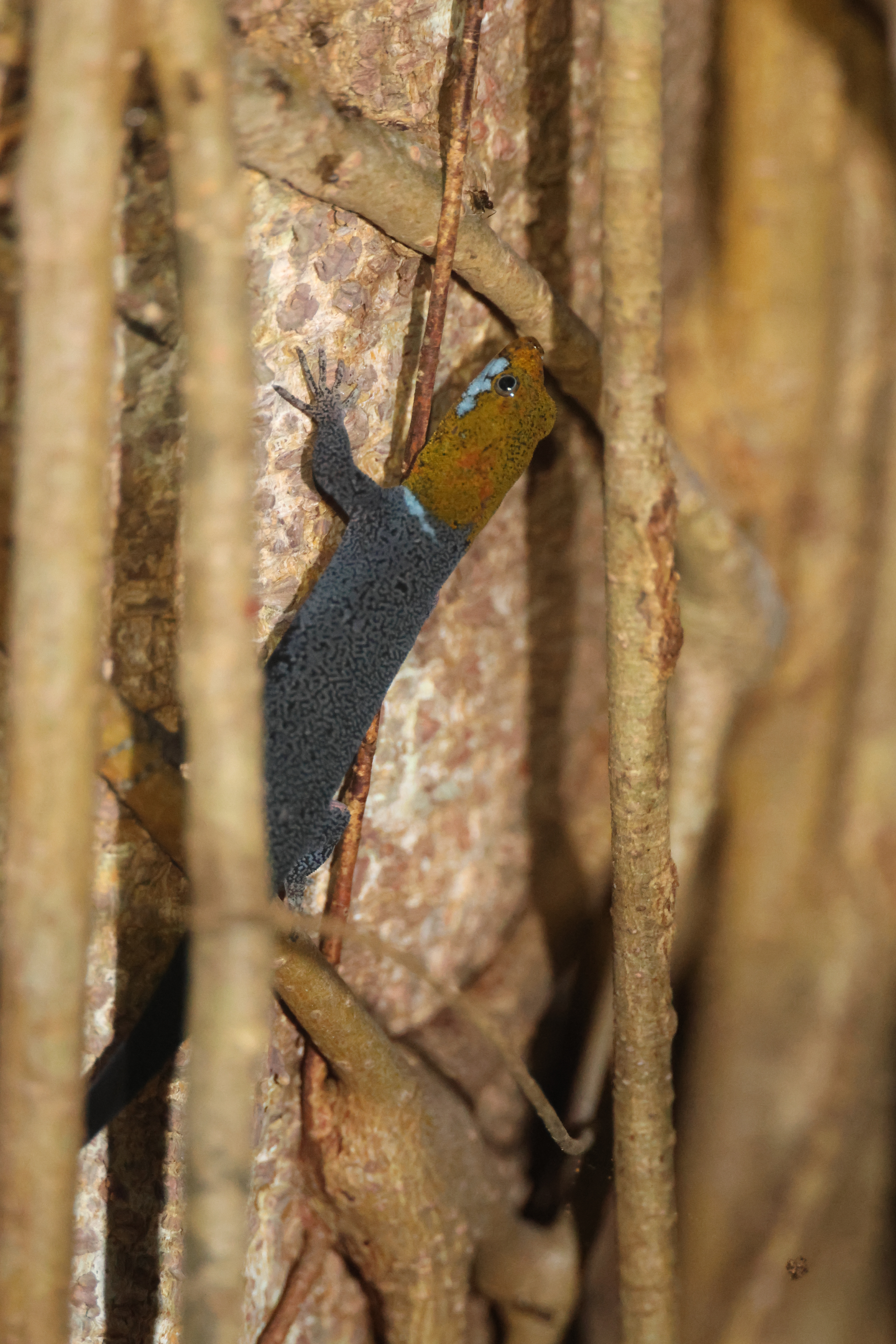
All the frog photos shown above were taken at night, save those of the Strawberry poison frog, and about half of the reptile photos were as well. If you want to see frogs (particularly in the tropics) your best bet is to explore at night, as most species are nocturnal. A good headlamp is important, and one can maximize ones chances by searching around waterbodies, particularly after it has rained.
 Reason and Nature
Thank you for another educational experience, Reason and Nature! Excellent photography!
LikeLiked by 1 person