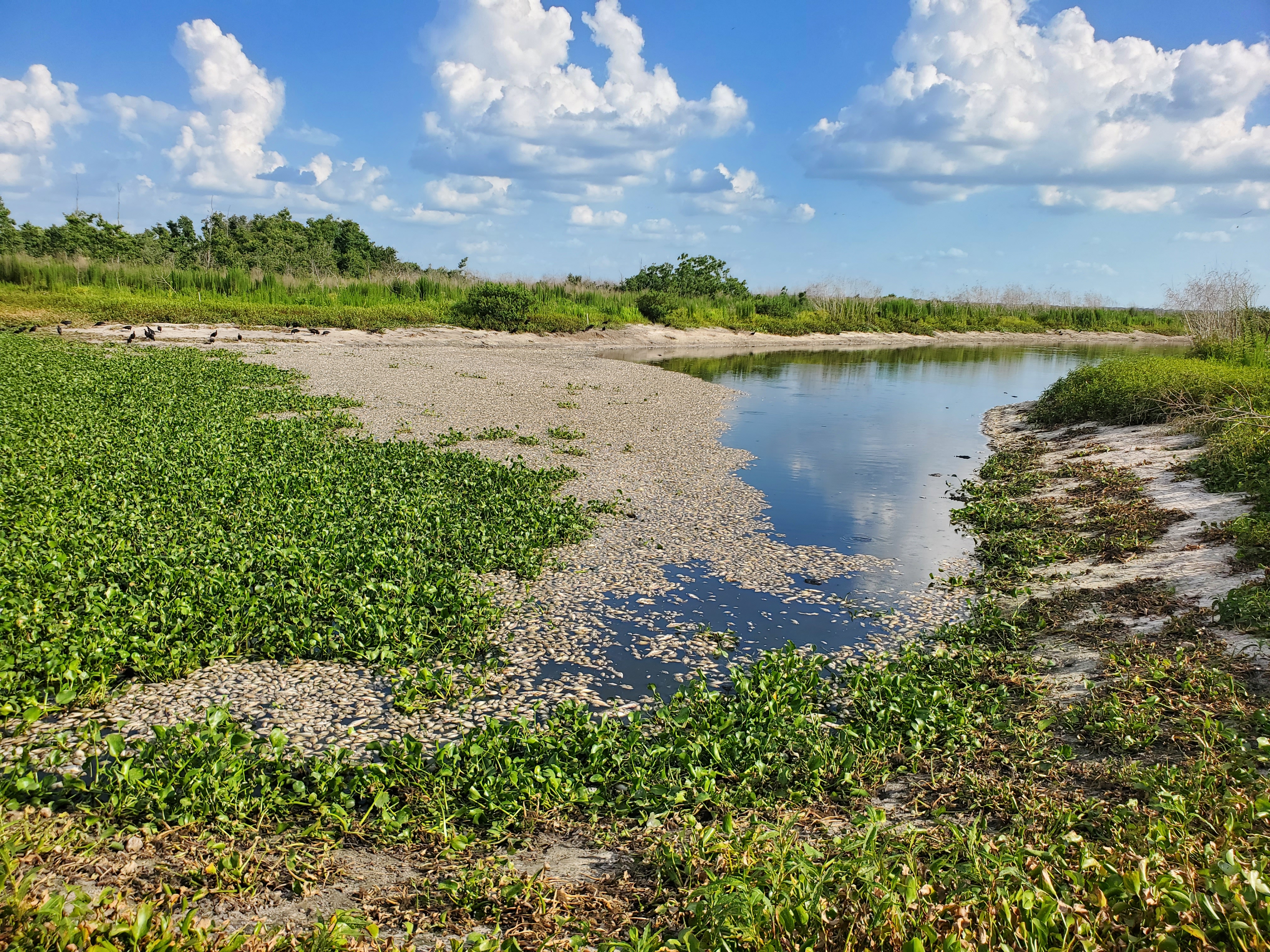
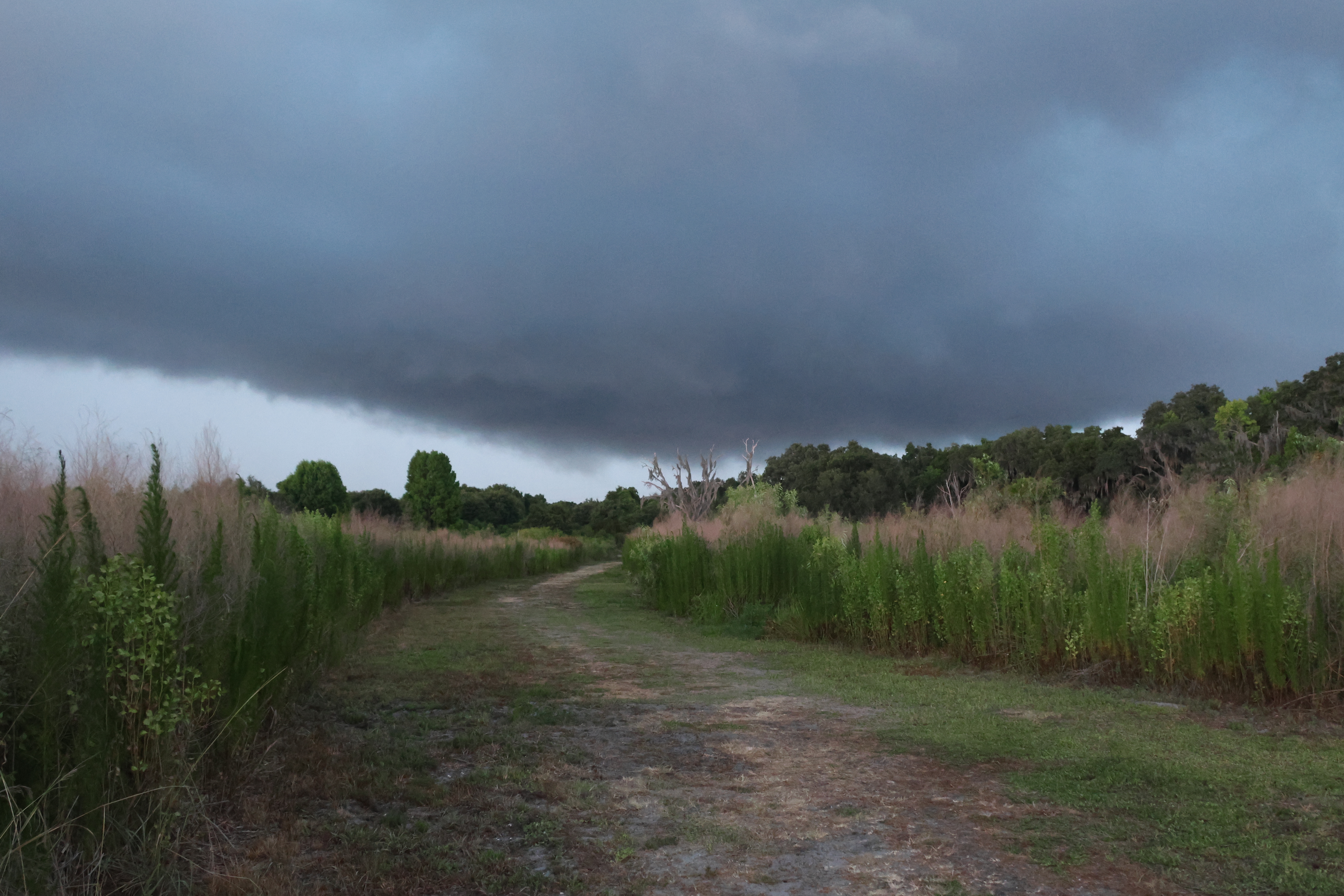
Florida and prairie are two words not typically associated with each other. Yet, just outside Gainesville, in north central Florida is a 21,000 acre prairie where wild horses and bison roam. This prairie is unlike those of the U.S. central plains in that much of it is flooded and it is home to abundant alligators. Here, life is governed by the seasonal cycles of rainfall and temperature. In late May and early June of this year it was both dry and hot. This caused the water-level from the flooded portions of the prairie to drop considerably and drain to Alachua sink (the lowest elevation point in the area, akin to a drain plug). As a result, massive numbers of fish, formerly spread across this vast flooded prairie, were funneled through a narrow corridor into a relatively small basin. This initially provided the resident alligator population with fertile hunting grounds. As water levels continued to drop there was extreme fish overcrowding, hypoxia, and a massive fish die off. This provided a feast for the alligators and birds, demonstrating that in nature life springs from death and nothing goes to waste.
A nature trail (La Chua trail) passes directly by Alachua sink in Payne’s Prairie State Park. I spent at least an hour each evening for 17 consecutive days (May 26 – June 12, 2024) documenting these events with 1000s of photos and 100s of videos. I believe the images I have selected below capture the essence of this remarkable natural phenomenon.
Background on Payne’s Prairie
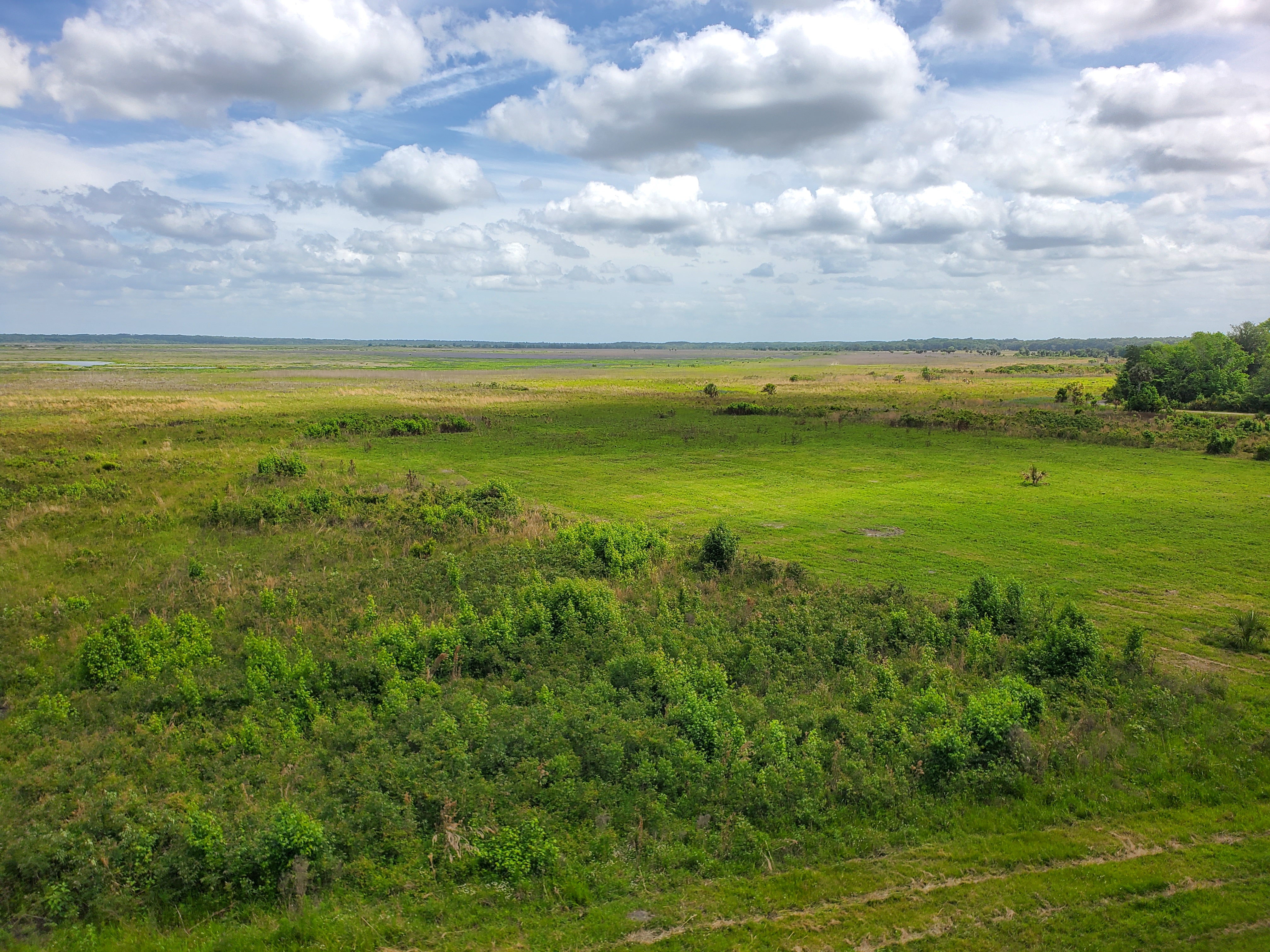

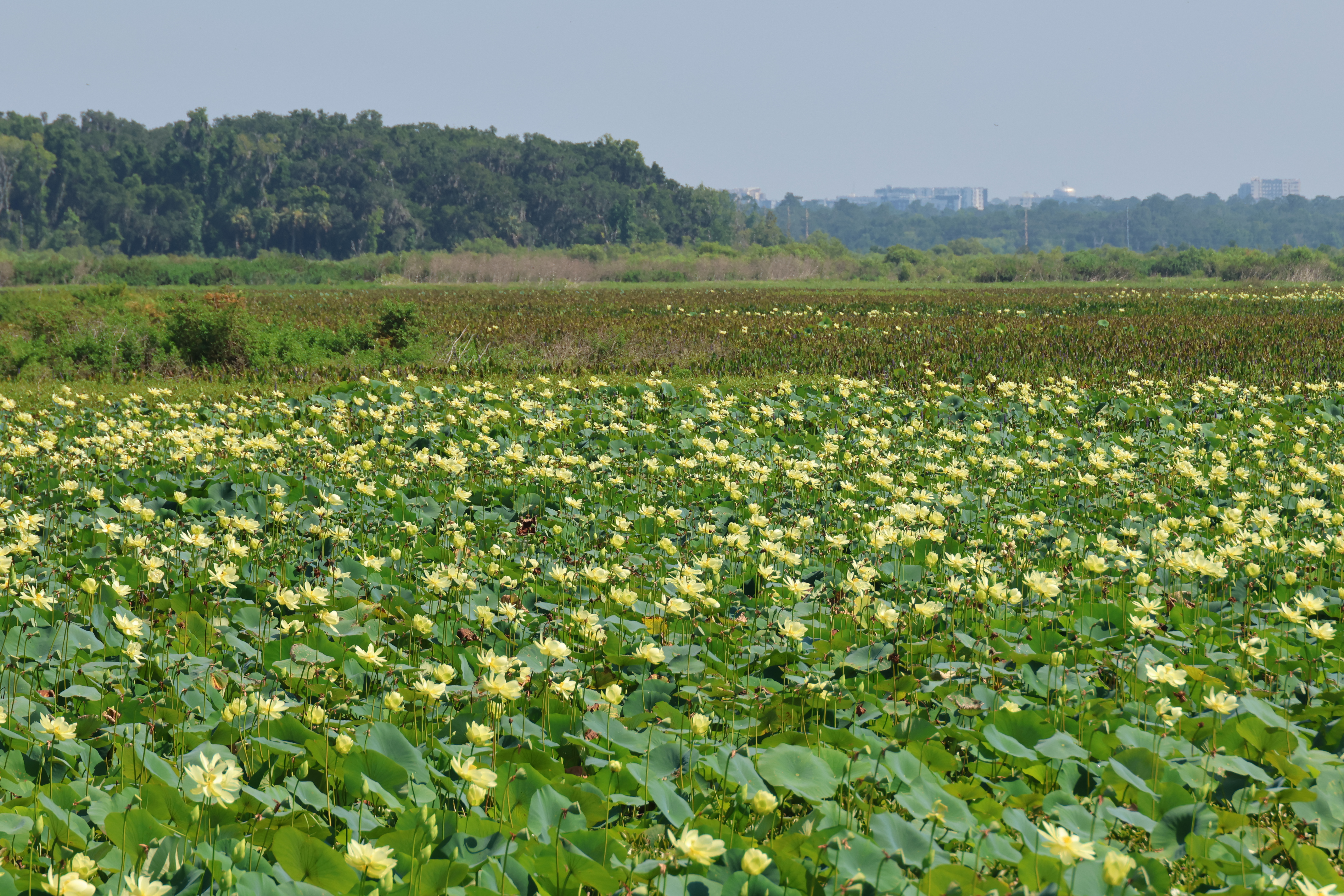

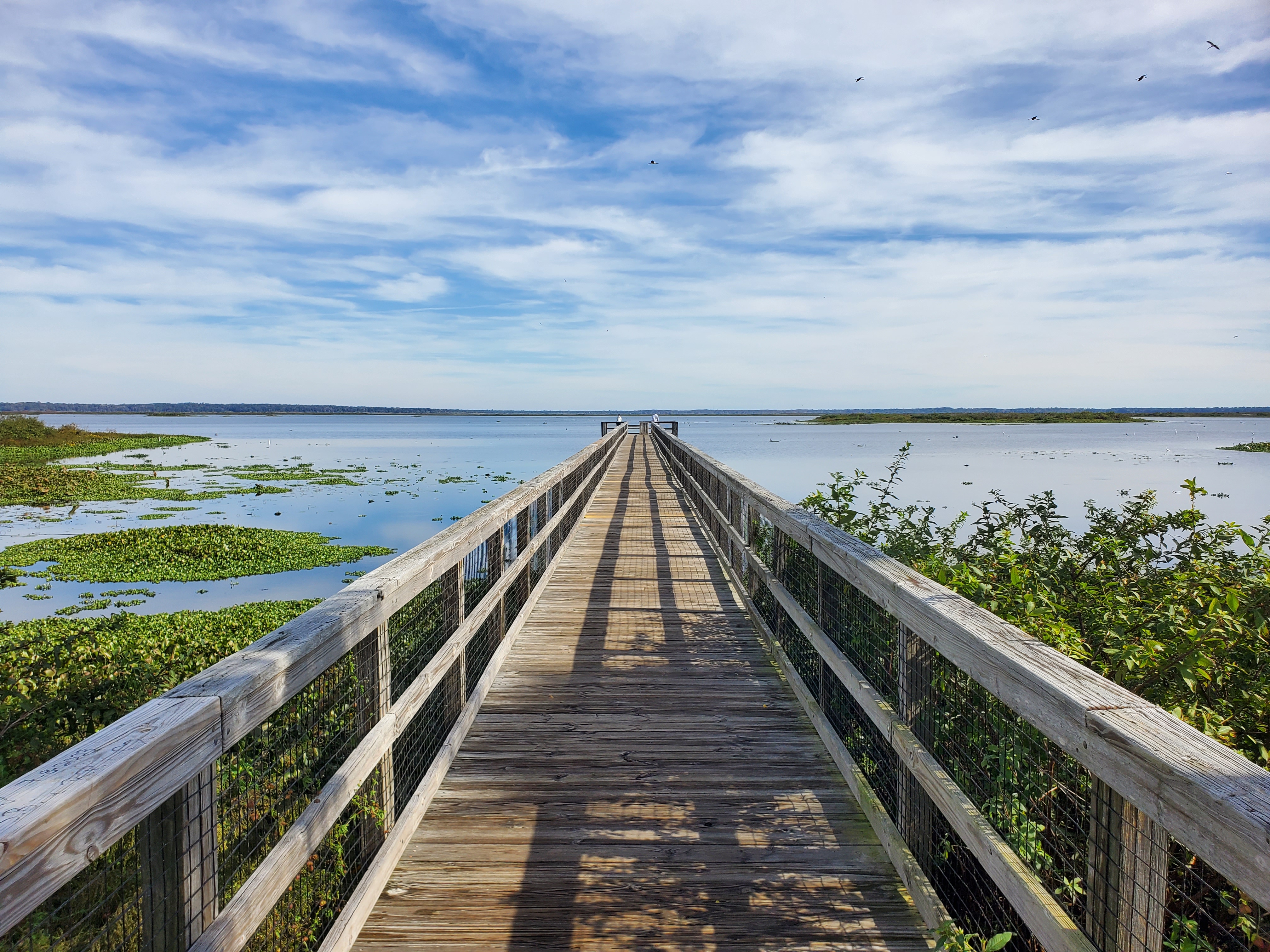

Payne’s Prairie from different vantage points and at different times of the year. Portions of this Prairie are flooded, but the water level fluctuates greatly depending upon seasonal temperatures and rainfall levels. Click to enlarge photos and open gallery view.


All the photos that follow were taken from May 26 – June 12, 2024 from the La Chua trail in Payne’s Prairie State Park. Click to enlarge photos and open the gallery view.
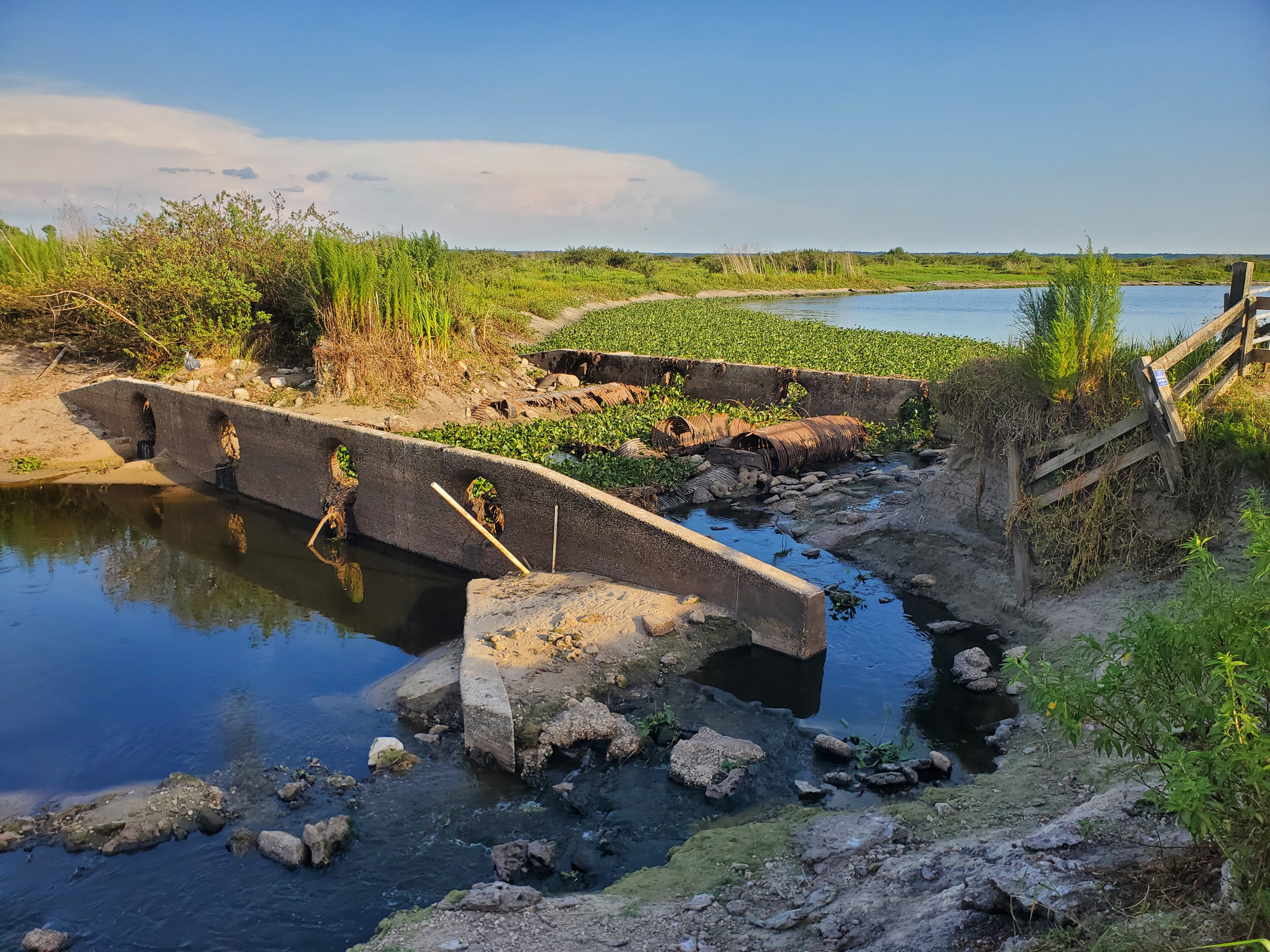
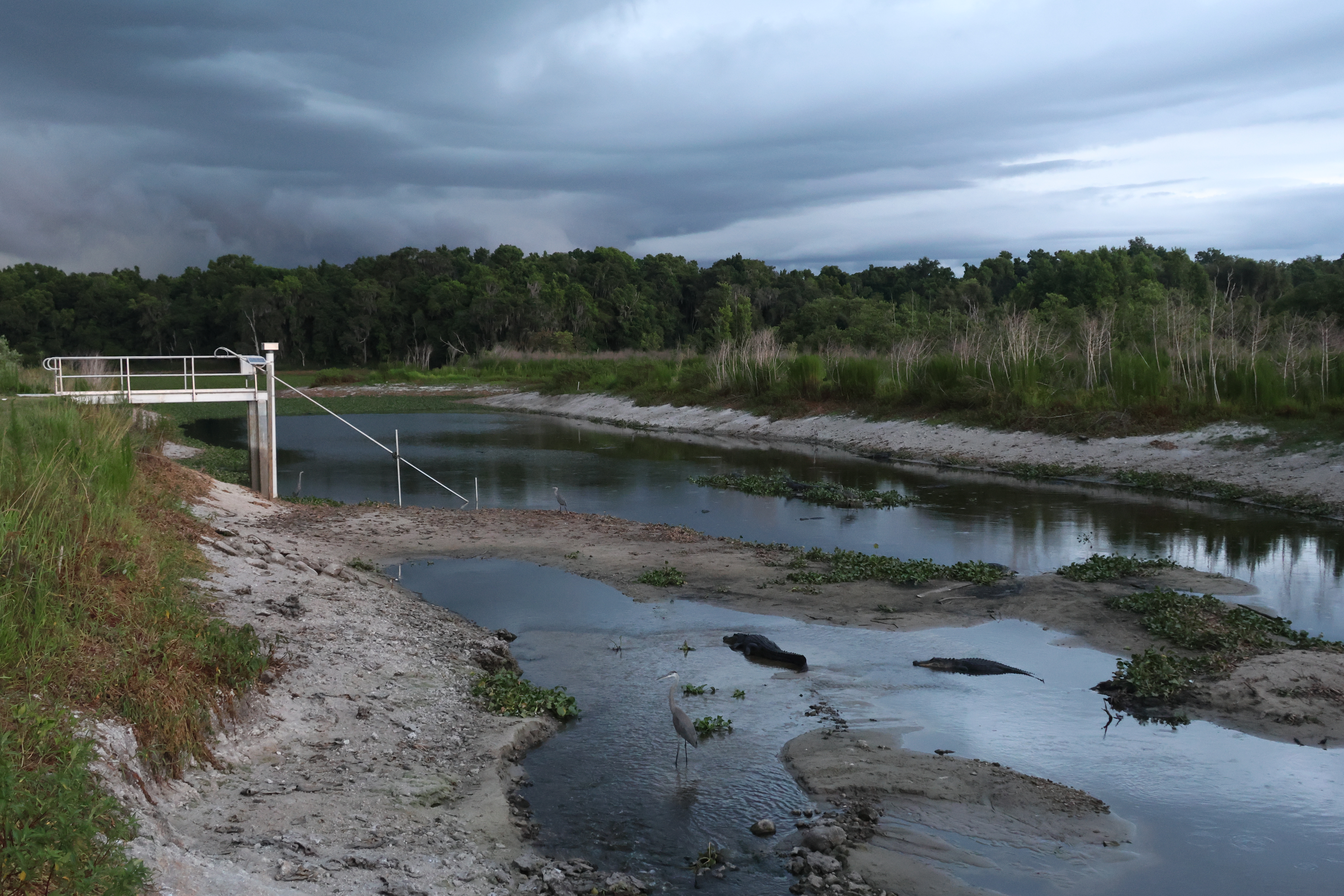
A now defunct water control structure acts as a bottleneck through which fish are funnelled when water levels on the flooded prairie drop. At other times of the year this structure is completely covered by water and therefore not visible. When water levels are low, this structure provides an advantageous ambush point for alligators. The alligators position themselves open-mouthed into the current and wait patiently for fish.

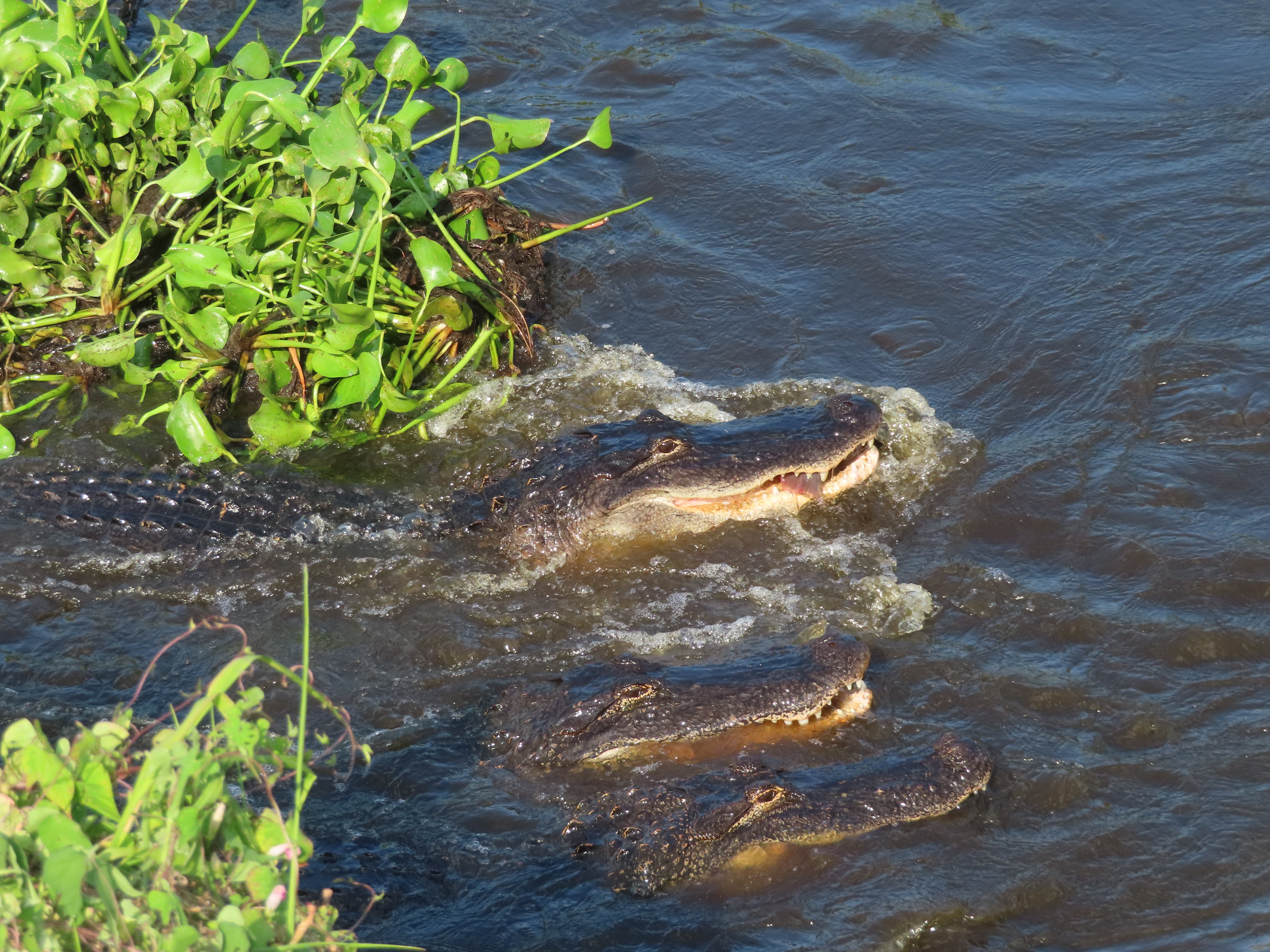

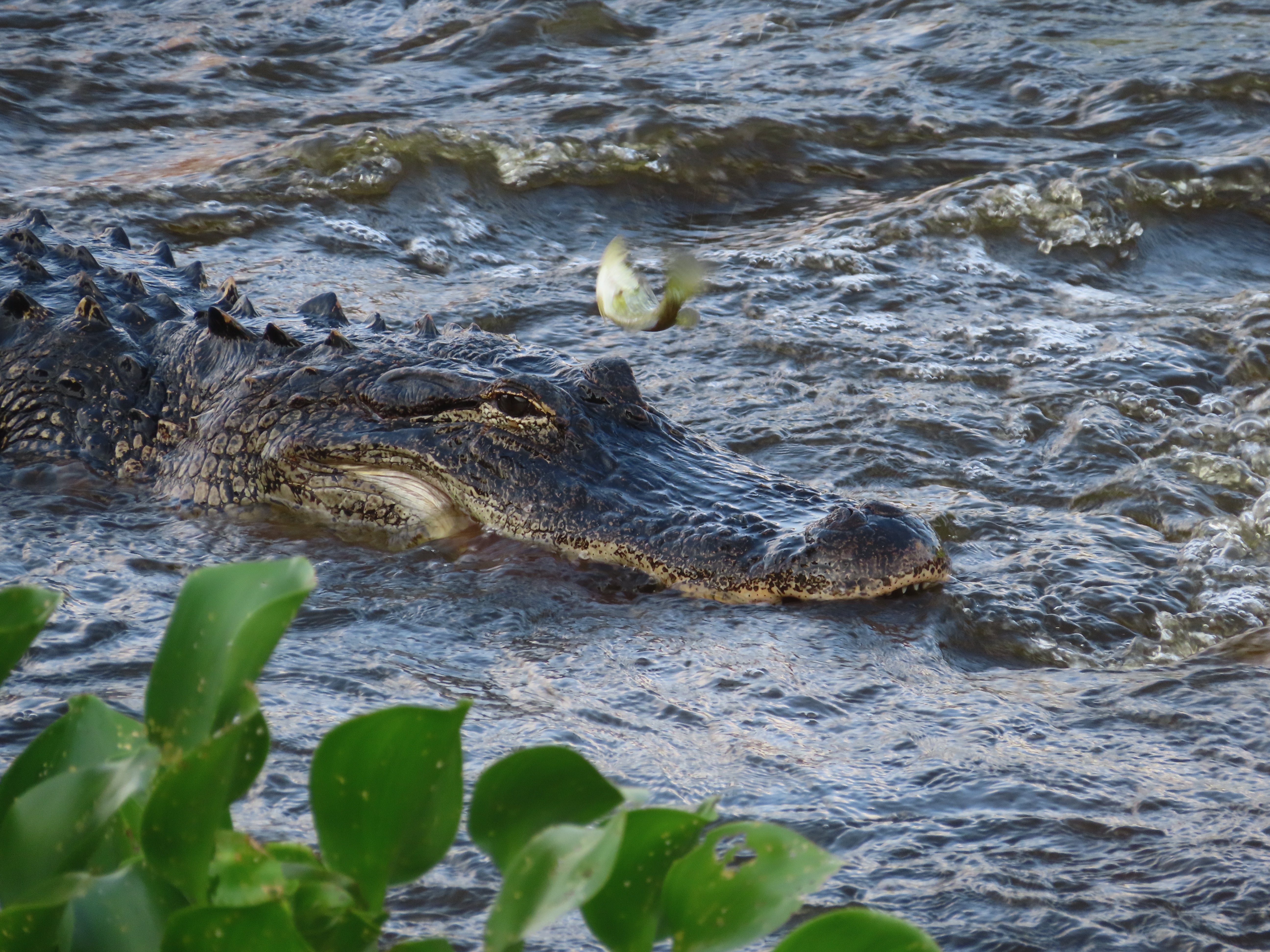
The alligators feed upon black crappie, Florida gar, brown hoplo, and blue tilapia, among other species.
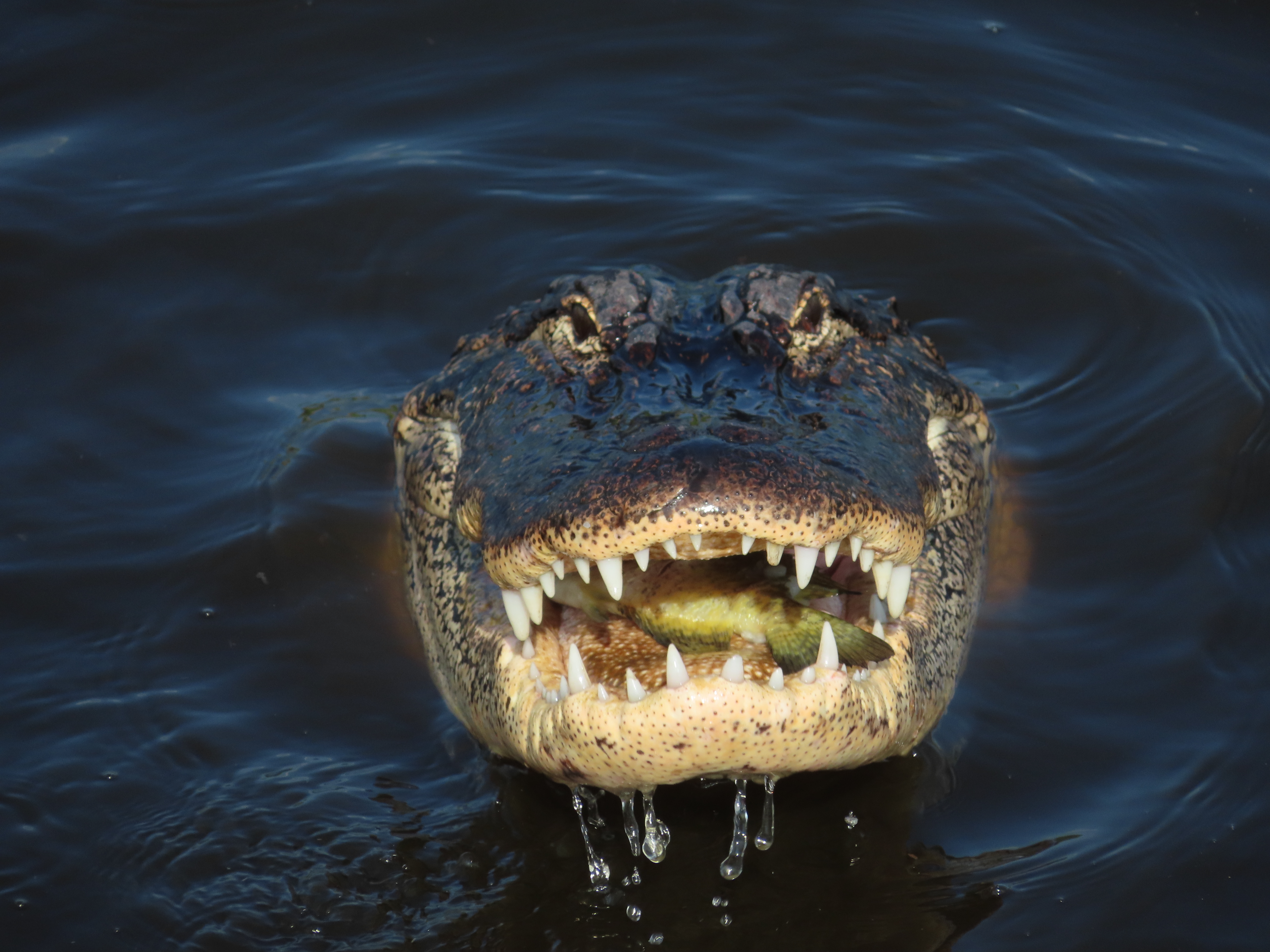


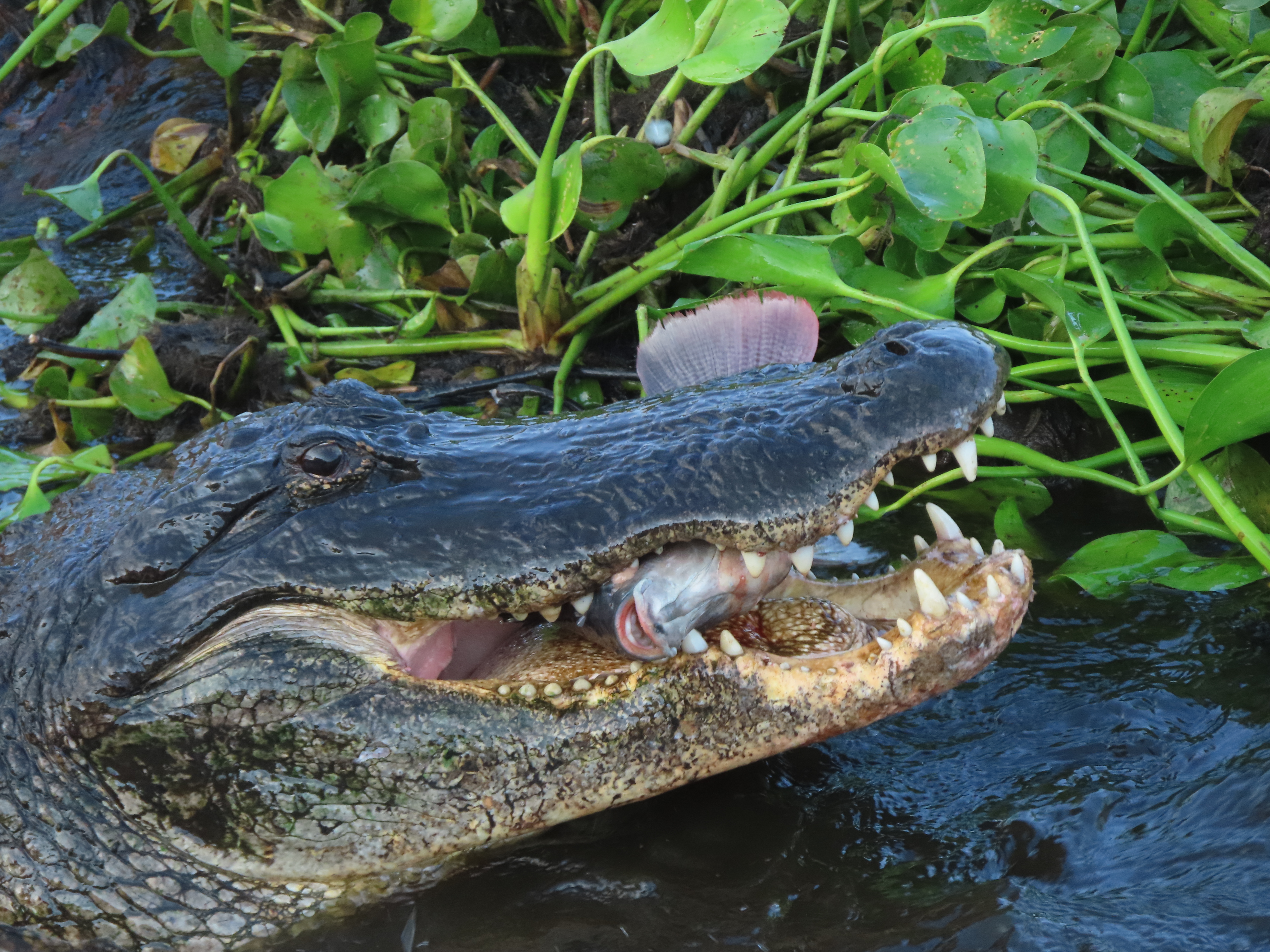
The combination of low water levels, high heat, and fish overcrowding leads to hypoxic conditions resulting in a massive fish die off.

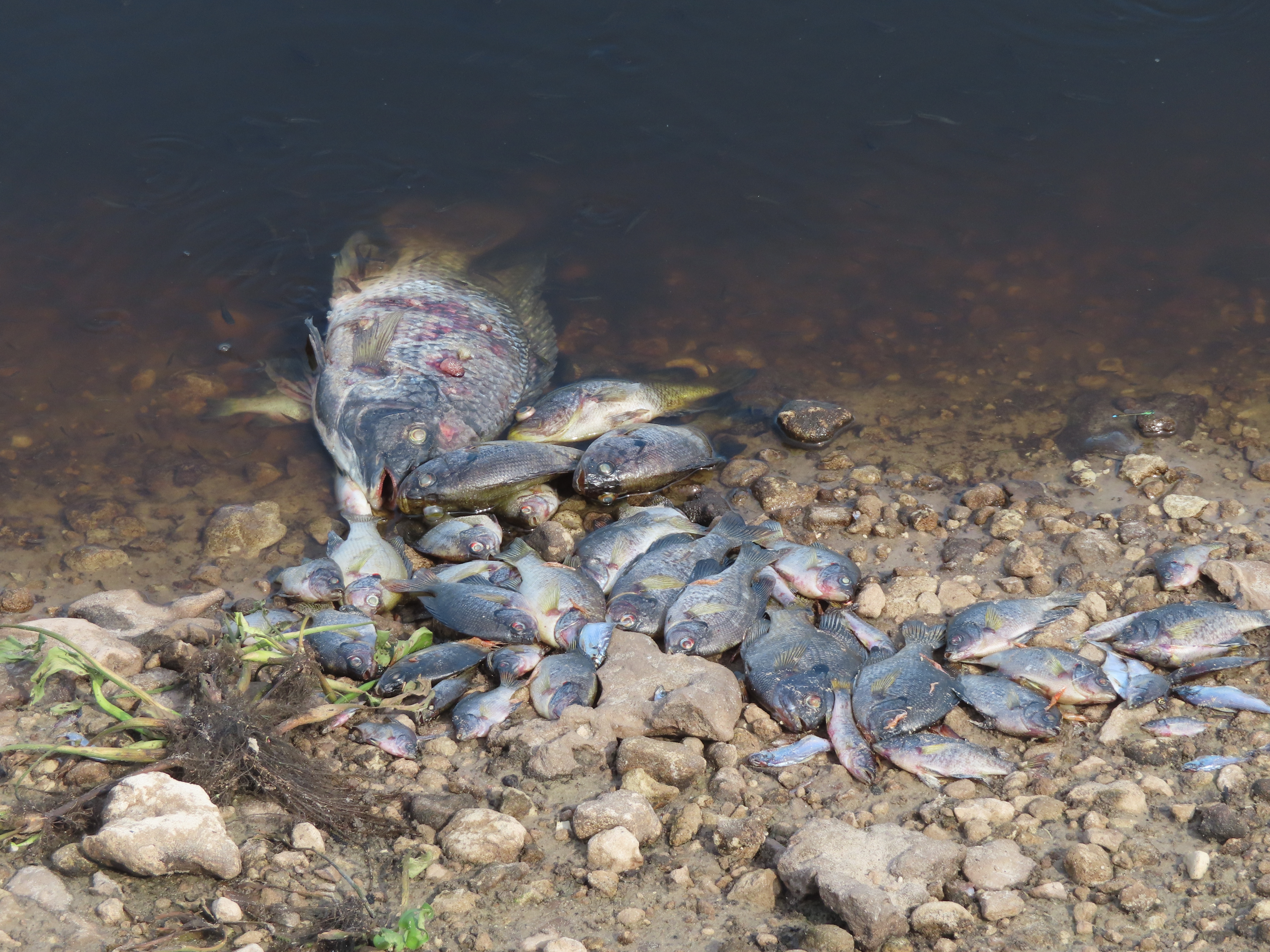
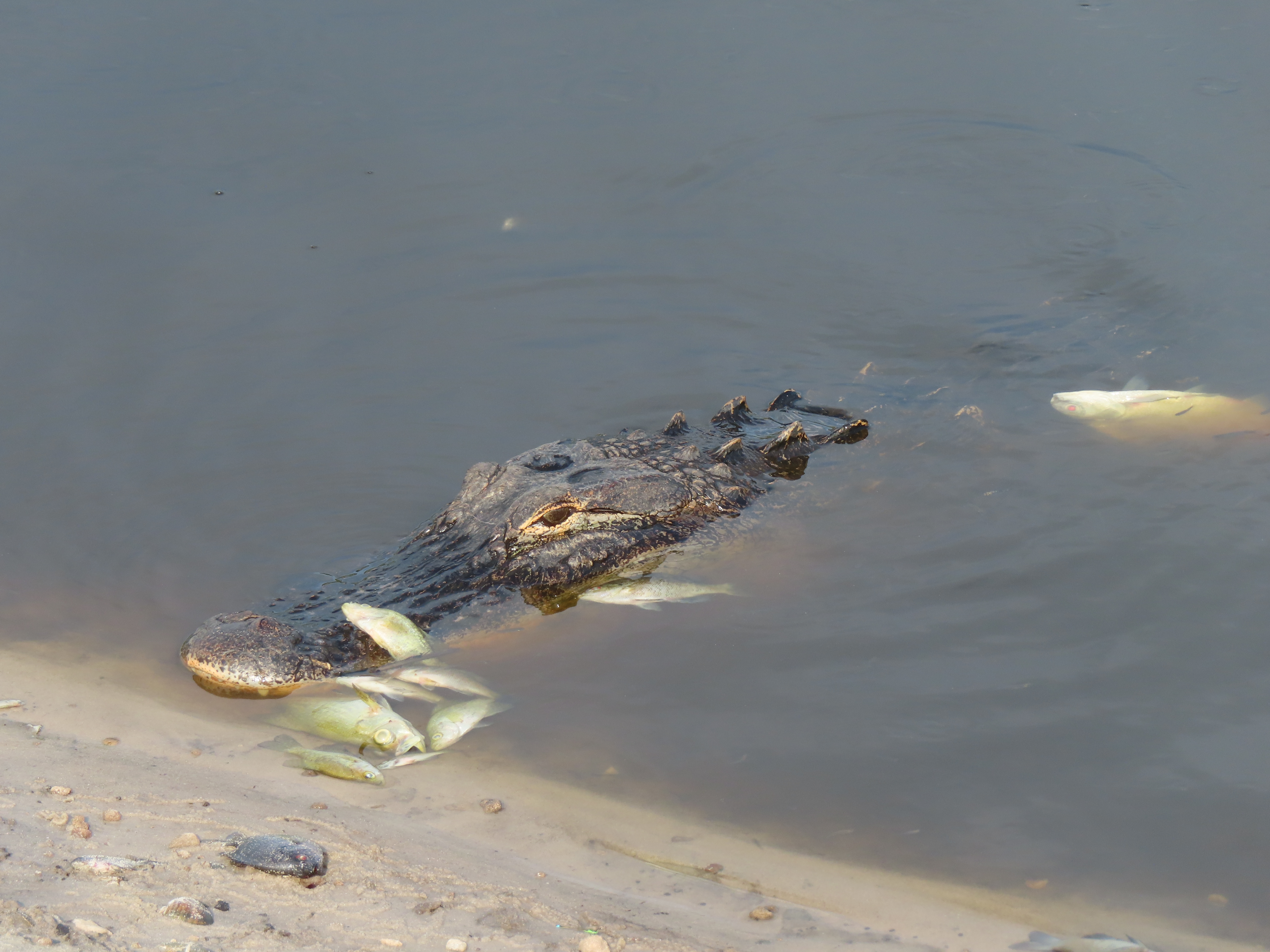
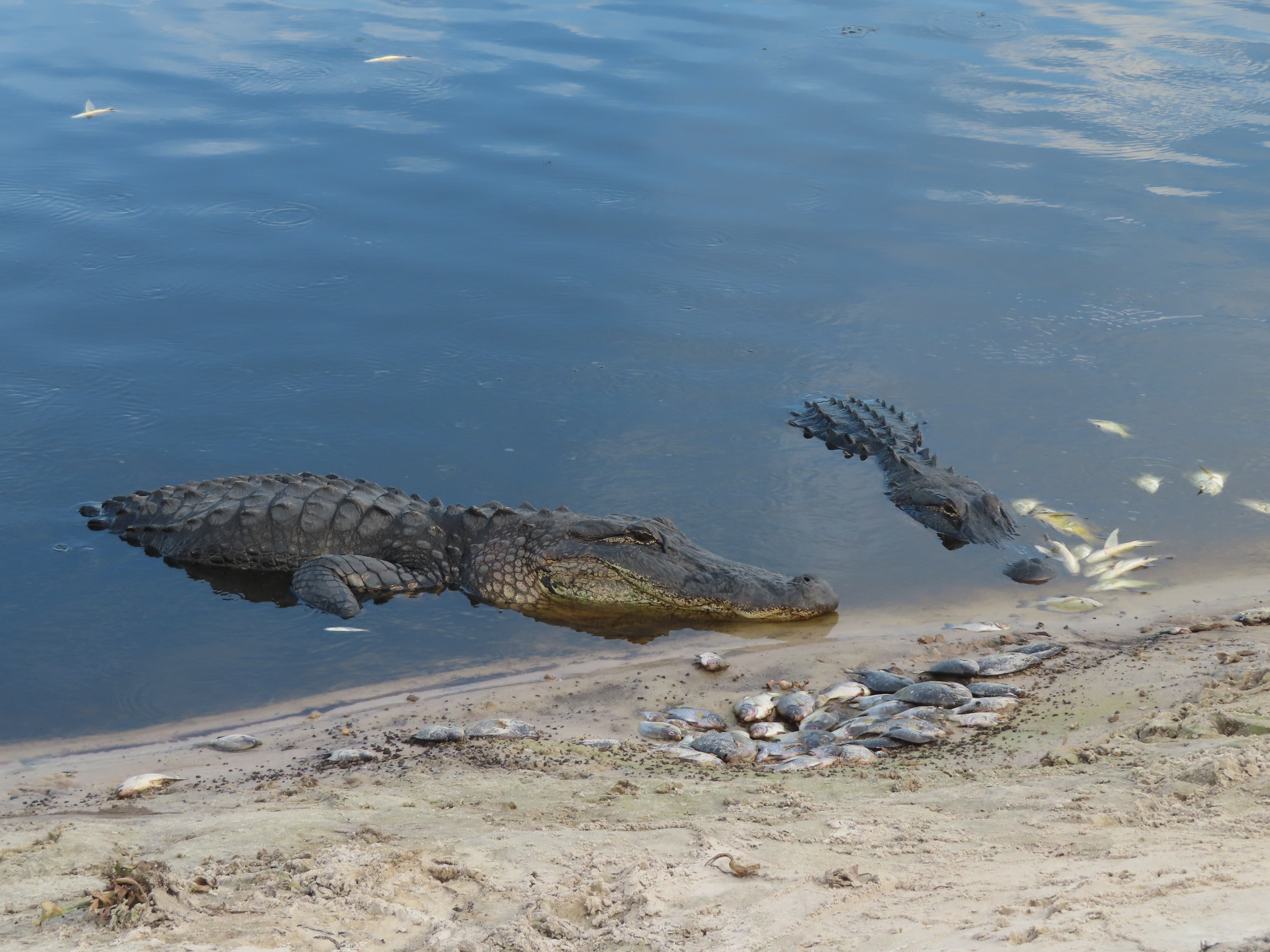
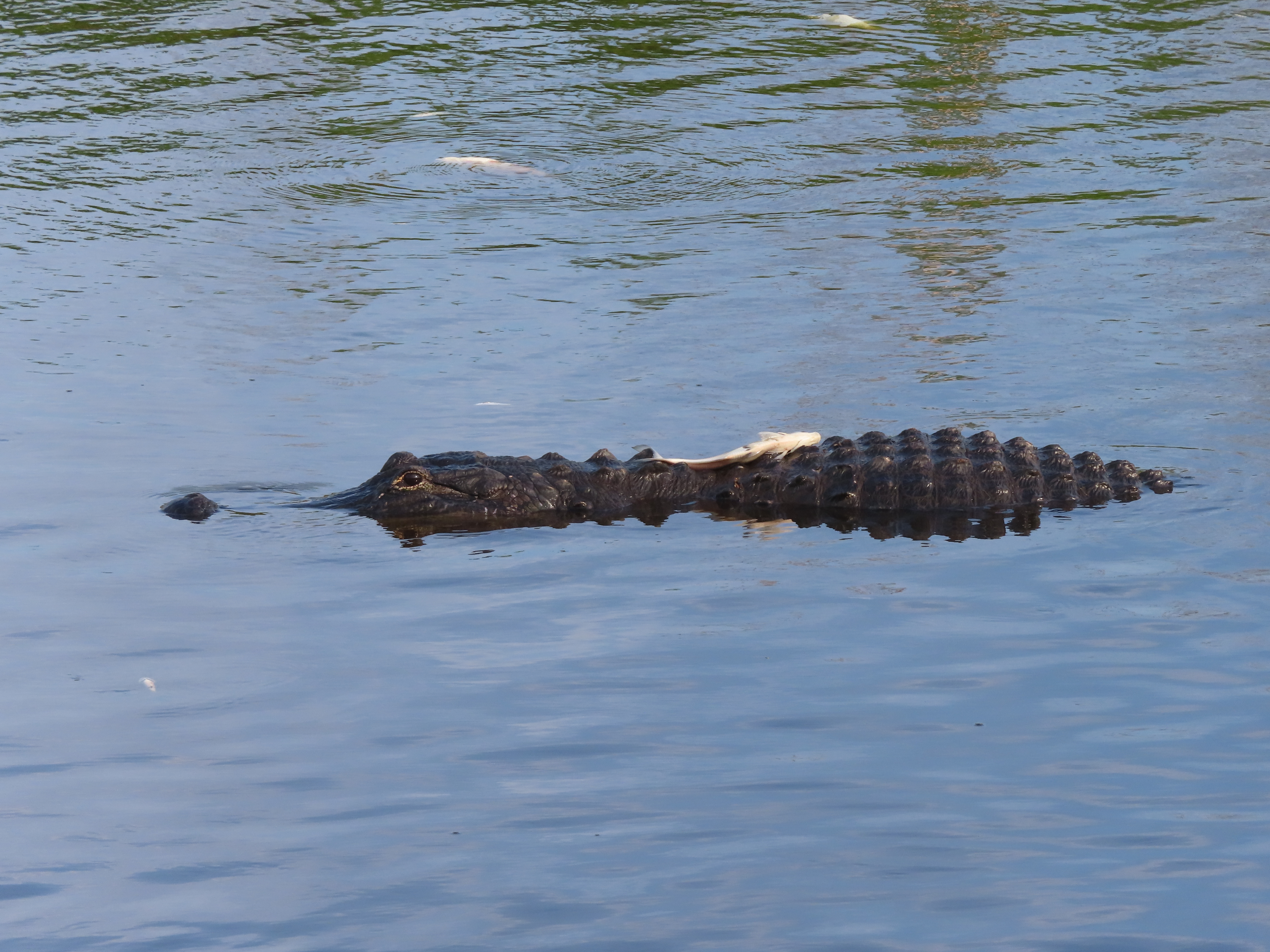
In somewhat surreal scenes, alligators feast upon dead, dying, and entrapped fish.

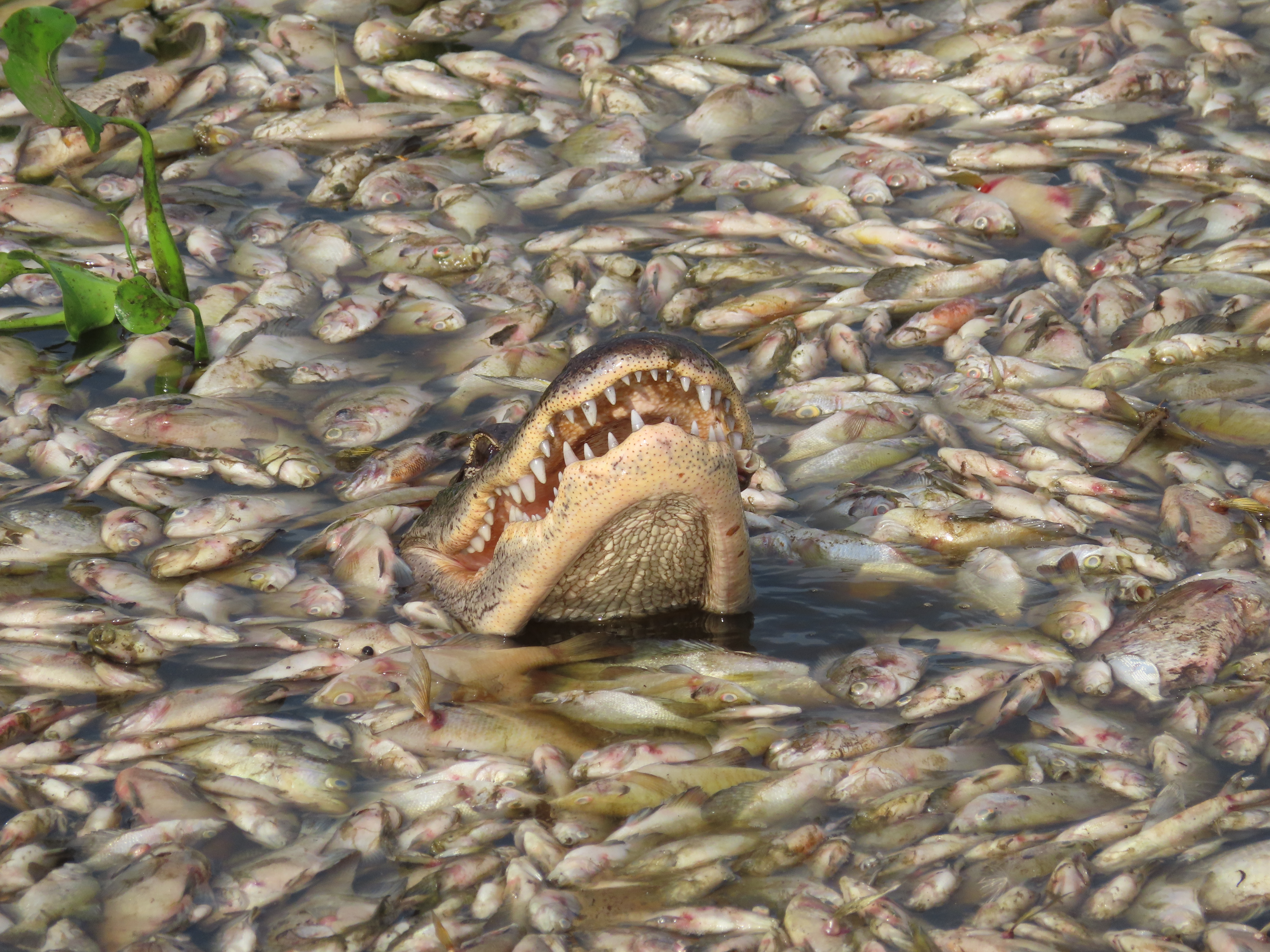
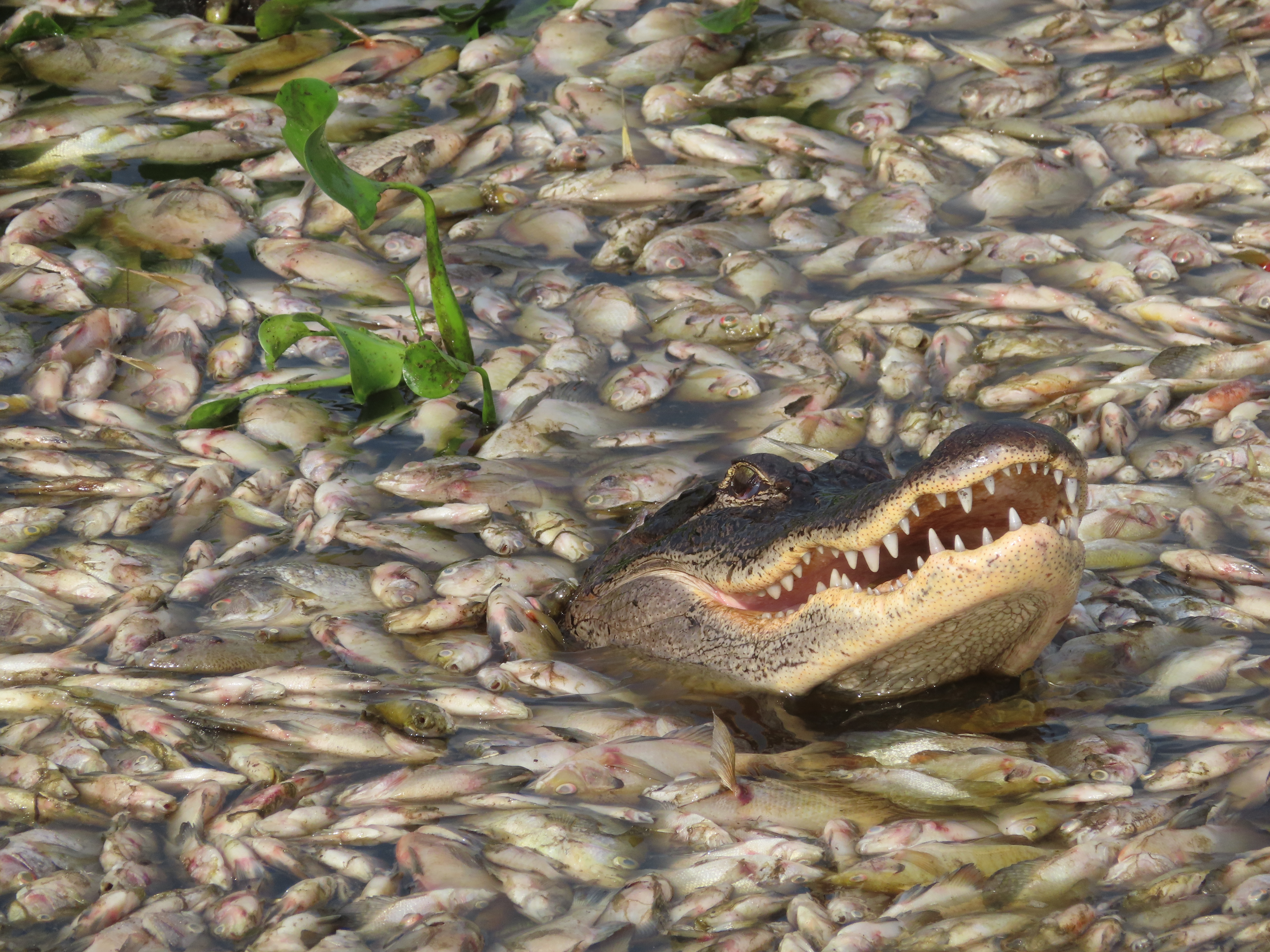


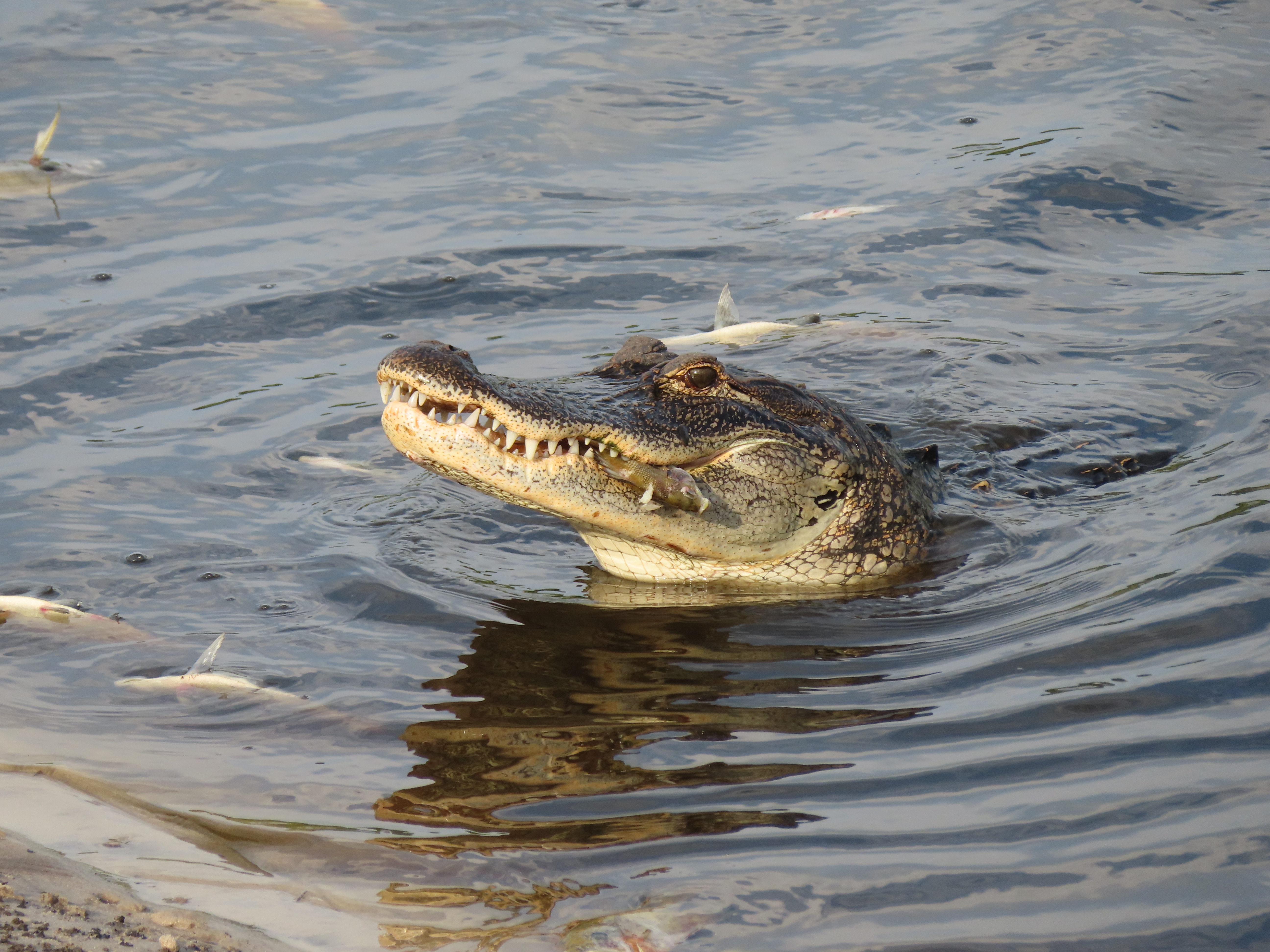

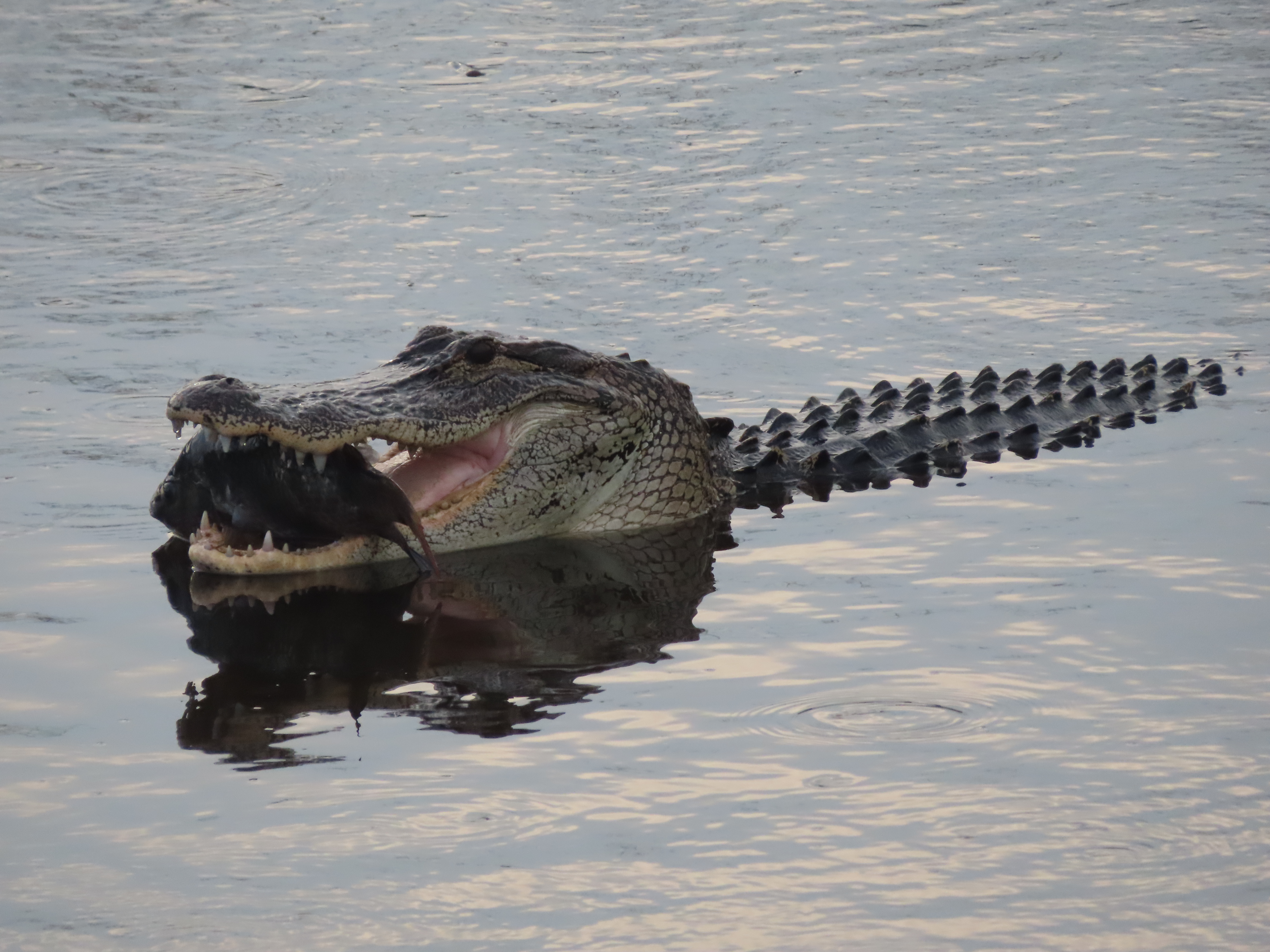
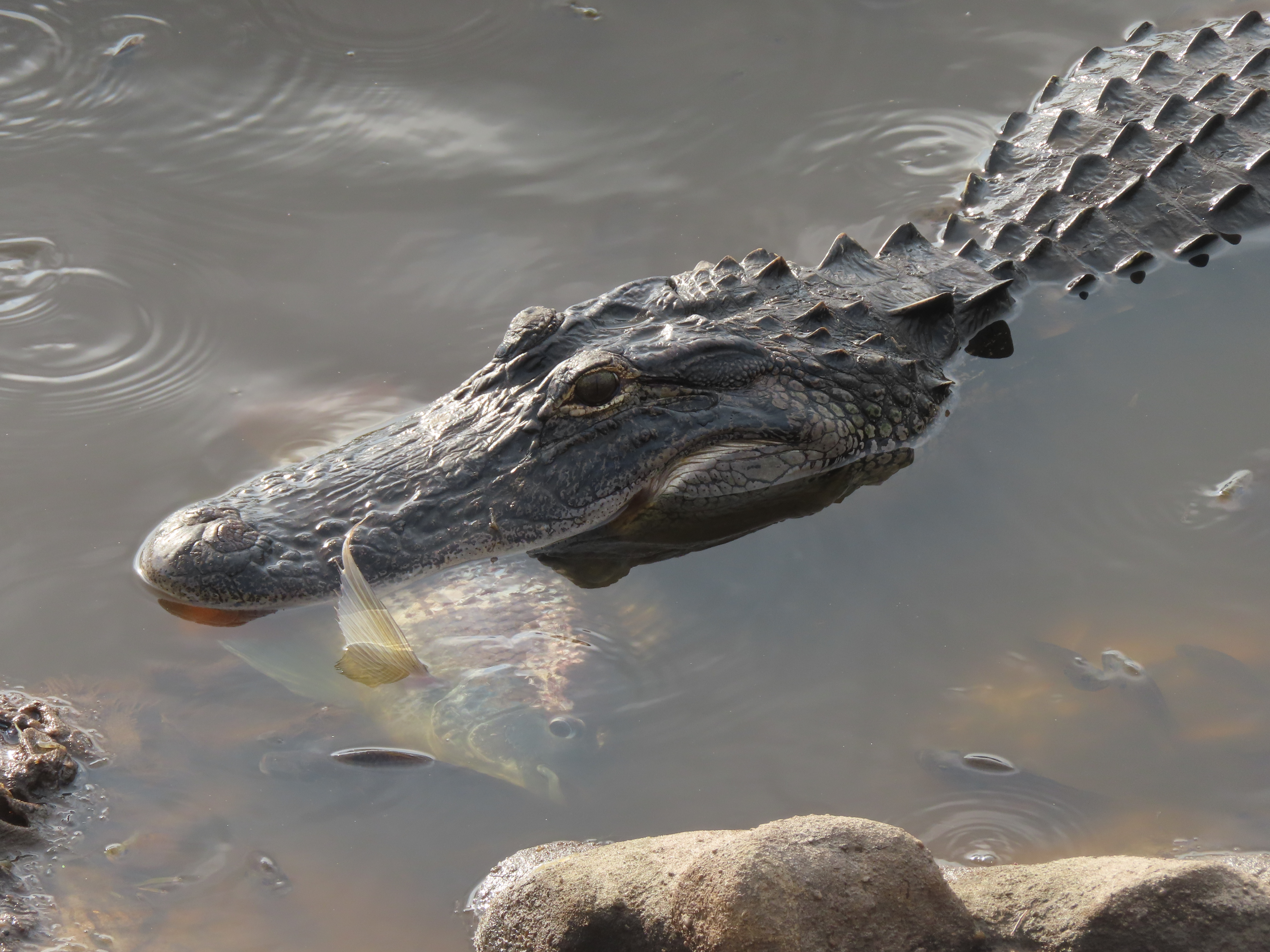
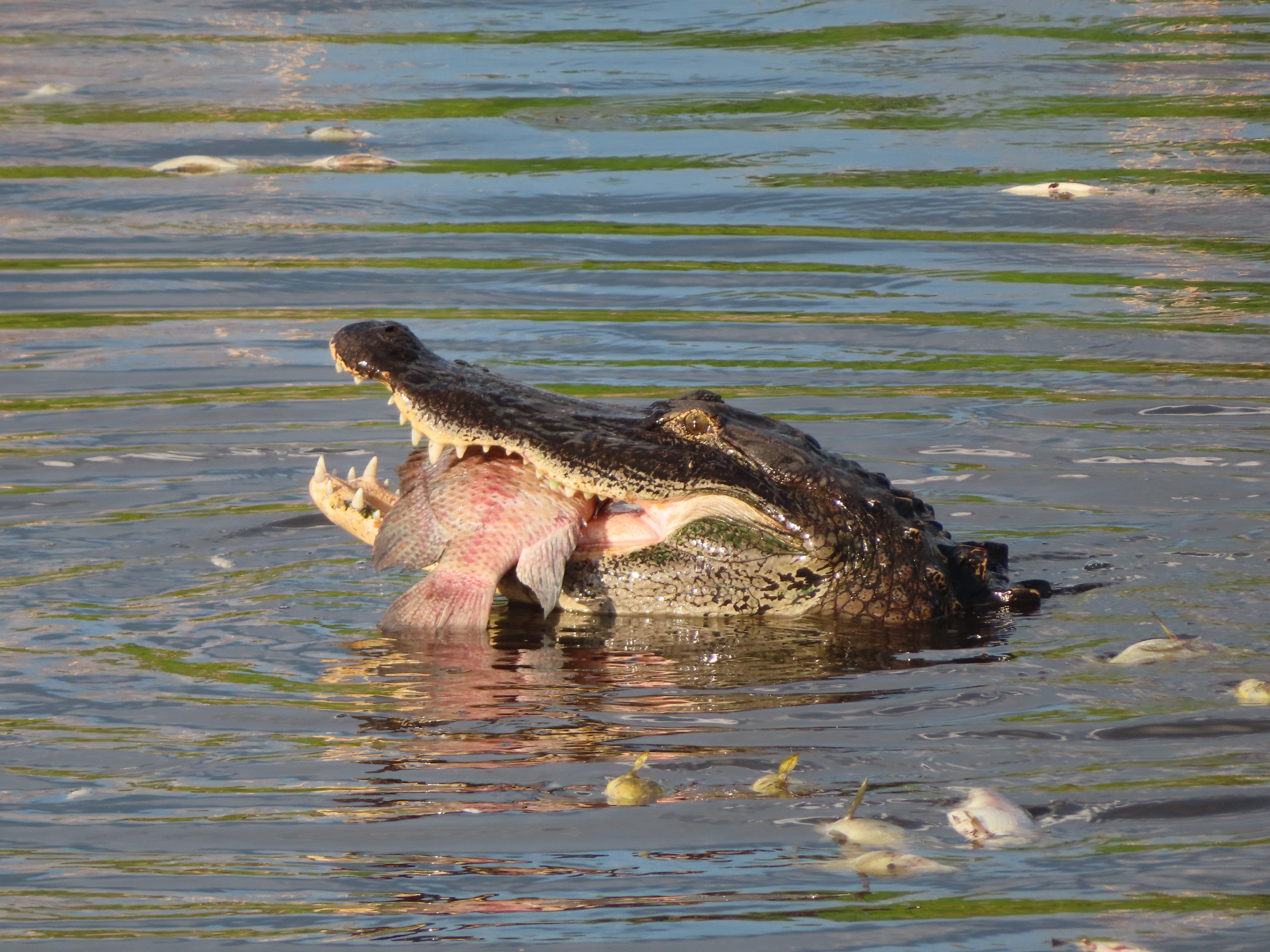
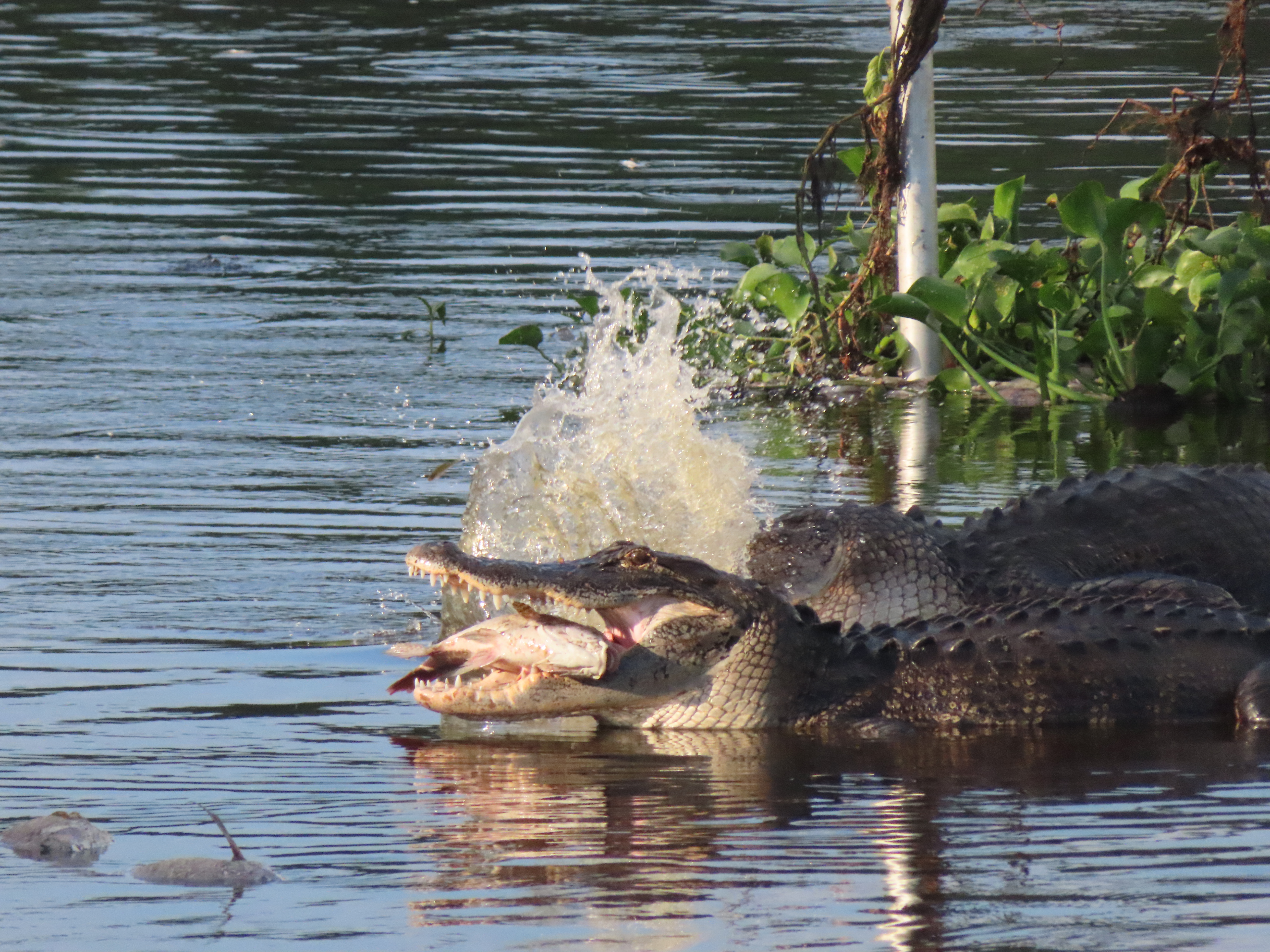

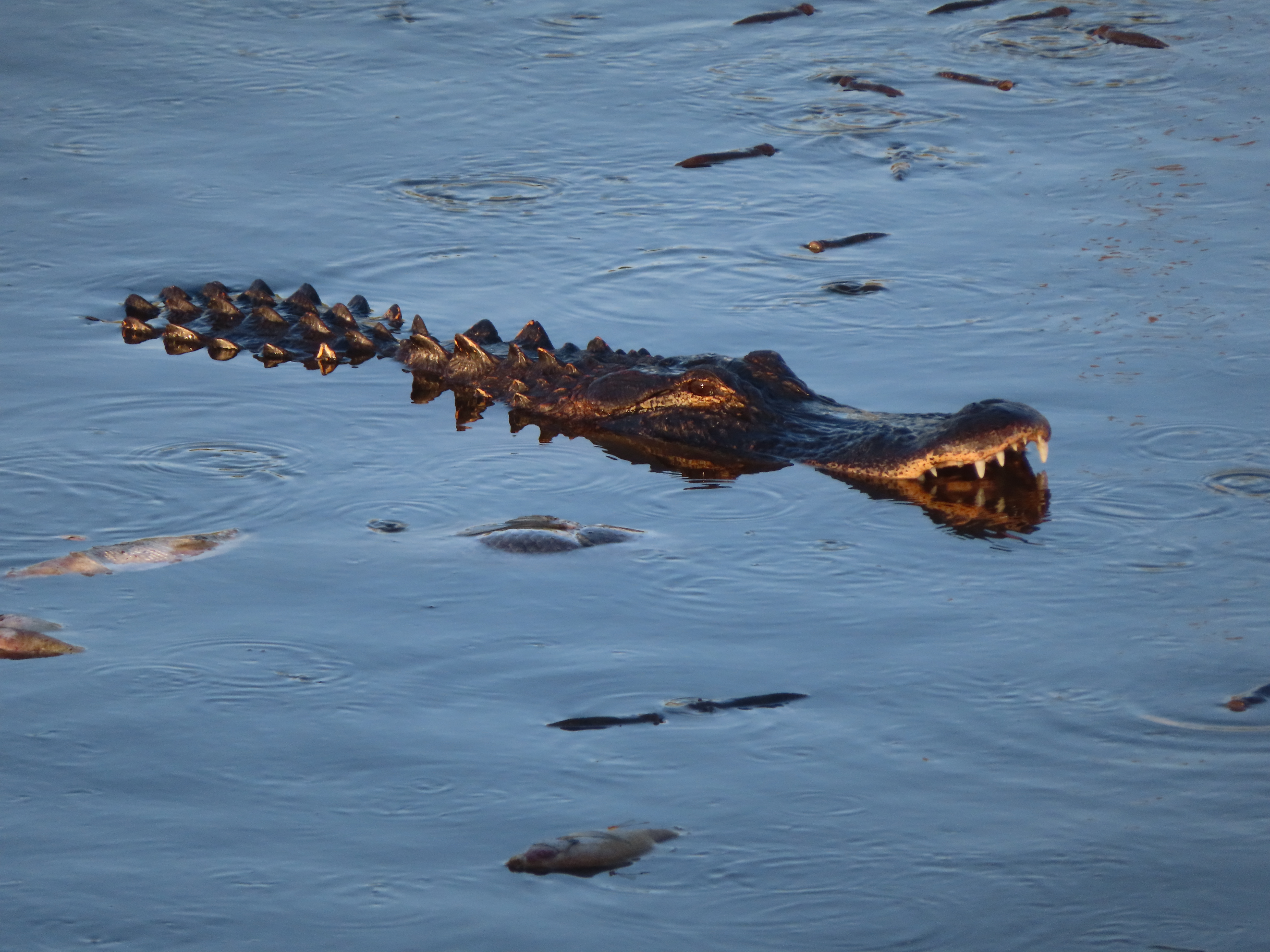

Completely sated, the alligators are surrounded by dead fish.





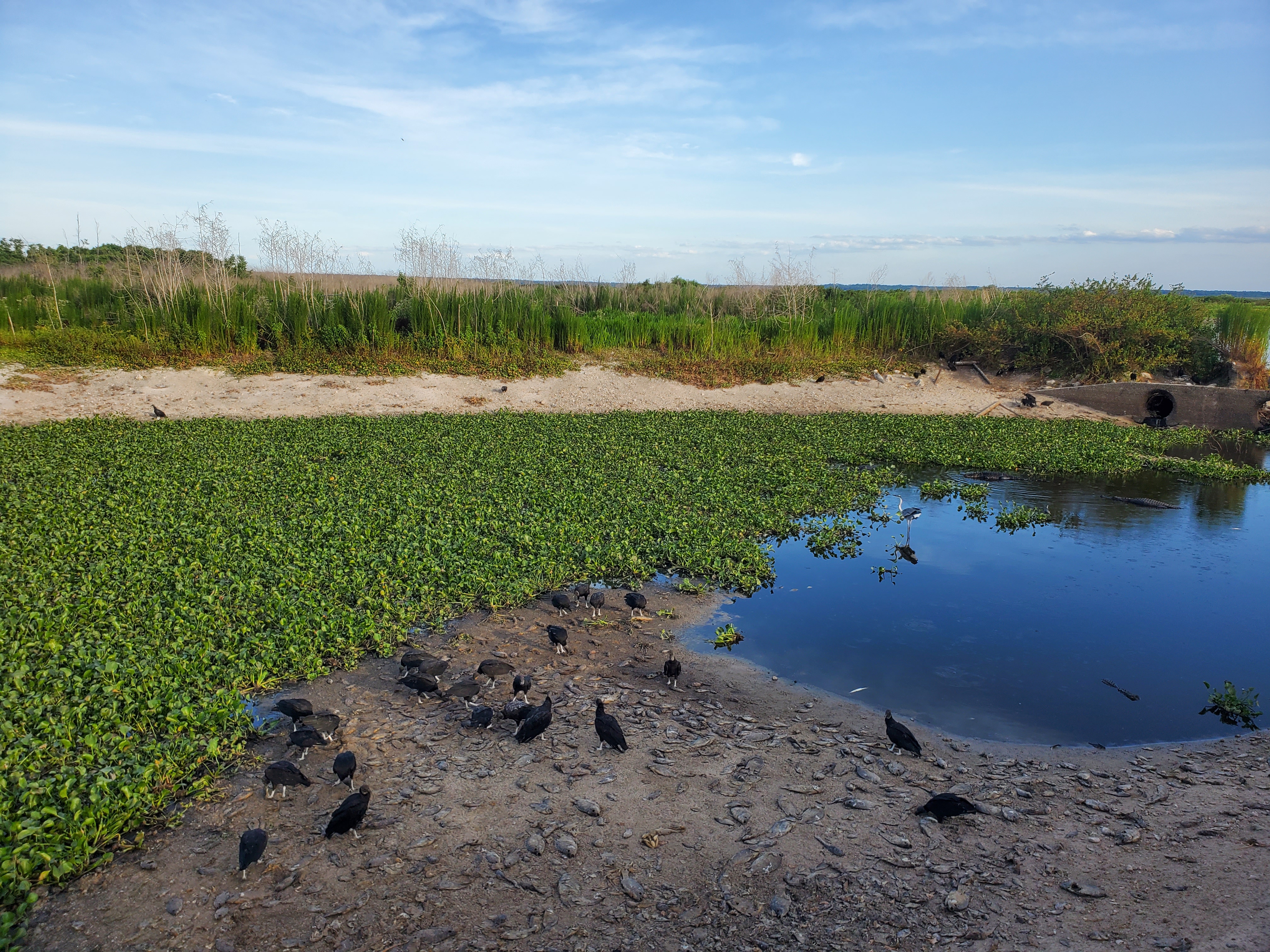
Black vultures, nature’s cleanup crew, take up residence on a sandbar formed as the water recedes. In nature nothing goes to waste.
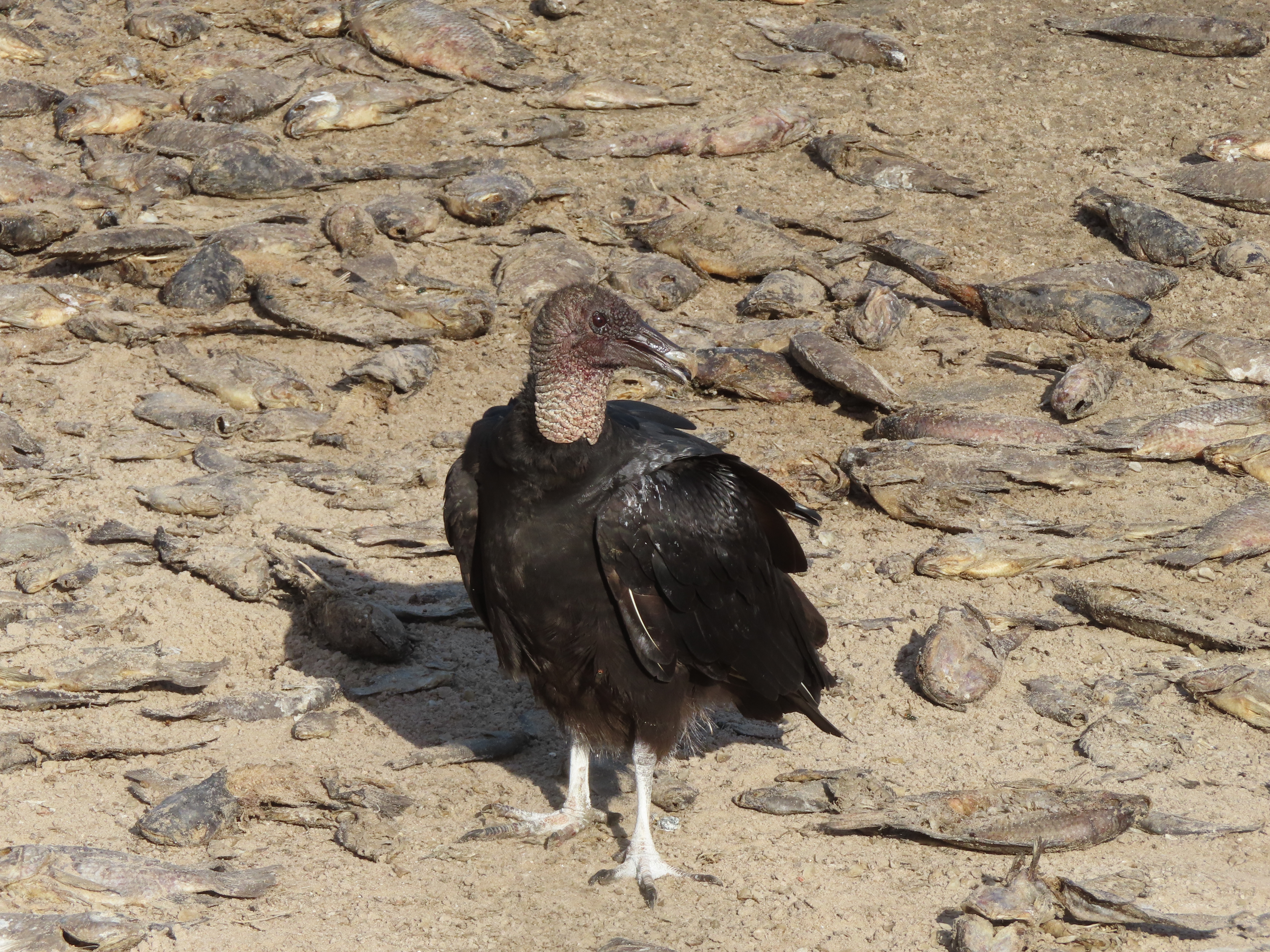


Although difficult to stomach, fish die offs are a natural phenomenon here. The periodic entrapment of fish in shallow waters are what supports an abundance of large predators including alligators, birds of prey, and scavengers.


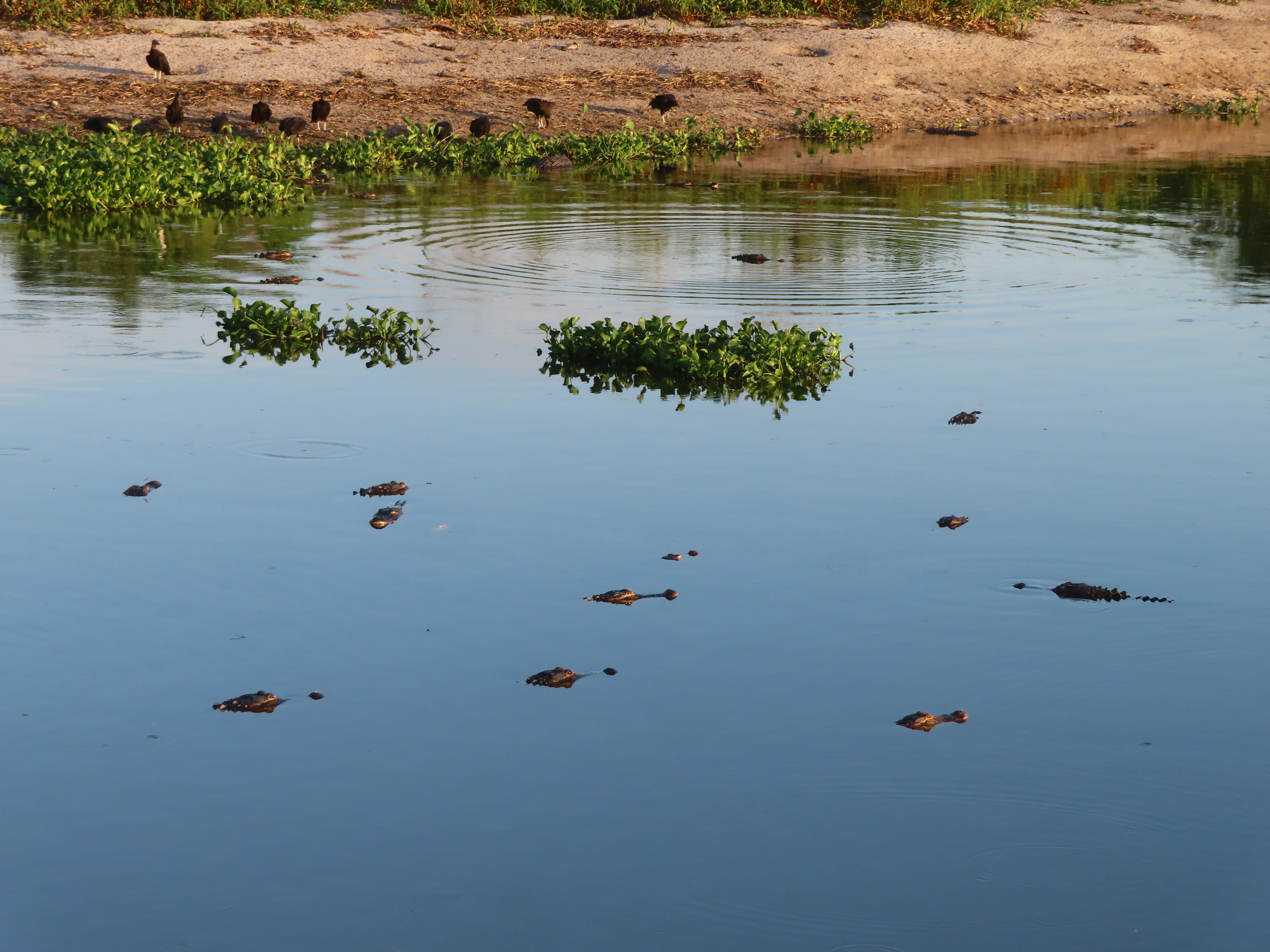
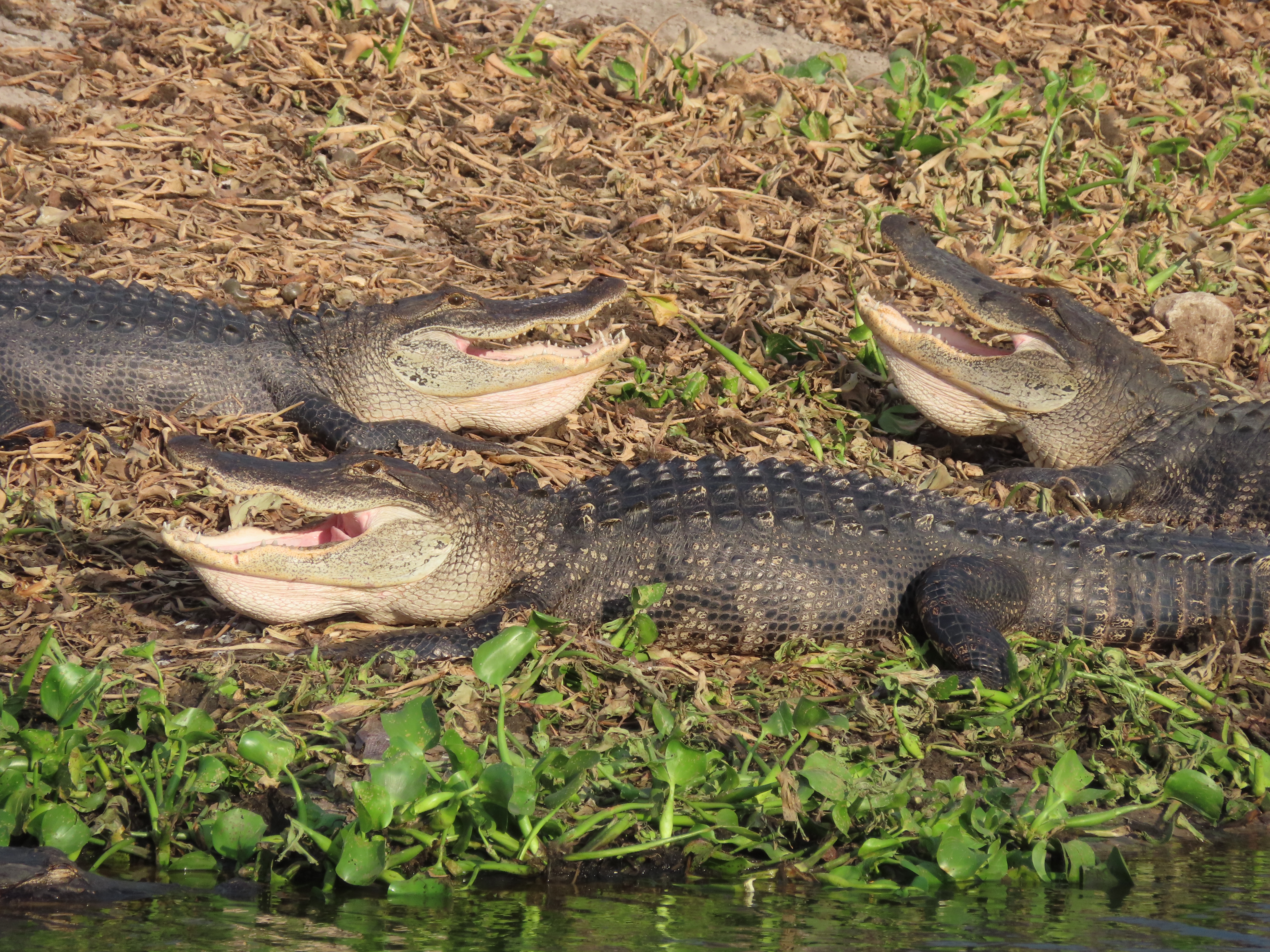
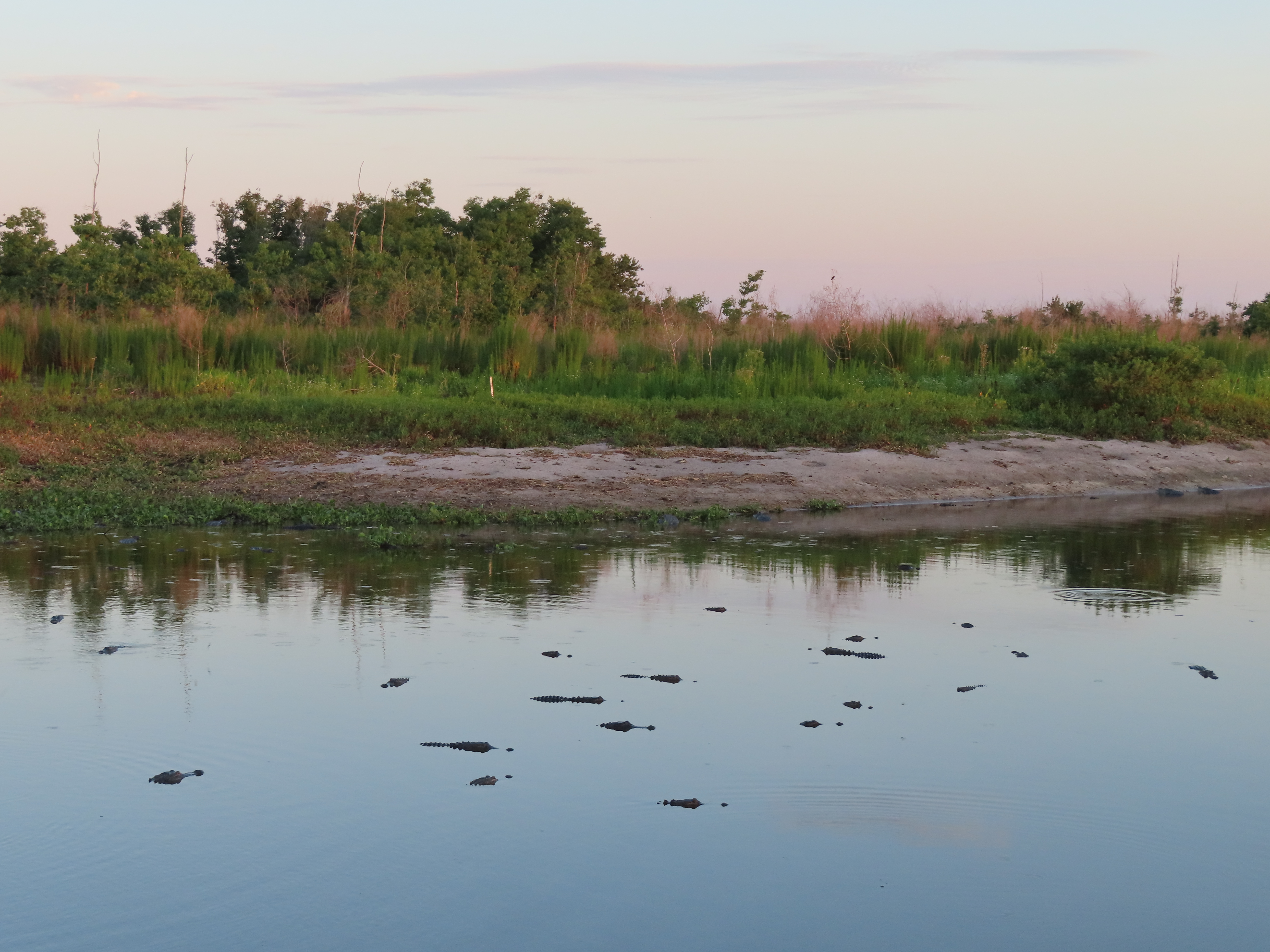
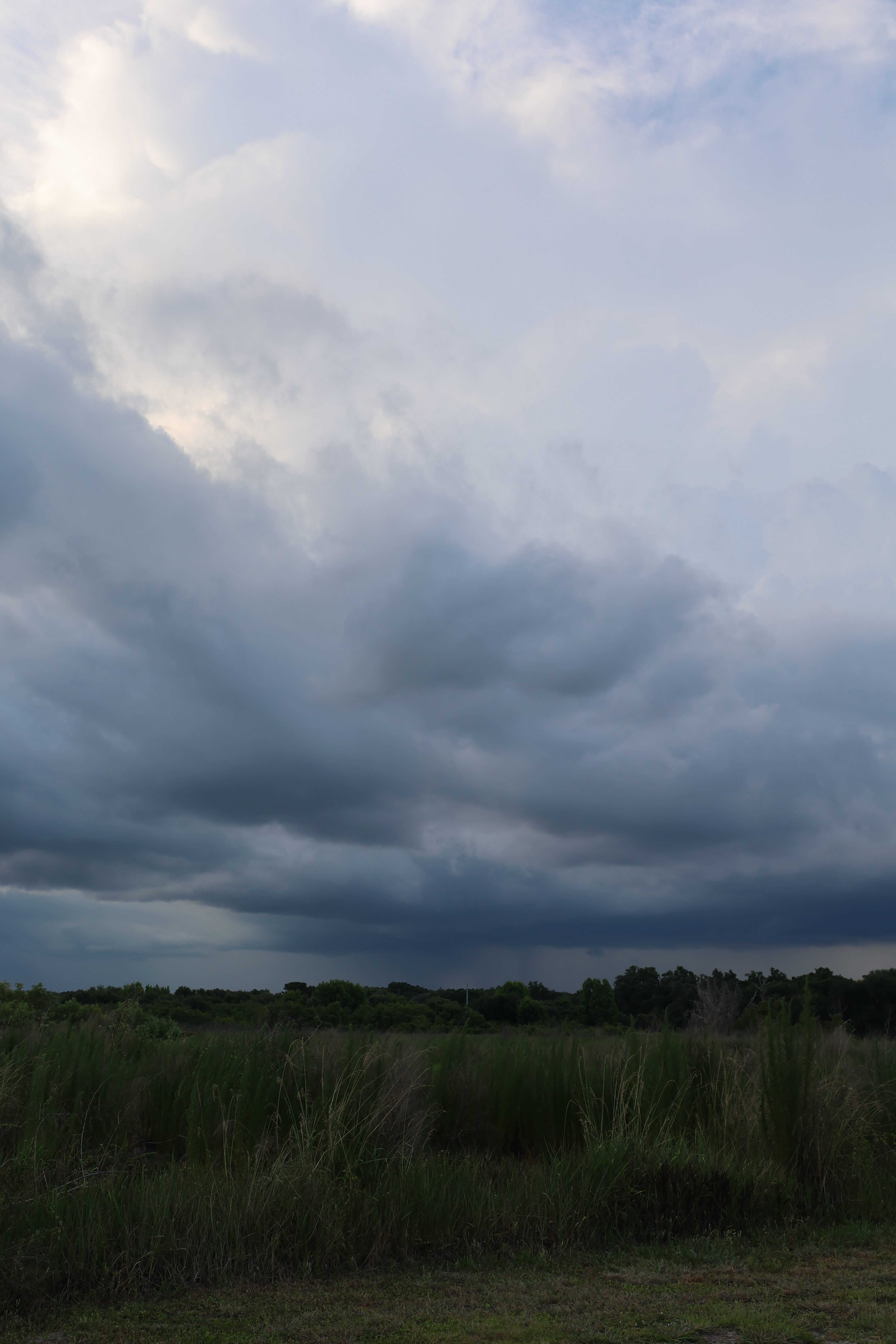
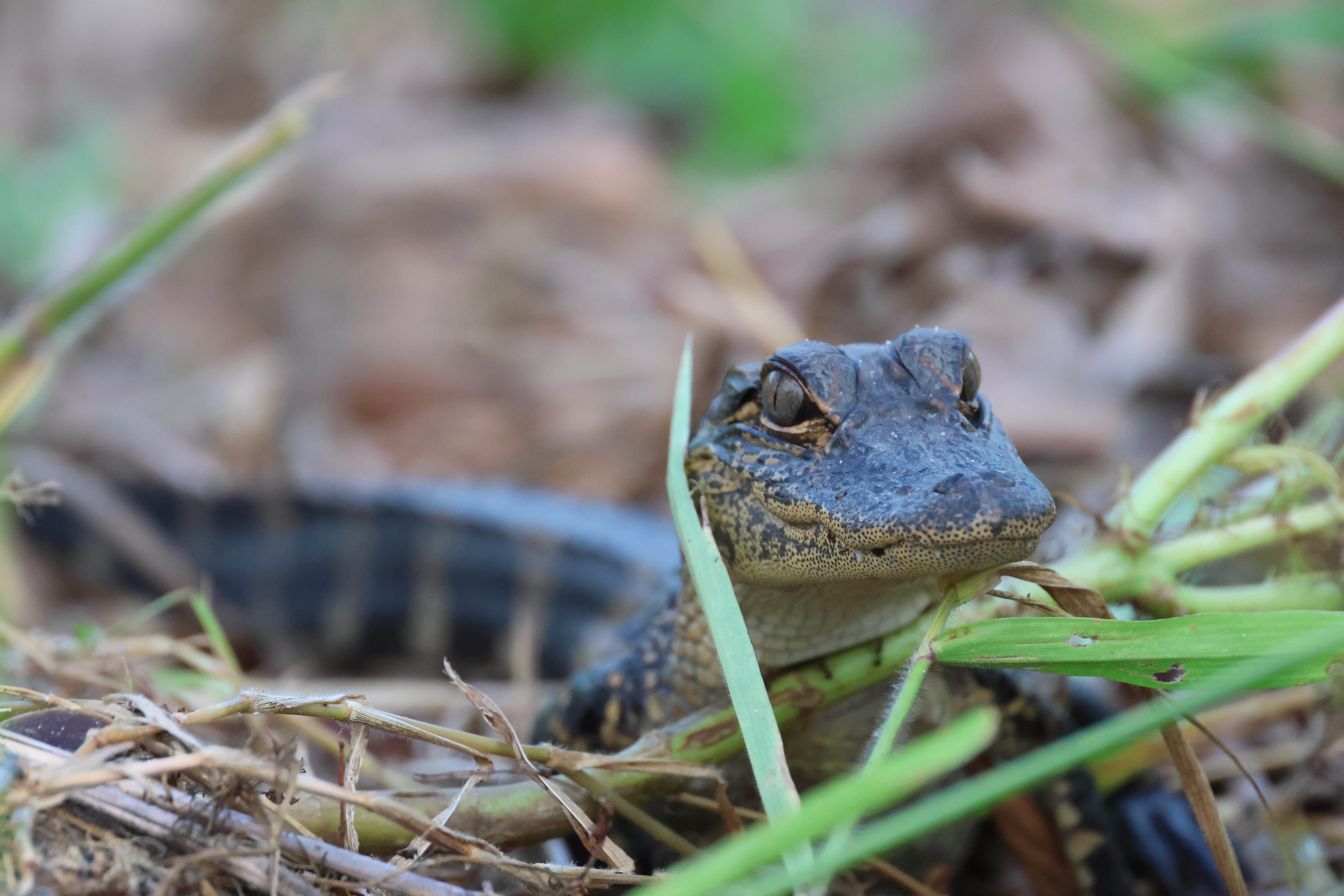
After several weeks of high temperatures and no rain there was a thunderous downpour which lasted about an hour. Incidentally, the same day that it rained was when the first baby alligator of the season appeared.

 Reason and Nature
This is a fascinating article! My husband and I look forward to every new edition of Reason and Nature. We are still talking about the gator who ate a gator! We had no idea there were wild horses in Florida. Awesome photography, too! Keep the great articles coming!
LikeLike