Alligators and turtles are both heavily armored reptiles. In December of 2023, I witnessed an interesting interaction between an American alligator (Alligator mississippiensis) and a Florida softshell turtle (Apalone ferox). The setting was Depot Park in the city of Gainesville, Florida. In this urban park there are a series of retention ponds. Paved trails, which are popular amongst walkers, joggers, and runners, encircle these ponds. The park contains a variety of wildlife including abundant waterfowl, turtles, and small alligators. While walking along the paved edge of one of the ponds I spotted an alligator of around 6 feet in length with a dead bird in its mouth. The bird appeared to be some sort of waterfowl, perhaps a coot, rail, or duck. The alligator swam at a slow pace and was often followed by a large Florida softshell turtle, which was biting at the dead bird. This interaction is illustrated in the below sequence of photos.
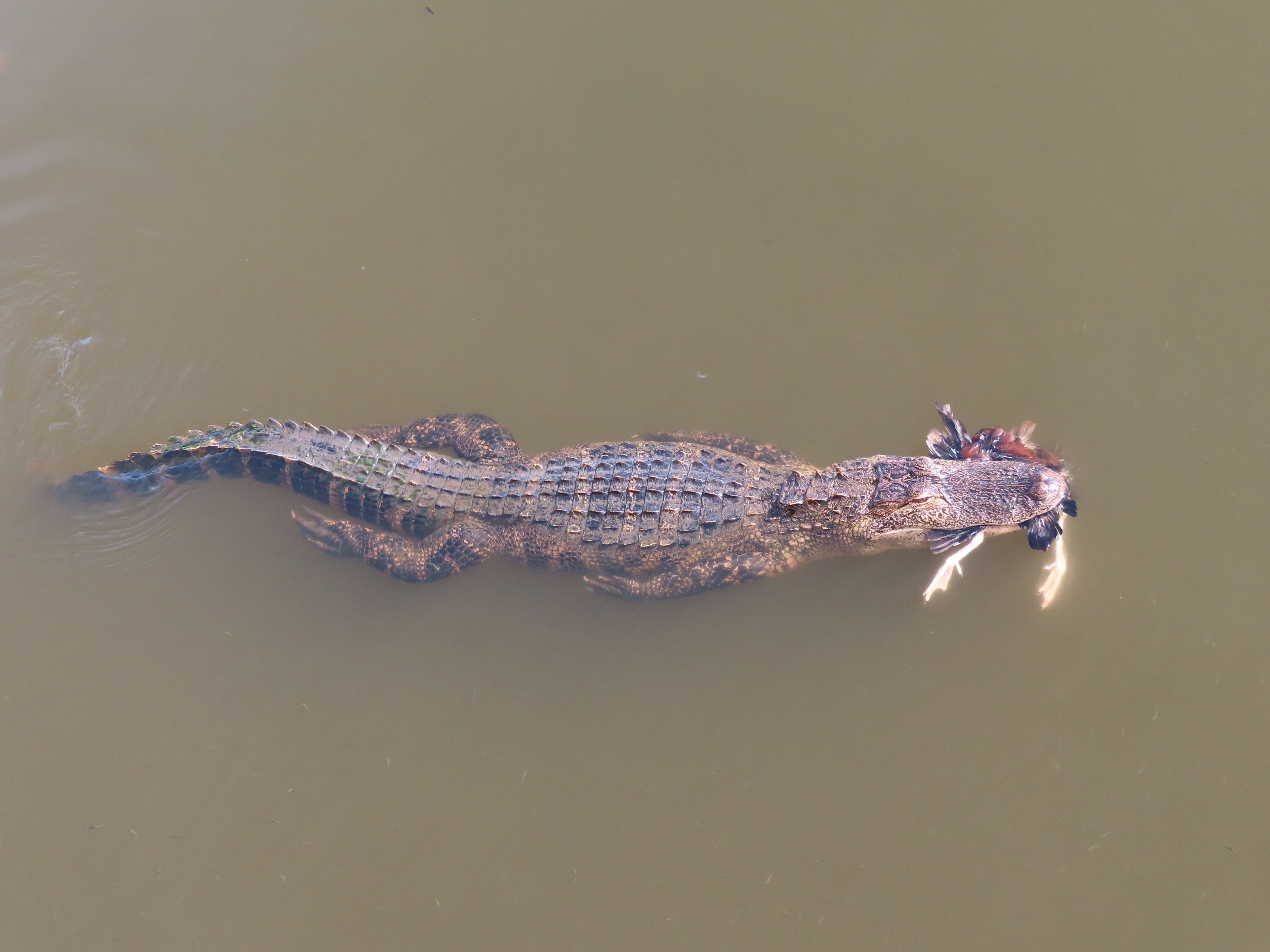
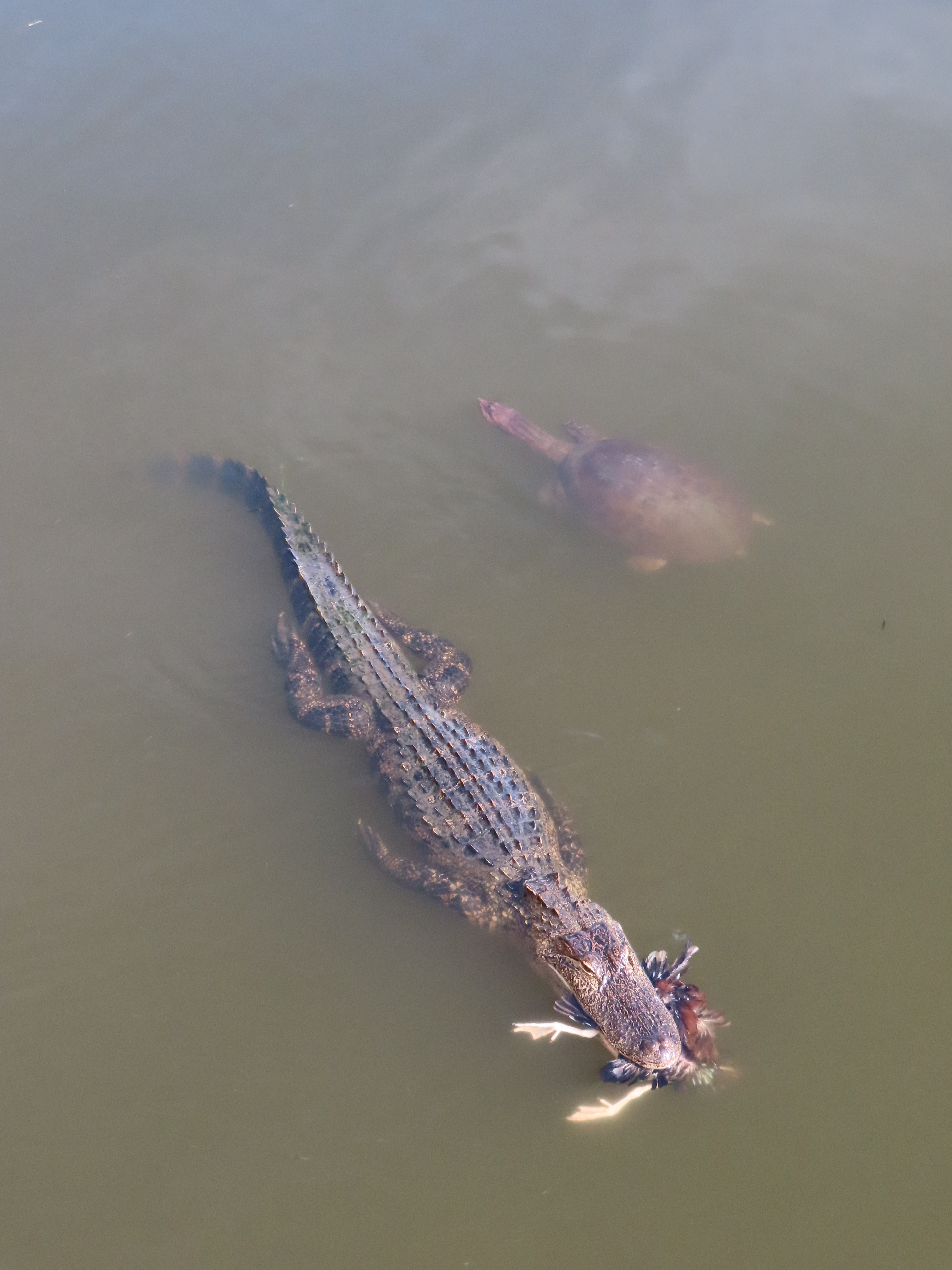
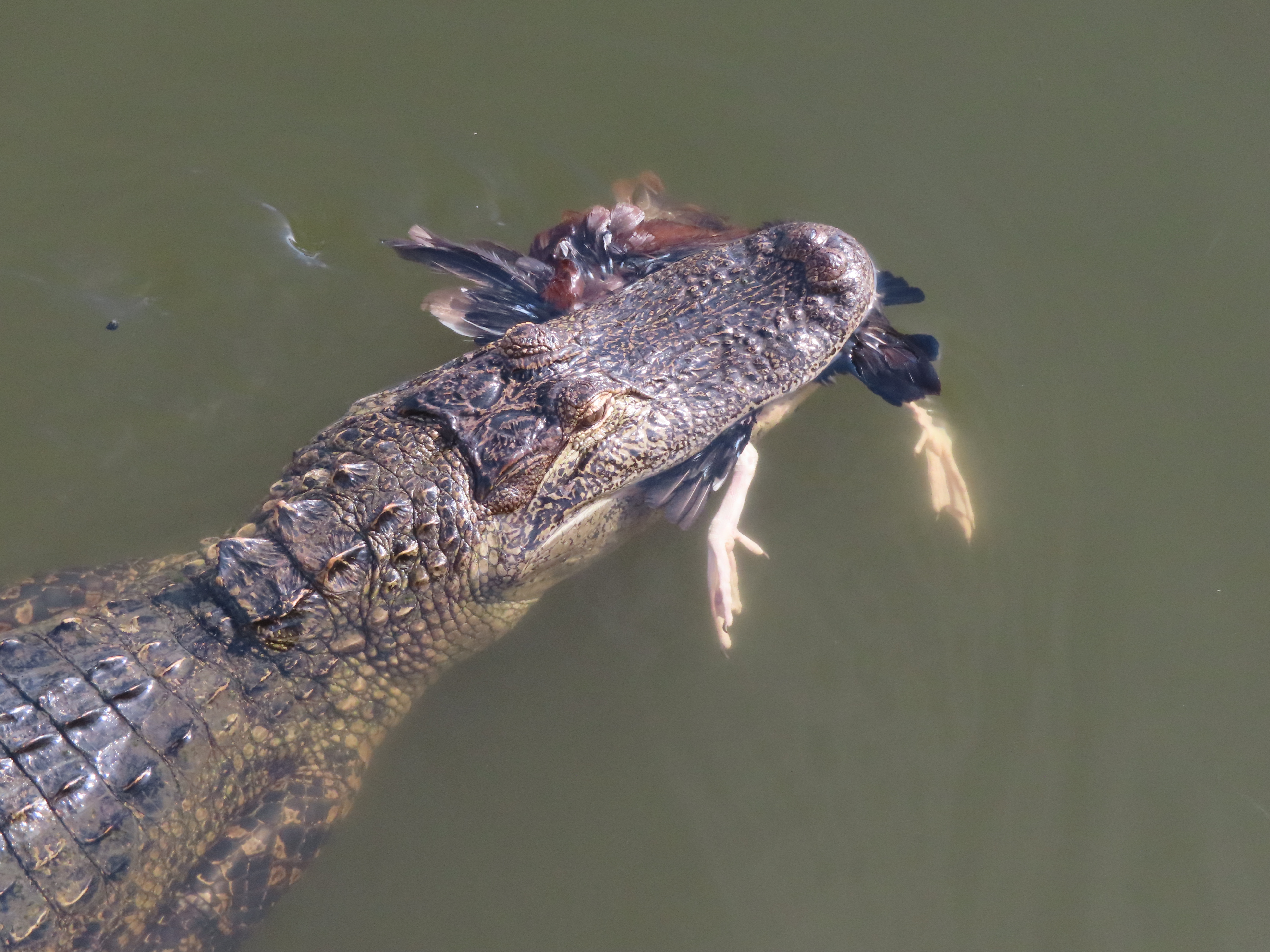
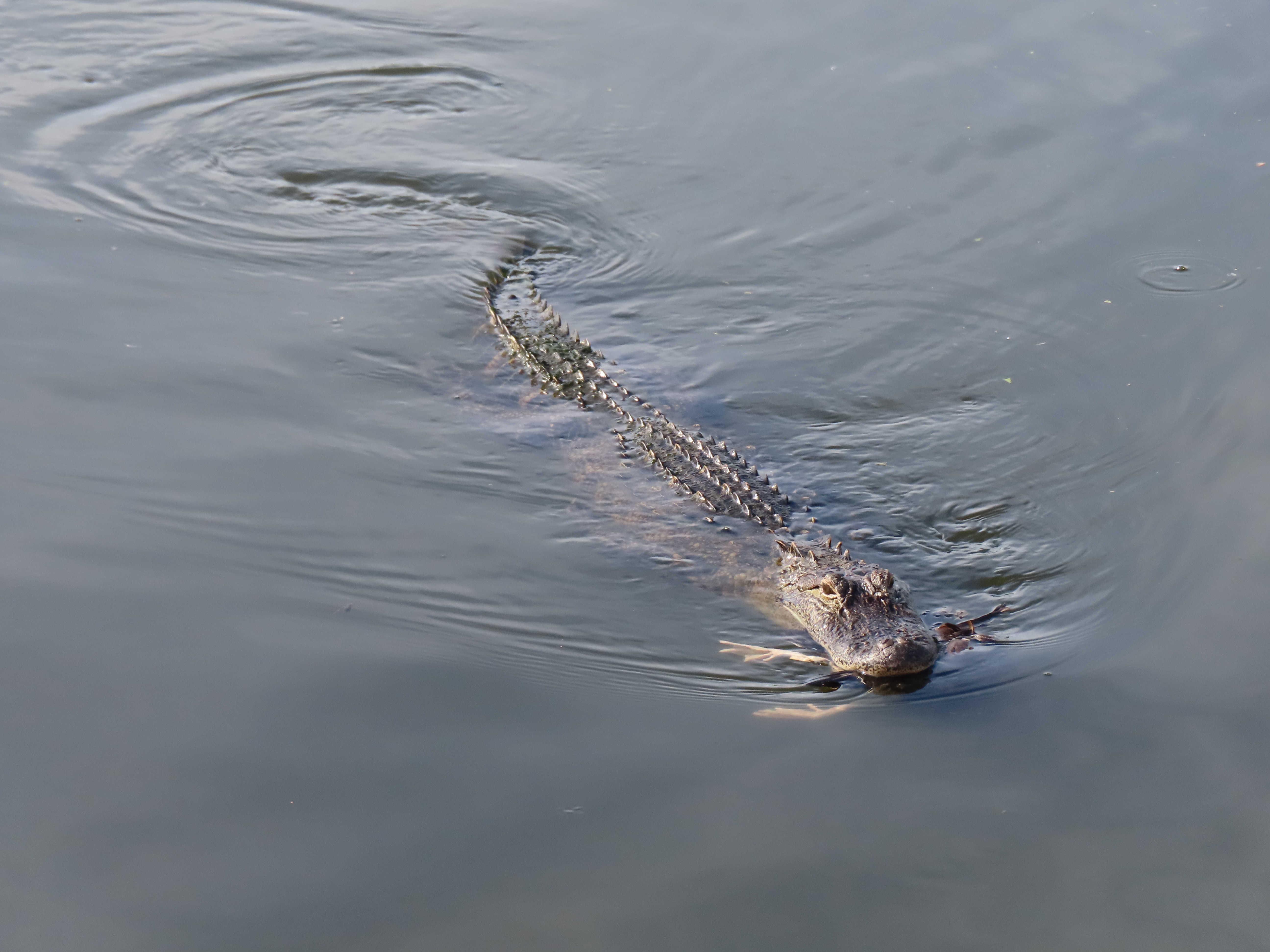
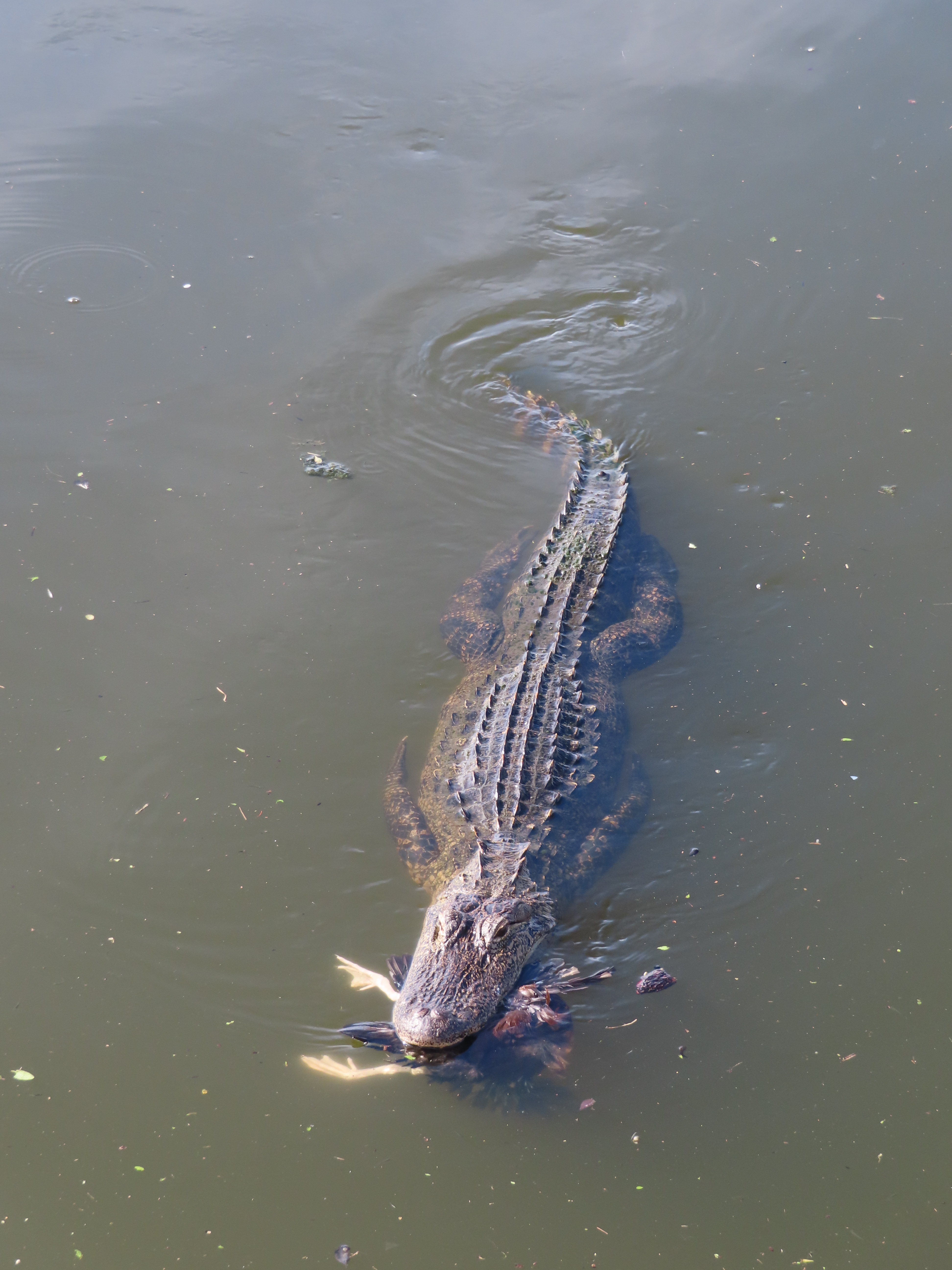
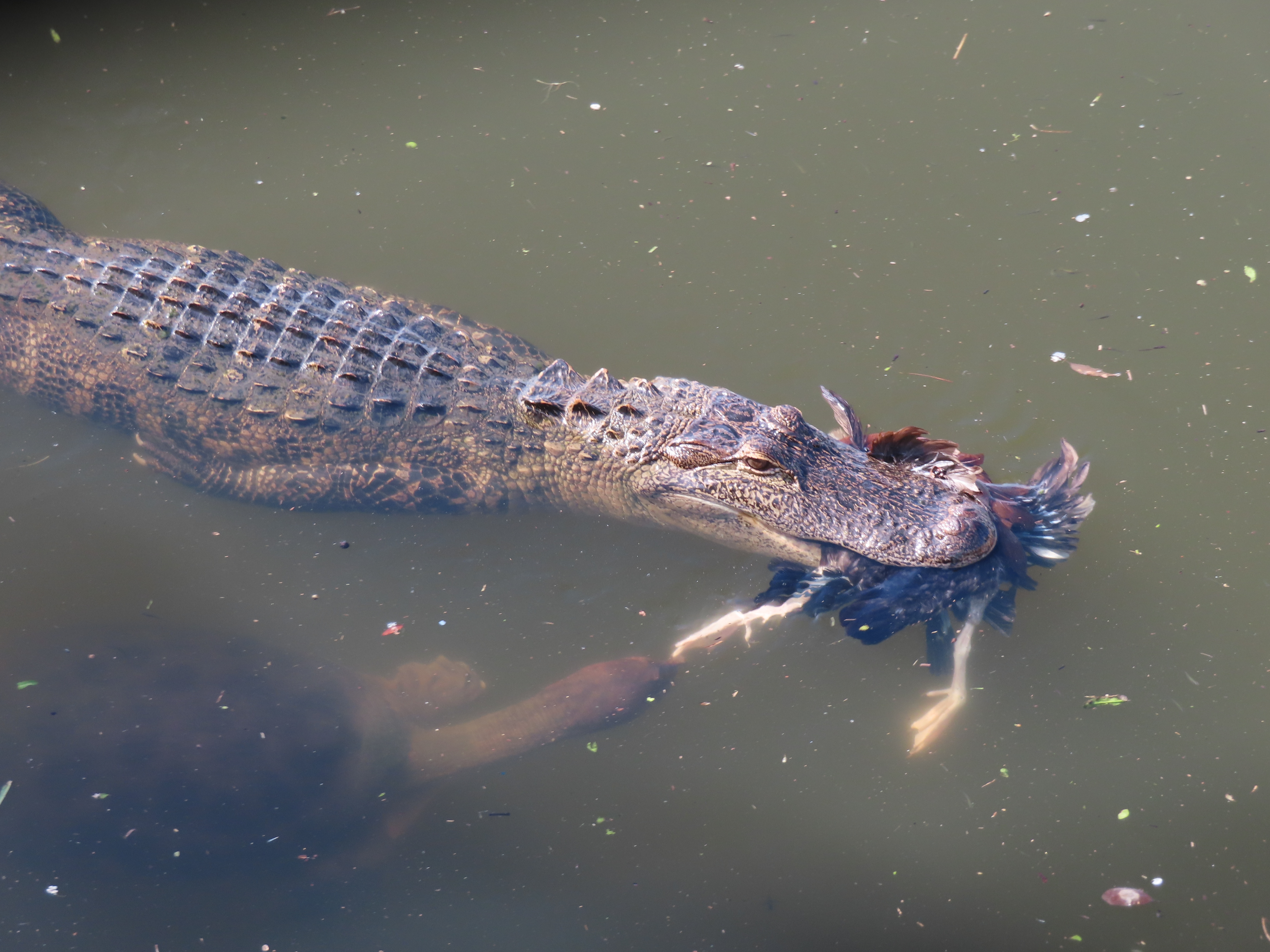
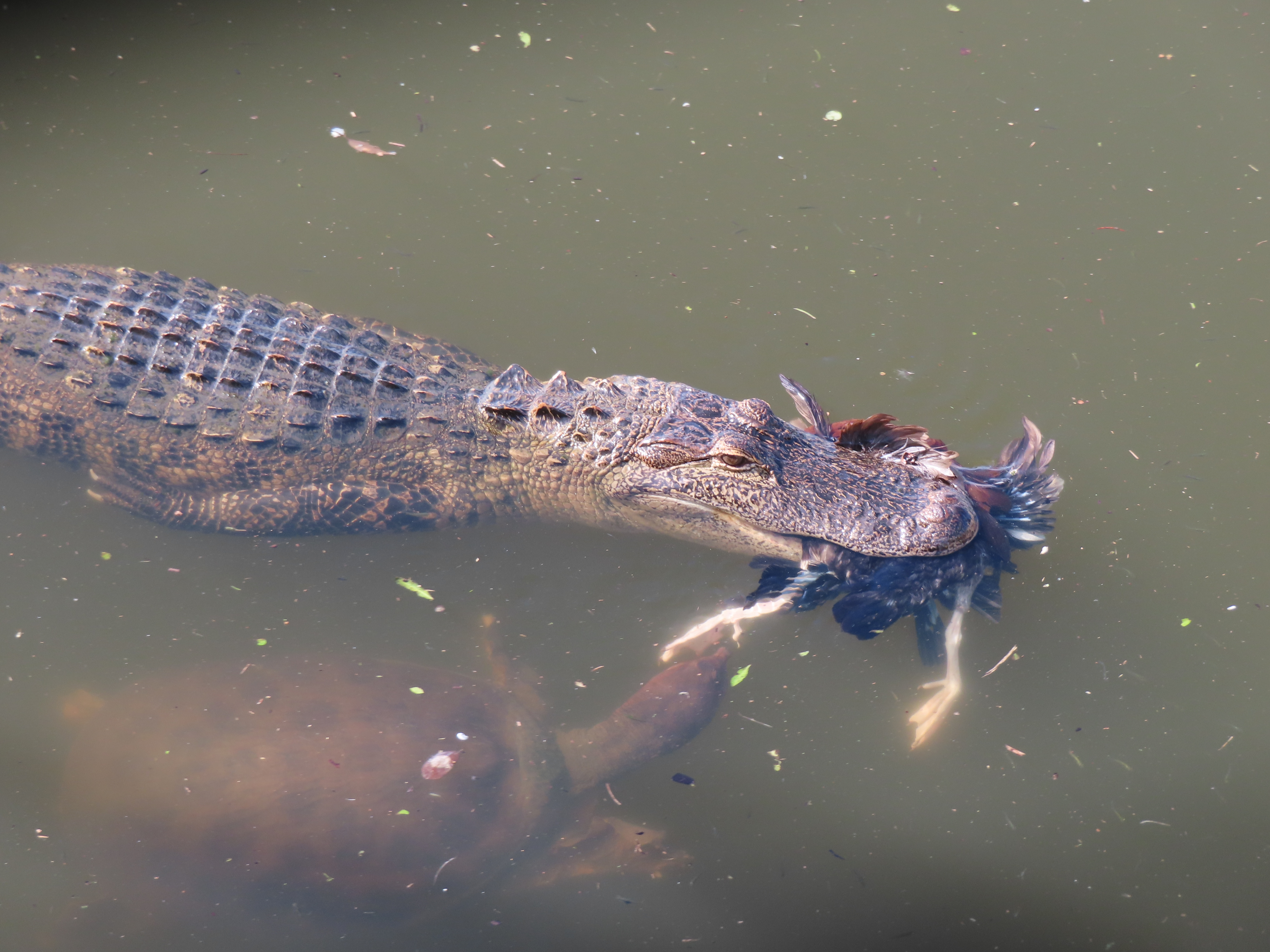
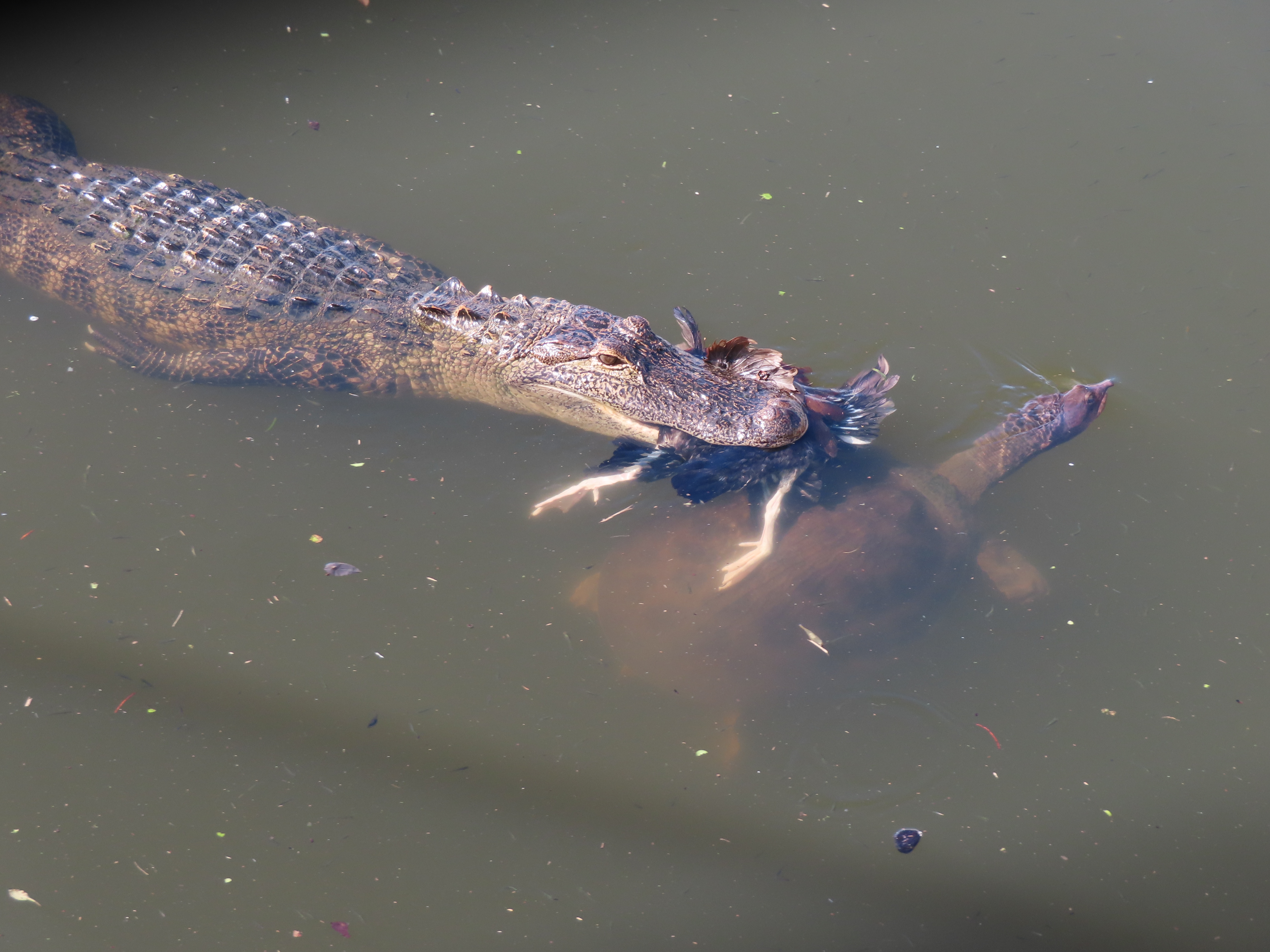
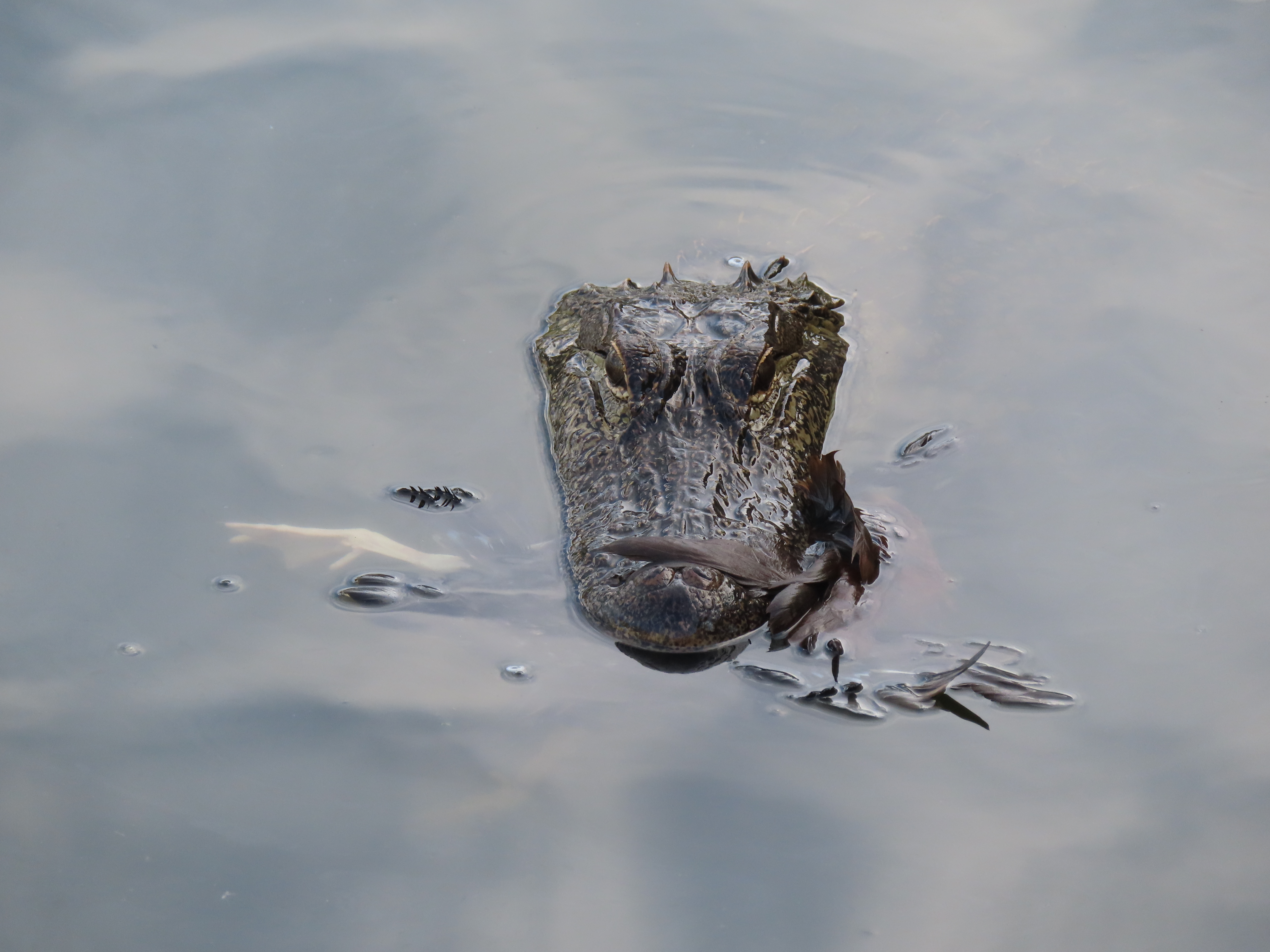
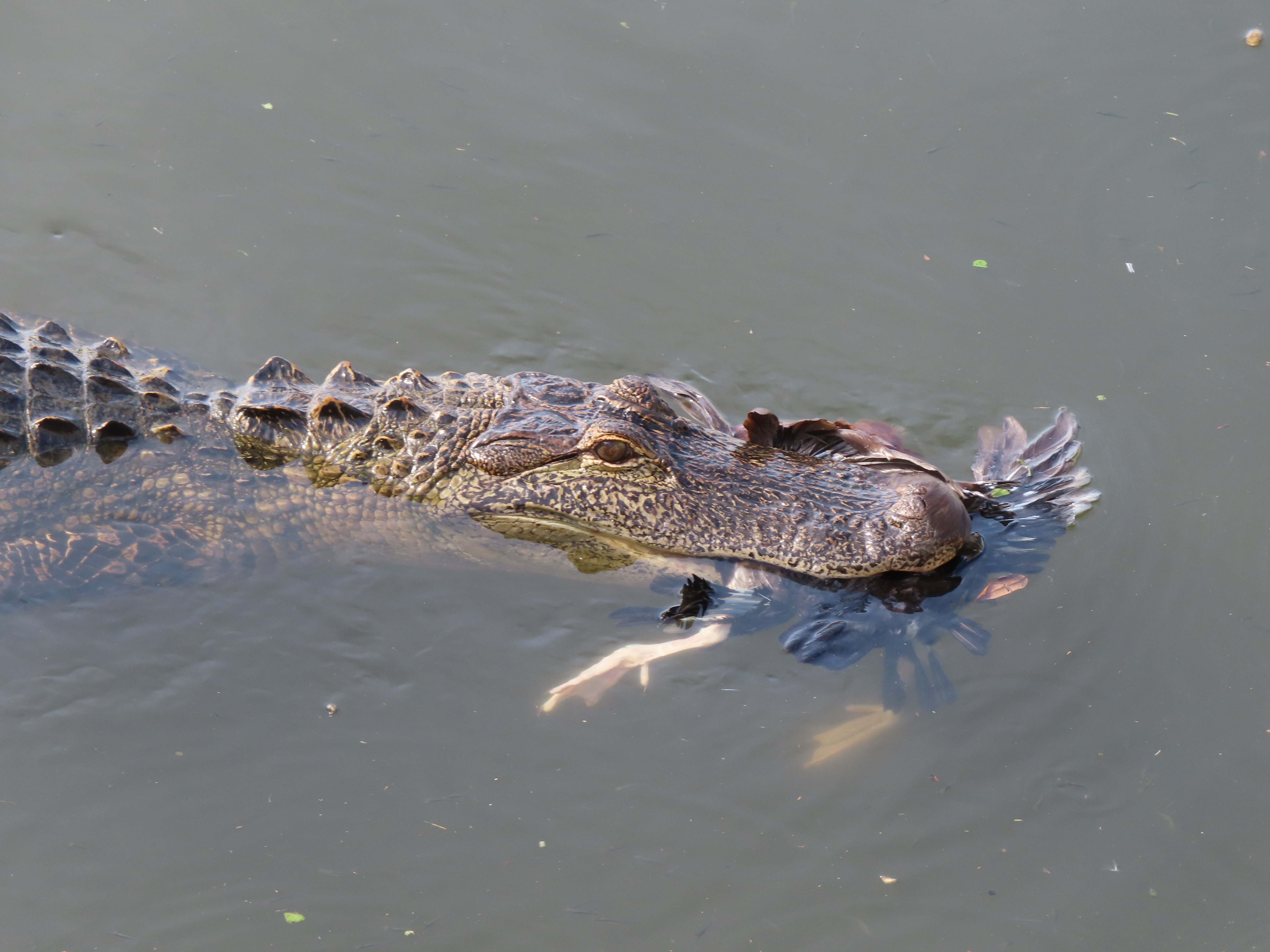
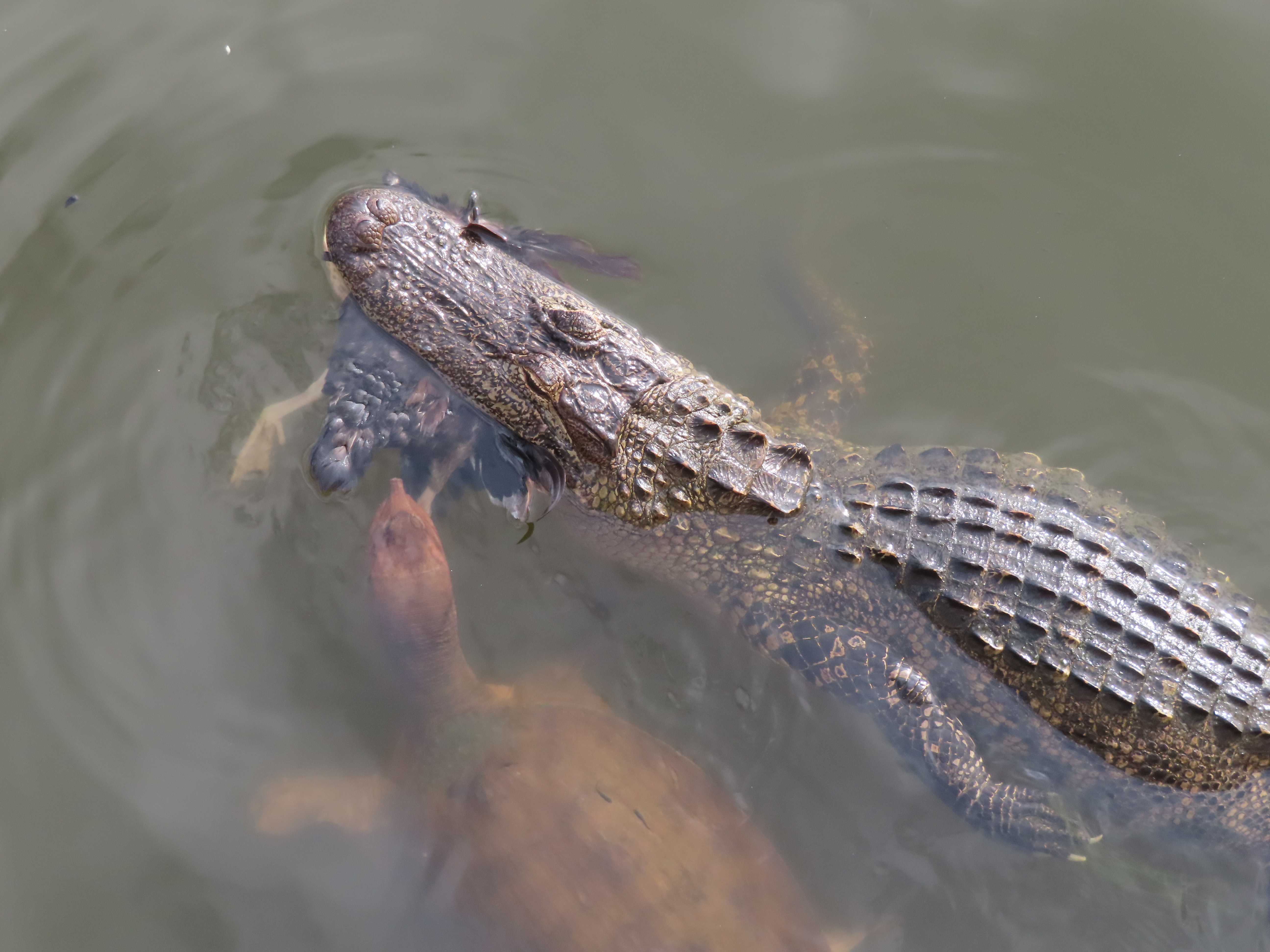
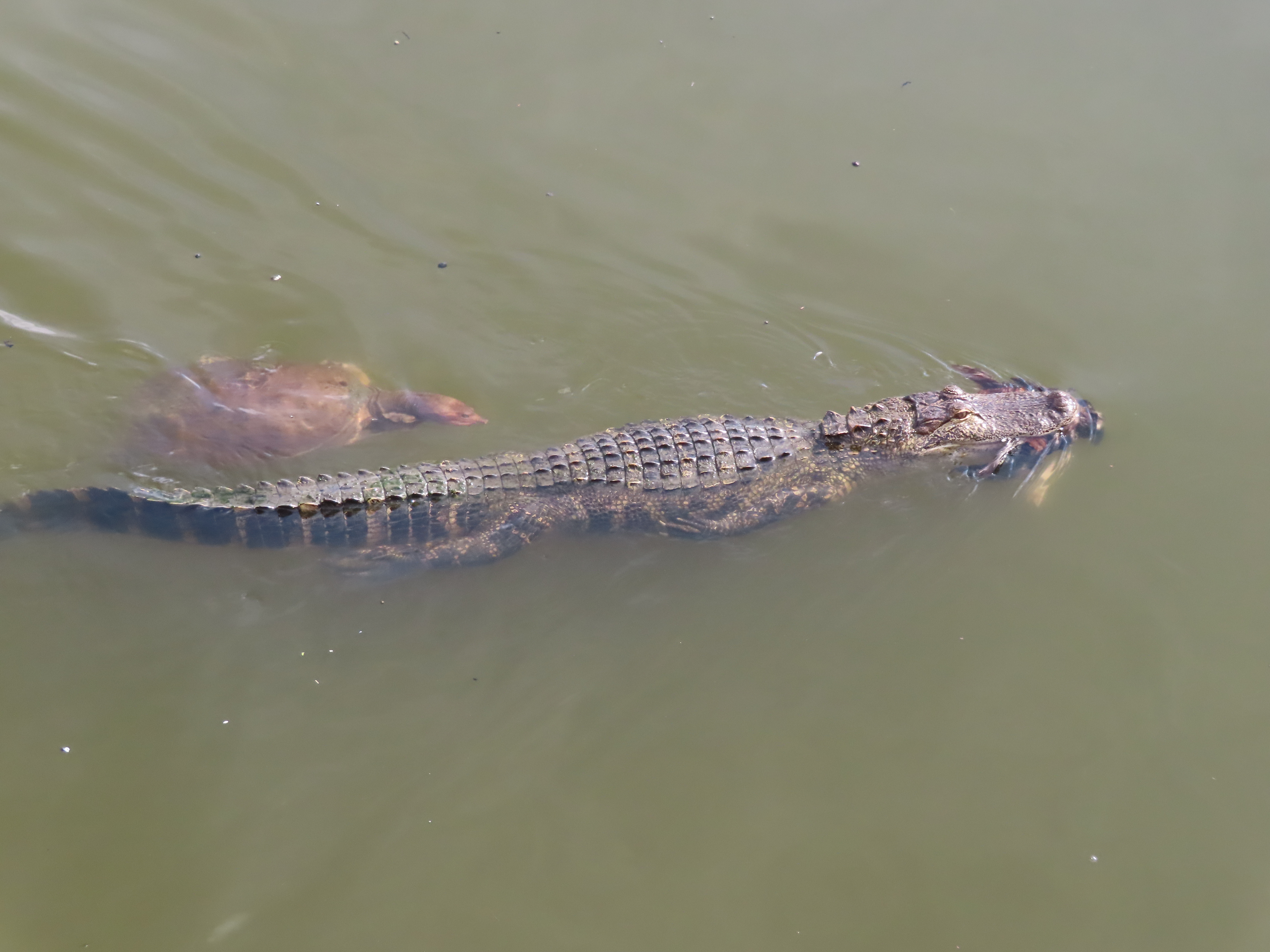

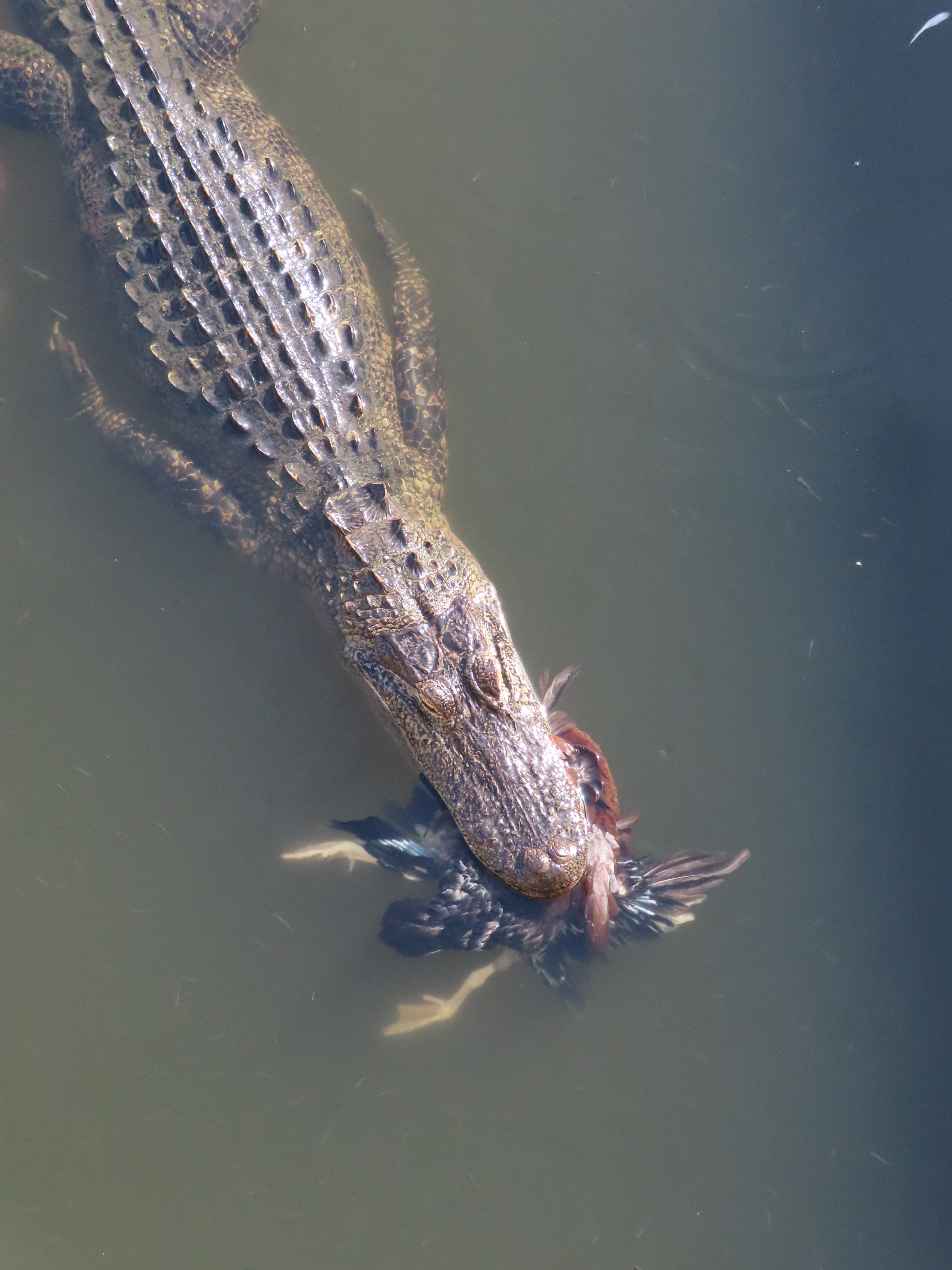
An alligator with a bird in its mouth is followed by a Florida softshell turtle. Click to enlarge photos.
When I came upon the scene the alligator already had the dead bird in its mouth. I didn’t witness the alligator capture the bird, and for all I know it could have been scavenged. I stayed for about an hour and watched the alligator as I was hoping to get pictures of it swallowing the bird. But this never happened. Instead, the alligator just kept swimming around with the bird in its mouth. Several other people stopped to look and photograph the alligator while I was there. One of them commented: “It looks like a dog parading around with a bone in its mouth.” I thought this was an apt comment. It seemed as if the alligator was prominently displaying its prize for all to see. It was completely unphased by the presence of people. Actually, it was swimming in loops along the edge of the pond directly adjacent to the paved path where people were walking – as if it were showing off its catch. It would occasionally disappear under the water for a few minutes and then surface again with the bird.
The Florida softshell turtle was obviously trying to get a meal. It was biting at the bird’s feet and feathers. The alligator mostly ignored this but occasionally swam faster when the turtle was nearby. Obviously, the turtle was under no predation threat and felt comfortable being in close proximity to this alligator.
Alligators eat turtles, both softshell and hard-shelled. A study of the stomach contents of 350 American Alligators from 3 lakes in northcentral Florida (all within 20 miles of Gainesville) found four species of turtle in their diet: Florida red-bellied turtle, Peninsula cooter, Stinkpot, and Striped mud turtle. This research found that it is primarily the largest size classes of alligators – those above 3 meters or 9.8 feet – which consumed turtles. Furthermore, turtles were more prevalent in the diet of male compared to female alligators. This makes sense given that male alligators are larger than females. This also matches with something I have observed. To me, there seems to be an inverse relationship between abundance of large (adult) alligators and turtles. That is, in waterbodies where there are lots of large alligators, I see fewer turtles, but in waterbodies where there are no alligators, or only smaller alligators, turtles seem abundant. This contrast is illustrated within Gainesville itself. Two places I frequent are Depot Park and the nearby La Chua Trail in Paynes Prairie Preserve State Park. La Chua Trail is less than 3 miles from Depot Park, just outside Gainesville. Here there is a large sinkhole known as Alachua Sink which drains the surrounding prairie of surface water. The presence of this sinkhole means that water is always present even during dry spells when the marsh-like prairie is otherwise dry. And this also means that large alligators congregate here. The place is really quite amazing; I have never seen such high density of alligators including in the Everglades. I have visited La Chua trail several dozen times and don’t recall seeing any turtles, even though the habitat seems perfect for turtles.
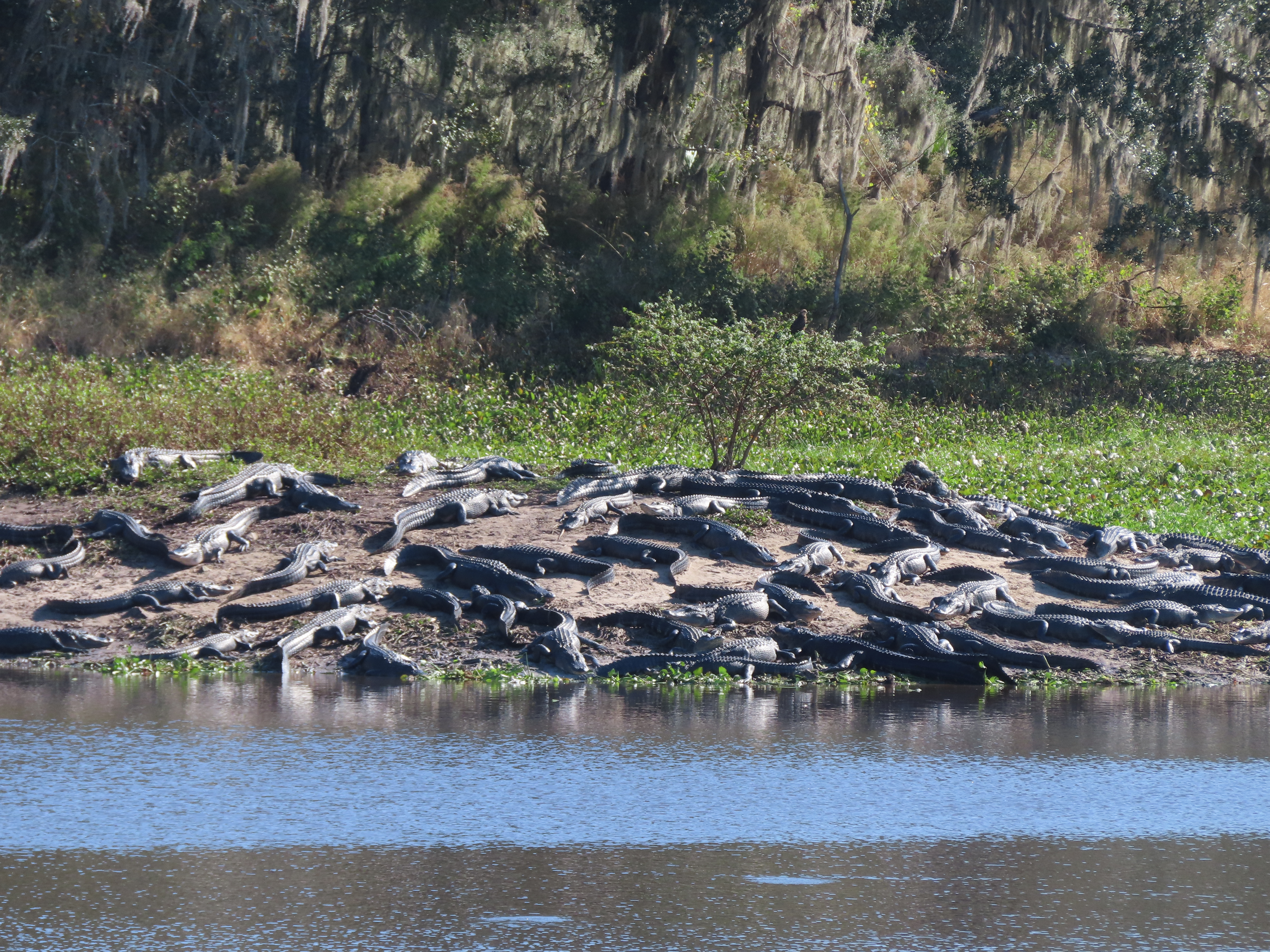
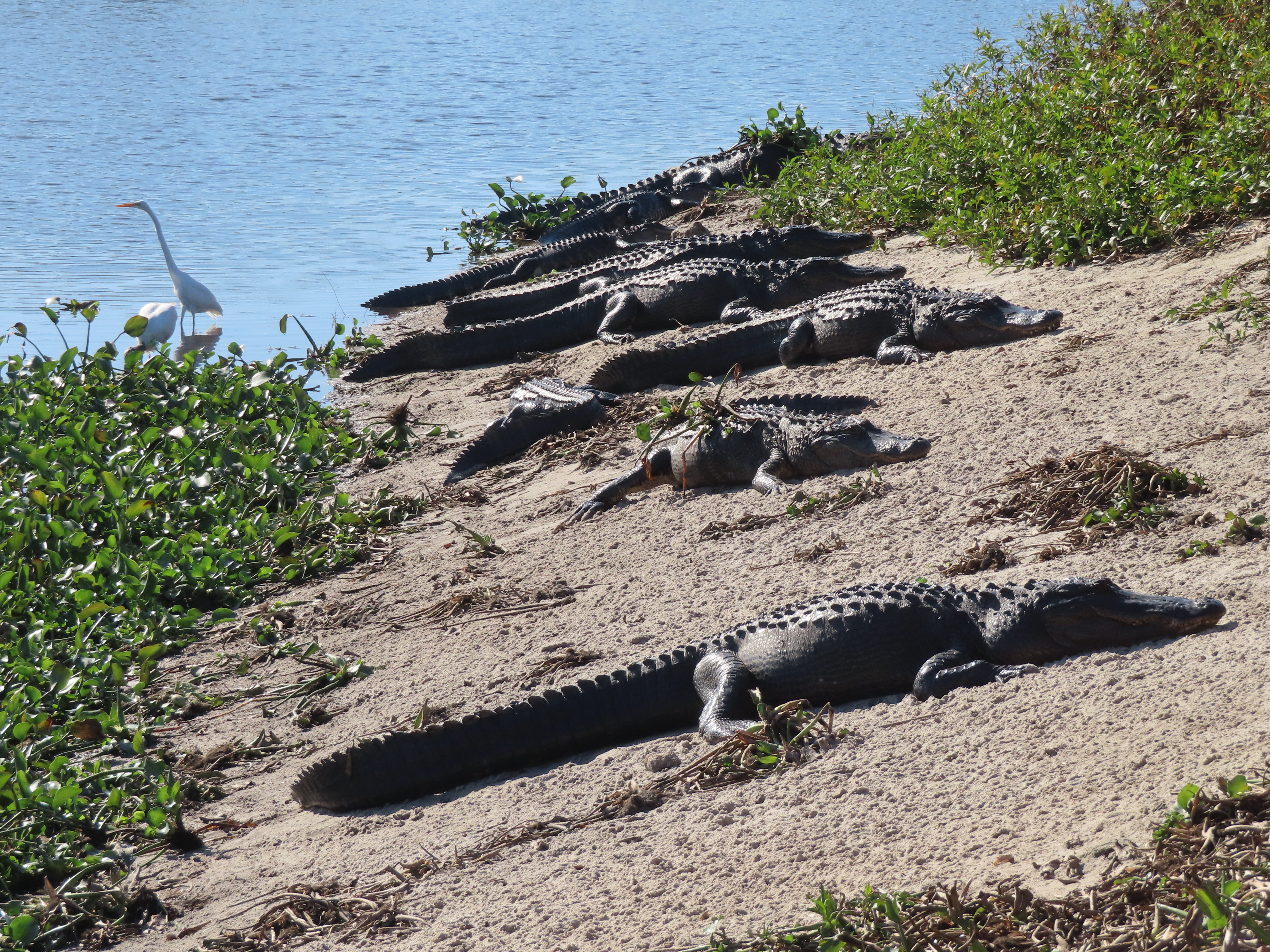
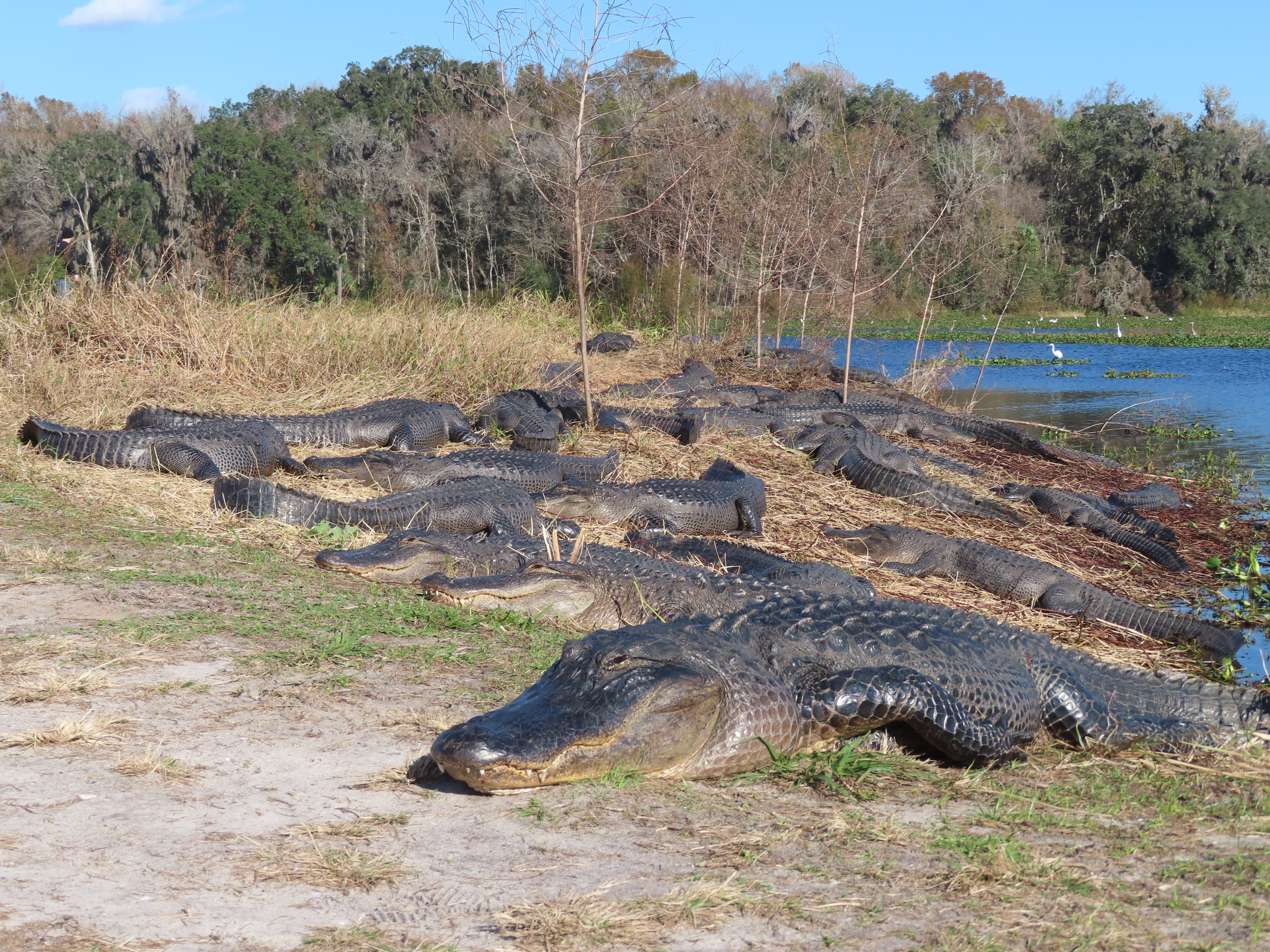
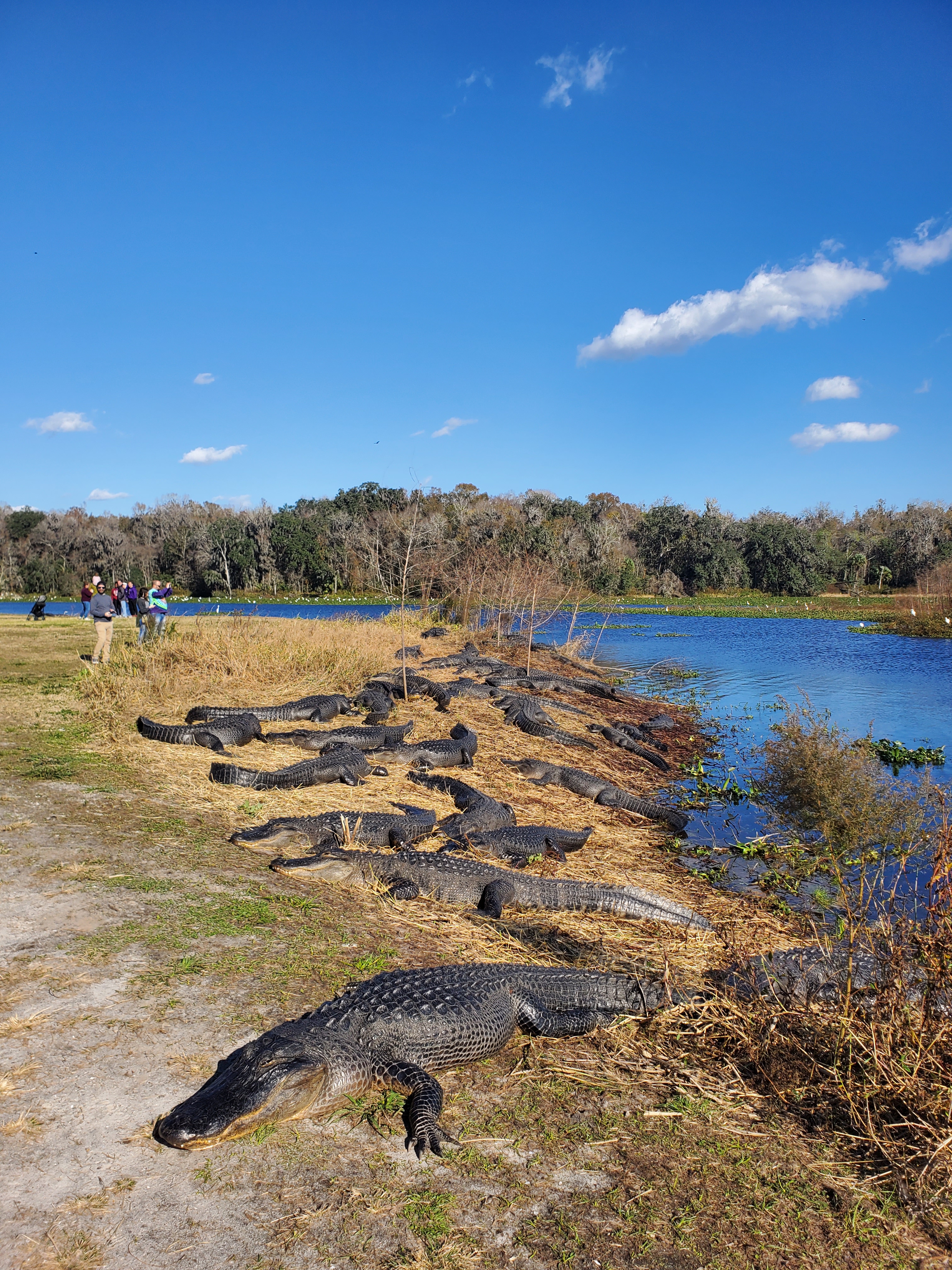
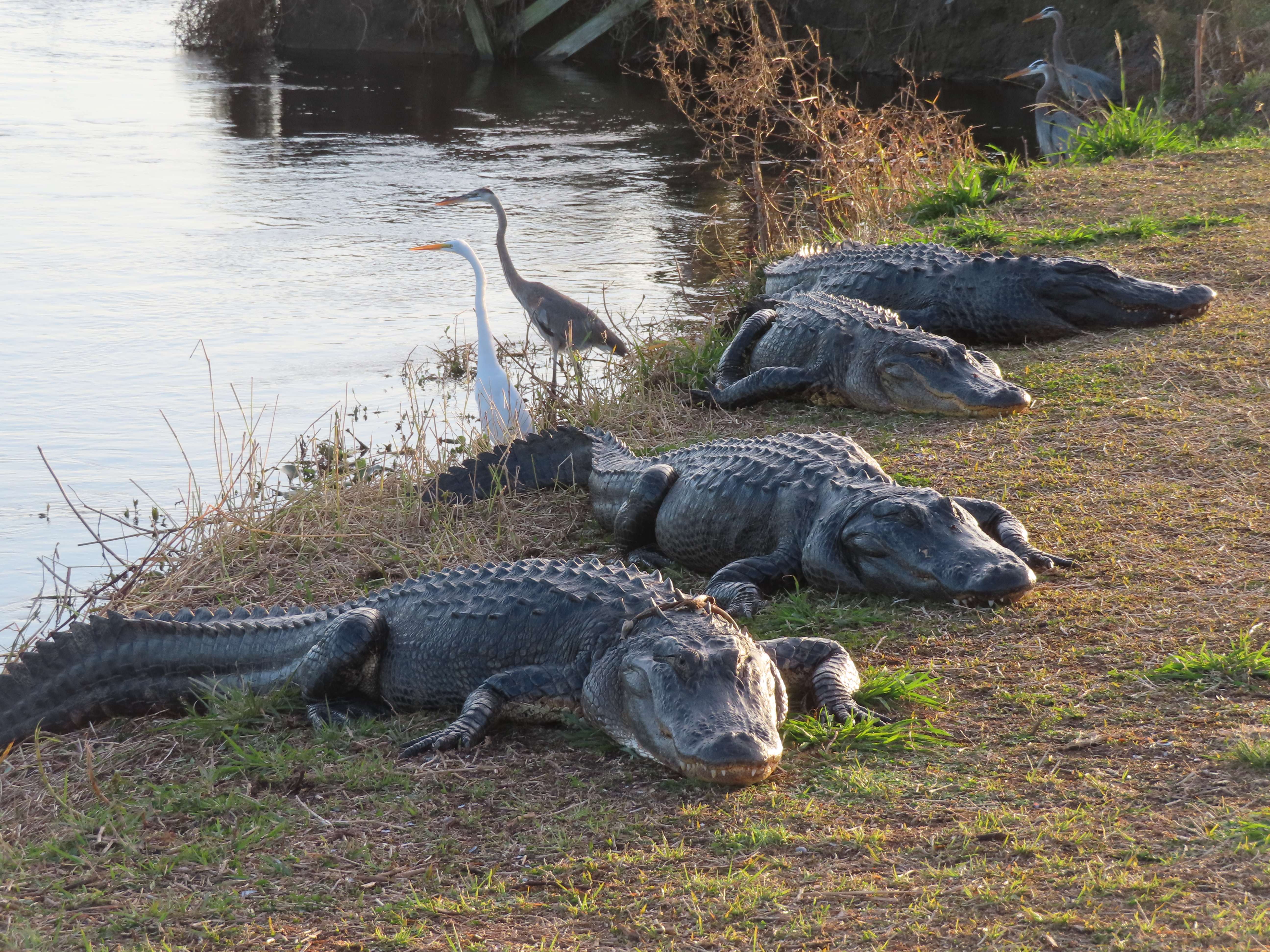
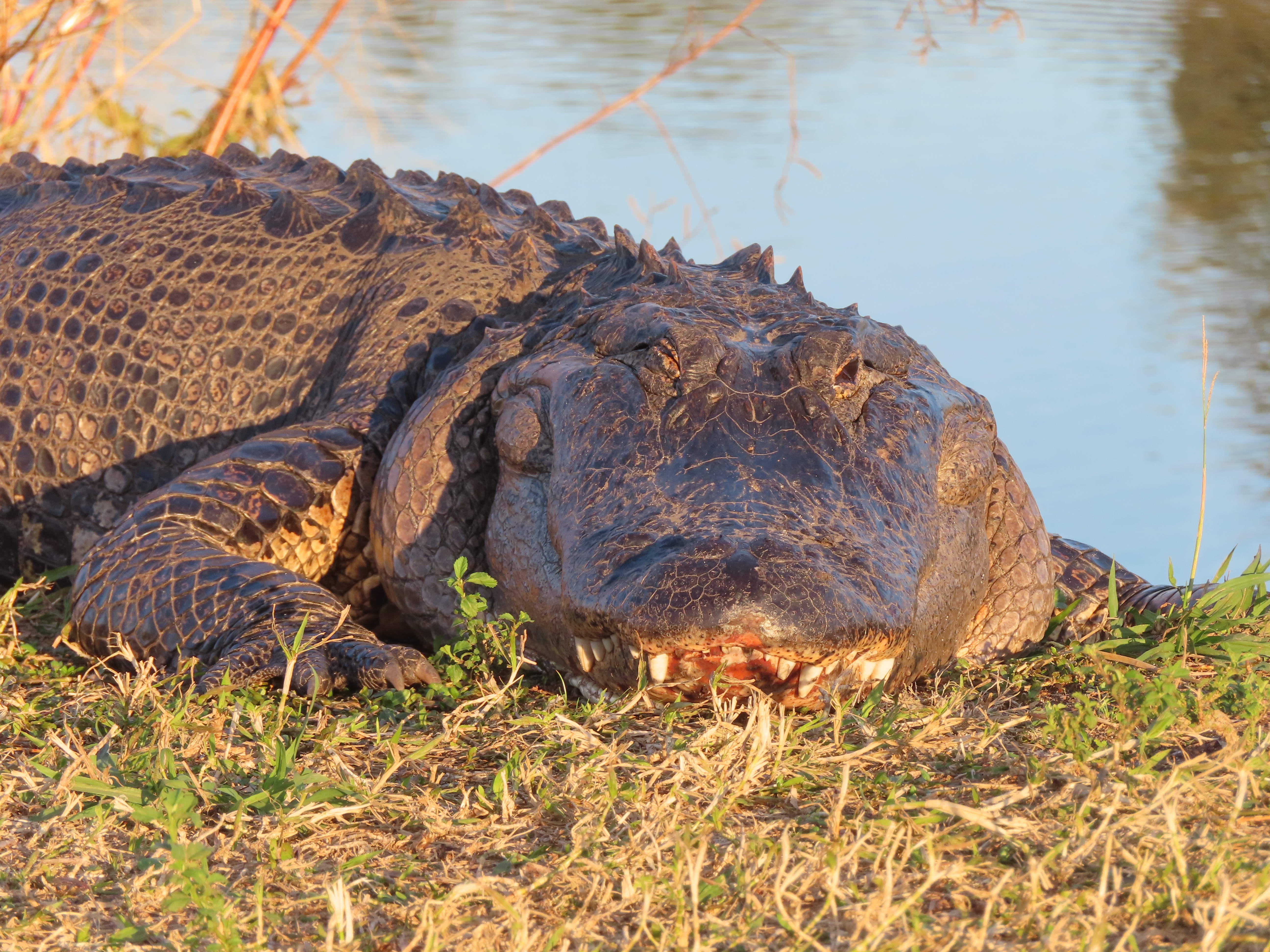
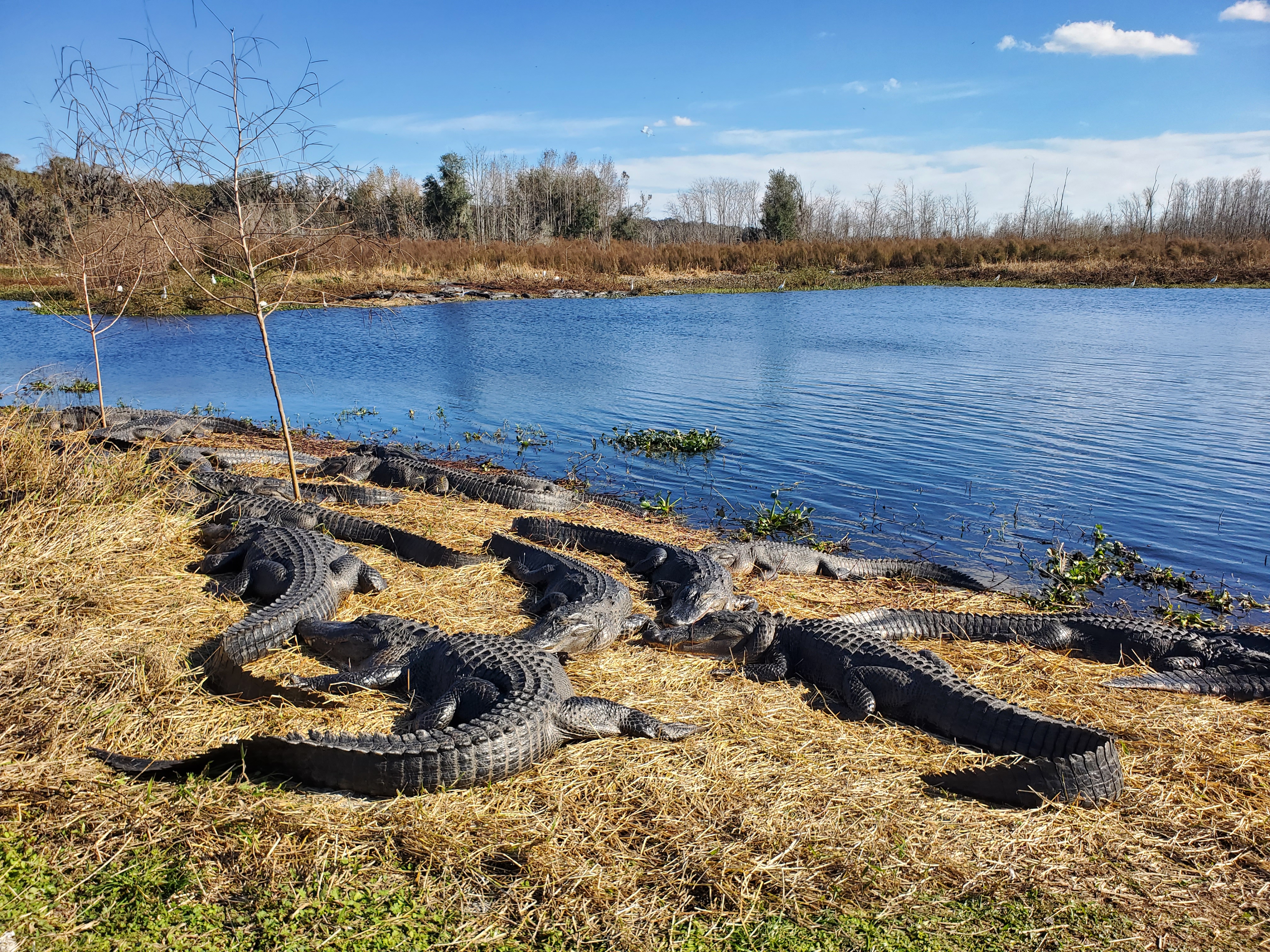
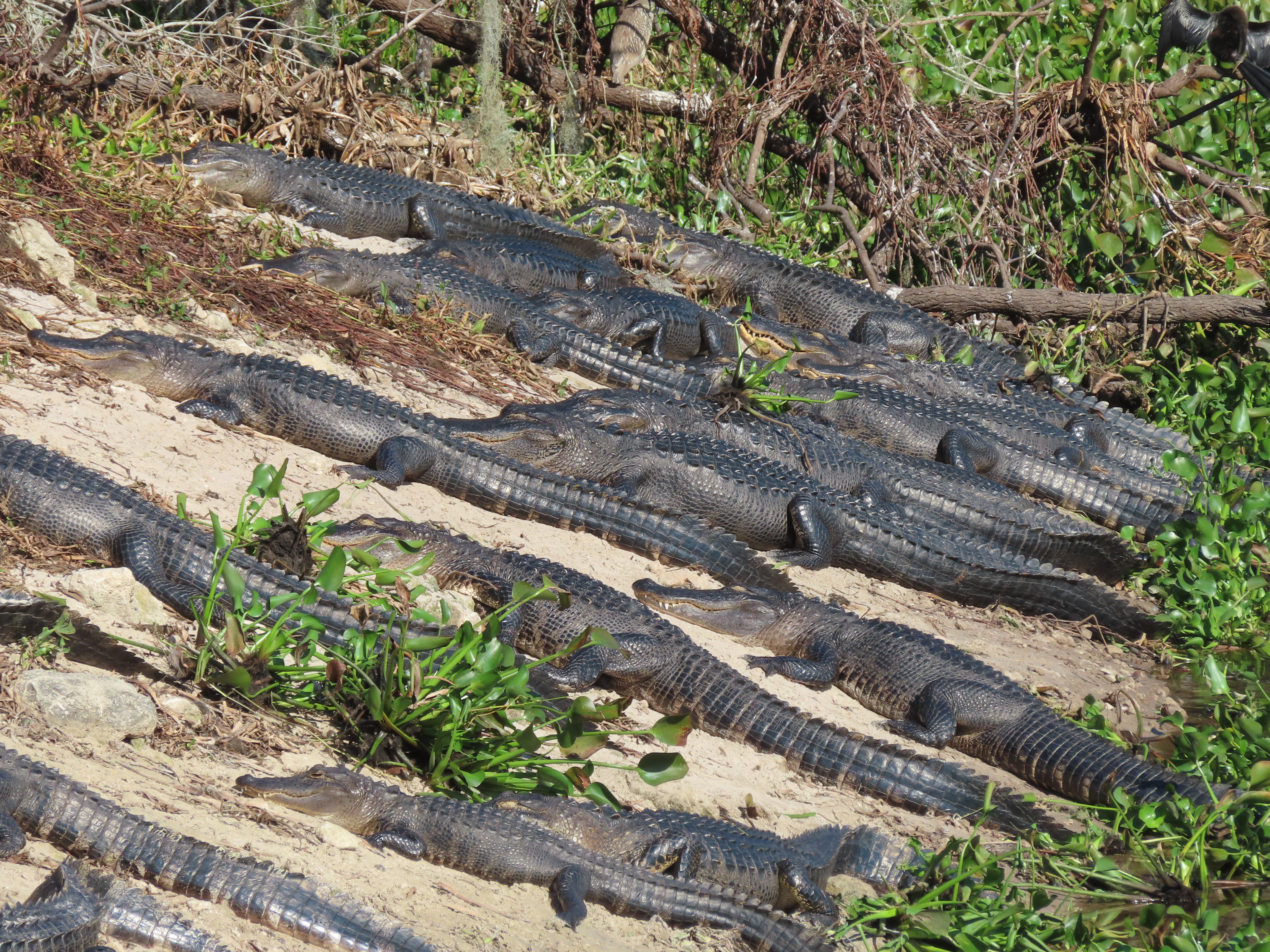
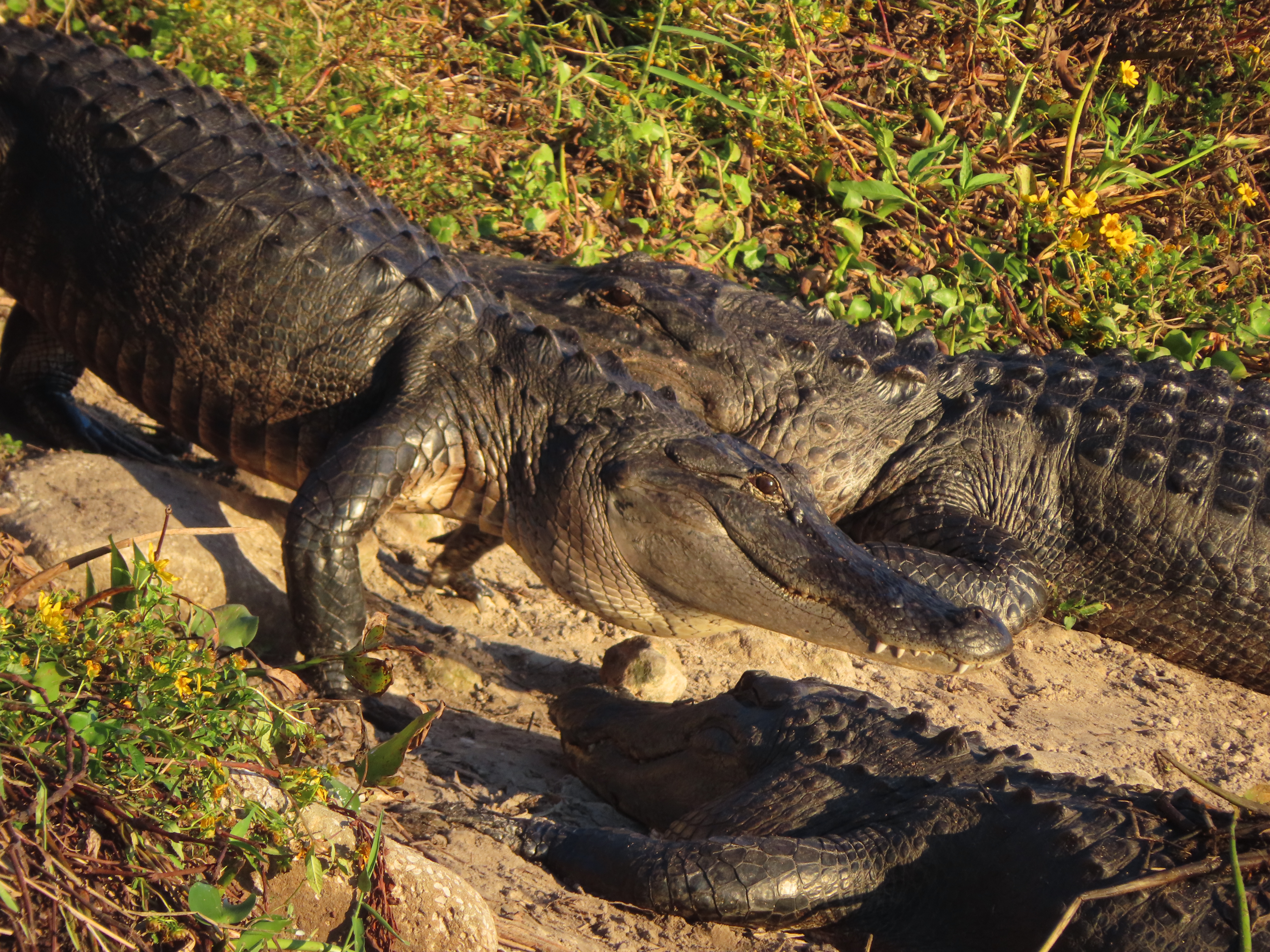
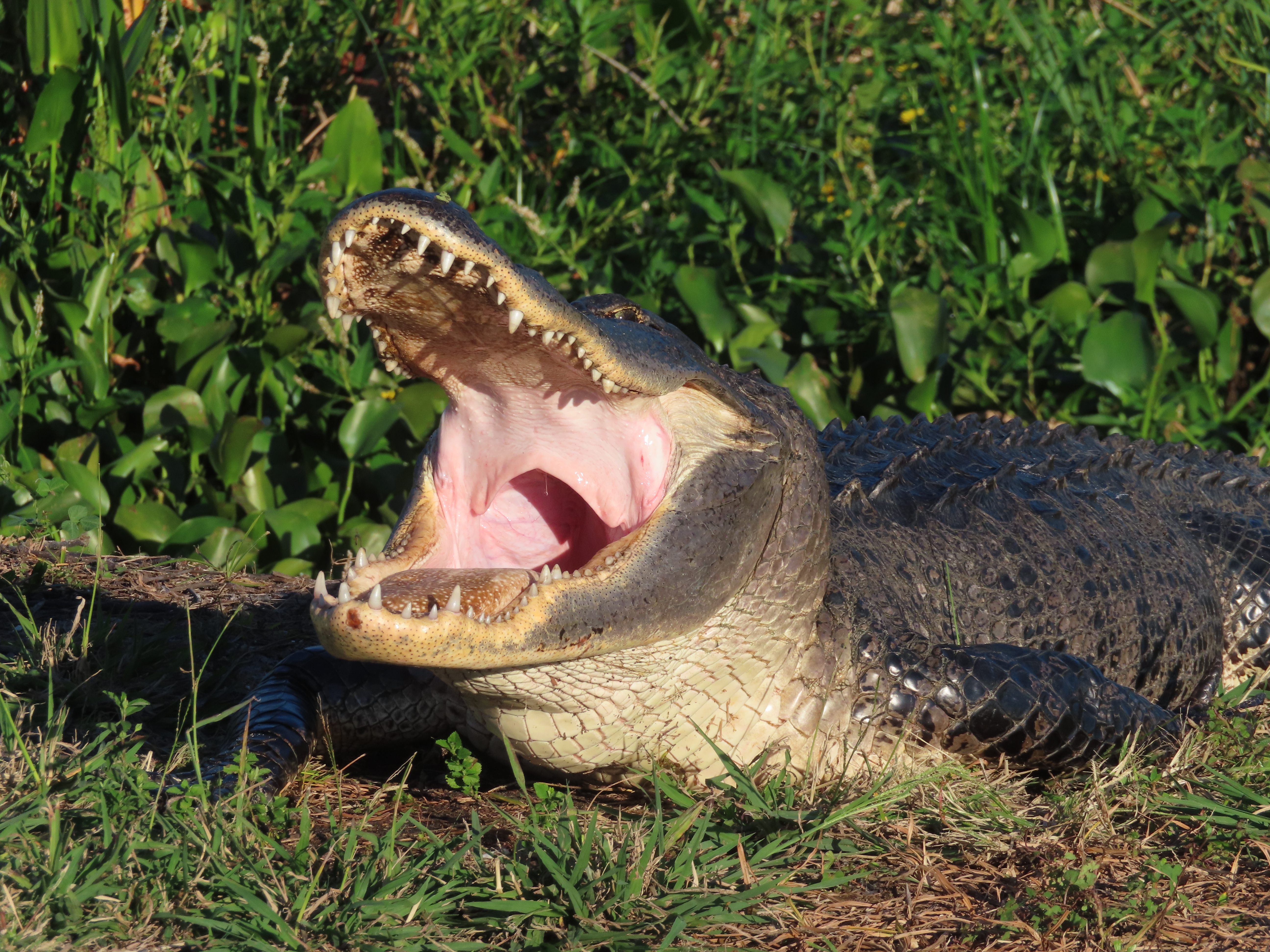
La Chua Trail in Paynes Prairie Preserve State Park contains large numbers of large alligators, but I have yet to see any turtles here. Click to enlarge photos.
In contrast, Depot Park contains abundant turtles, including several different species, but no large alligators. The largest alligators I have seen in Depot Park are about 6 feet in length. The habitat seems suitable for larger alligators but they simply aren’t present. My hypothesis for why this is the case is that large alligators are removed by state wildlife officials. This is an urban park which is popular with dog walkers and contains a playground for children. The presence of large alligators in an urban park may not be compatible with small children and pets walking near the waters edge.
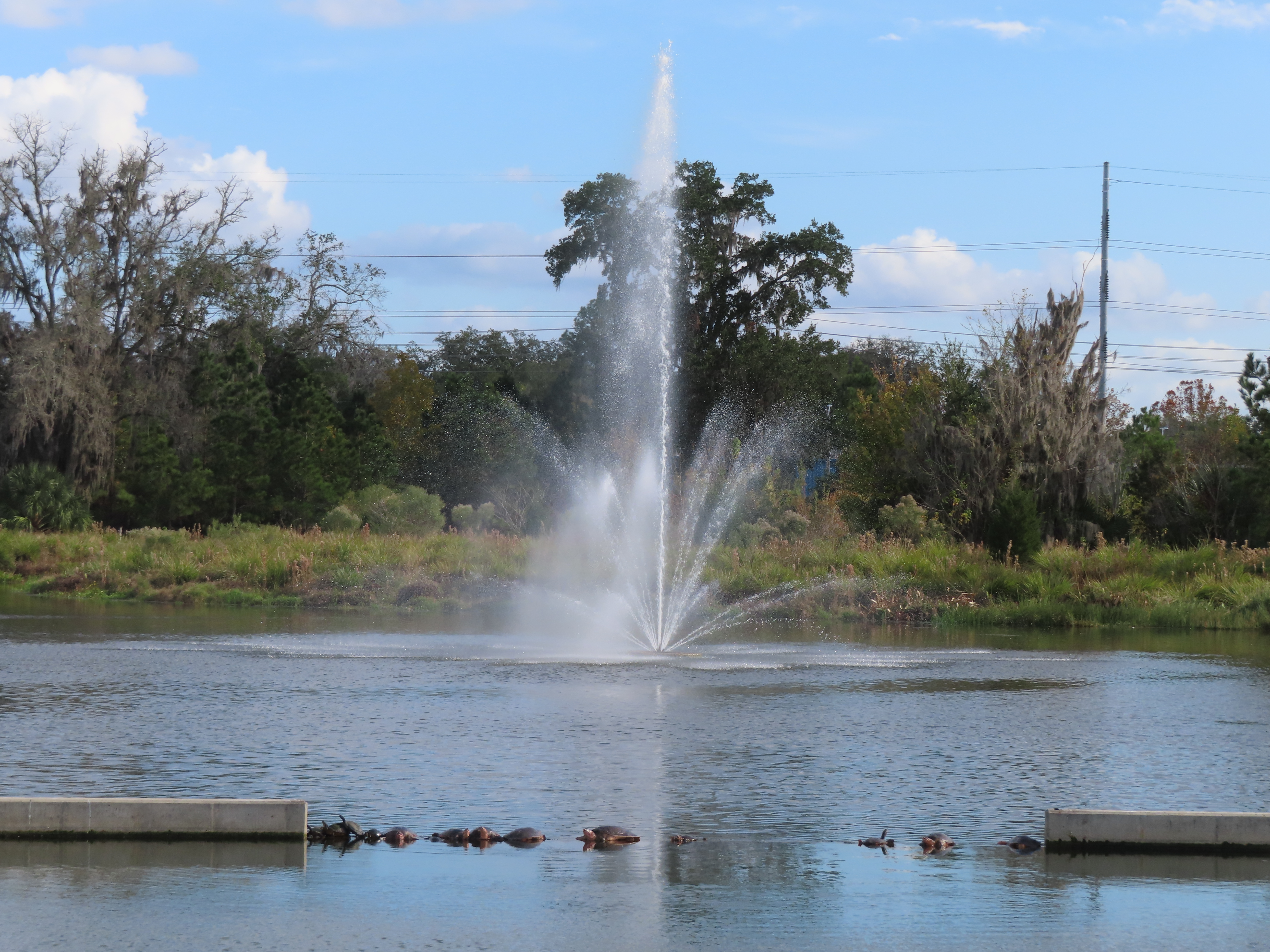
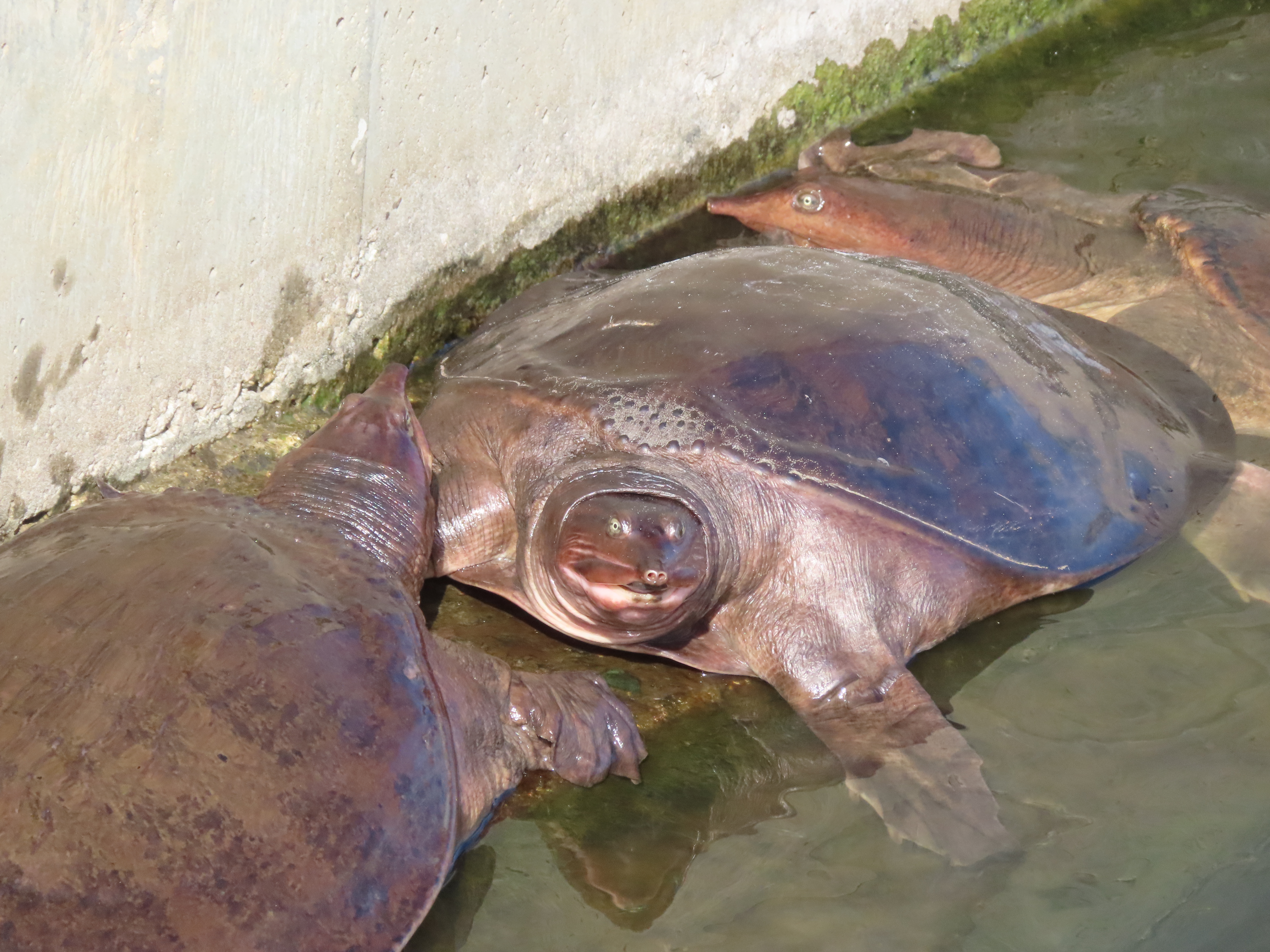
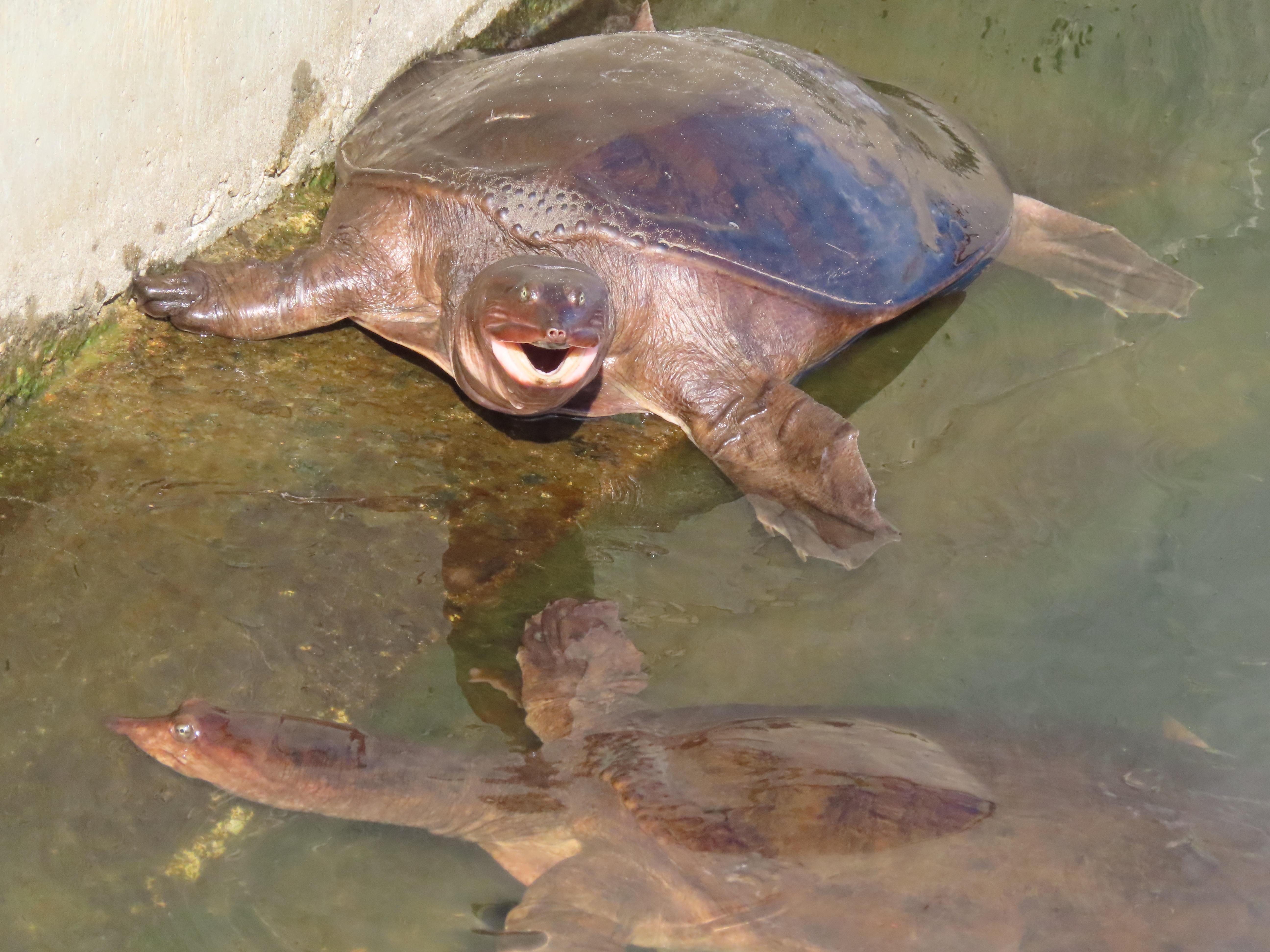
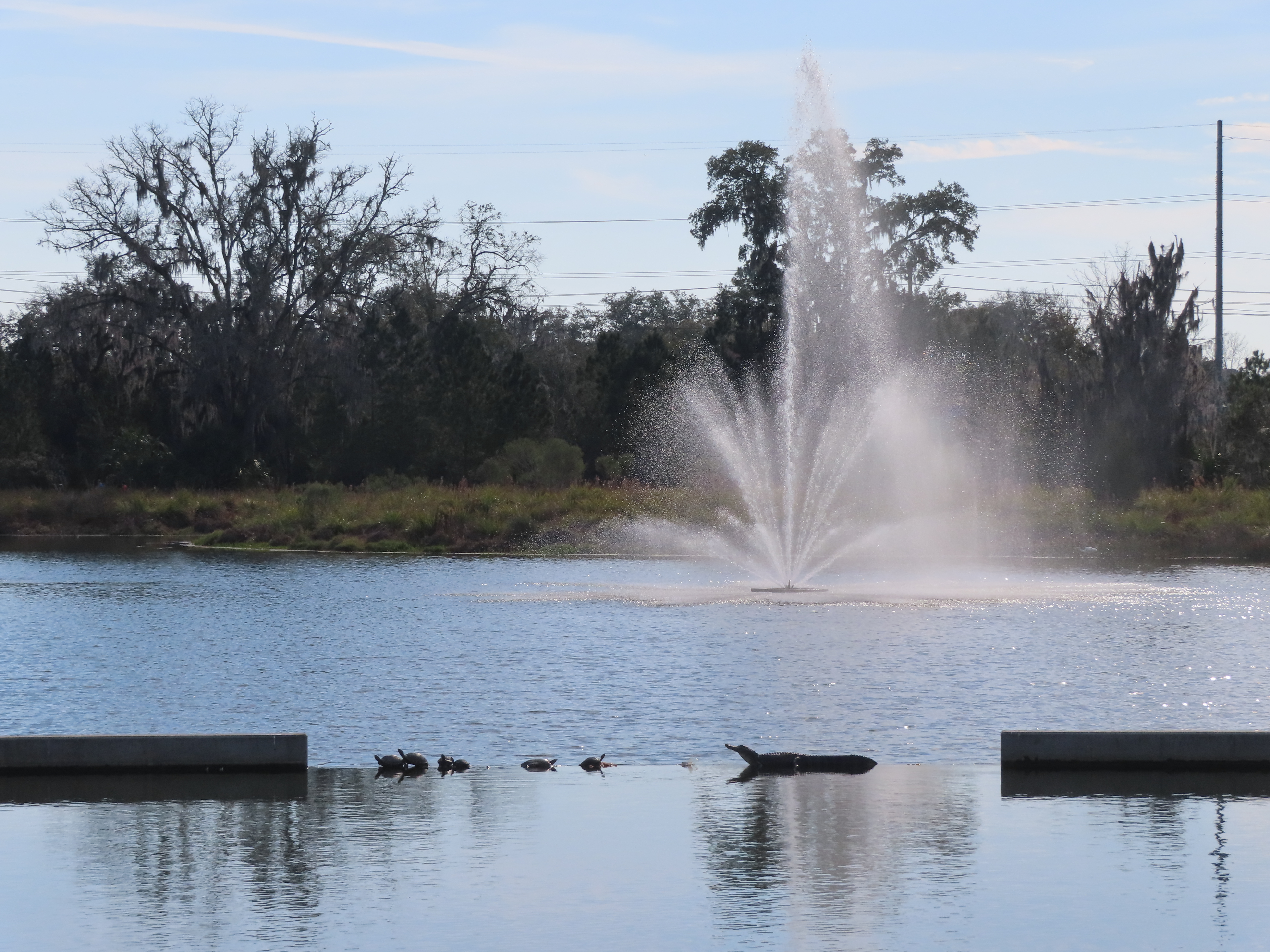
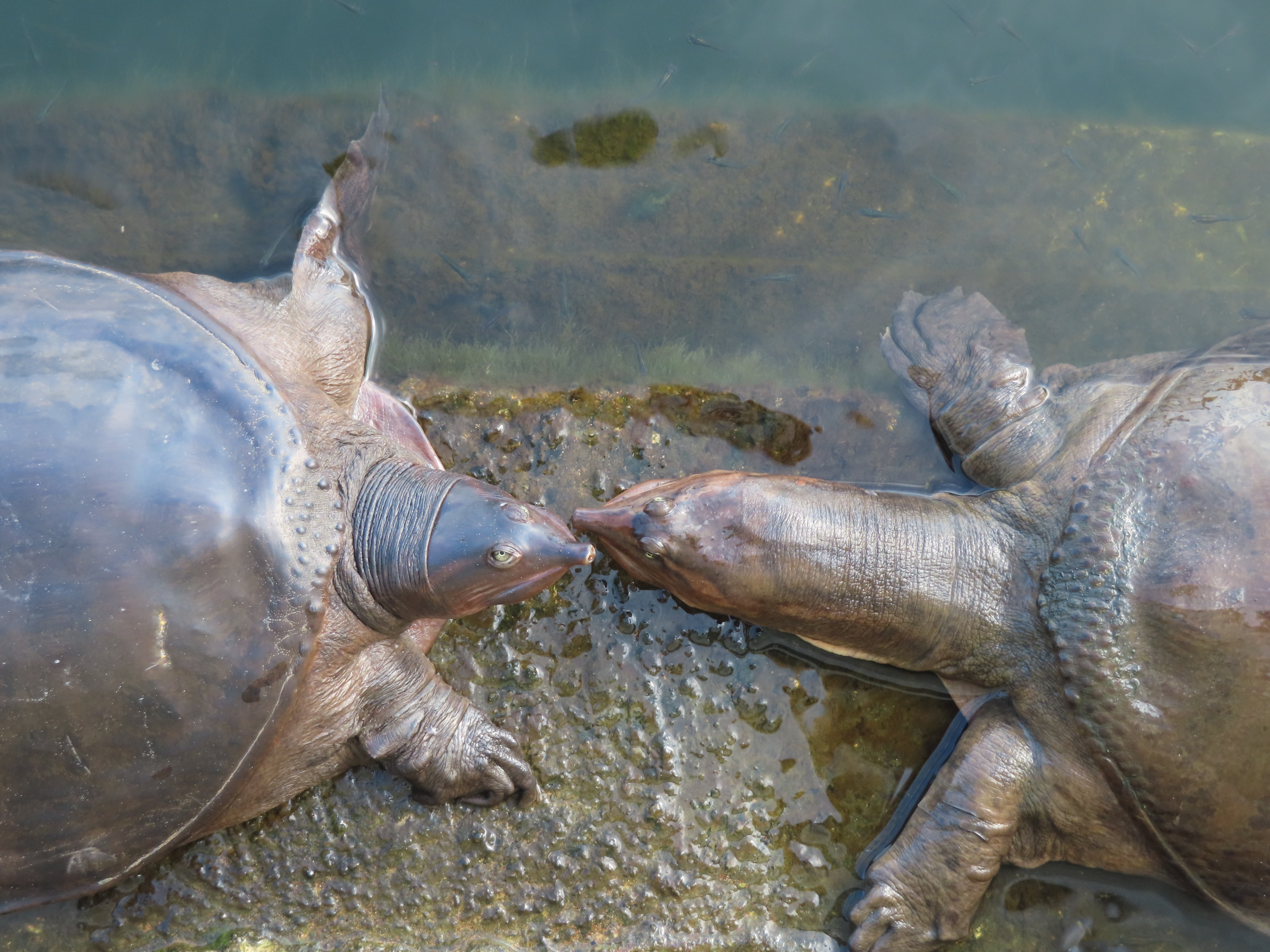
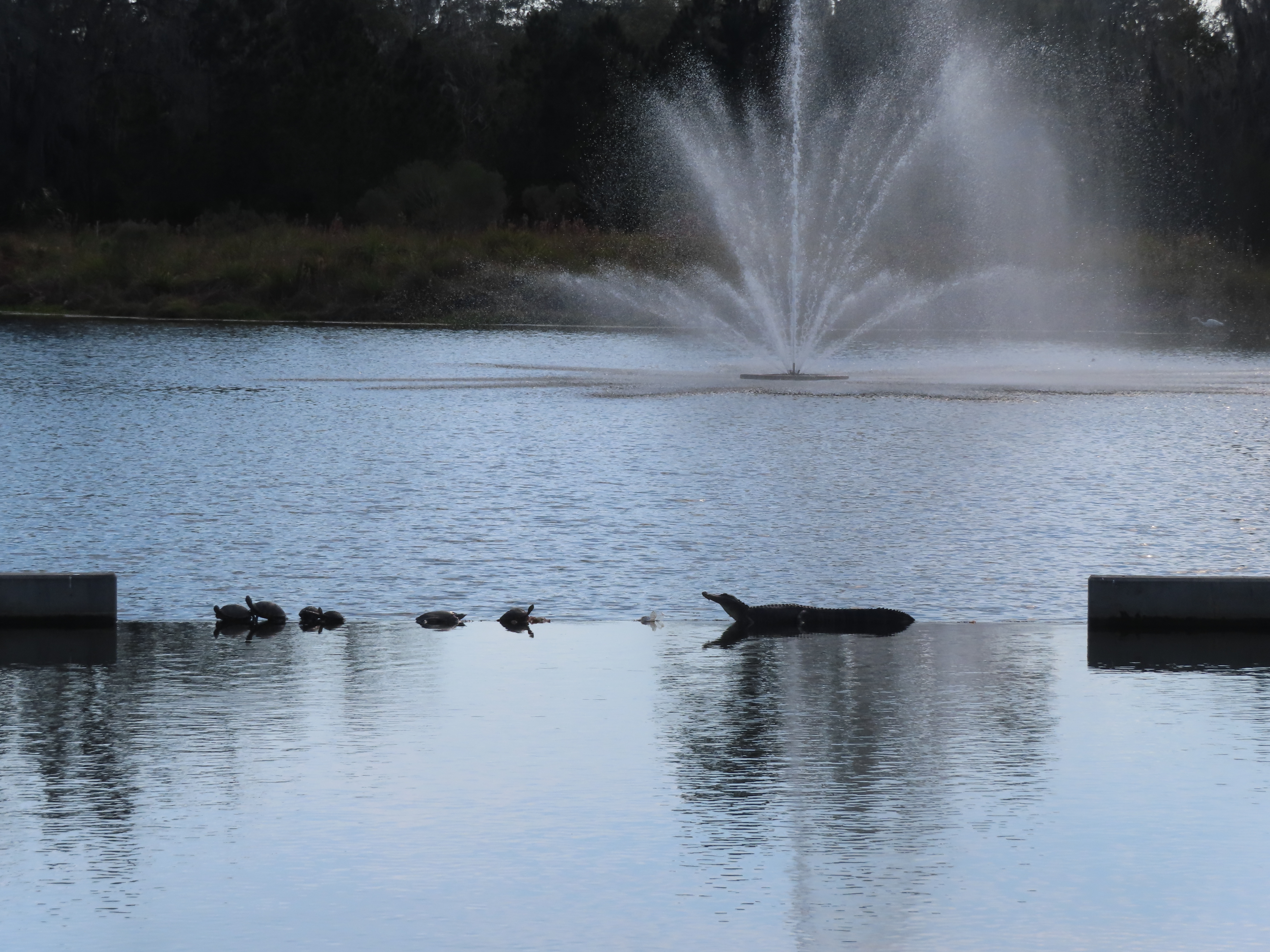
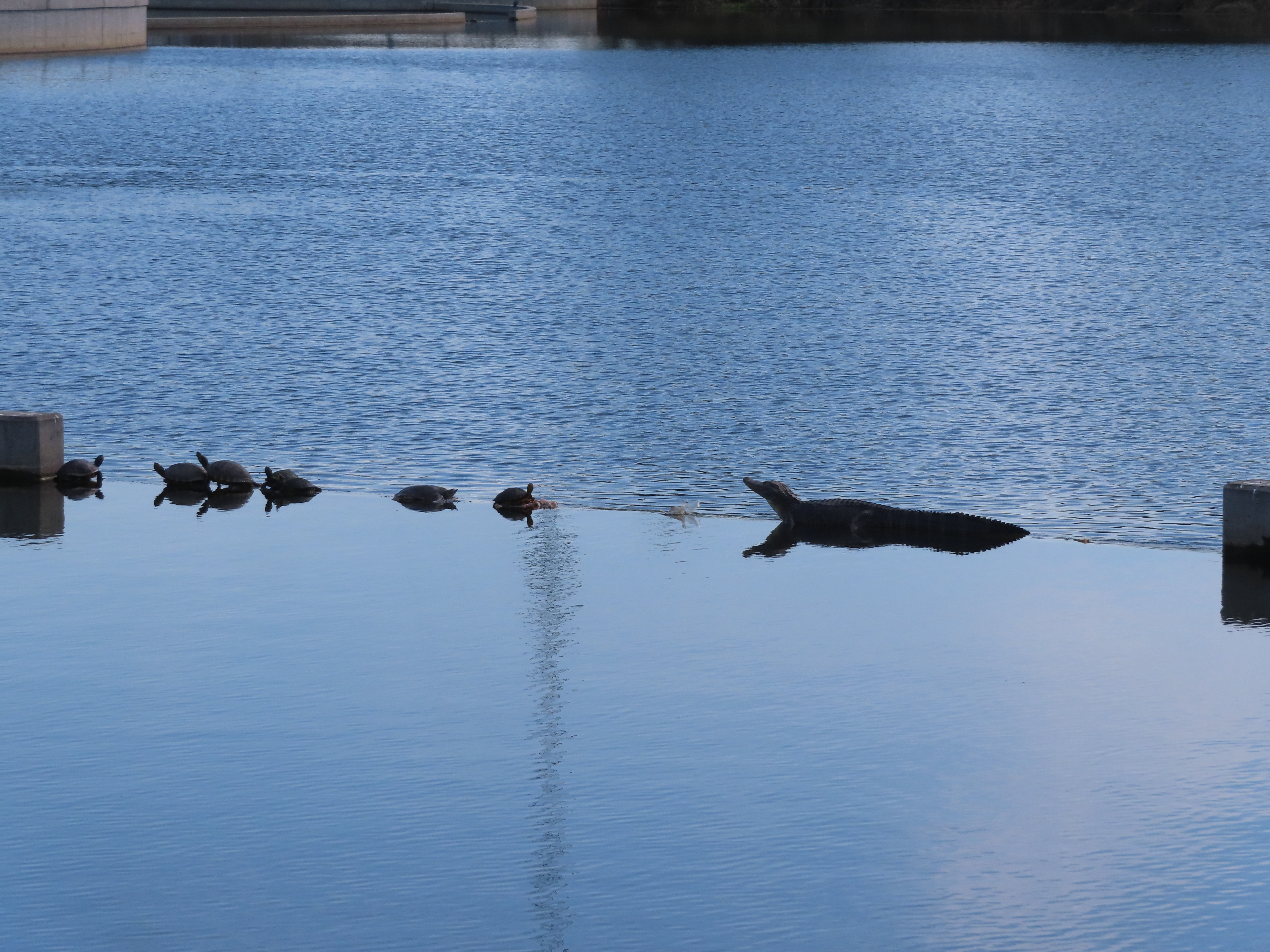
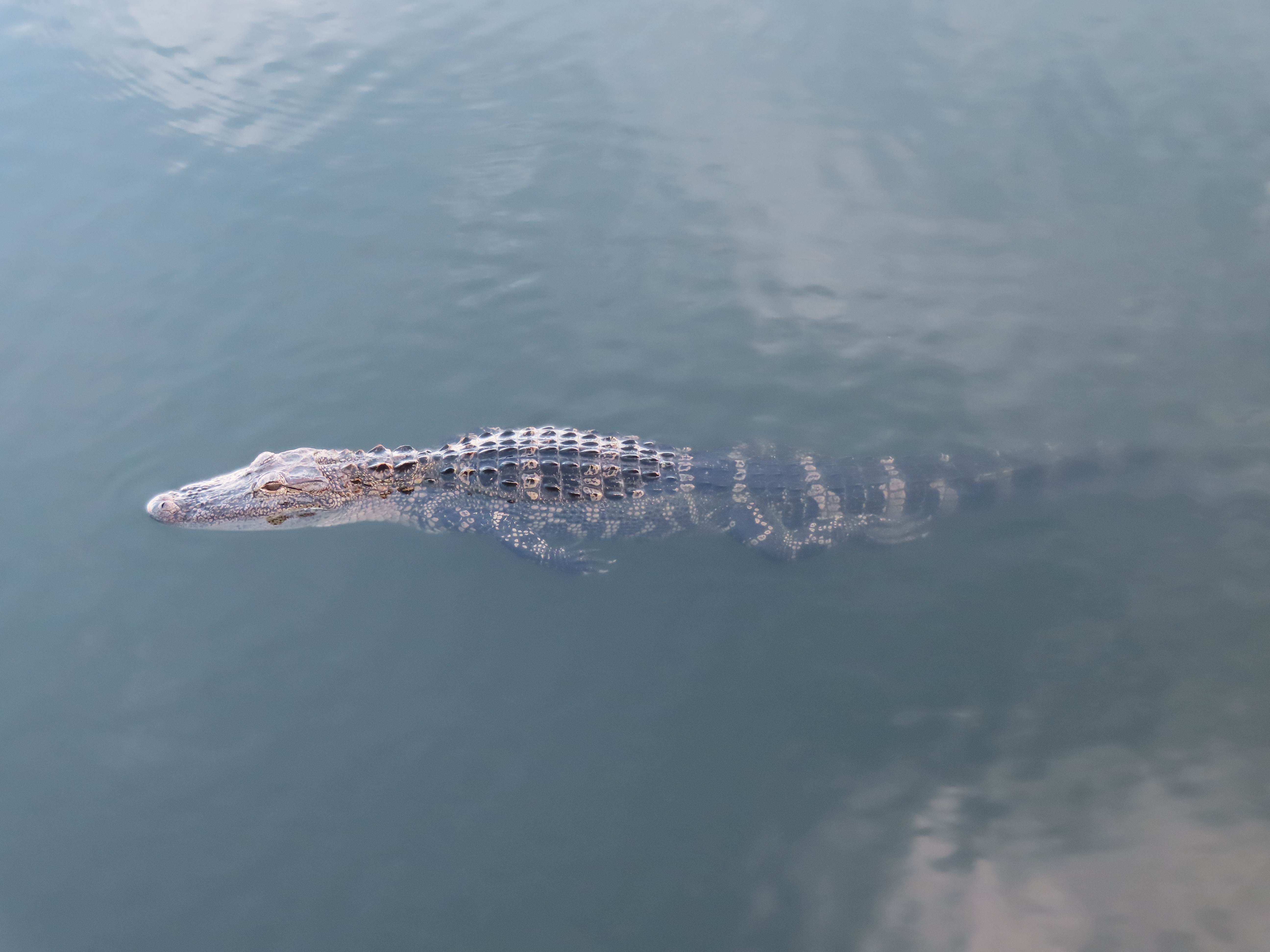
Depot Park in Gainesville contains smaller alligators and numerous turtles. Click to enlarge photos.
The association between presence and size of alligators and turtle abundance could be formally tested by performing counts of these species in different types of habitats. But in the meantime, I can generate a rule of thumb. A good place to consistently see large alligators in Florida is protected areas such as state and national parks where the largest individuals are offered protection from hunting and trapping. And a good place to easily see abundant water turtles is urban and semi-urban parks where large alligators are unlikely to found due to removal by humans.
 Reason and Nature
Interesting observation, but not necessarily an unfathomable conclusion that a collection of large gators could feed upon rather small, even though somewhat protected turtles. I have been in Florida many times, would love to see something like you photographed, many large alligators.
LikeLike