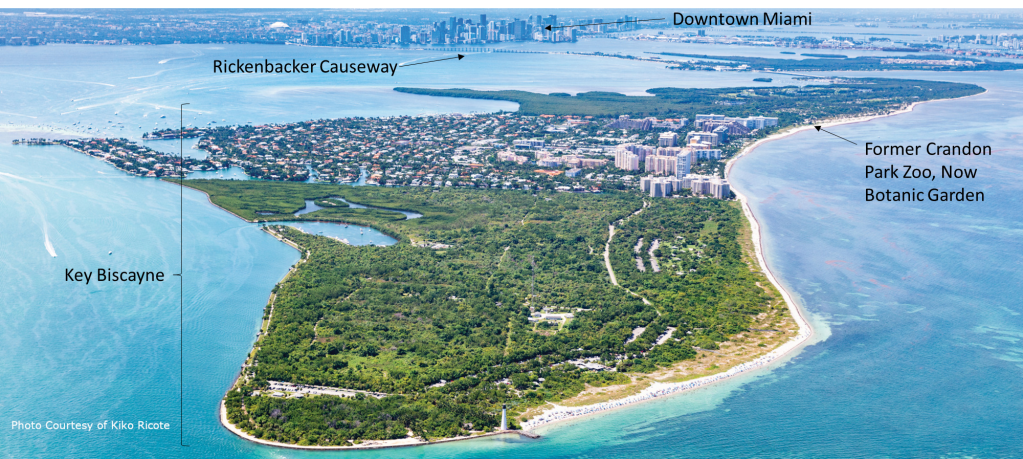
Key Biscayne is a small barrier island less than 5 miles from downtown Miami. About half the island consists of a park (Crandon Park), which itself contains a golf course, a world-class tennis facility that formerly held the Miami Open, beautiful white sand beaches, and an abandoned zoo which is now a botanic garden. While living in Miami I visited Crandon Park and stumbled upon this place, not knowing what it was. It turned out to be a hidden gem for wildlife viewing. I returned to this botanic garden time and time again and the wildlife never ceased to amaze. Some of my favorite wildlife photos were taken here. So, I decided to write a post about this unique place and showcase some of these photos.
The history of Crandon Park Zoo
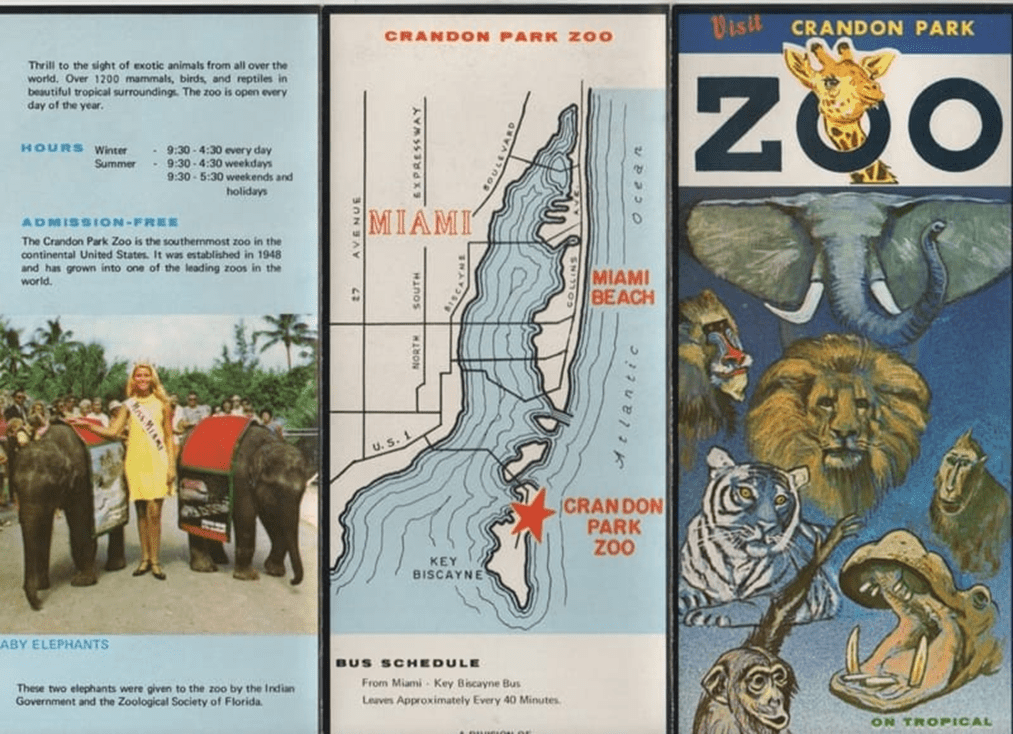
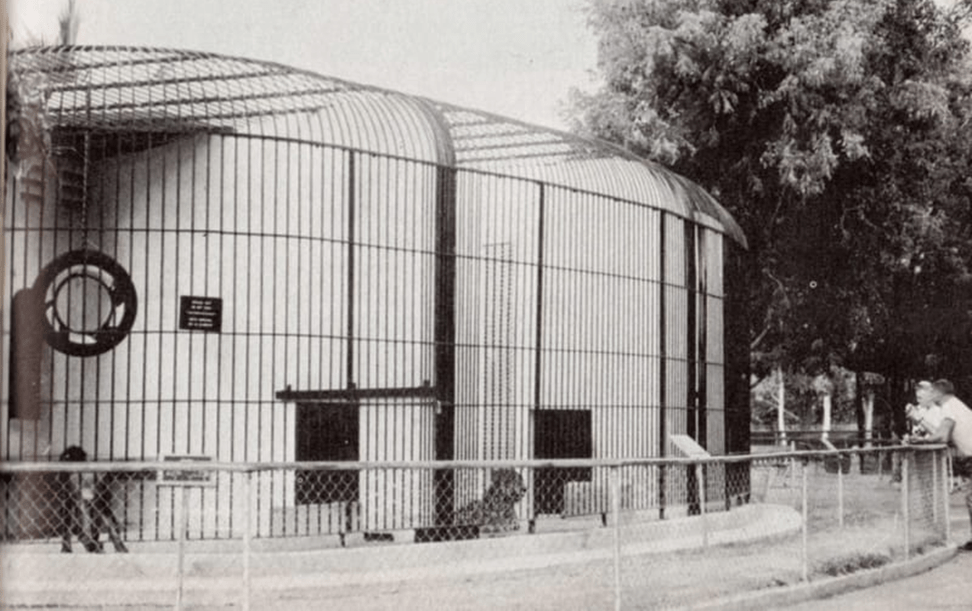
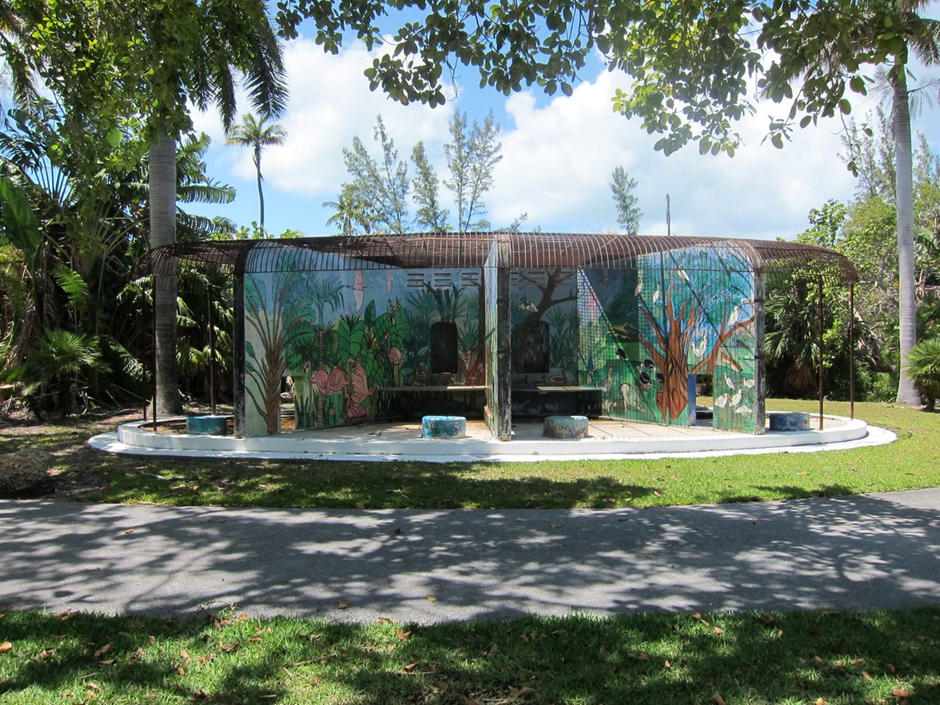
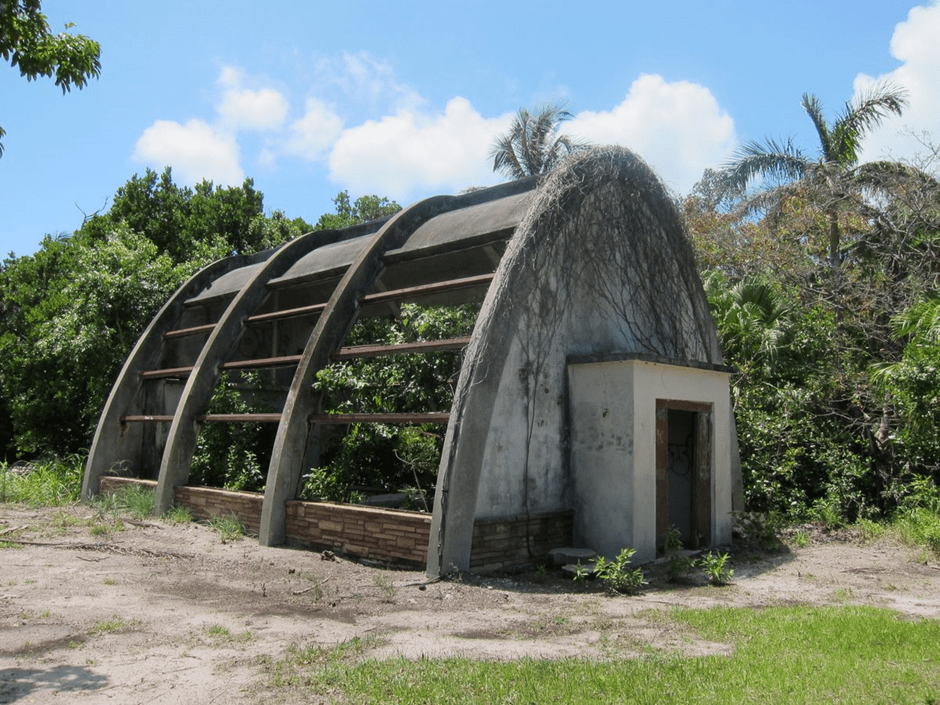
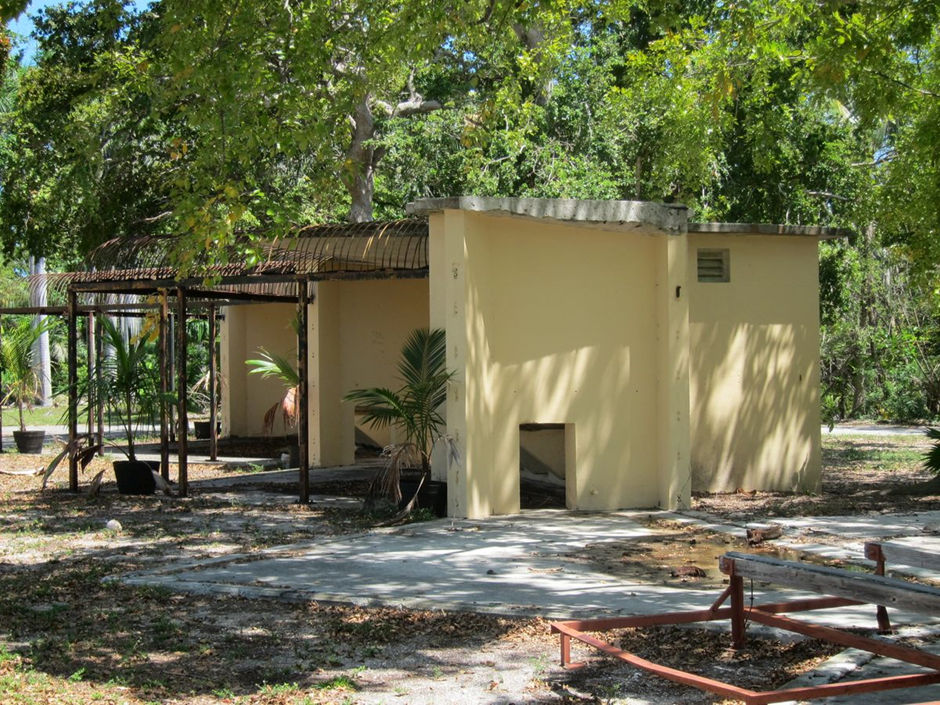
The zoo began in 1948 when a travelling animal show broke down in the Miami area. The city of Miami purchased the animals and created the city’s first public zoo on newly acquired land on Key Biscayne. In 1965, Hurricane Betsy hit Key Biscayne causing devastation and killing some animals during the subsequent flooding. The zoo was rebuilt and subsequently grew in size, peaking at over 1,200 animals including lions, bears, chimpanzees, camels, giraffes, and even penguins. The city began plans for a larger more modern zoo in a more protected inland area. Zoo Miami opened in 1980 at the same time Crandon Park Zoo was shuttered. The area was converted to a botanic garden that opened 10 years later. However, the zoo layout remains with wide footpaths that meander past the remnants of zoo infrastructure including old concrete and steel bar cages and ponds that were once part of larger outdoor enclosures.
What makes it Interesting
I think what makes this place interesting is both the surroundings and the wildlife. The surroundings are unique. You are on a small barrier island right next to the beach surrounded by tropical vegetation and water – the most unlikely place for a zoo. You also get the feeling that you are walking through an abandoned zoo, and not a regular botanic garden. Some of the zoo infrastructure is still present including the remnants of cages, animal houses, and cement watering holes. For whatever reason the gardens seem to be not well known. In the half dozen times I visited, there were never more than a handful of other people in the entire gardens. Finally, wildlife has overrun the place. It is a zoo returned to its natural state with native and exotic animals everywhere. In particular, it is a birder’s and herper’s paradise. Florida has the largest number of introduced reptile species in the entire world. And a large fraction of them are present in this little park (ref). Sit on a bench by one of the ponds and you are likely to see hordes of green and black spiny-tailed iguanas, potentially American crocodiles, Florida softshell turtles, peacocks, sandhill cranes, Egyptian geese, and a variety of waterbirds.
All of the below photos were taken over a one-hour period on March 17th, 2022.
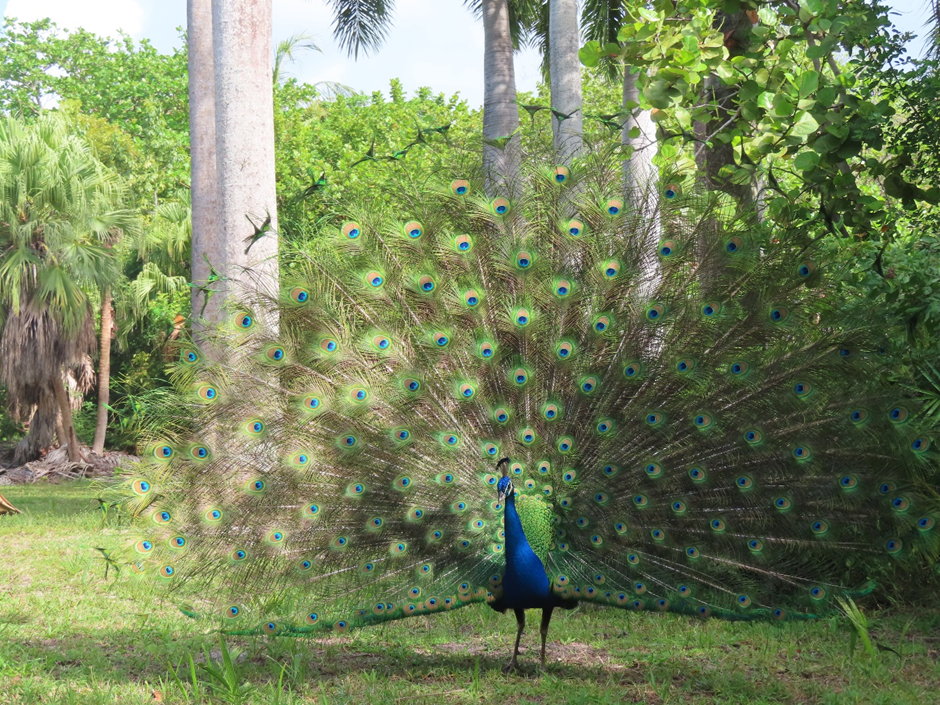
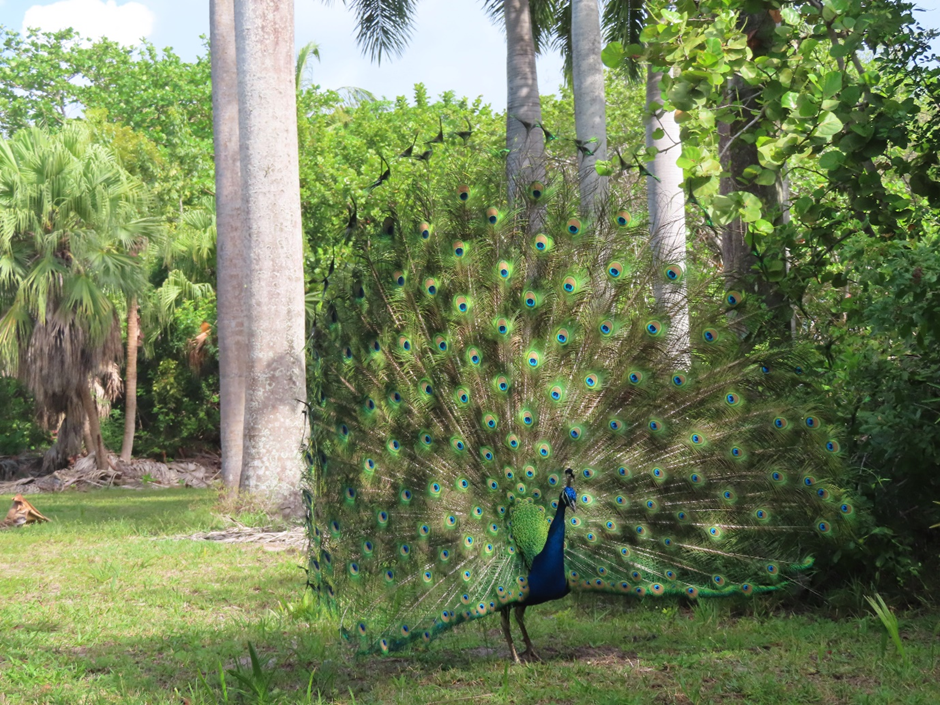
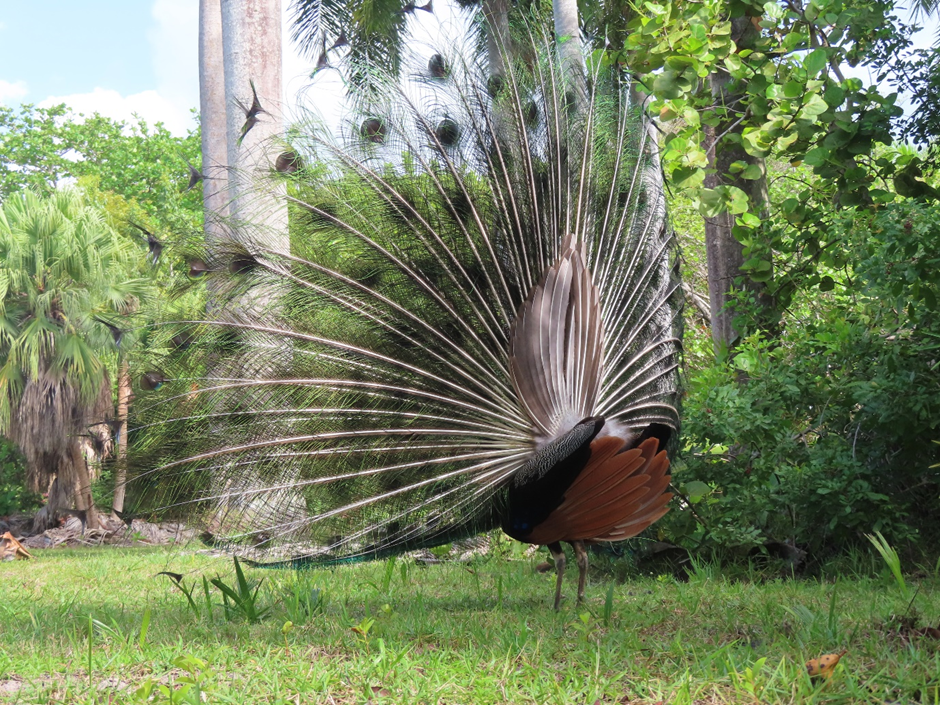
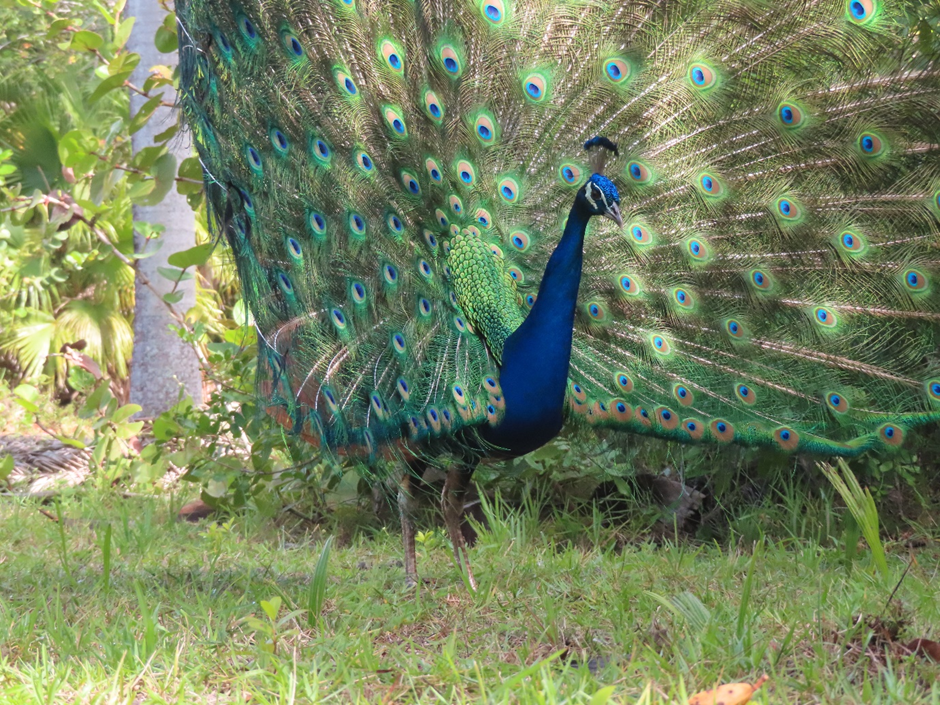
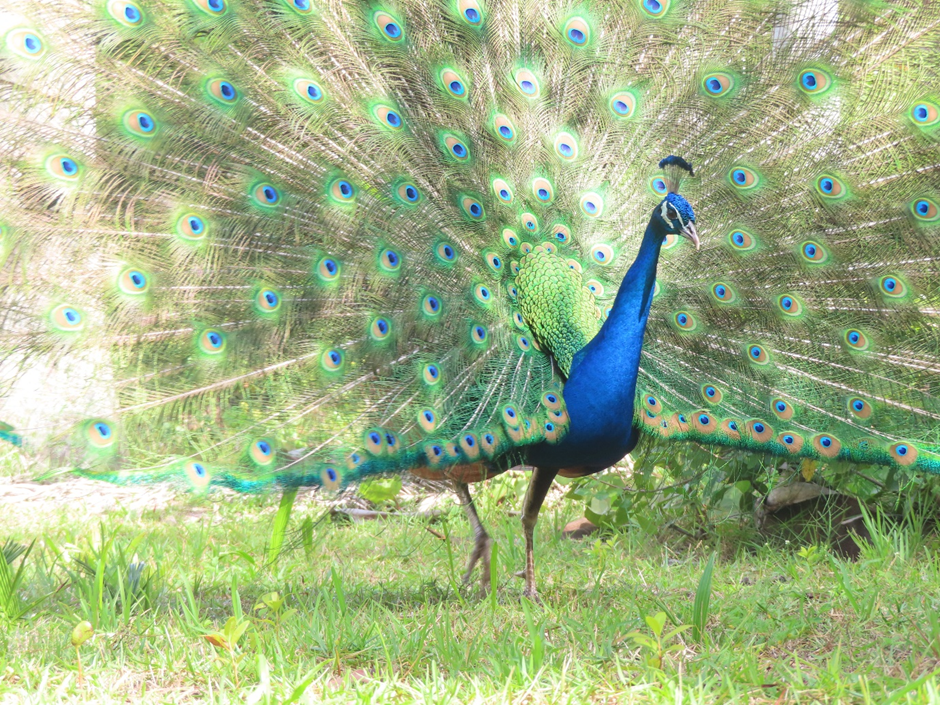
A male peacock in full display
The gardens are full of peacocks and peahens, with the males displaying their impressive plumage.
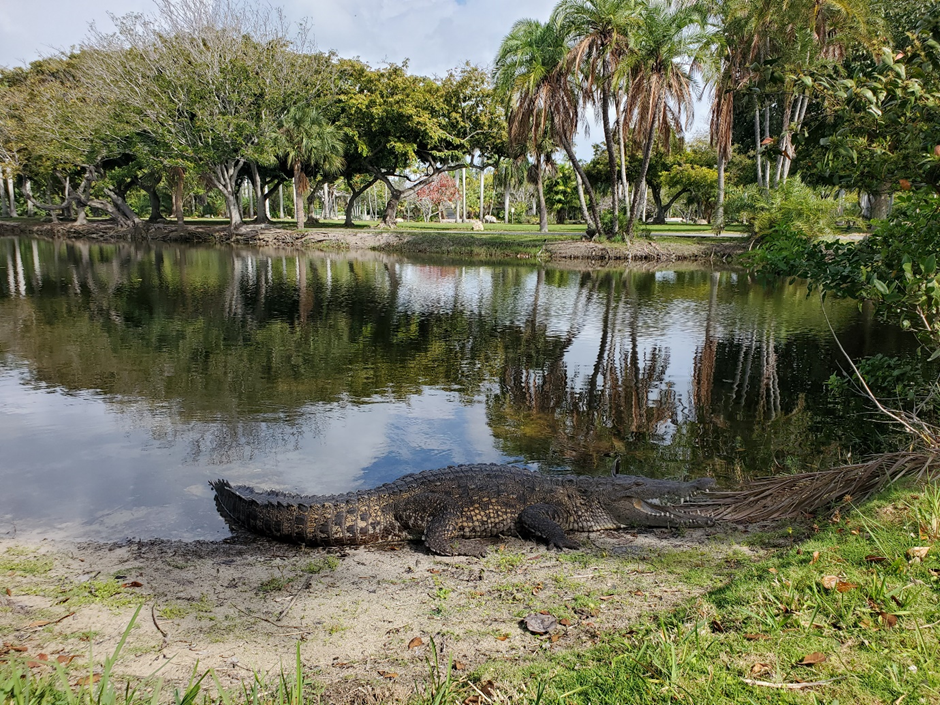
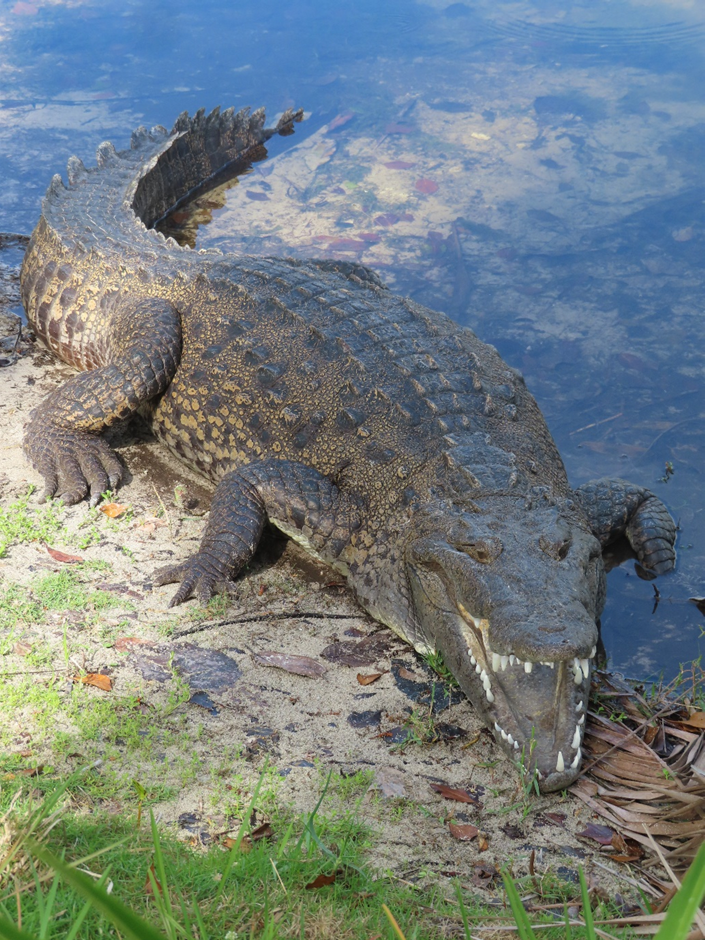
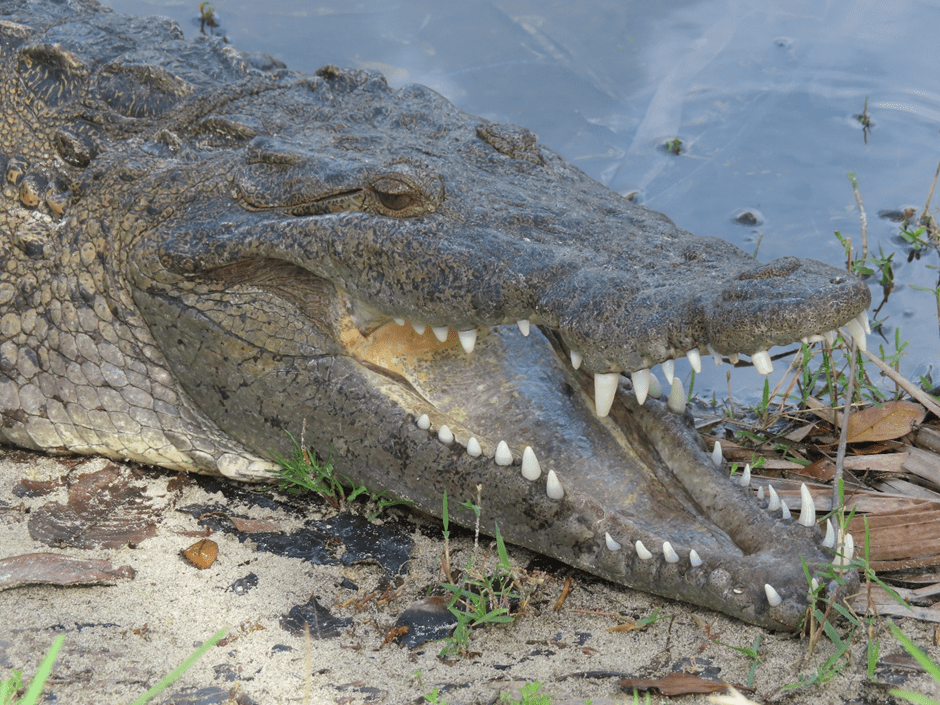
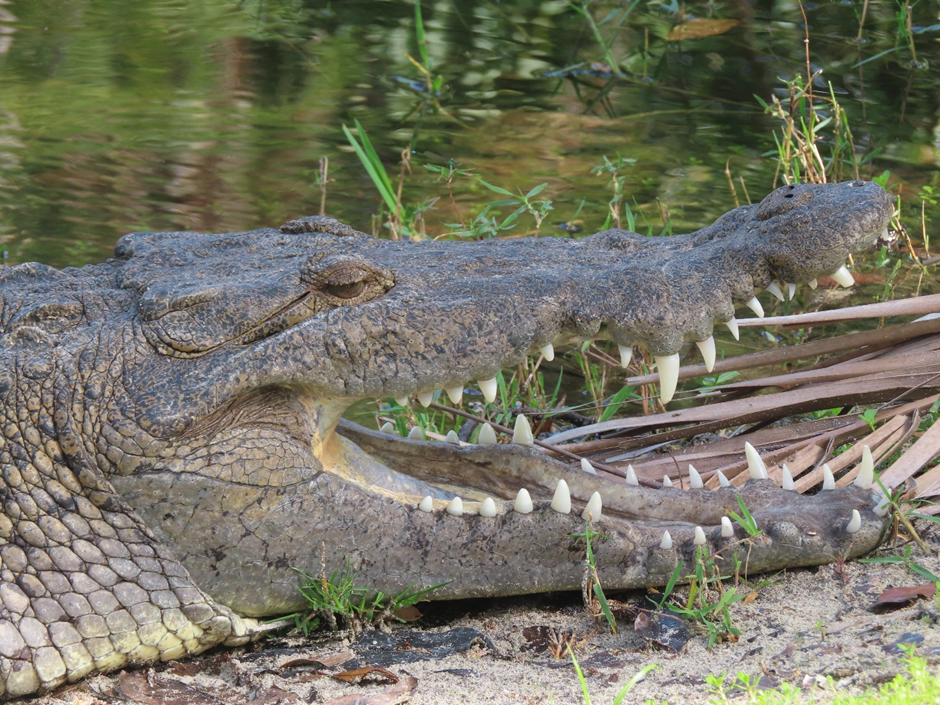
American Crocodiles!
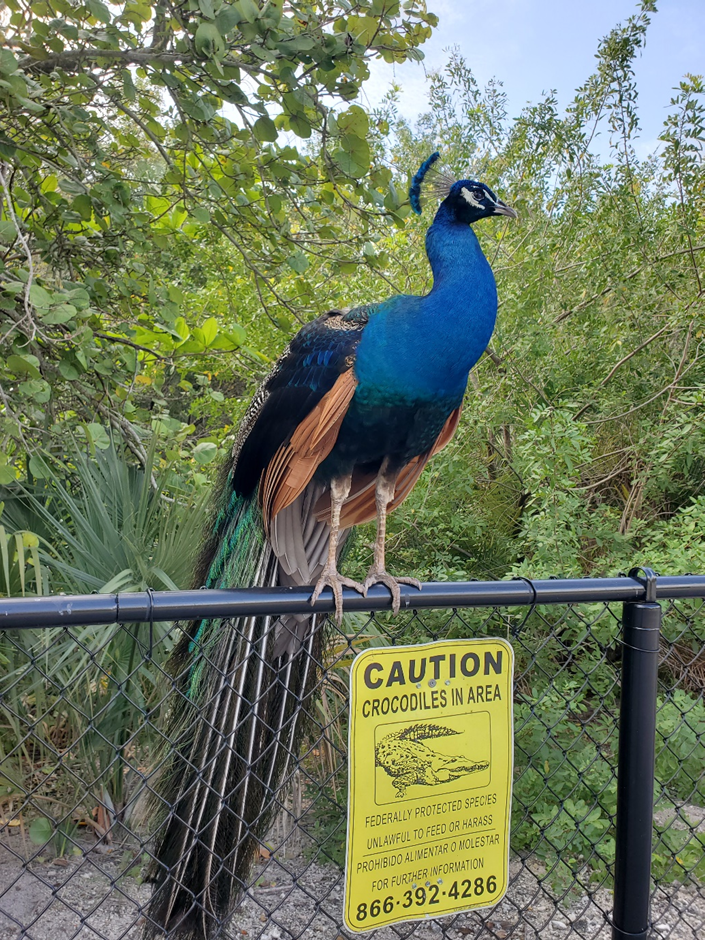
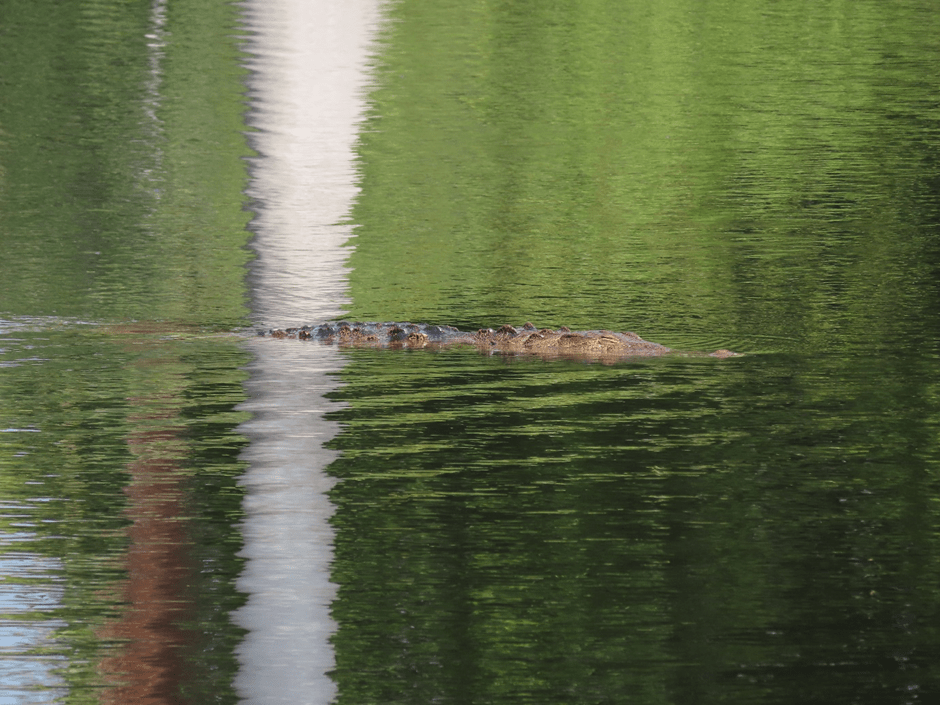
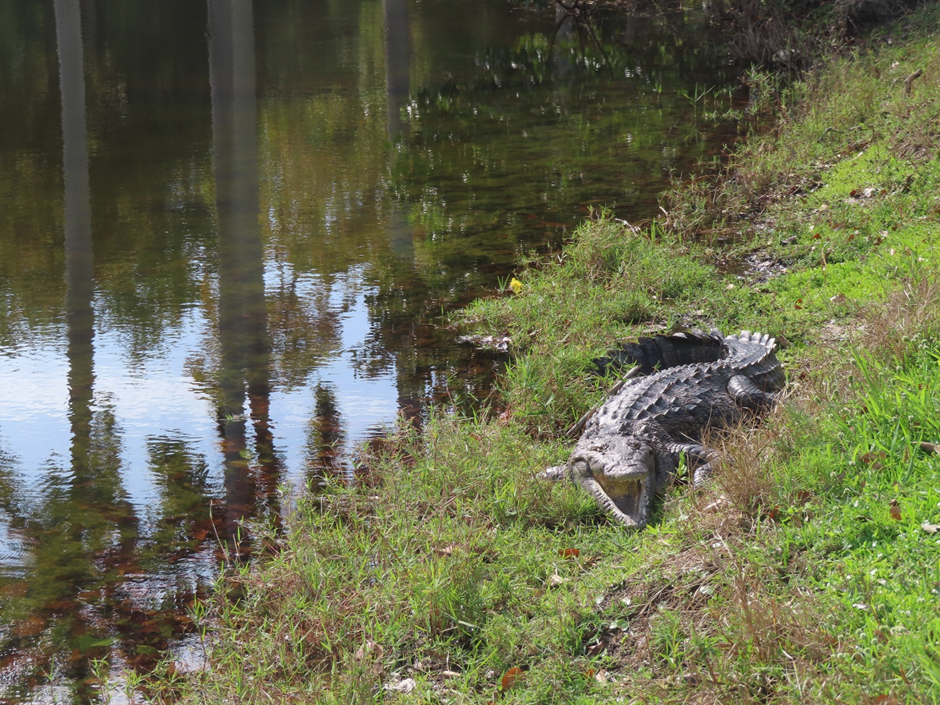
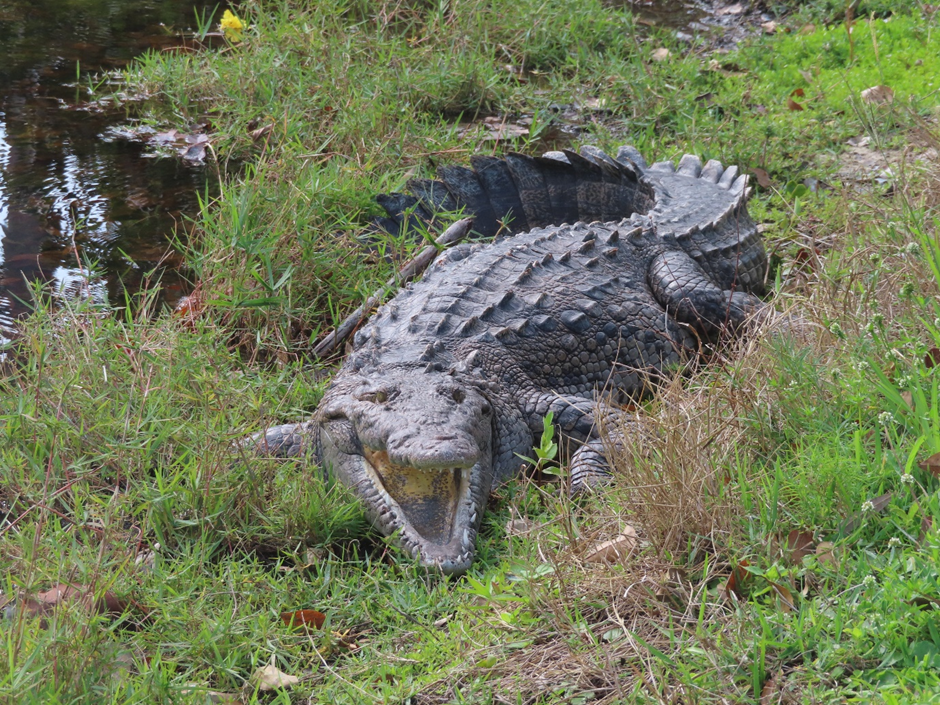
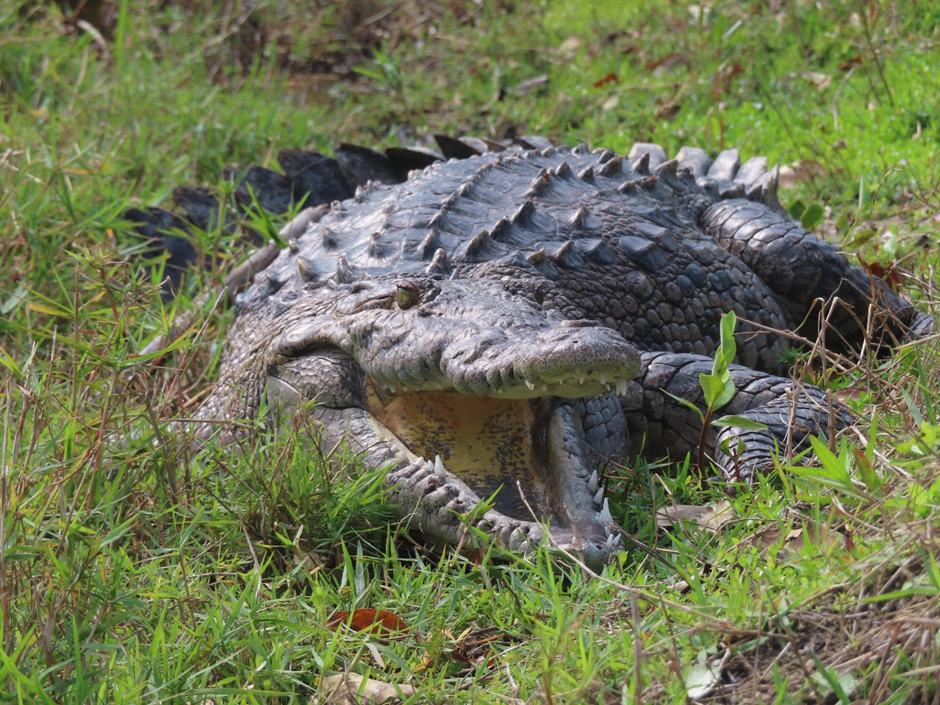
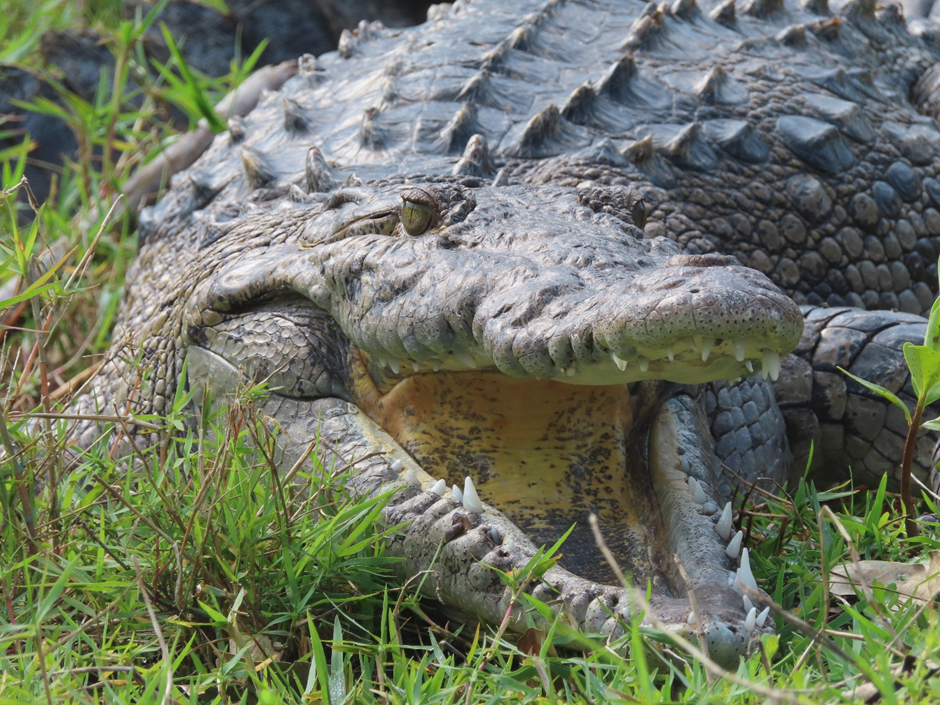
I first spotted one sitting perfectly motionless on the edge of the water, just off the paved footpath, with its mouth agape revealing bright white teeth. It didn’t immediately register as a real live crocodile. I saw the signs throughout the park (see first peacock photo above) indicating crocodiles were in the area. But I had been to the park about a half dozen times before and not seen one. So I thought these signs were mostly for show; perhaps a crocodile had once been spotted in the park and out of an abundance of caution they now display these signs. But this crocodile was indeed real and seemingly completely oblivious to me photographing it. I find it amazing that wild adult American crocodiles live a few miles from downtown Miami. And on that day, there were actually two different crocodiles basking in the sun, with one later swimming in one of the ponds. There are only an estimated 1,500 adult American crocodiles in the United States. All are in South Florida. The only other place I have seen them is at Flamingo Marina, deep in the Everglades.
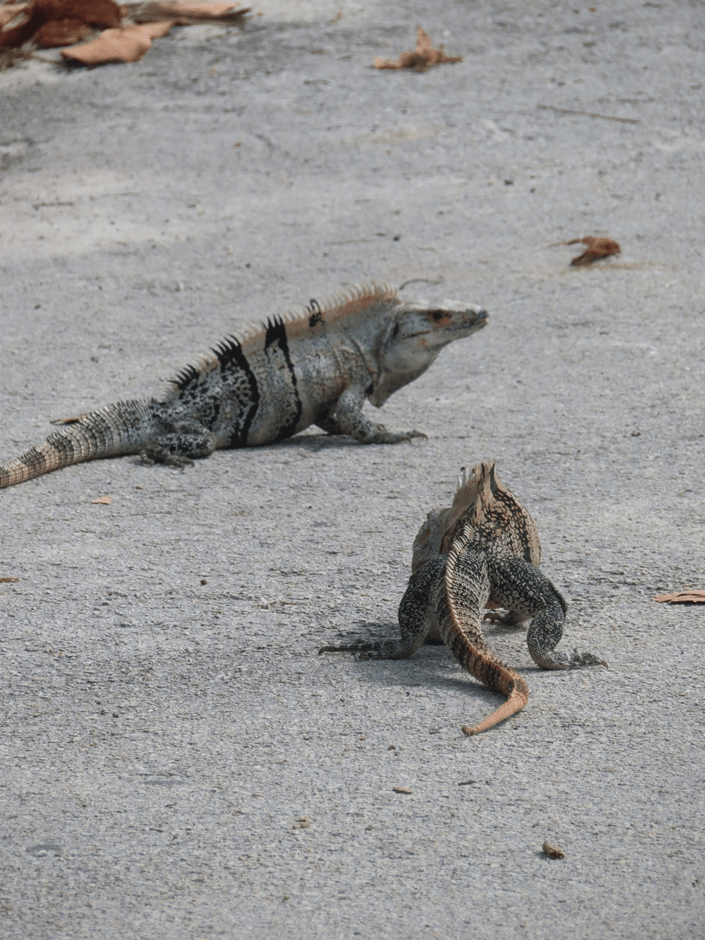
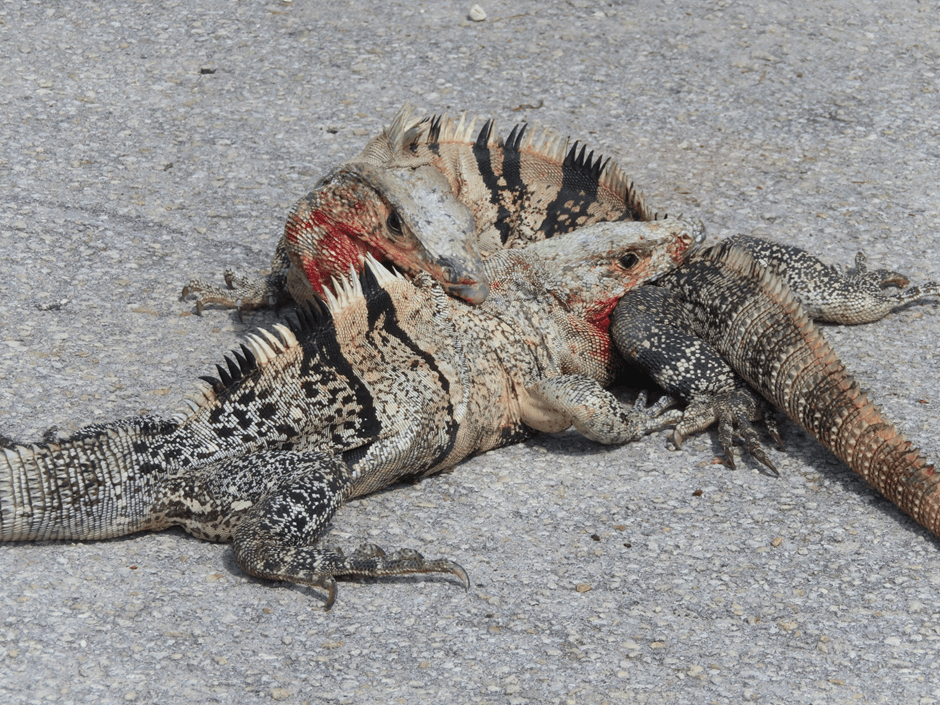
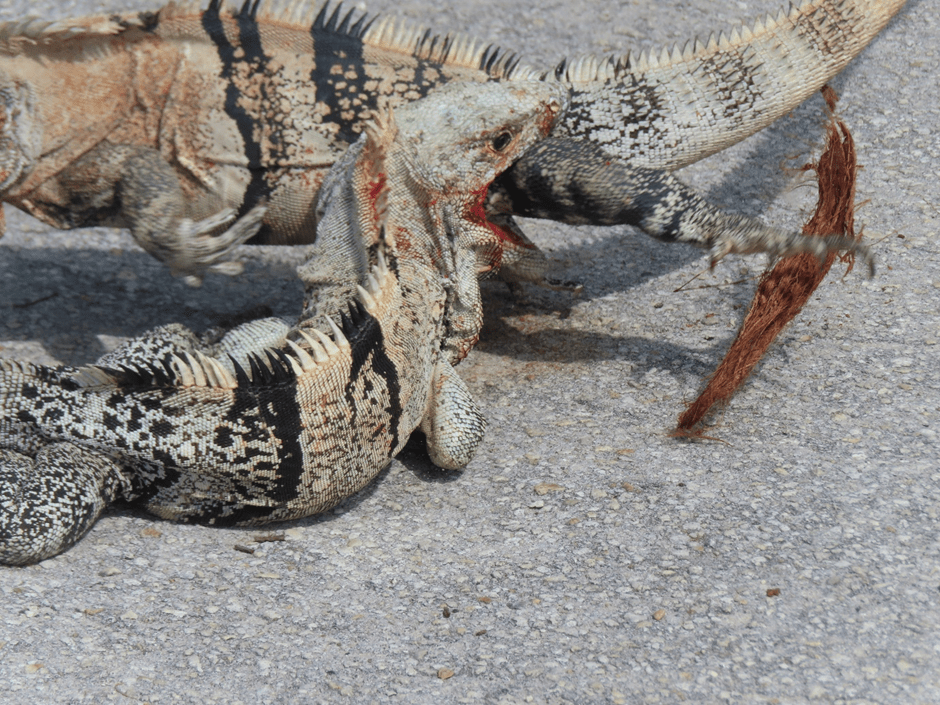
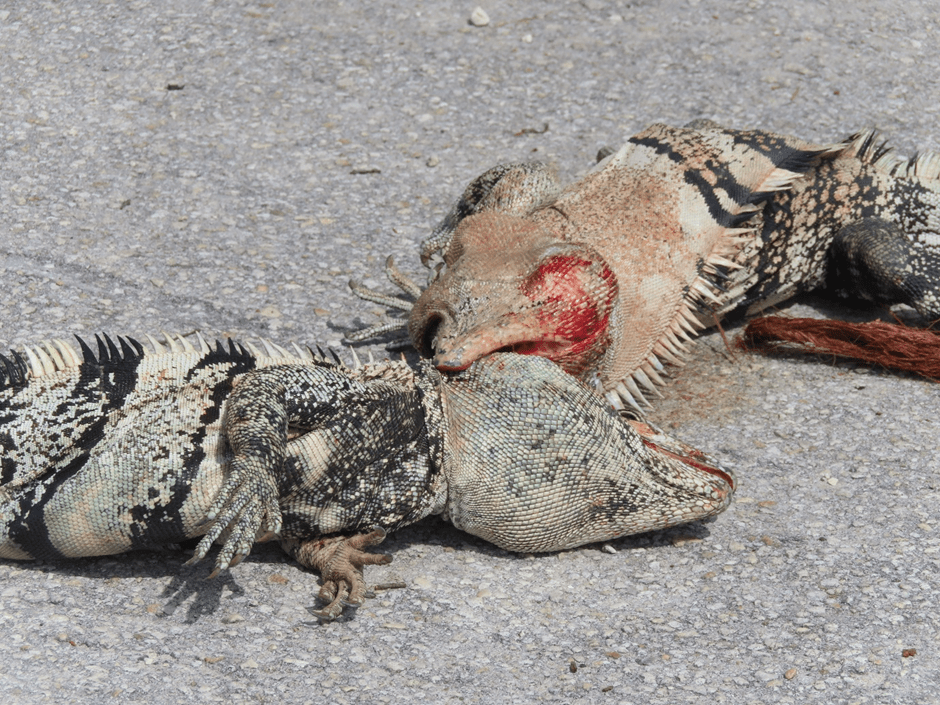
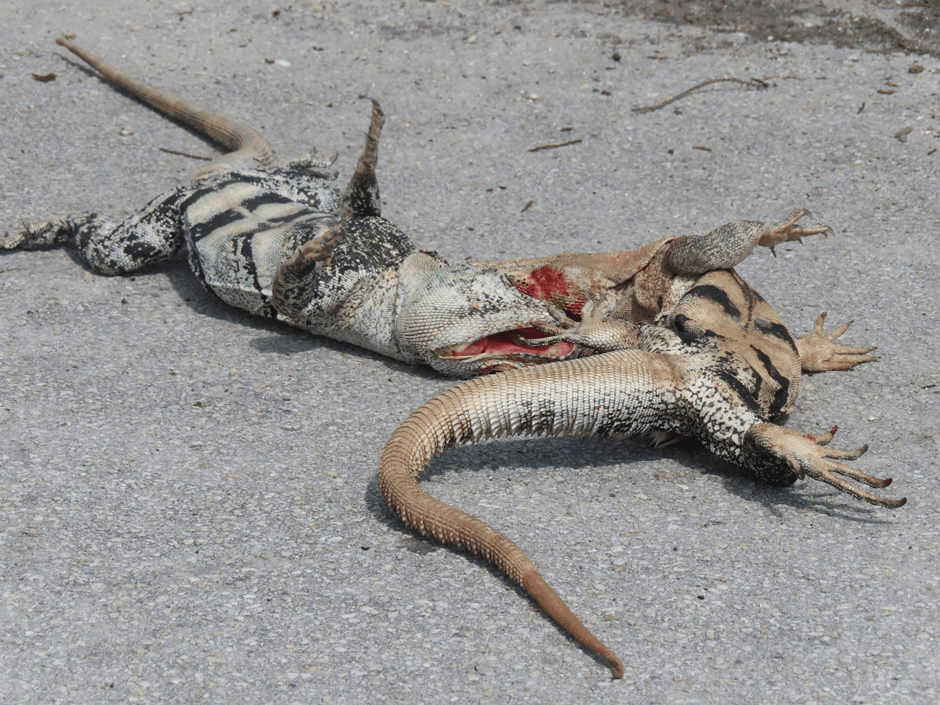
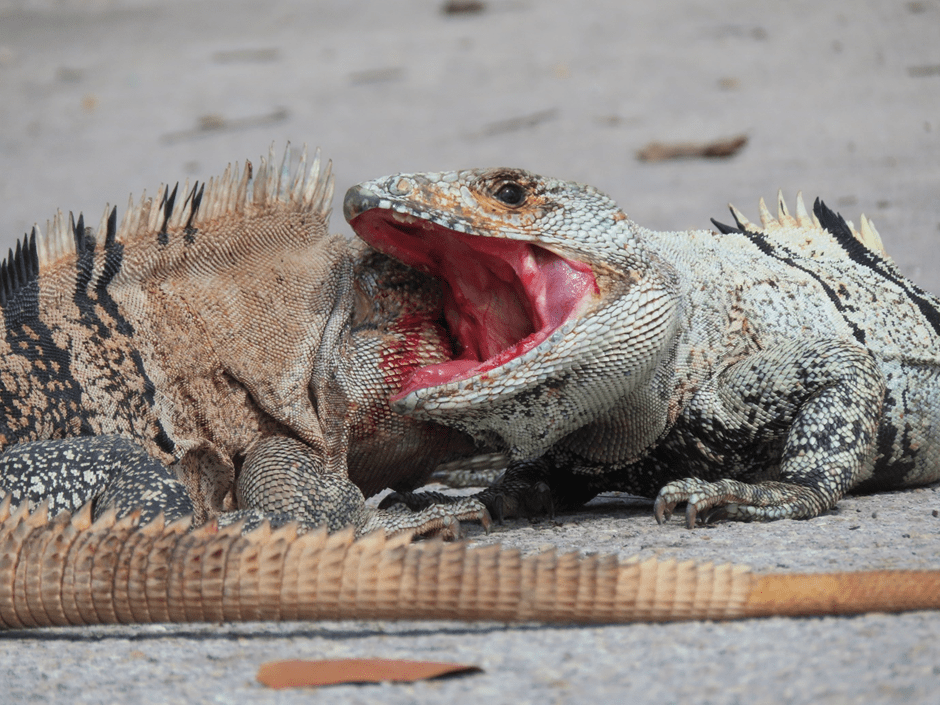
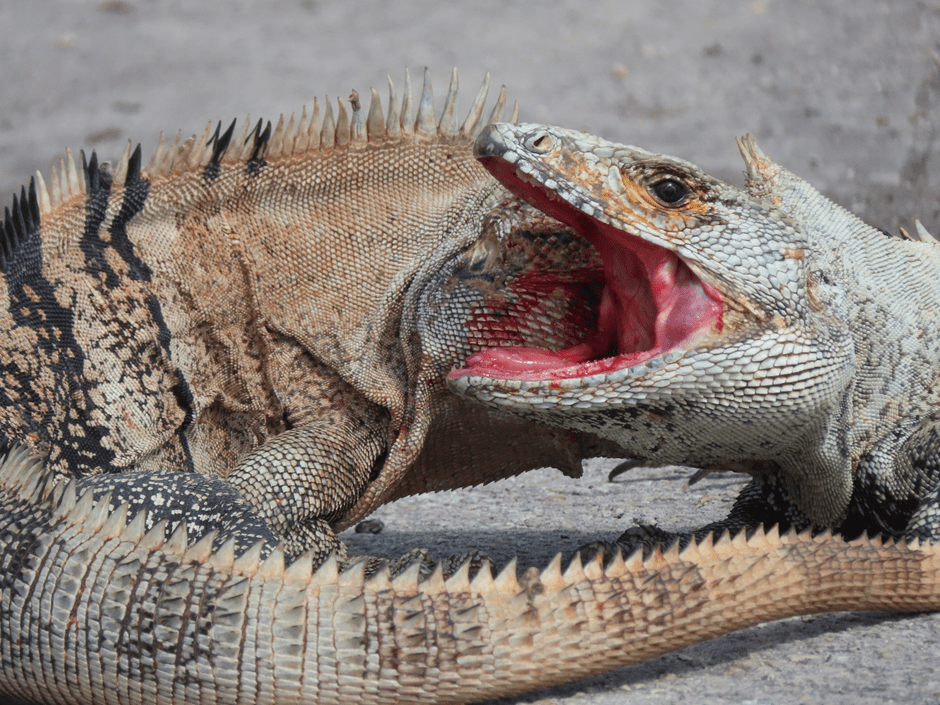
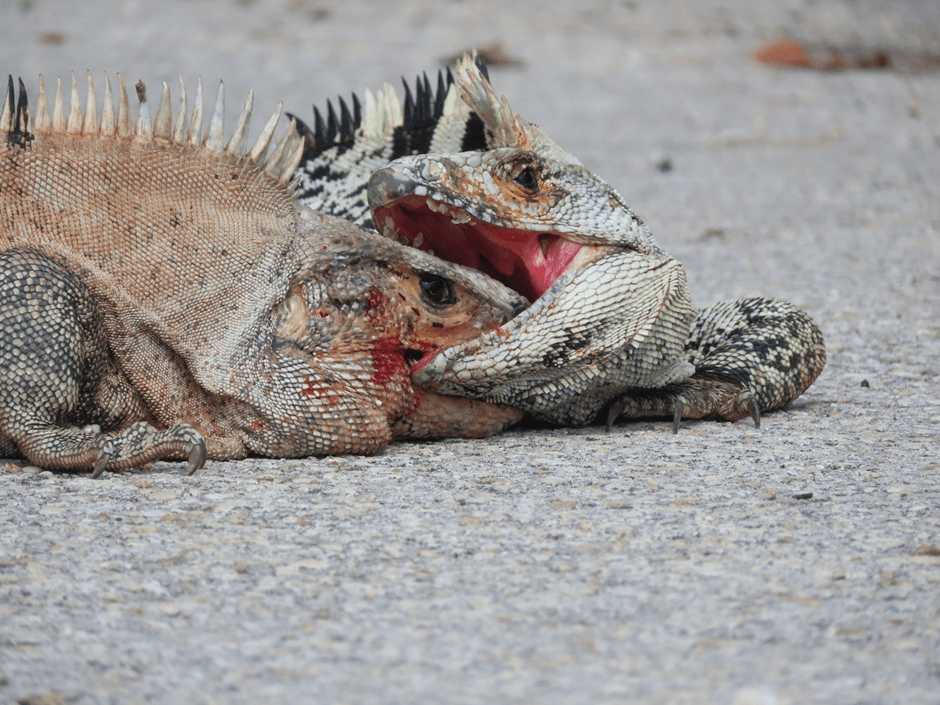
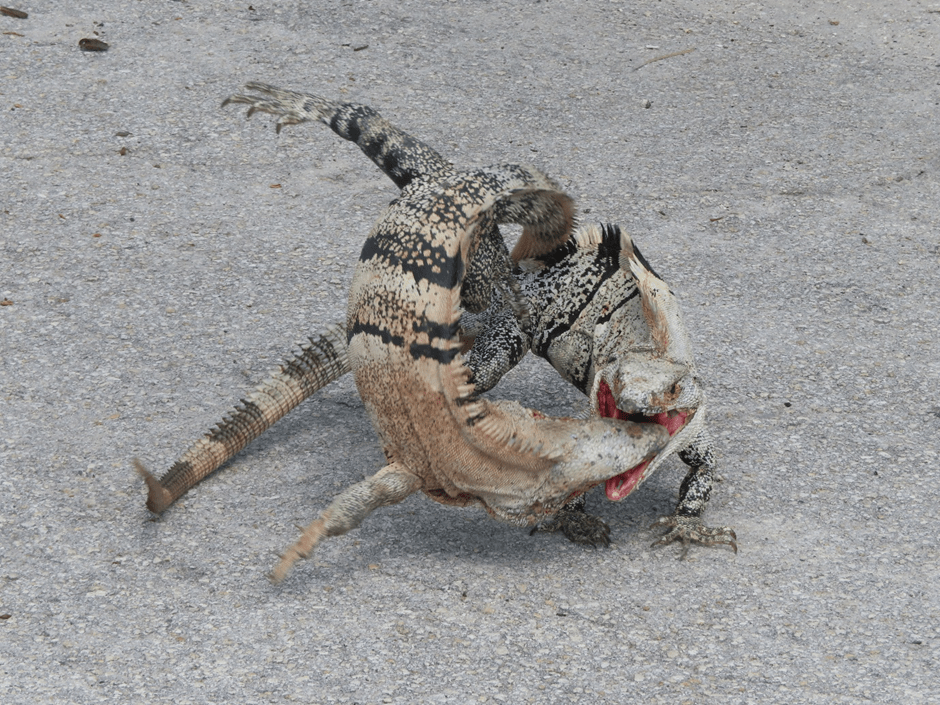
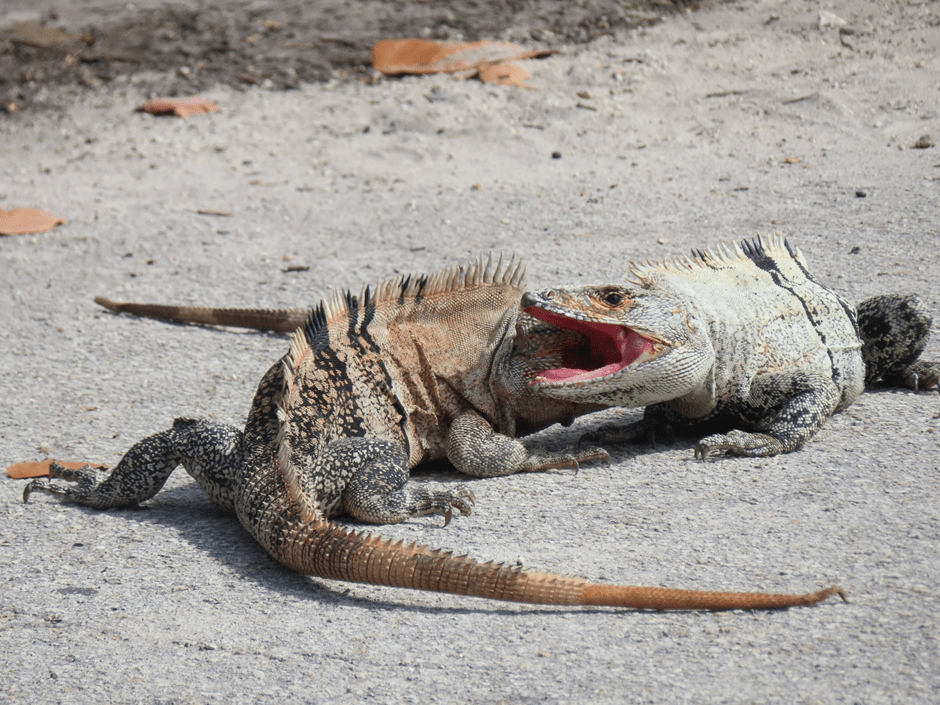
An epic battle between male black spiny-tailed iguanas
Two large male black spiny-tailed iguanas were locked in battle for about 15 minutes, before a victor emerged and chased the other away.
 Reason and Nature
quite amazing, always enjoy your posts.
LikeLike