In evolutionary biology, mimicry is an evolved resemblance between an organism and another object, often an organism of another species. There are lots of amazing examples of animal mimicry. This post focuses on one particular category: those that use lures to attract prey. But, you ask, how does an animal, other than a (human) fisherman, use a lure to attract prey? The two most common examples are when a predator uses its tongue (lingual luring) or its tail (caudal luring) to fool potential prey into approaching close to what appears to be a small wriggling worm. This tactic has evolved amongst sit-and-wait ambush predators independently many times in different groups of animals such as snakes, turtles, and fish. In some instances, the ‘lure’ or fleshy appendage exhibits remarkable realism compared to a tasty morsel (i.e. worm or insect) and when combined with realistic movements (i.e. wriggling) acts as an irresistible attractant. Below I describe several of these wonders of evolution.
As a side note, I wrote a recent post on caterpillars mimicking snakes as a way to avoid being eaten by birds and small mammals – what is referred to as defensive mimicry. The examples depicted there are the converse – using a body part (i.e. a lure) to mimic food and hence attract prey – that is, aggressive mimicry.
Lingual Luring
In lingual luring the tongue is wiggled in resemblance of a worm and used to attract prey. This technique is used by the alligator snapping turtle (Macrochelys temminckii), as seen in the two below videos.
Lingual luring is also known in several snake species, including the puff adder (Bitis arietans).
Interestingly, the puff adder is the only snake species known to use different lures for different types of prey. They use lingual luring only in the presence of amphibians, and caudal luring for other species. This strongly suggests they can sense the type of prey in their immediate surroundings and modify the type of luring strategy used.
Caudal luring
Caudal luring, wiggling the tail to attract prey, is found in a variety of different snake species. It is most common amongst vipers and pit vipers, but also seen in boas, pythons and other species. It is frequently only seen in juveniles, which exhibit brightly colored tails that mimic larvae, with the tail movement used to attract insect eating lizards and amphibians. Frequently such species abandon this behavior and the tail coloration fades as they mature and their adult diet shifts to small mammals, which are not as attracted to insect larvae.
Undoubtedly this strategy is most well developed in the spider-tailed horned viper (Pseudocerastes urarachnoides). This recently described species, native to the Middle East, has a spider like knob on the end of its tail with long scales that resemble legs. It waves the lure in front of its face to attract birds!
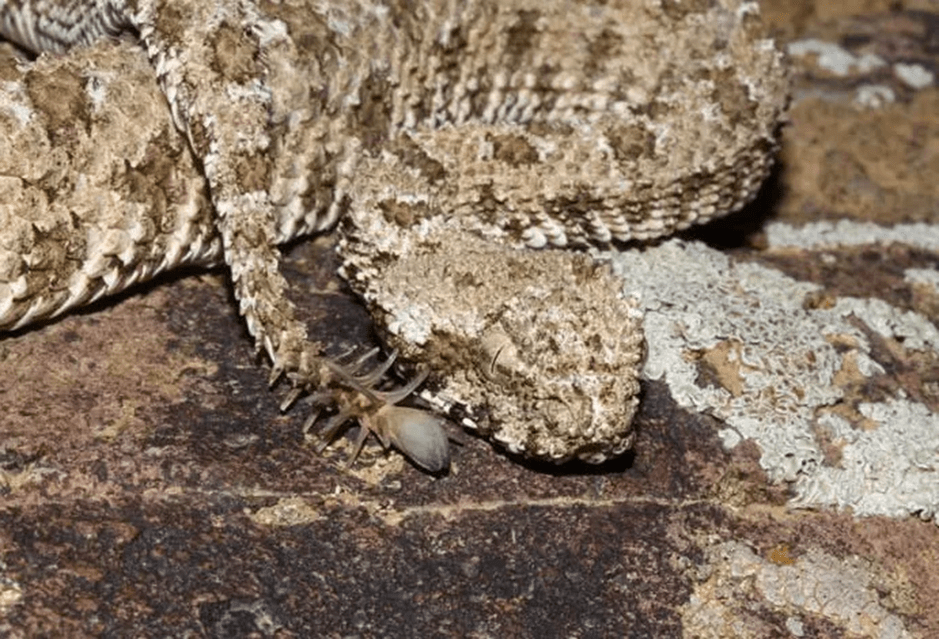
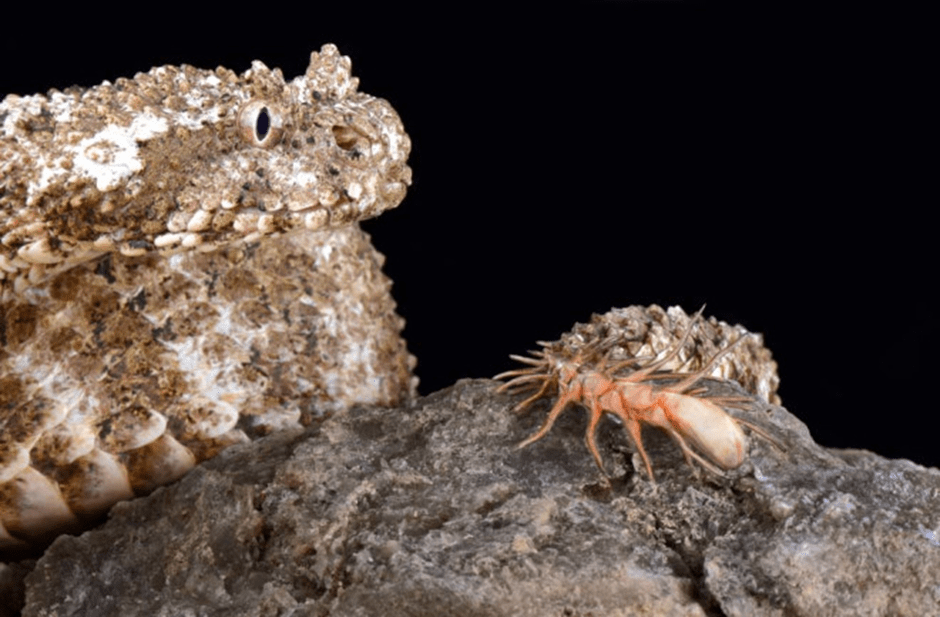
The Death Adder (Acanthophis antarcticus) is another snake species that uses caudal luring.
Luring using other appendages
Different species of marine fish in the order Lophiiformes (with common names including anglerfish, frogfish, batfish, goosefish, and monkfish) use lures extending from their head to attract prey.
In deep-sea anglerfish the lure is a modified luminescent fin ray. The luminescence is generated from symbiotic bacteria acquired from the environment.


Finally, some species of freshwater mussels in the genus Lampsilis have portions of their bodies (the mantle) which mimic small fish in both coloration and movement patterns. The mussels have a life cycle in which their tiny larvae attach to the gills of fish and draw blood, as parasites, for several weeks (before dropping off as they attain larger size). The mussels attract larger predatory fish by luring them in using undulations of fleshy appendages that mimic darters or other small fish species. When the fish bites the lure, the larvae are ejected into the fishes mouth.
How did lure-fishing evolve?
Well camouflaged ambush predators sit in one spot and wait for prey to cross their path. In its most rudimentary form, luring simply involves a behavioral modification – for example, an individual snake wiggling the end of its tail when it senses prey is near. If this behavioral propensity has a genetic basis and leads to even marginally higher rate of prey capture (compared to the alternative strategy of sitting perfectly still) then it will be selected for. That is, such individuals will leave more descendants who inherit this advantageous behavioral propensity, and this will eventually come to predominate in the population. With respect to caudal luring, it has been suggested that “the act of remaining stationary while sensing prey produces general nervous system excitation that gets released in the form of tail movements.” This would provide the raw variation on which selection can act. One can imagine how this behavior could be fine-tuned over time by natural selection – for example the undulation frequency would come to more closely mimic the movements of a worm in order to better attract prey. It is important to note the snake, or whatever animal exhibits the luring, need not necessarily be consciously aware of what it is doing – in the sense that a human fisherman is deliberately and consciously twitching his lure while angling – only that the behavior has a genetic basis and affects rate of prey capture, which translates to fitness in the form of survival and reproduction. In some species the lure itself closely resembles a tasty morsel such as a worm or insect. In concert with, or after the behavioral modification, natural selection can yield physical elaborations of the appendage that make it more enticing to potential prey. As with the behavior itself these would likely start out simple and gradually become more elaborate over time. Any individual with a mutation which causes its tail to more closely resemble an item that attracts prey would be favored by selection. For example, some individuals may have a mutation which causes the end of the tail to be a different color than the rest of the snake’s body, and this would presumably be favored because it better mimics a worm and draws attention to this region. Incremental improvement in the appearance of the lure over tens of thousands of generations would result in the integrated and specialized forms that exist in some species, such as the spider-tailed horned viper depicted above. One final piece of the picture is what the prey itself is doing. Discrimination abilities of the prey species would select for greater degrees of realism in the predator’s lure (what is referred to as an arms race between predator and prey). What we see today is the result of thousands upon thousands of generations of selection – yielding the appearance of design.
How common is lure-fishing?
Clearly a small minority of species engage in this behavior. Yet, this behavior is probably more common than currently recognized, particularly relatively unspecialized forms in snakes. When you see a spectacular structure on the tail of a snake that looks like a spider, it’s easy to ask what is going on – which leads to further investigation and characterization of this remarkable adaptation. However, when the luring involves only behavioral modification, without the obvious morphological lures, it is surely much harder to detect. Snakes are cryptic, often nocturnal, and in the vast majority of species hunting behavior has not been directly observed or described. Furthermore, caudal luring is often only expressed during the juvenile part of the life cycle. Thus new cases of caudal luring in snakes continue to be discovered.
Using artificial lures
Finally, a few rare species use artificial lures to attract prey. Humans of course are the most obvious example. Recreational lure fishing is an extremely popular pastime.
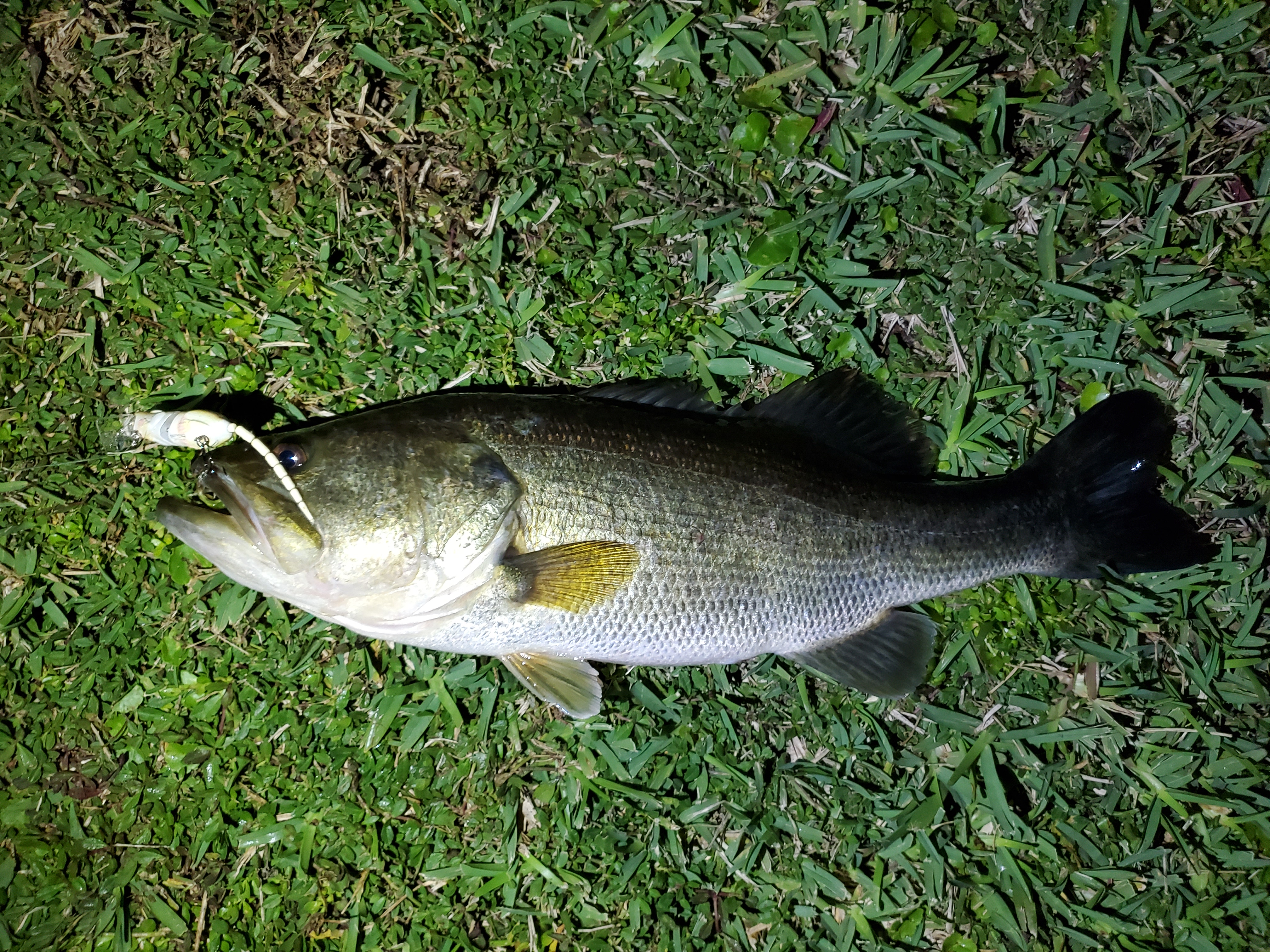
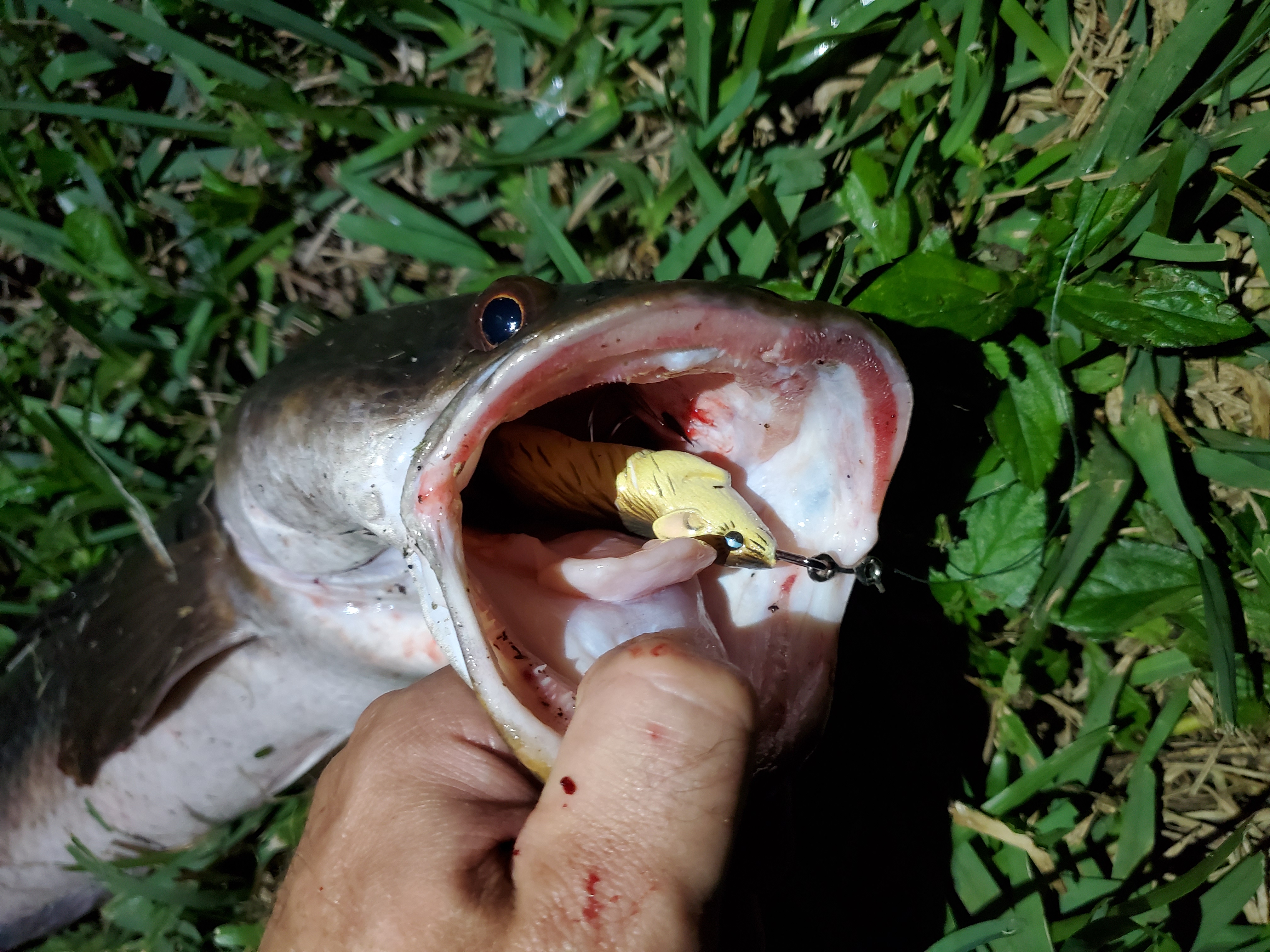
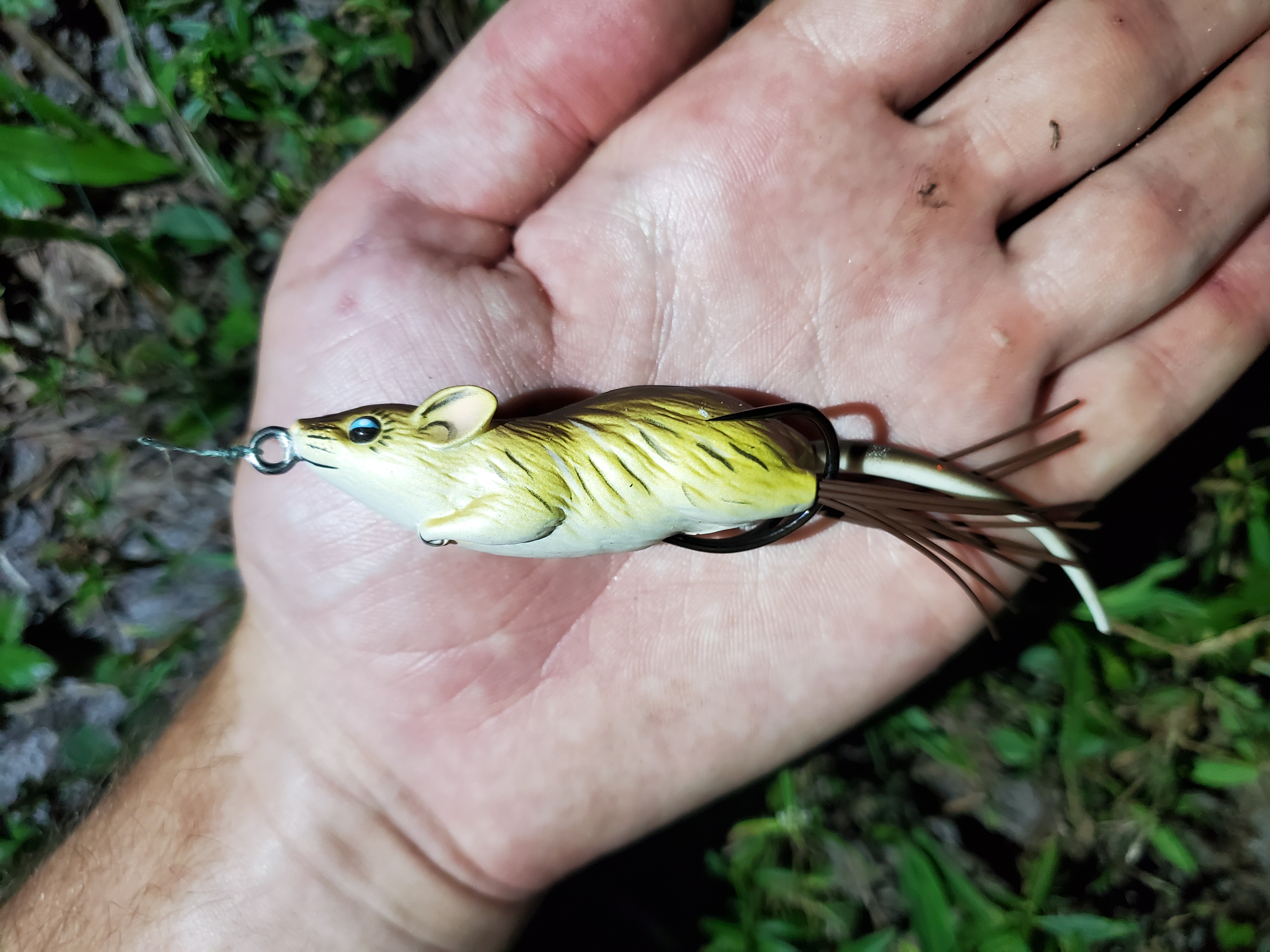
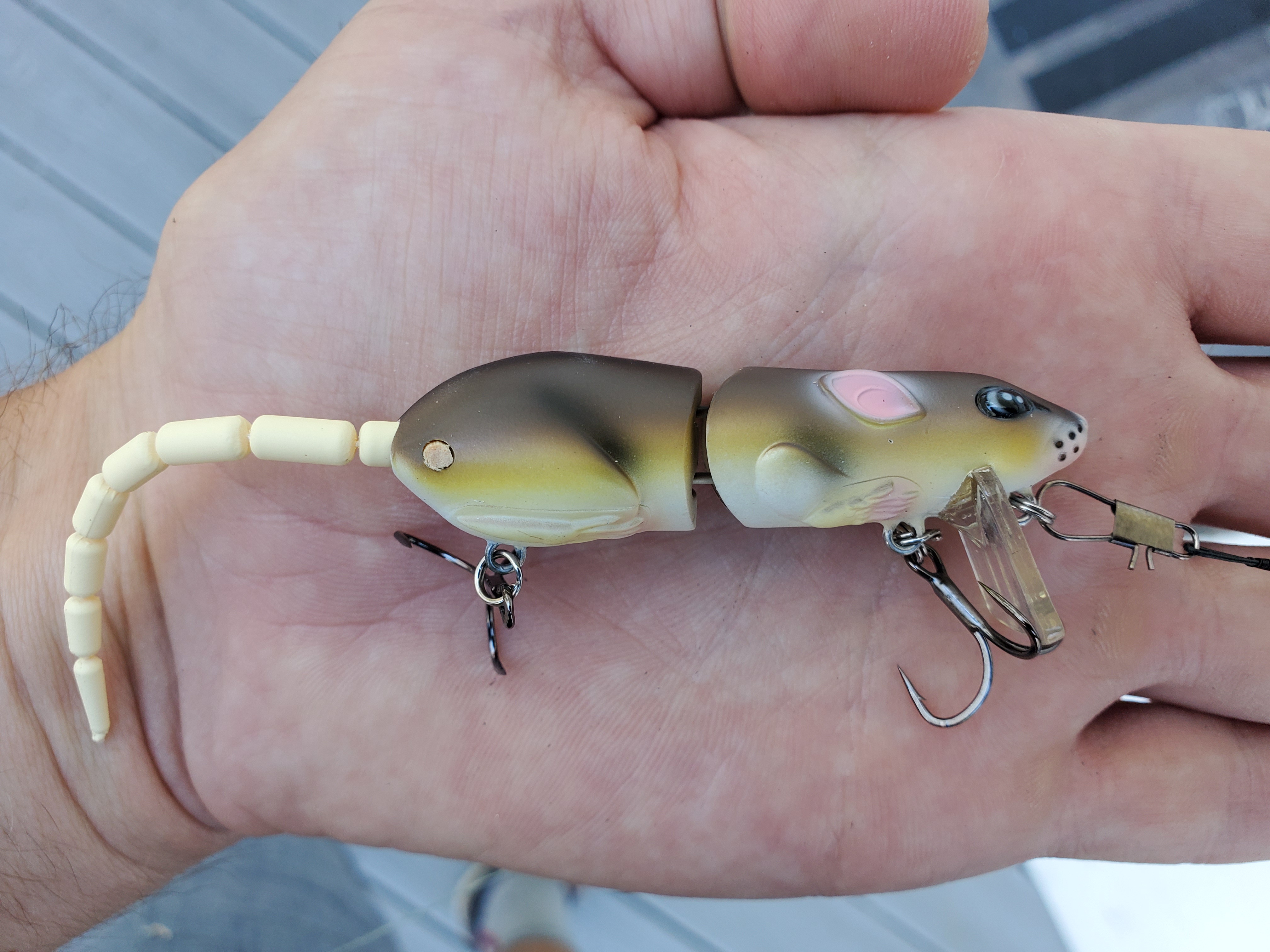
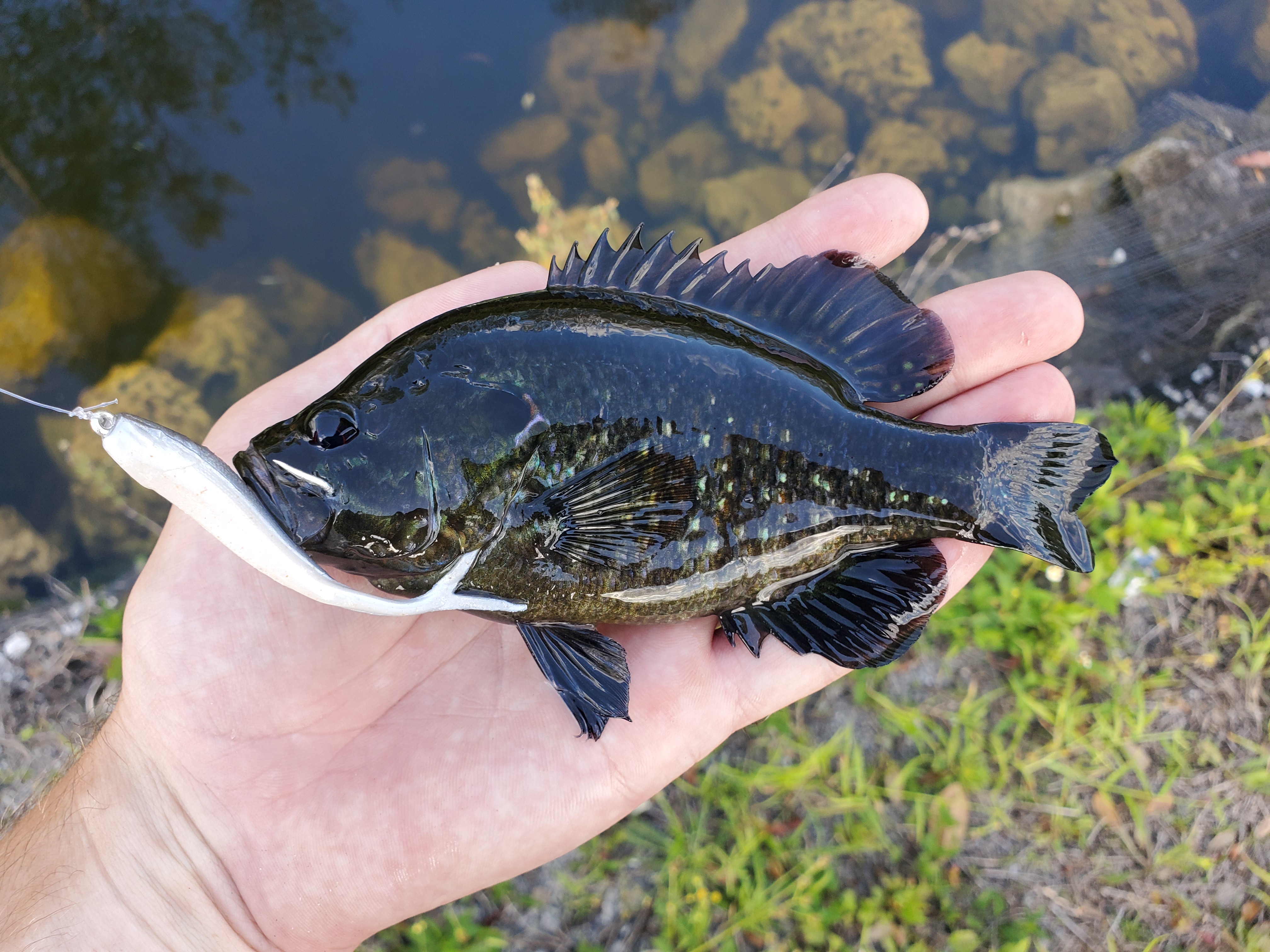
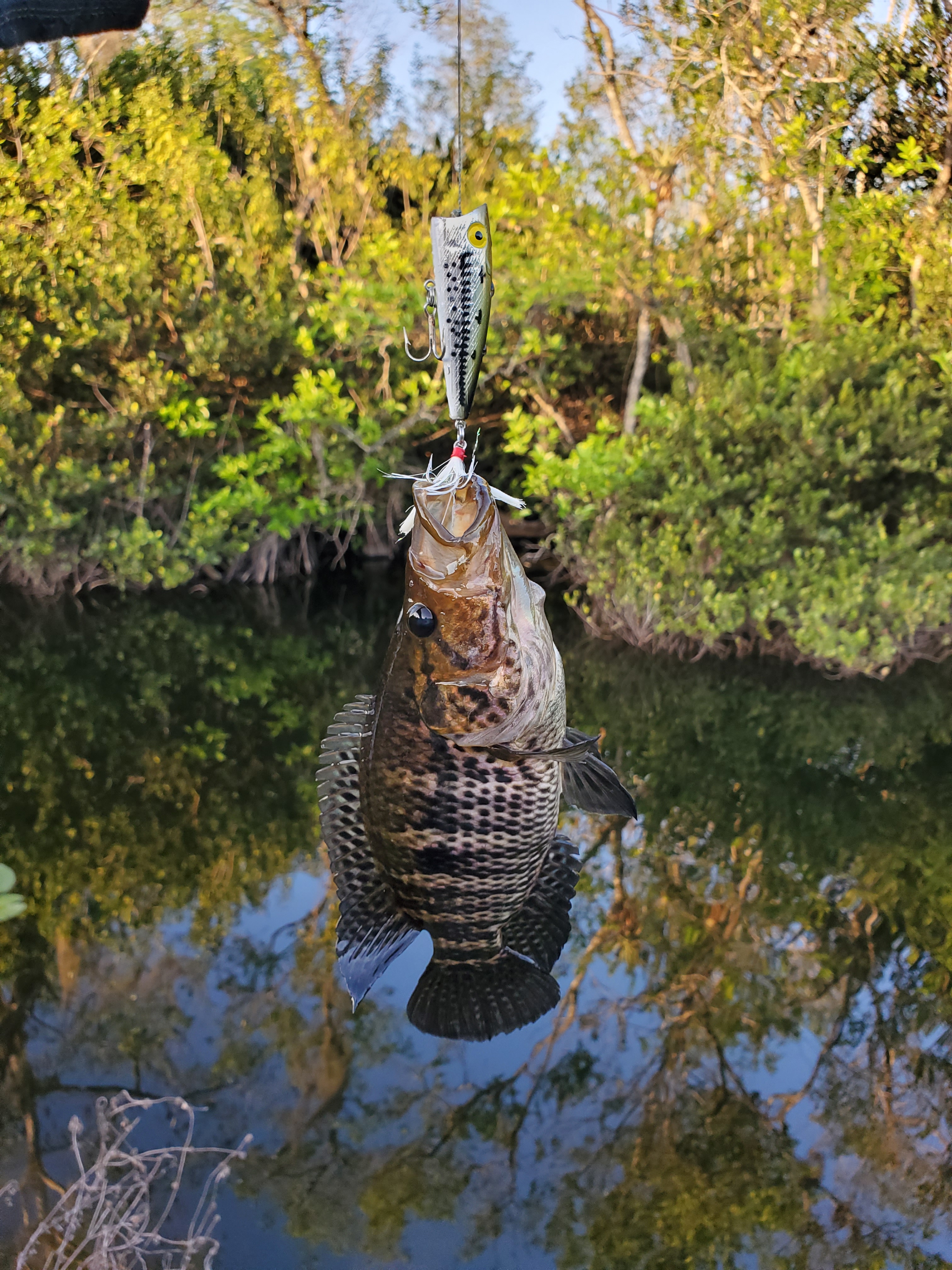
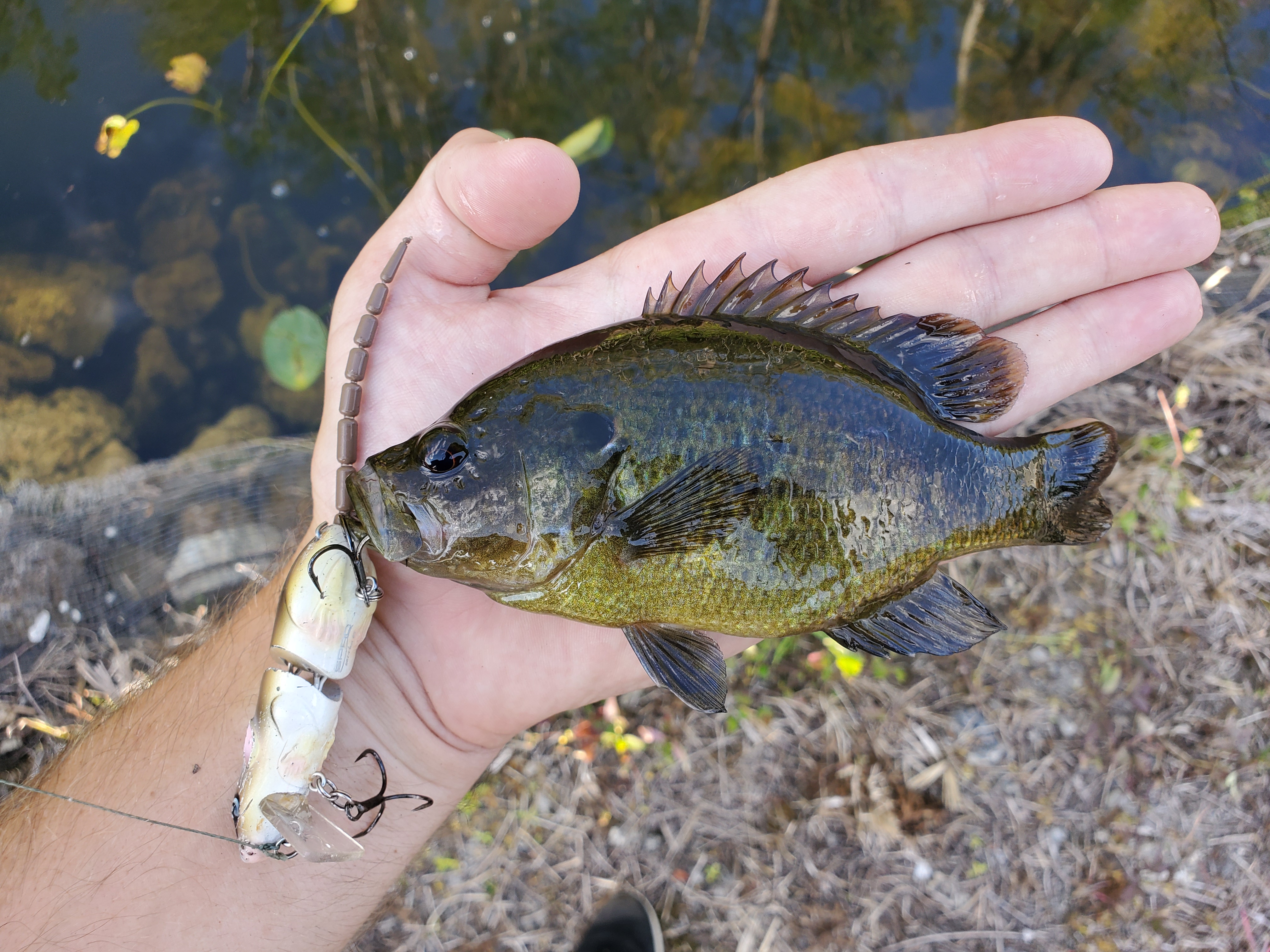
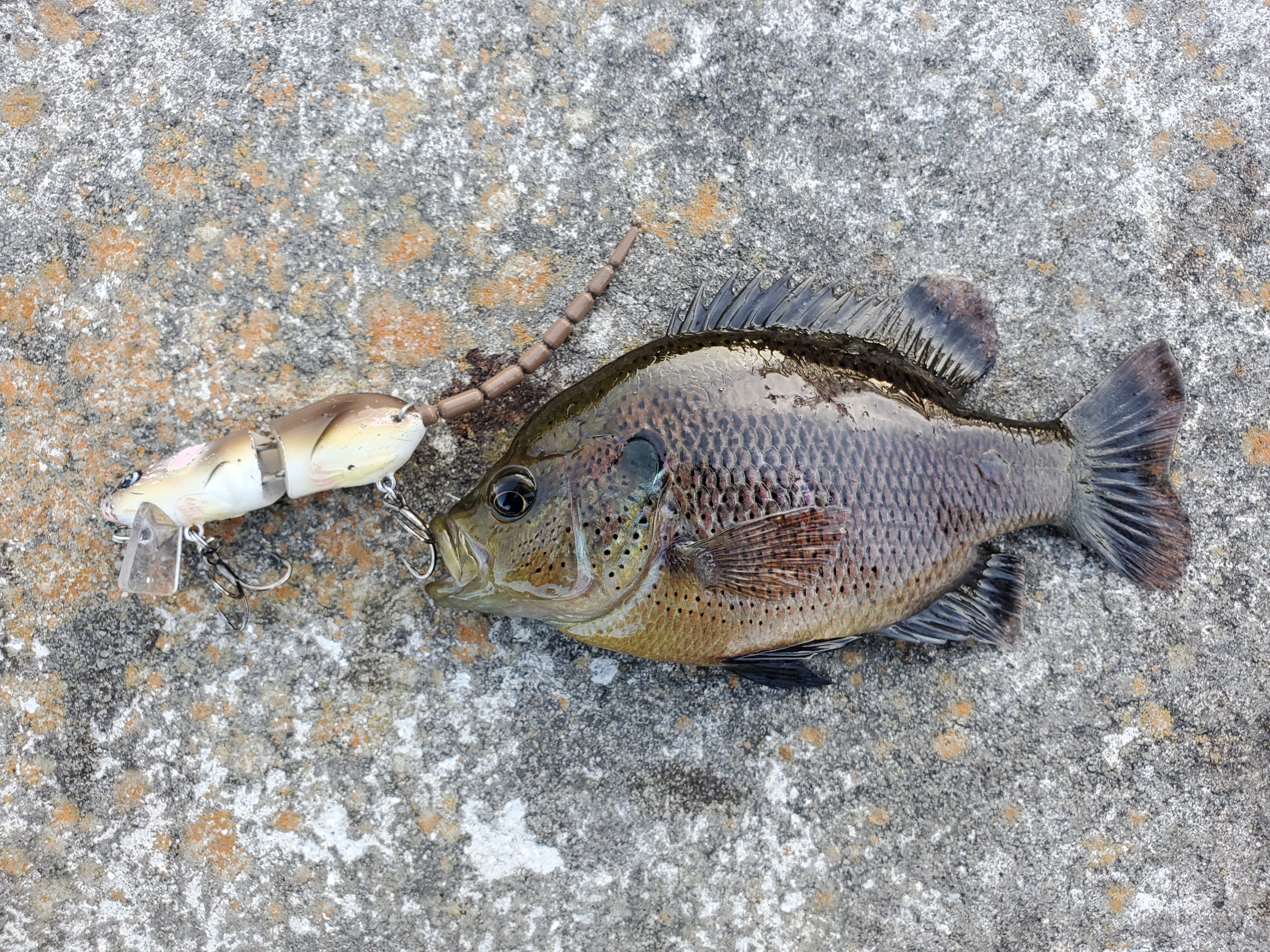
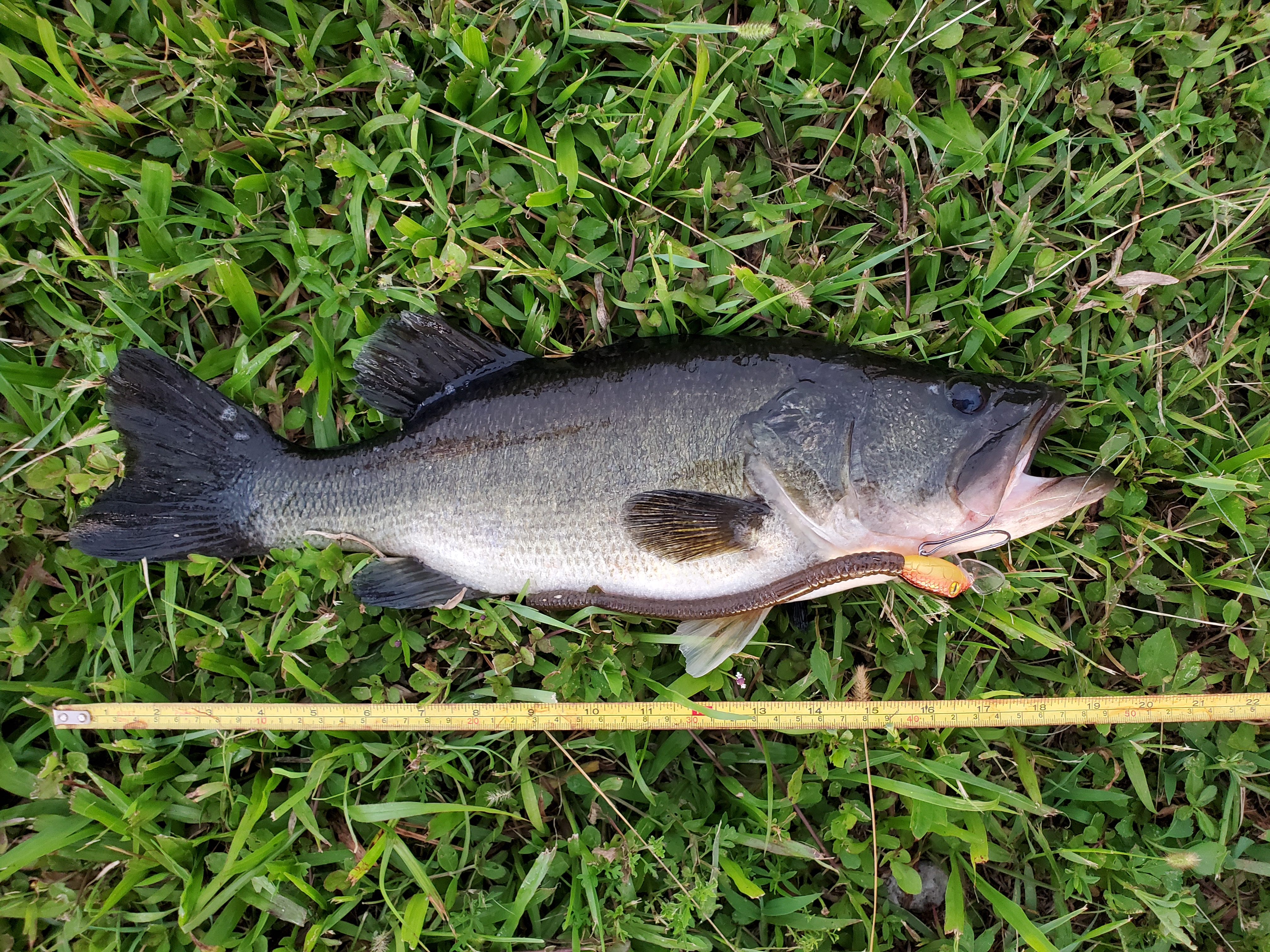
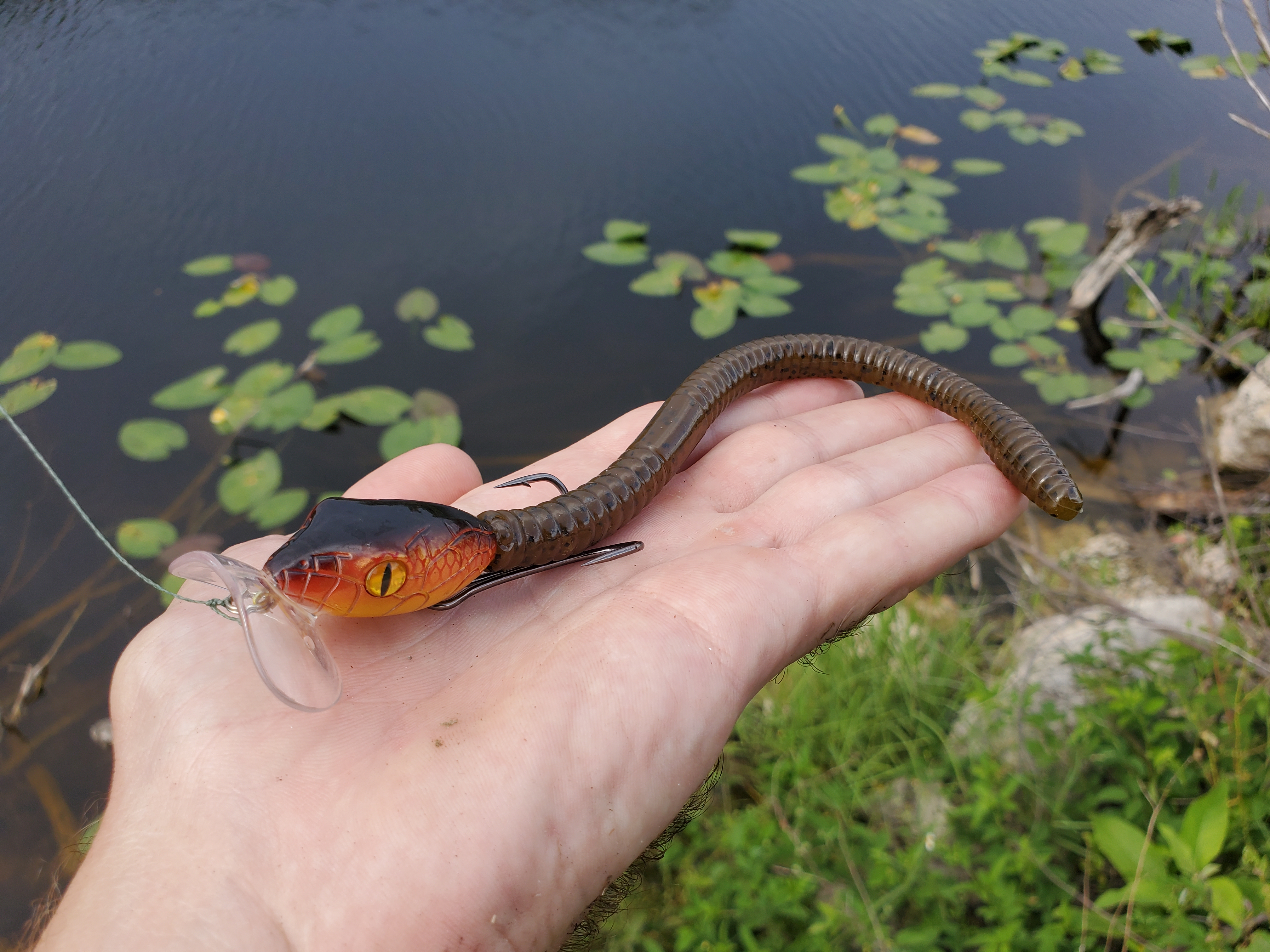
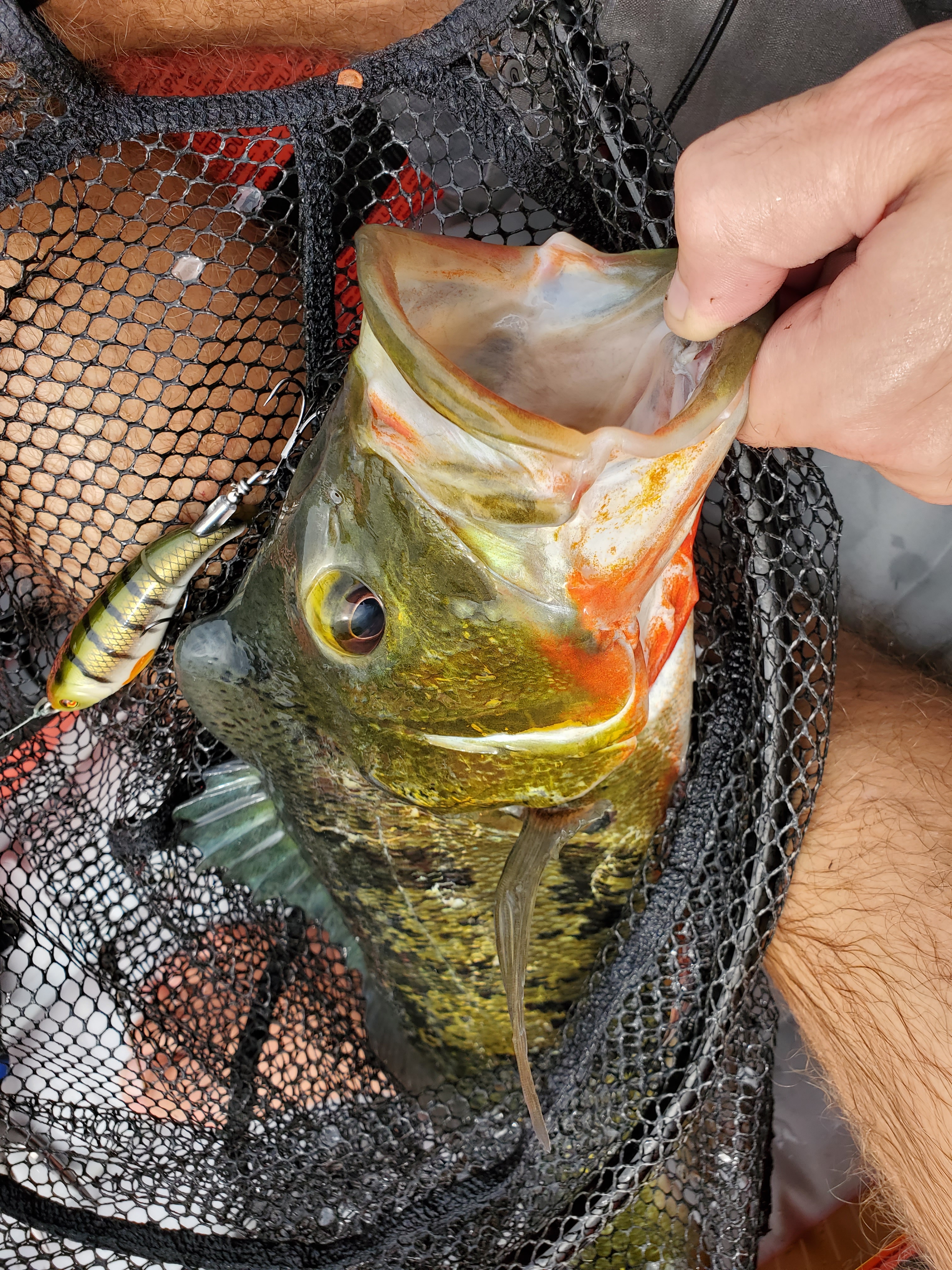
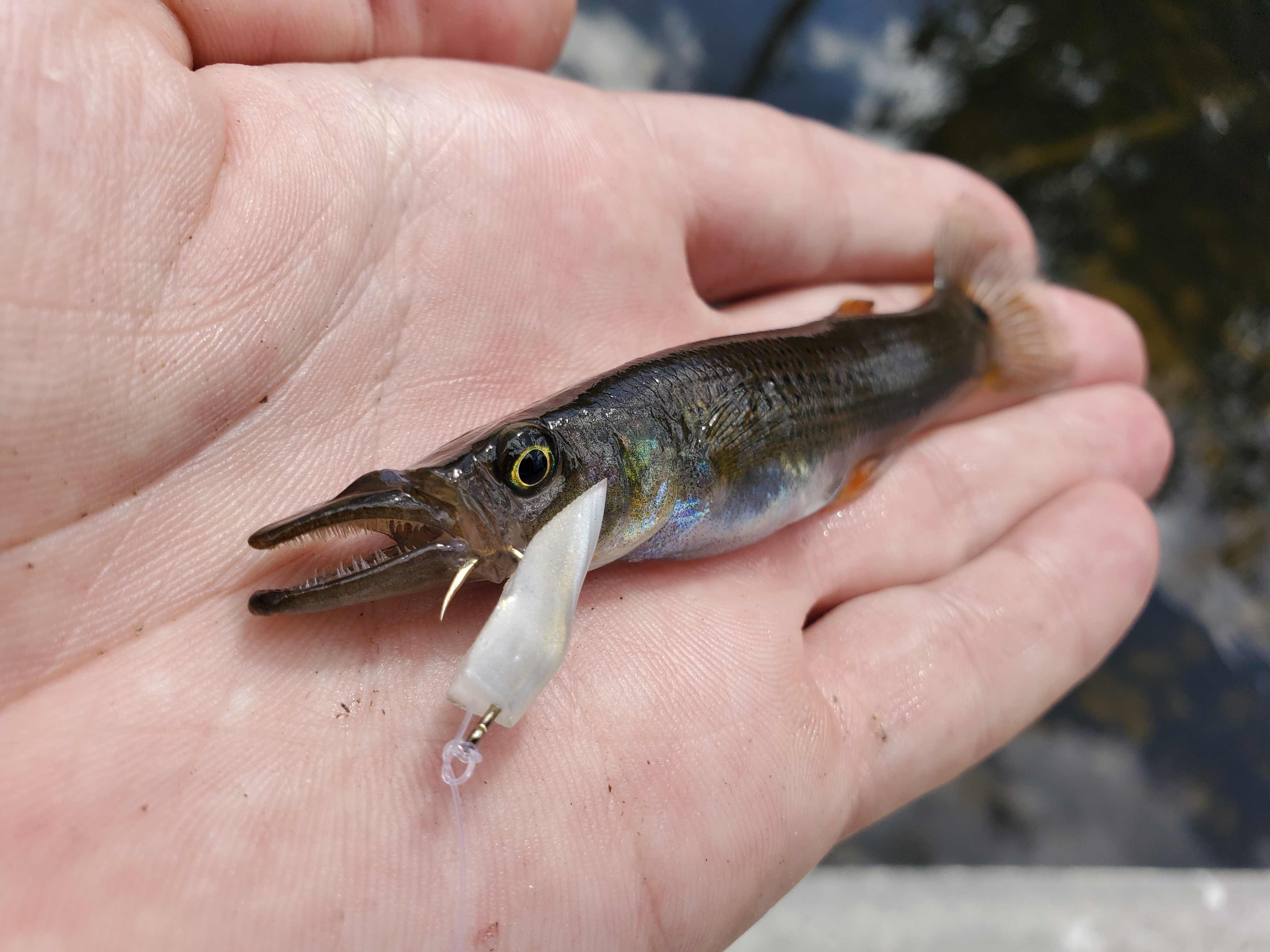
A variety of examples of artificial lure fishing.
Herons, and a small number of other waterbirds, have occasionally been observed picking up bread or insects in their beak, dropping these items into the water in front of them, and then waiting for unsuspecting fish to come to the surface to feed on these items before spearing them with their beak. This qualifies as both tool use and bait fishing.
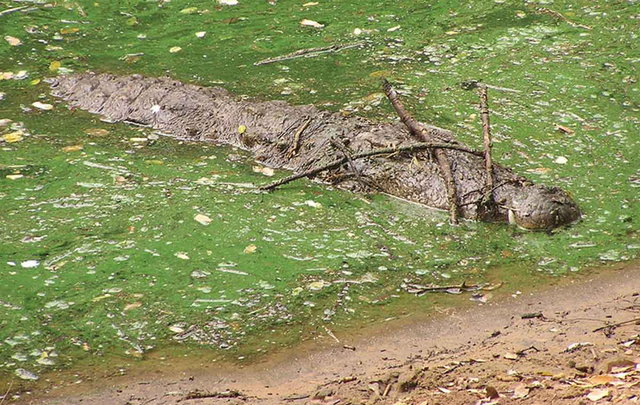
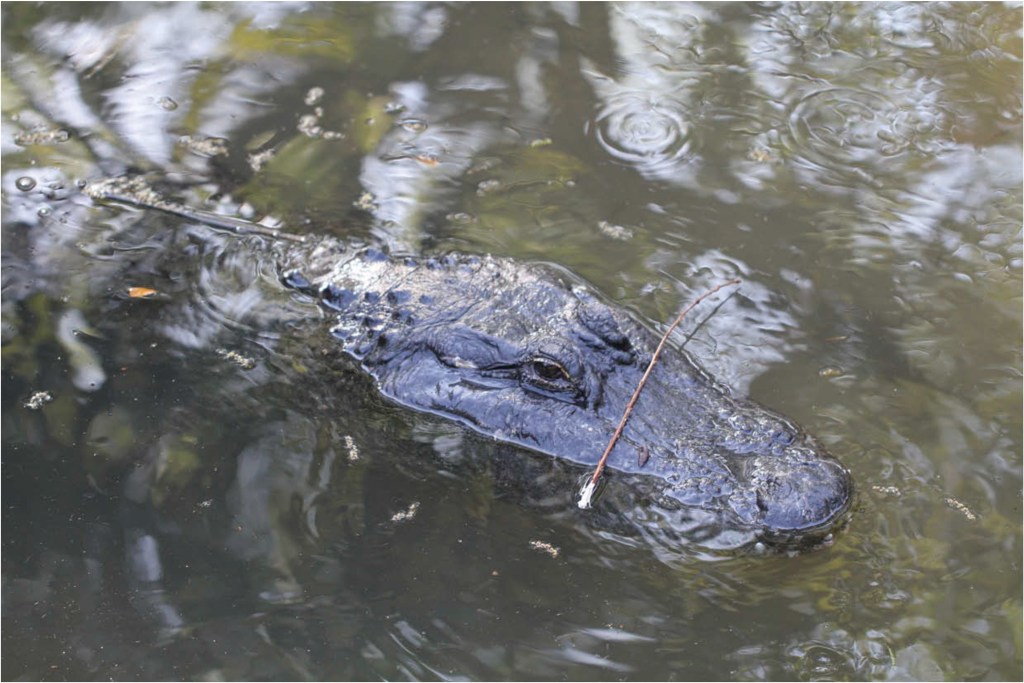
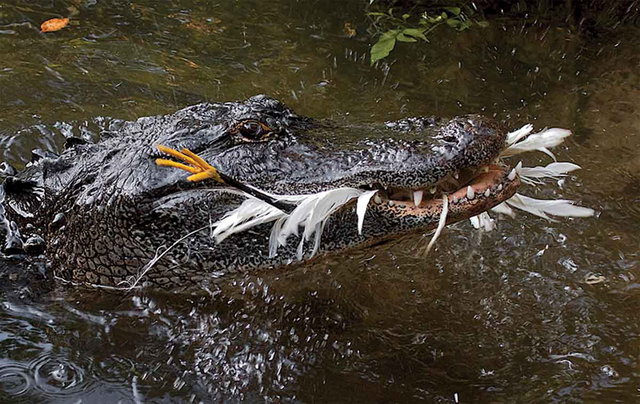
Finally, it has been suggested that two species of crocodilians (American Alligator and Mugger Crocodile), that reside in areas with large populations of nesting egrets, place sticks on top of their snout as lures to attract birds in search of nesting material. Although, in American Alligators this interpretation has recently been challenged, as scientists found that the rate of stick-displaying behavior did not differ between alligators found at sites with and without bird rookeries.


One thought on “Lure-fishing animals”