On a foggy January morning I walked a riverbank in north central Florida, with telephoto lens around my neck and fishing pole in hand. I stopped to photograph a river otter as it bobbed and weaved amongst the riparian structure, hunting for fish. Herons lining the bank occasionally squawked, protesting my presence. It was the sort of morning that makes one appreciate the Florida landscape and the wildlife it holds. But as I rounded a bend, I came upon the scene of a massacre. There was trampled vegetation, fishing litter, and the bodies of approximately 100 large Bowfin laying in heaps on the bank. I quickly pieced together what likely happened. Due to low water levels, Bowfin were congregating in a deep pool in the river. In this spot, anglers had targeted them, en masse, and left them to rot on the bank. There was not yet any foul smell or bloating suggesting they were freshly killed, likely the day prior.
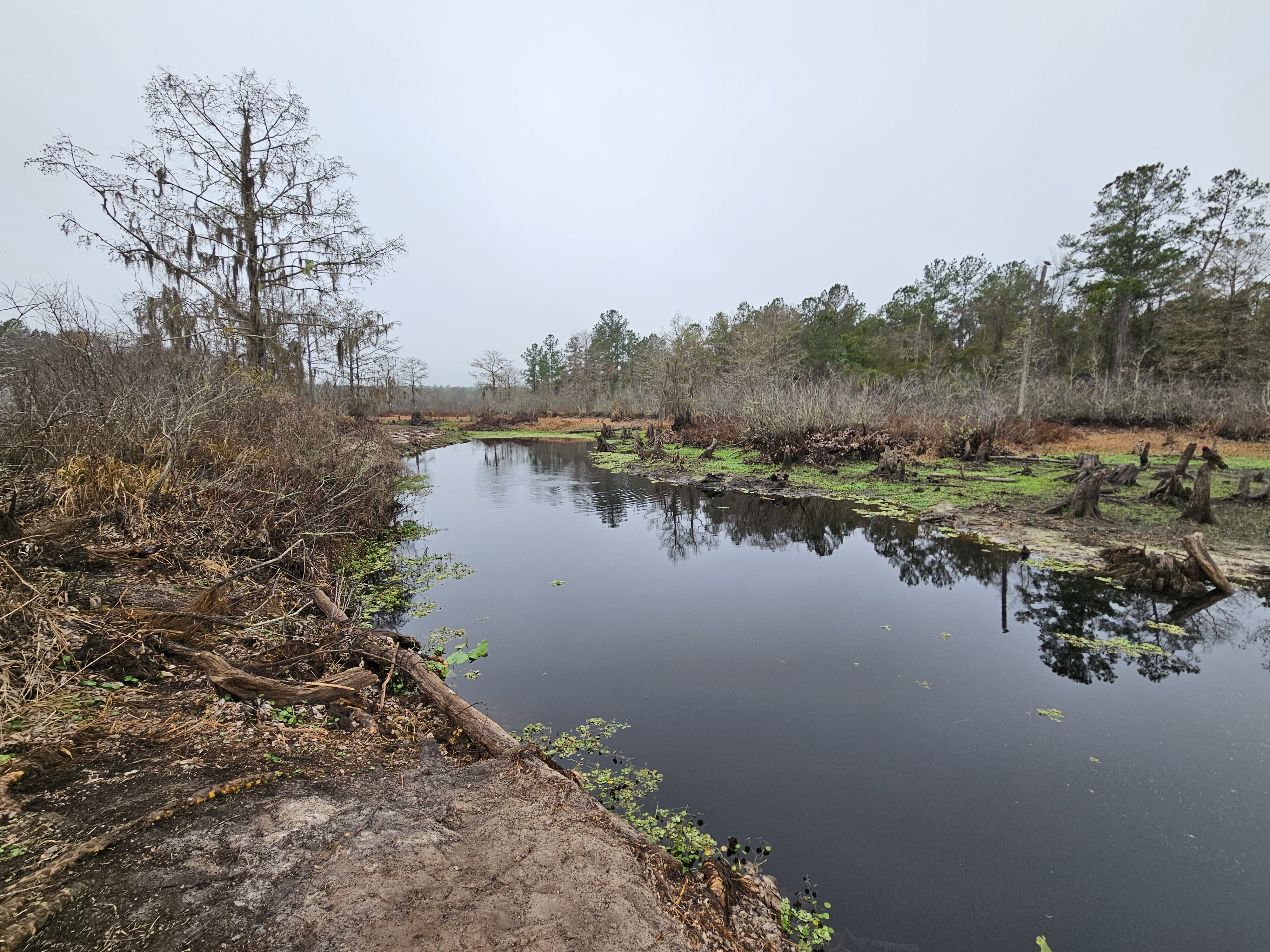
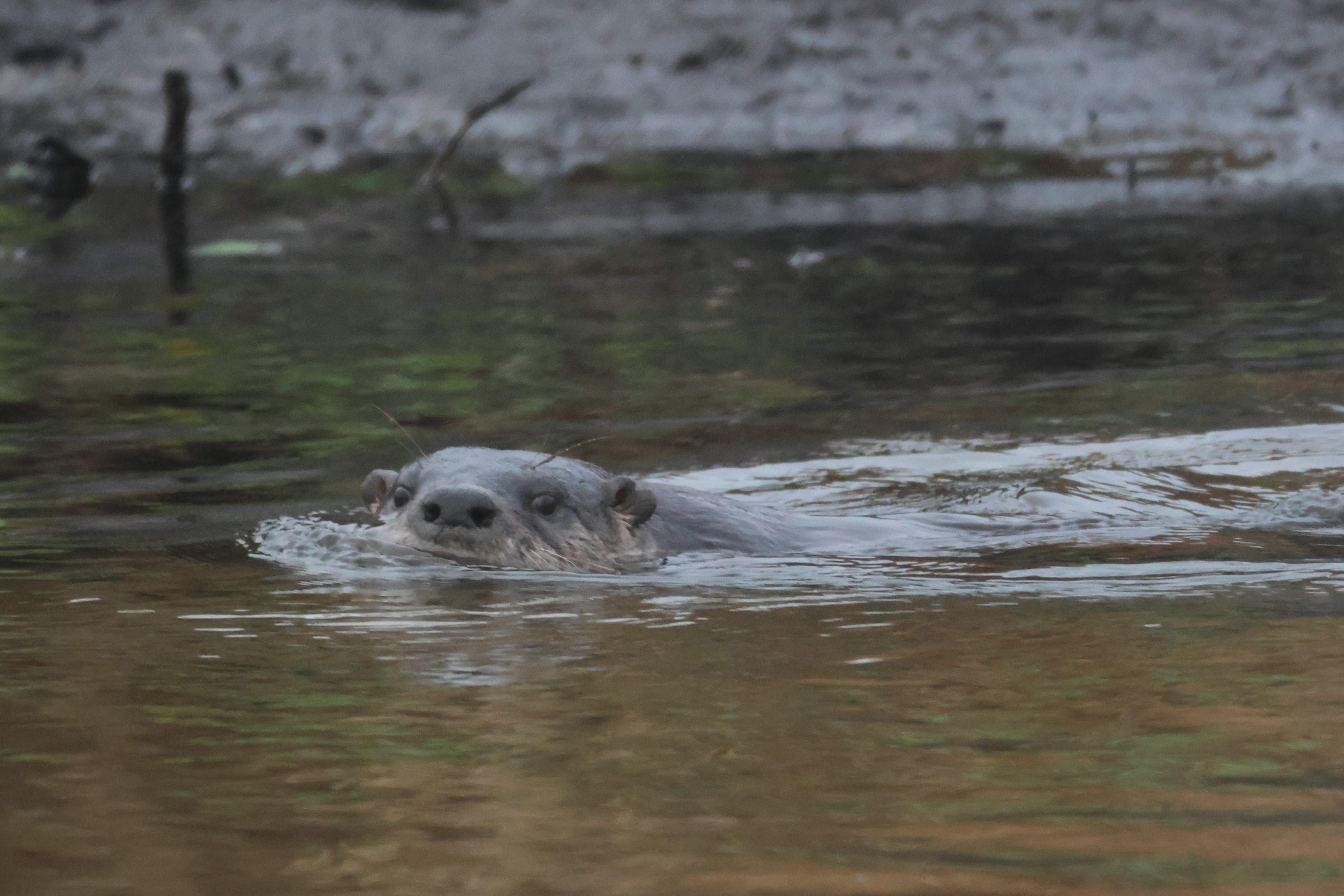
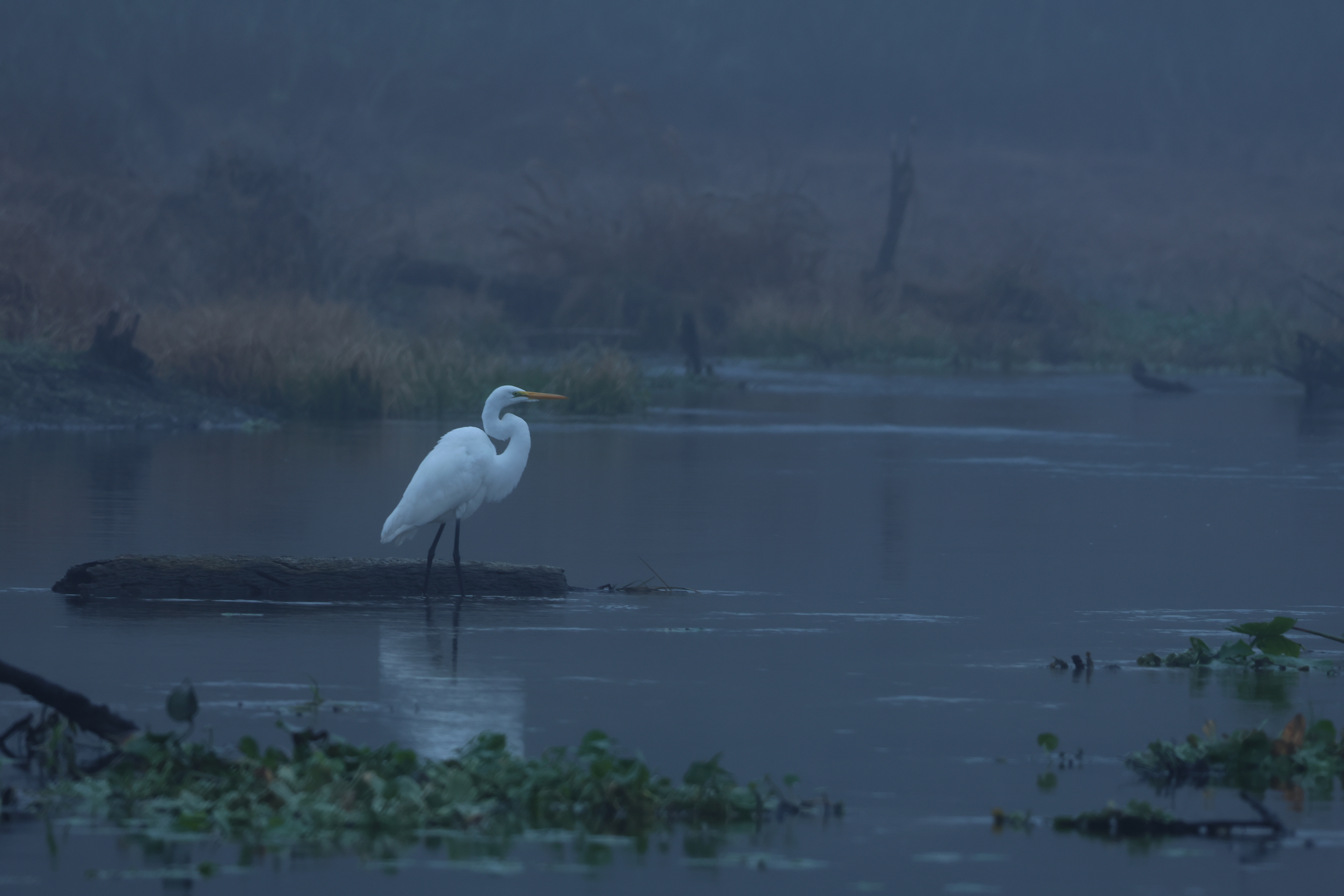
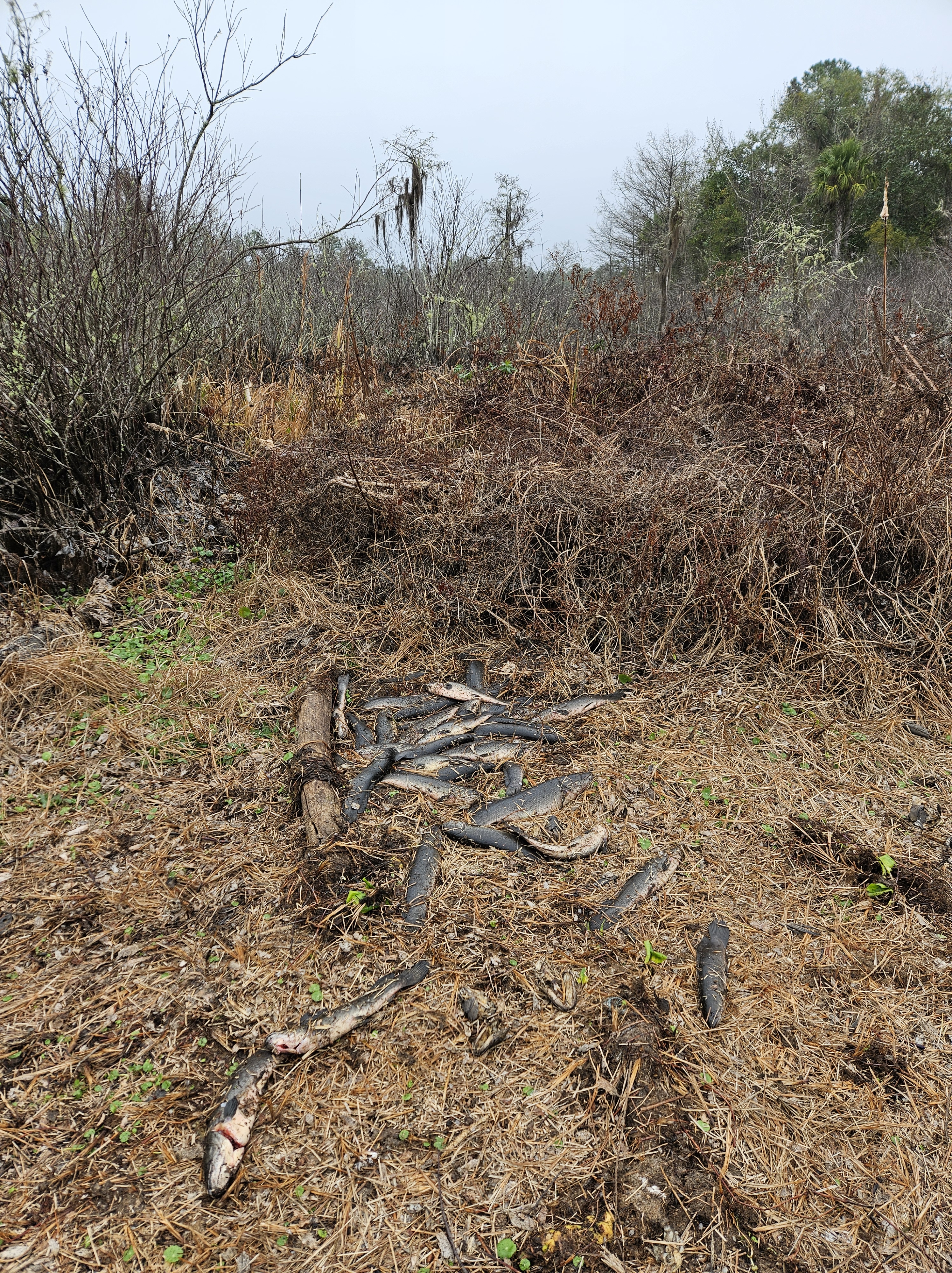
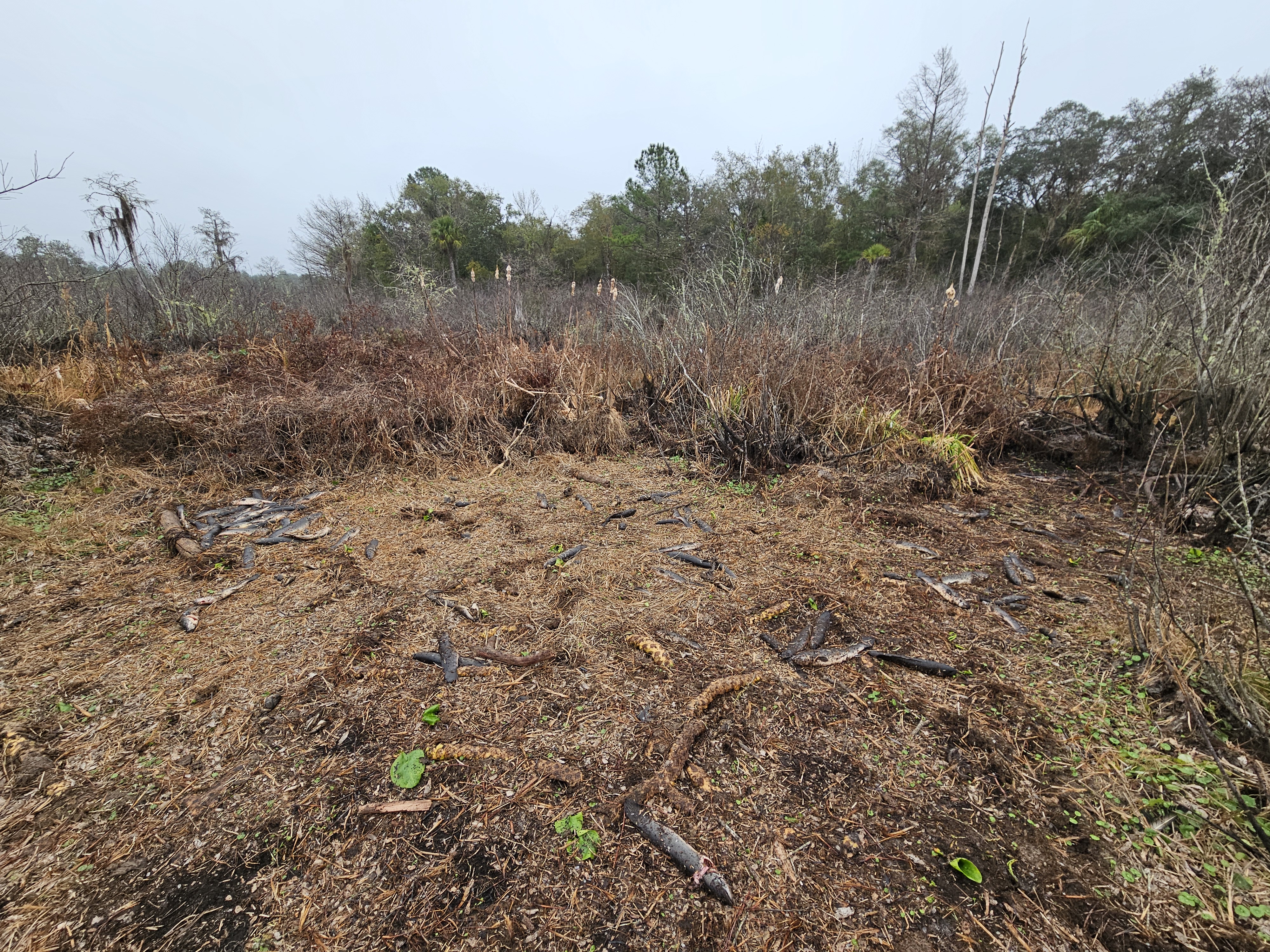
A morning walk along the river took an unexpected turn when I came upon piles of dead Bowfin left on the bank.
Bowfin are ancient fish, largely unchanged in appearance since the age of the dinosaurs. They sit at the end of a 250-million-year-old long branch of the evolutionary tree, earning the moniker ‘living fossil’. Like their distantly related cousins – Gar – they are adaptable survivors capable of breathing both air and water. Bowfin have the look of a prehistoric relic: compact and cylindrical with powerful jaws and conical teeth. They are formidable predators similar in shape to snakehead; but unlike snakehead they are entirely home grown (i.e. native to eastern North America) and found nowhere else on earth. Despite these features, amongst some anglers they are considered a lesser fish and offered limited protections by state wildlife agencies.
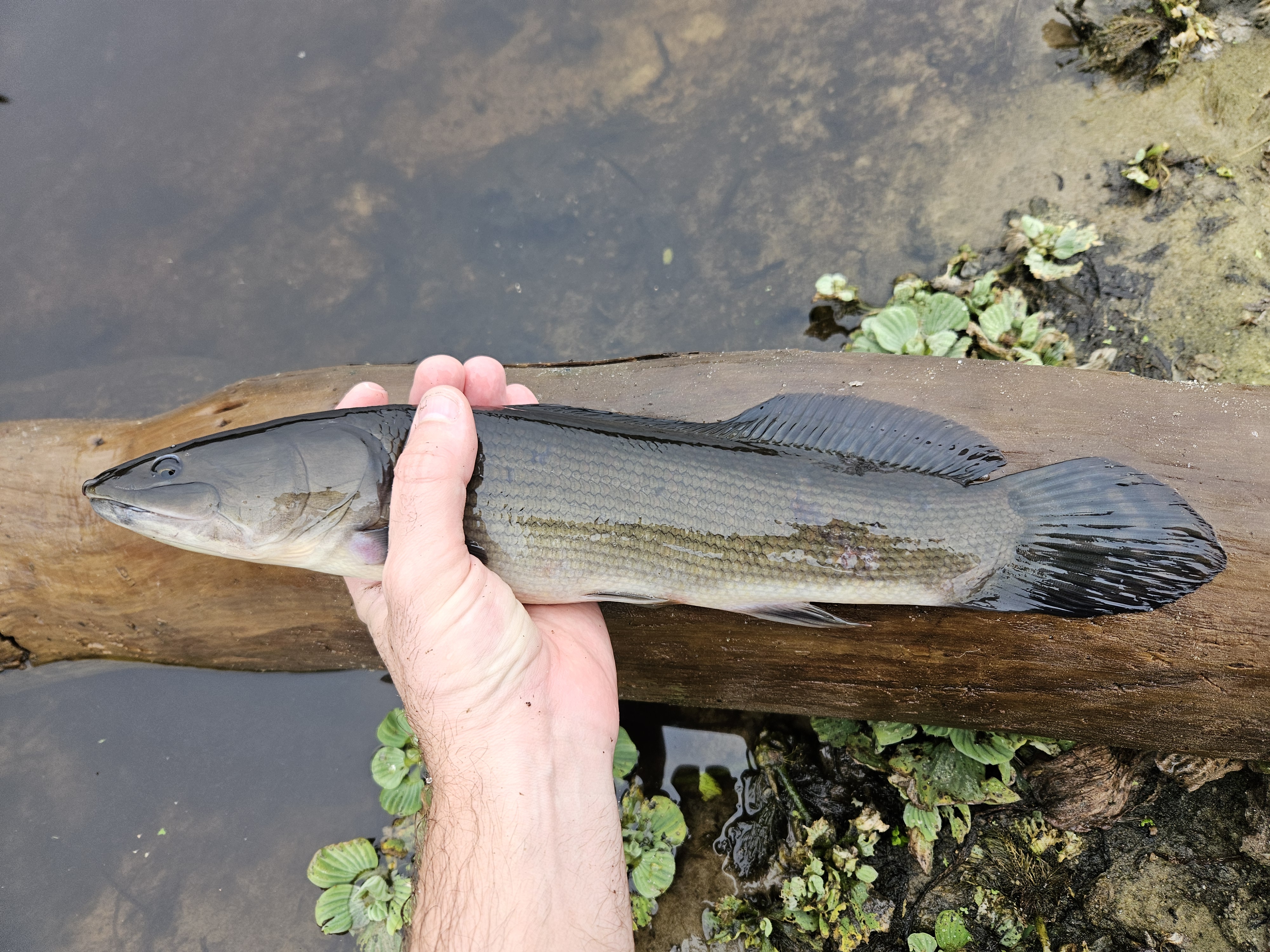
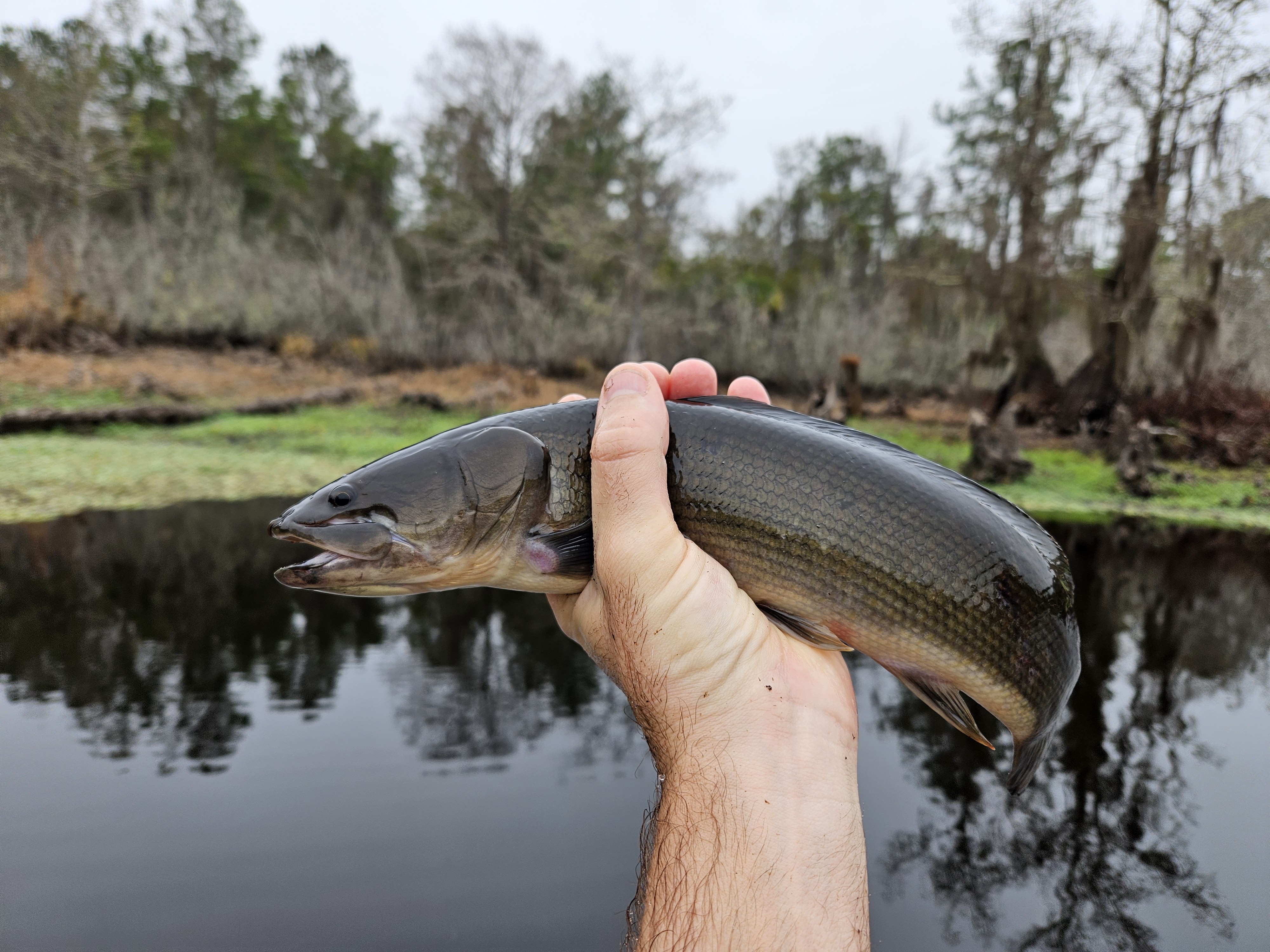
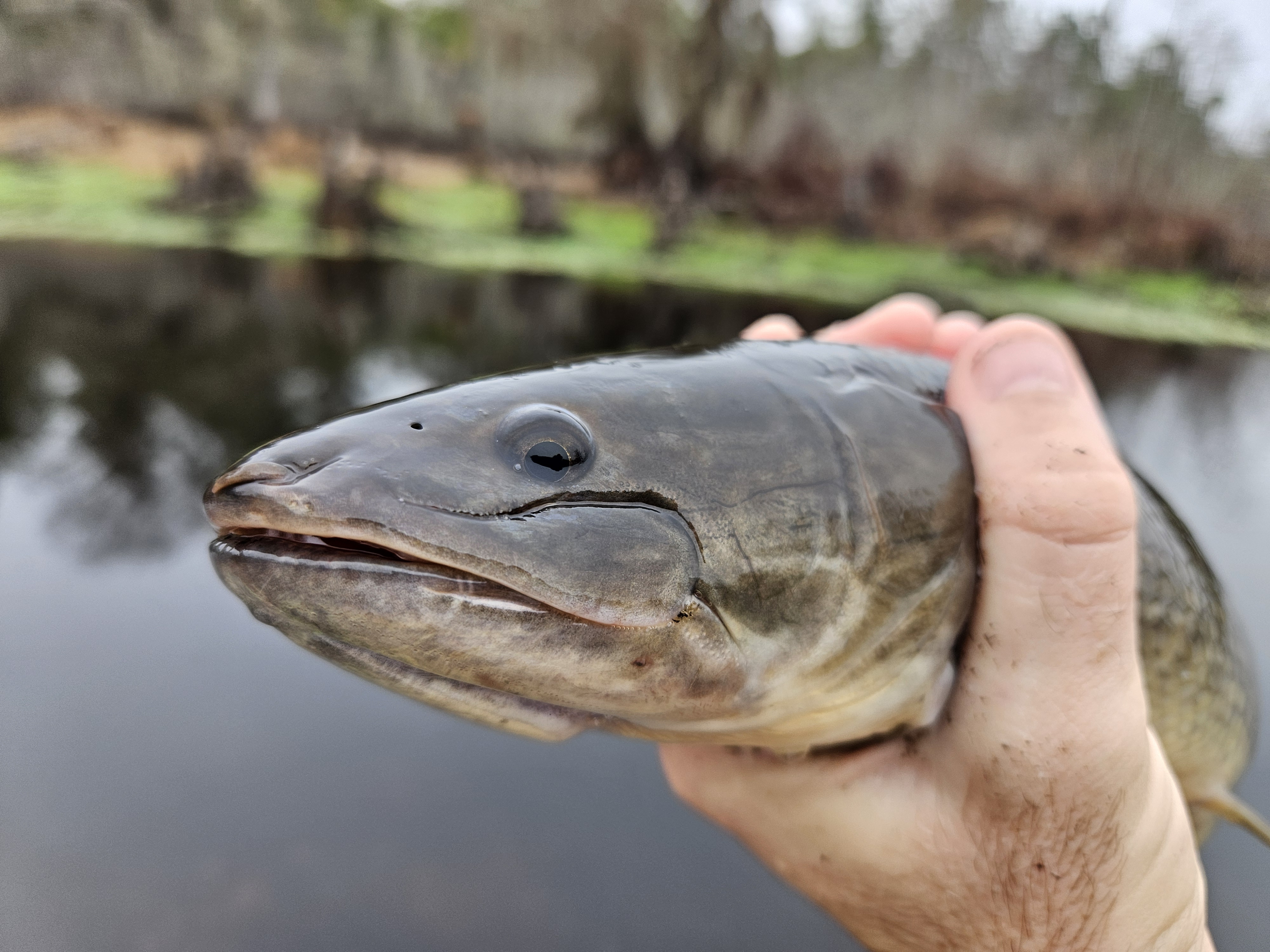
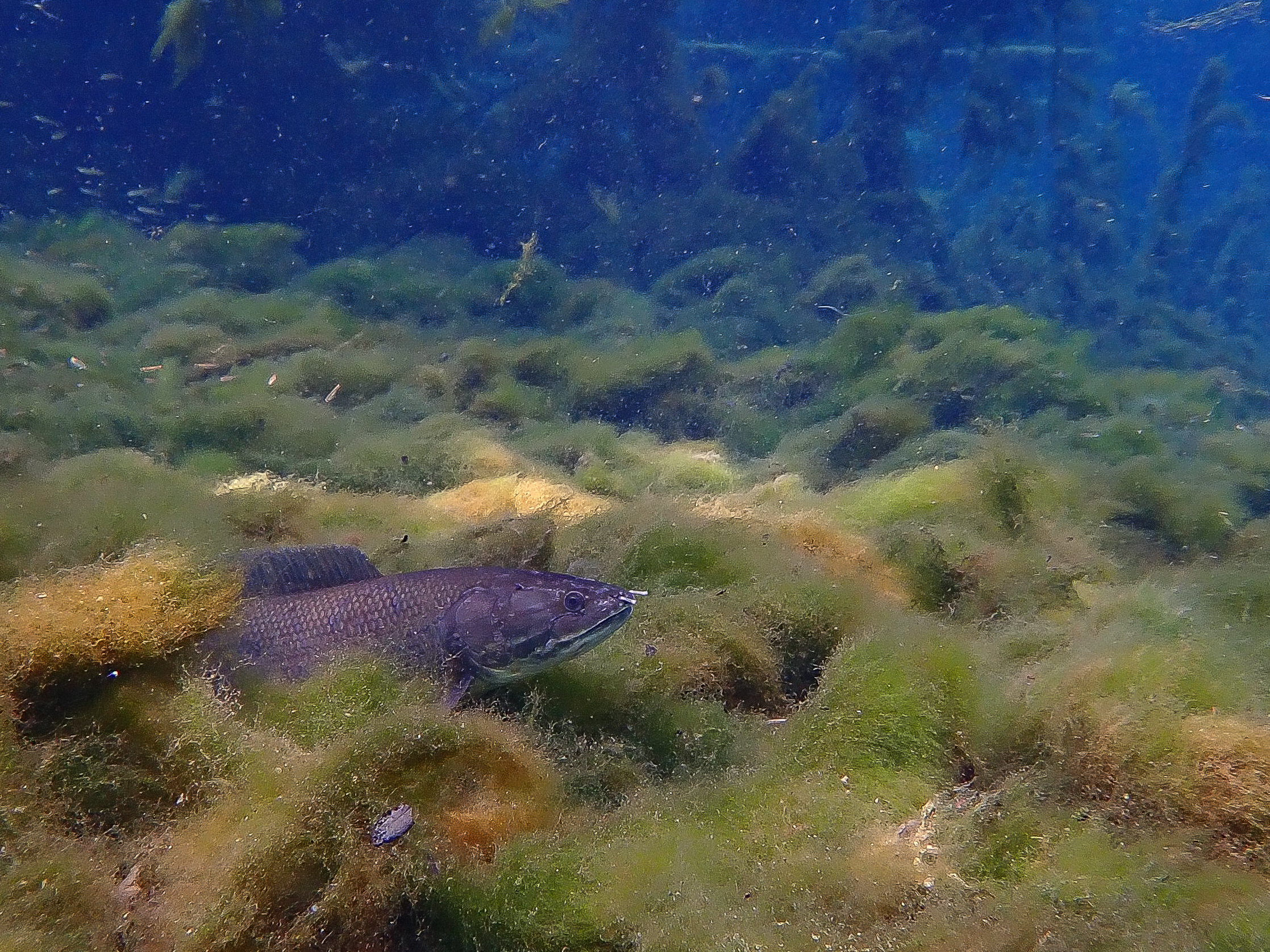
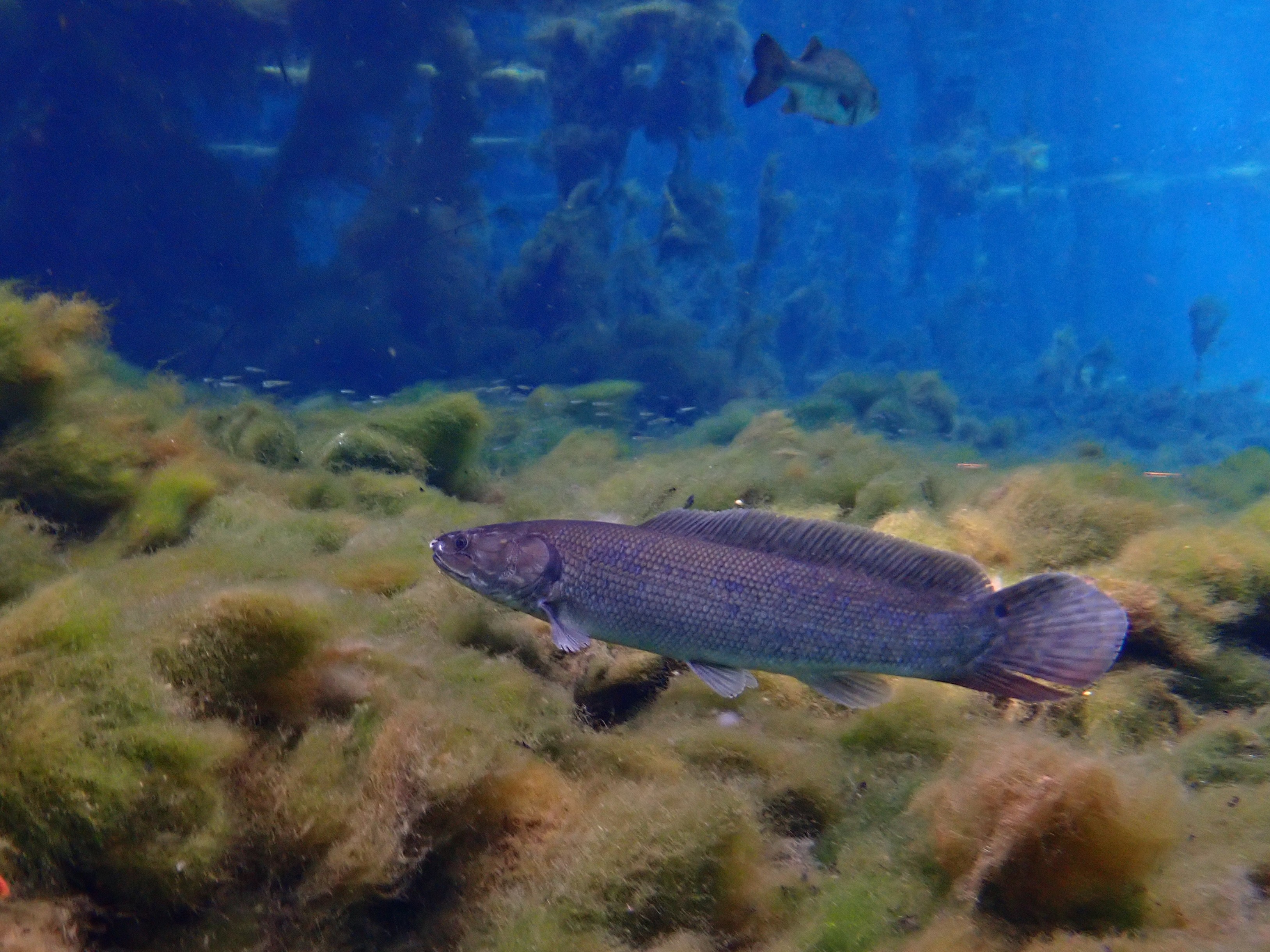
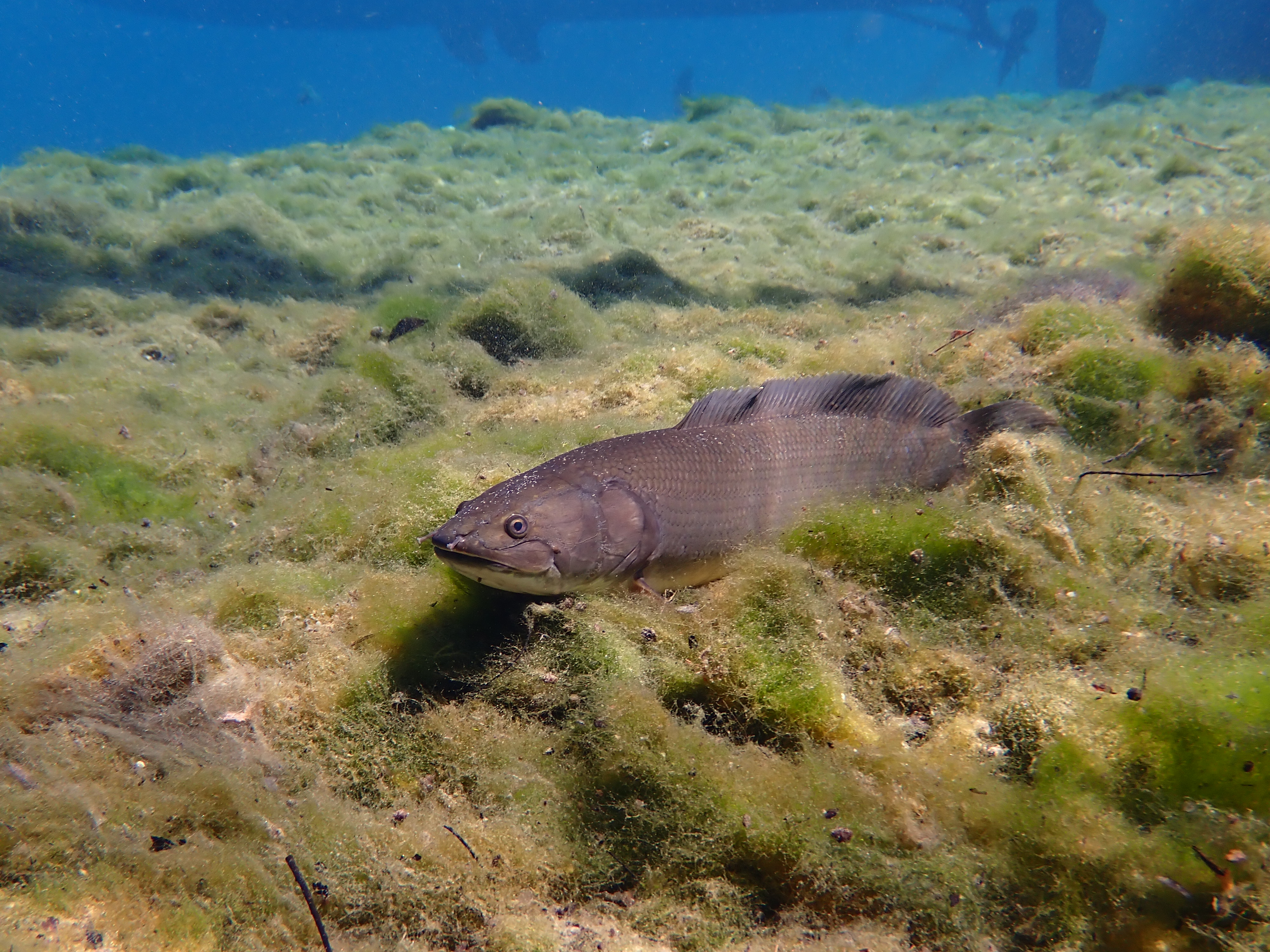
The Bowfin (Amia calva) photographed while catch-and-release angling (top 3 photos), and in the clear water of a Florida spring (bottom 3 photos).
A charitable interpretation of the wanton waste that I witnessed is that the anglers doing the killing thought they were benefiting the Largemouth Bass population. A sentiment expressed on some fishing forums, and likely passed by word of mouth amongst anglers, is that Bowfin negatively impact sportfish such as Largemouth Bass and therefore should be killed whenever captured. I would argue this is misguided for several reasons. First, Bowfin are a unique native fish and deserving of respect in their own right. A growing body of anglers, myself included, enjoy fishing for them. Bowfin can be caught on lures and pound-for-pound are likely harder fighters than Largemouth Bass. They may not be considered great eating, but the majority of Largemouth Bass fisherman are not eating their catch either (i.e. they practice catch and release). Finally, I searched the scientific literature for evidence that Bowfin negatively impact Largemouth Bass populations and came up empty. Sure, Bowfin and Largemouth Bass are both predators and exhibit some diet overlap, and Bowfin likely occasionally eat bass fry and juveniles. But the same is true for dozens of other species including the otter I observed hunting fish, the numerous herons stalking the river banks, and many other fish species such as Crappie and Bluegill which are more abundant than Bowfin. Nature is delicately balanced, and Largemouth Bass and Bowfin are two predators that have evolved to coexist over millions of years, each with their own unique niche.
A final point is that the indiscriminate killing of Bowfin (i.e. wanton waste) appears to be illegal according to Florida Administrative Code 68A-4.001 which states: “(1) No wildlife or freshwater fish or their nests, eggs, young, homes or dens shall be taken, transported, stored, served, bought, sold, or possessed in any manner or quantity at any time except as specifically permitted by these rules nor shall anyone take, poison, store, buy, sell, possess or wantonly or willfully waste the same except as specifically permitted by these rules.” But rules alone may be unlikely to effect change without a corresponding change in attitude toward the Bowfin. So, if you are fortunate to catch a Bowfin (or Gar), admire these ancient native fish and set them free.
 Reason and Nature