A persistent dilemma for the traveler is whether to visit some place new or return to a place you have visited before and like. Of course, different individuals weigh these options differently. At a broad scale, two extremes could be: visiting the same place for vacation every year, versus always visiting someplace new. On an intermediate scale: going to your cabin on a lake almost every weekend, versus doing something different most weekends. On a local scale: taking the same route for your daily walk, versus varying your route depending upon the day. After having visited someplace new, I find myself asking: is this a place I would visit again or is it a one and done (i.e. now that I’ve seen it, I don’t ever need to come back)? At a broad scale, I tend to gravitate toward visiting new places but at a local level I tend to explore broadly, find the places I like, and then return to them again and again. One place I find myself continually coming back to is La Chua Trail in Paynes Prairie Preserve State Park, Florida. In the year and a half I have lived in Gainesville, I have visited this trail nearly a hundred times, and it never gets old. This is truly a special place and what follows is my attempt to illustrate why.
The Florida Landscape
Florida is a low elevation state. In fact, the highest elevation in the entire state is only 345 feet above sea level. Yet, it still has an impressive variety of landscapes: swamps, cypress forests, live oaks draped in Spanish moss, pinelands, prairies, mangroves, estuaries, and of course white-sand beaches. Clyde Butcher, perhaps America’s most famous living landscape photographer, began his career photographing the majestic scenery west of the Rocky Mountains before permanently moving to Florida and becoming renowned for his large black-and-white photographs of these Florida landscapes.
I would argue the real beauty of Florida lies more in the living landscape than the physical. Everything is lush, overgrown, even tropical. It is the water, the sunshine, the warmth, the humidity. In Florida life is easy, and it oozes out of every nook and cranny. Here, there are more introduced reptile species than anywhere else on earth. The same is likely true for freshwater fish. Everything not only survives but thrives here, from 20-foot Burmese pythons to 2-inch Tropical house geckos, from Peacock bass to Asian swamp eels, from Rhesus macaques to American Bison. In Florida the wildlife is unavoidable. When I open my front door at night, Tropical house geckos run in, and when I walk the short distance to my car during the day, Brown anoles scamper out of the way.
La Chua Trail
What makes La Chua trail special is it passes through a microcosm of different Florida landscapes that support abundant wildlife. You enter through a tunnel of live oaks draped in Spanish moss, briefly walk through deciduous forest and underneath an old railway line, pass through an old horse barn constructed by early cattle ranchers, make your way onto an enormous wooden boardwalk overlooking Alachua sink and surrounding wetlands, and end with a short walk alongside the prairie.
La Chua trail is located on the north end of Paynes Prairie Preserve State Park, just a stone’s throw from Gainesville. The trail is only about a half mile long, making for an approximately 1-mile round trip. [It used to be substantially longer but following a flood the last portion was closed and is now totally overgrown.] The trail is unassuming and easily accessible. You simply drive in, park, and immediately begin your hike. The trail winds past a feature of great geological importance – the Alachua sink. A sink is the opposite of a spring; in springs water flows out of the earth, and in sinks water flows into the earth. The surface water that gathers on the 10-mile diameter Paynes Prairie eventually drains into this sink and makes its way deep underground, replenishing the Florida aquifer. In essence, Alachua sink is a drain plug that sits on the edge of a seasonally flooded prairie. The water-level of the seasonally-flooded prairie varies greatly depending upon the amount of precipitation, rate of evaporation, and how quickly water drains to the sink (the sink can apparently become clogged with debris which hinders flow). During the late summer, following heavy rains, much of the prairie tends to be covered in surface water, while in late spring the prairie is drier with water levels typically at their lowest. However, some water always remains at Alachua sink. Thus, during dry periods, alligators, and all other wildlife that is dependent upon water, tends to congregate around the sink (and can be readily seen from La Chua trail).

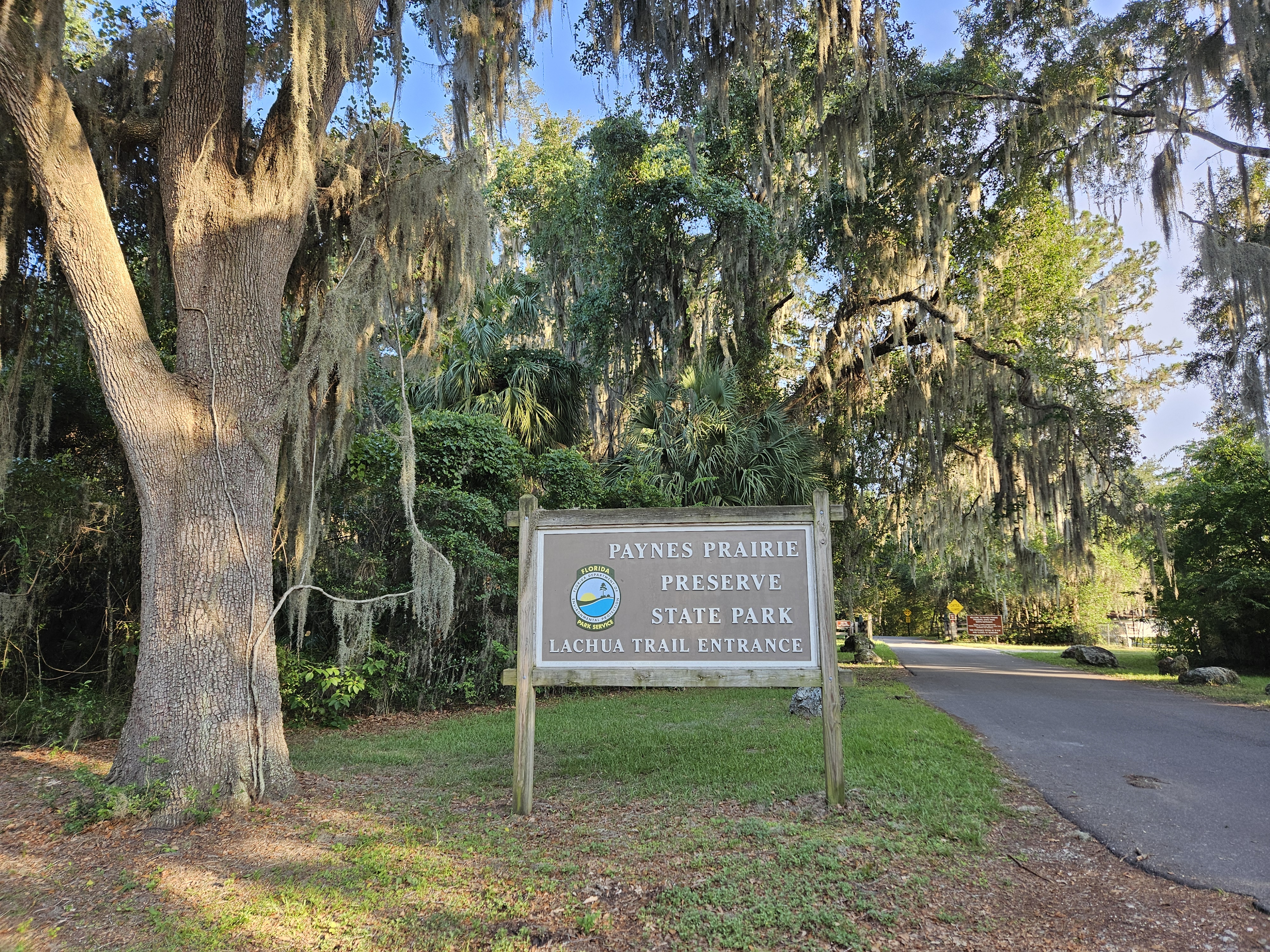

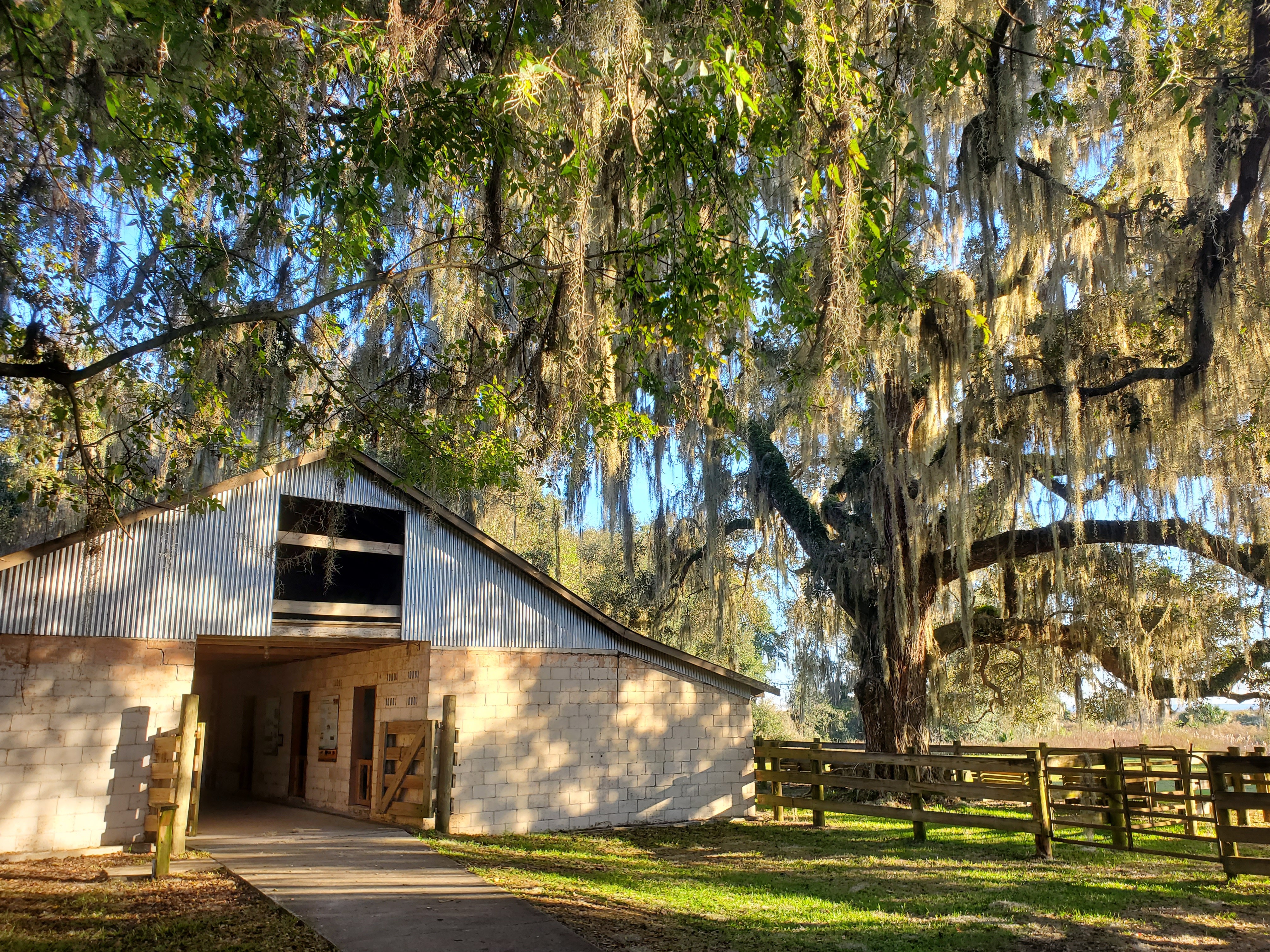


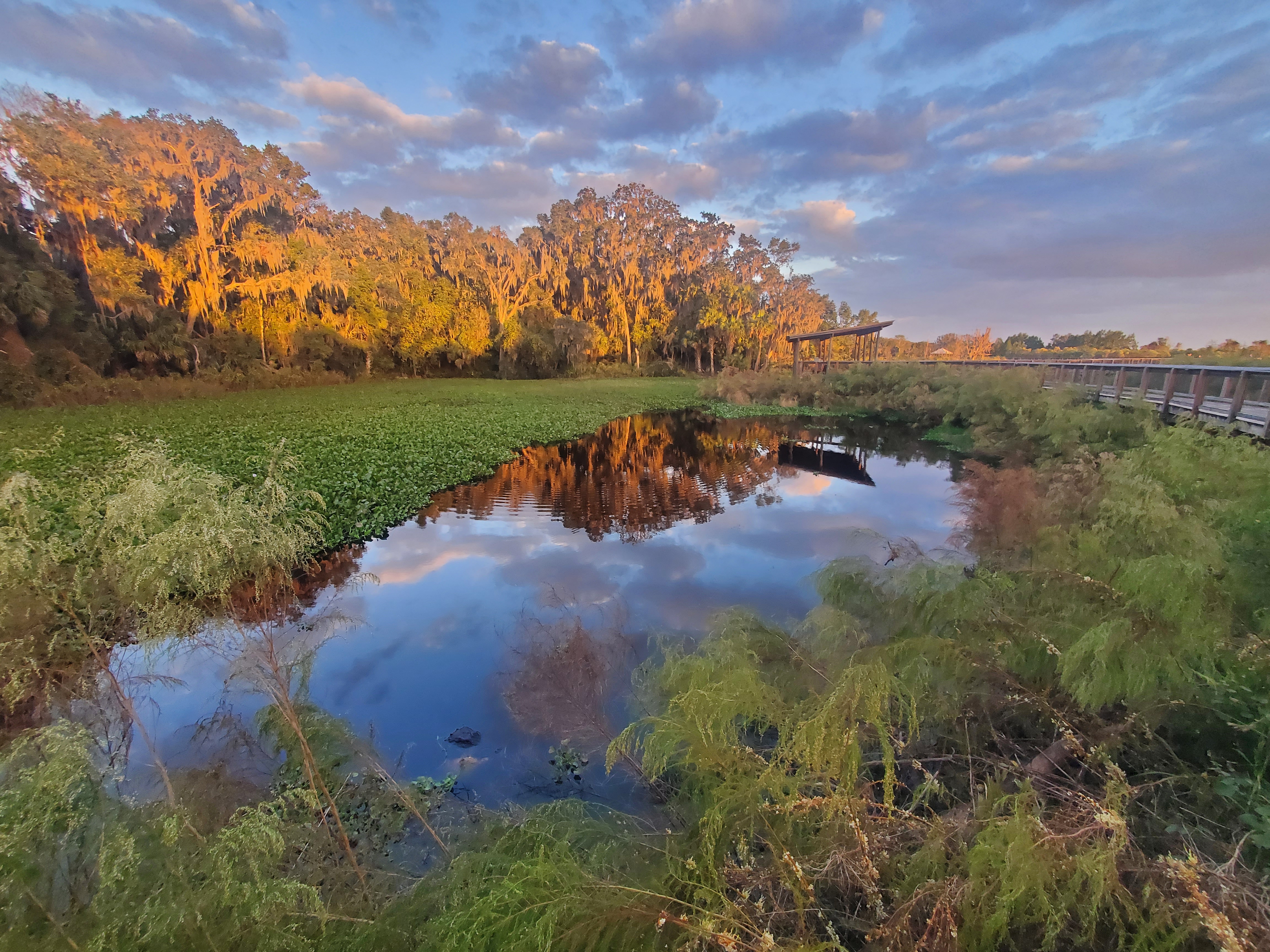
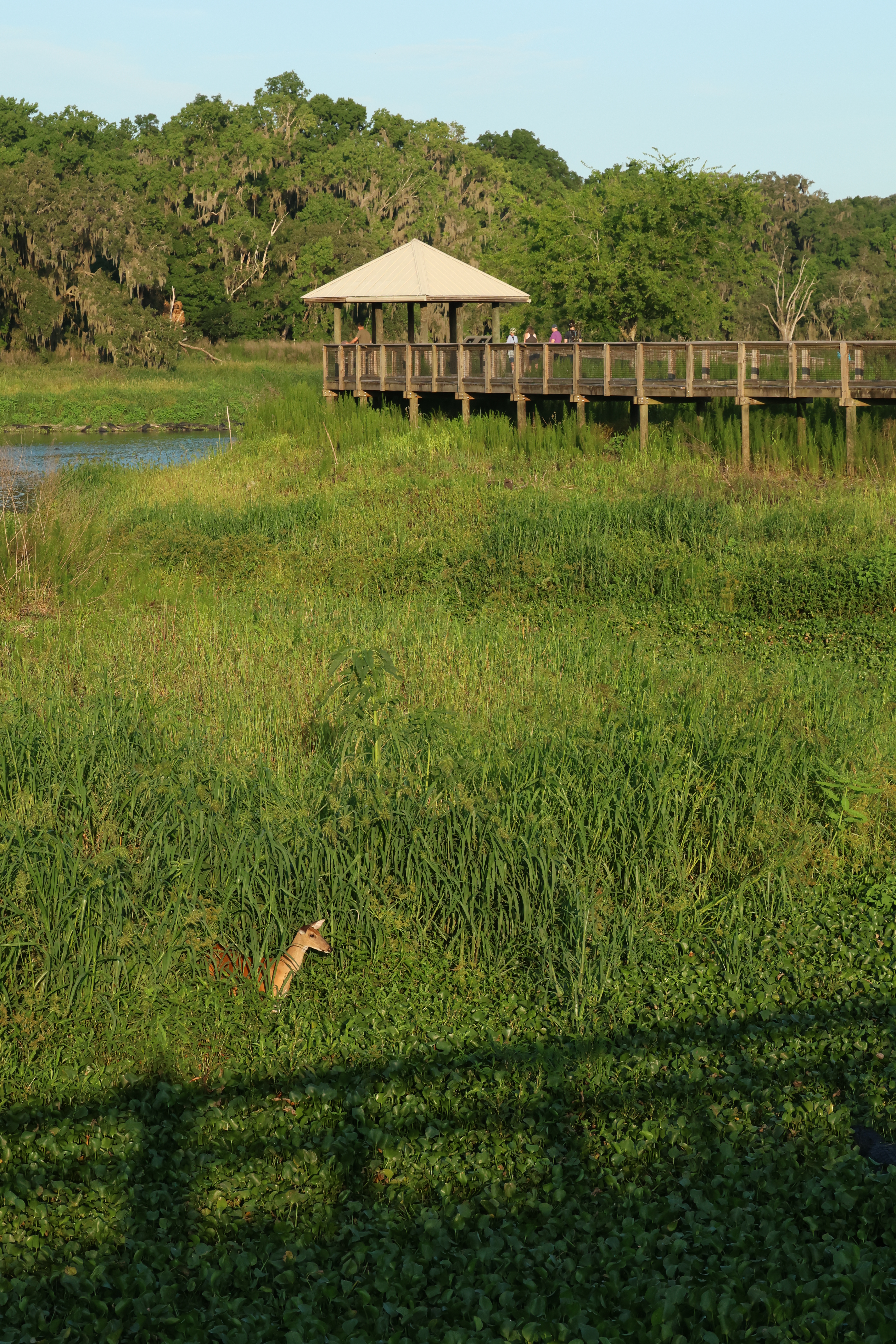

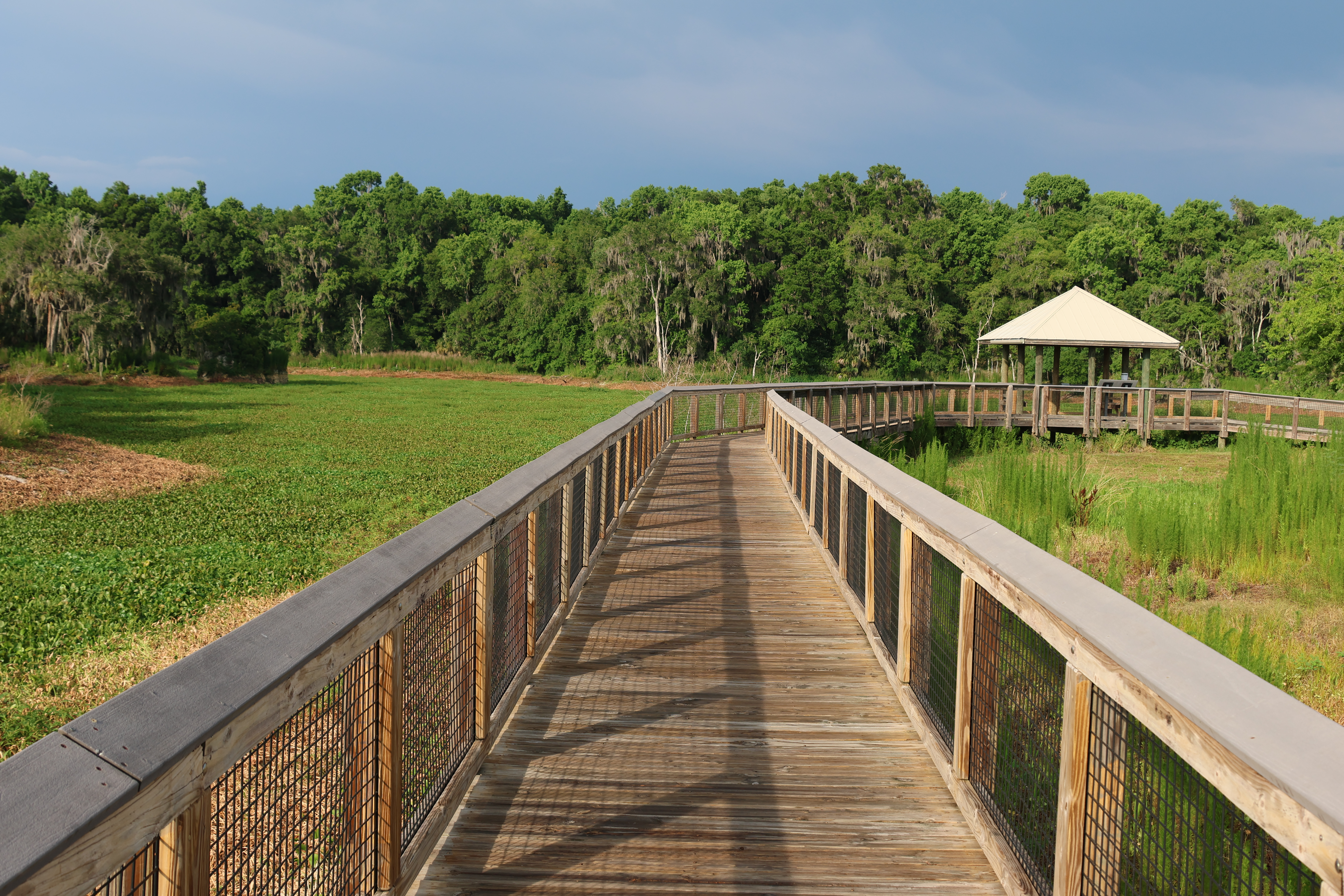
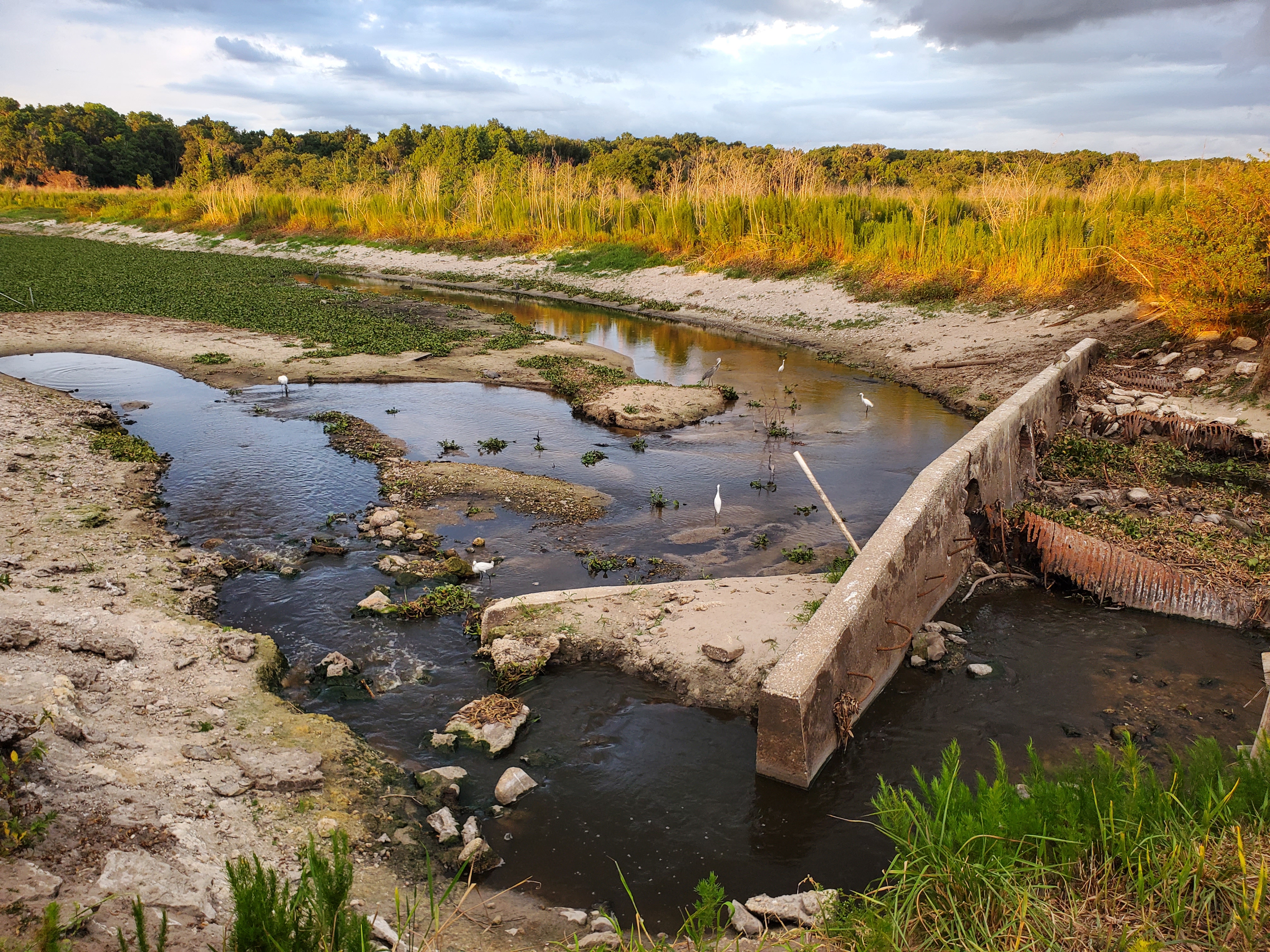

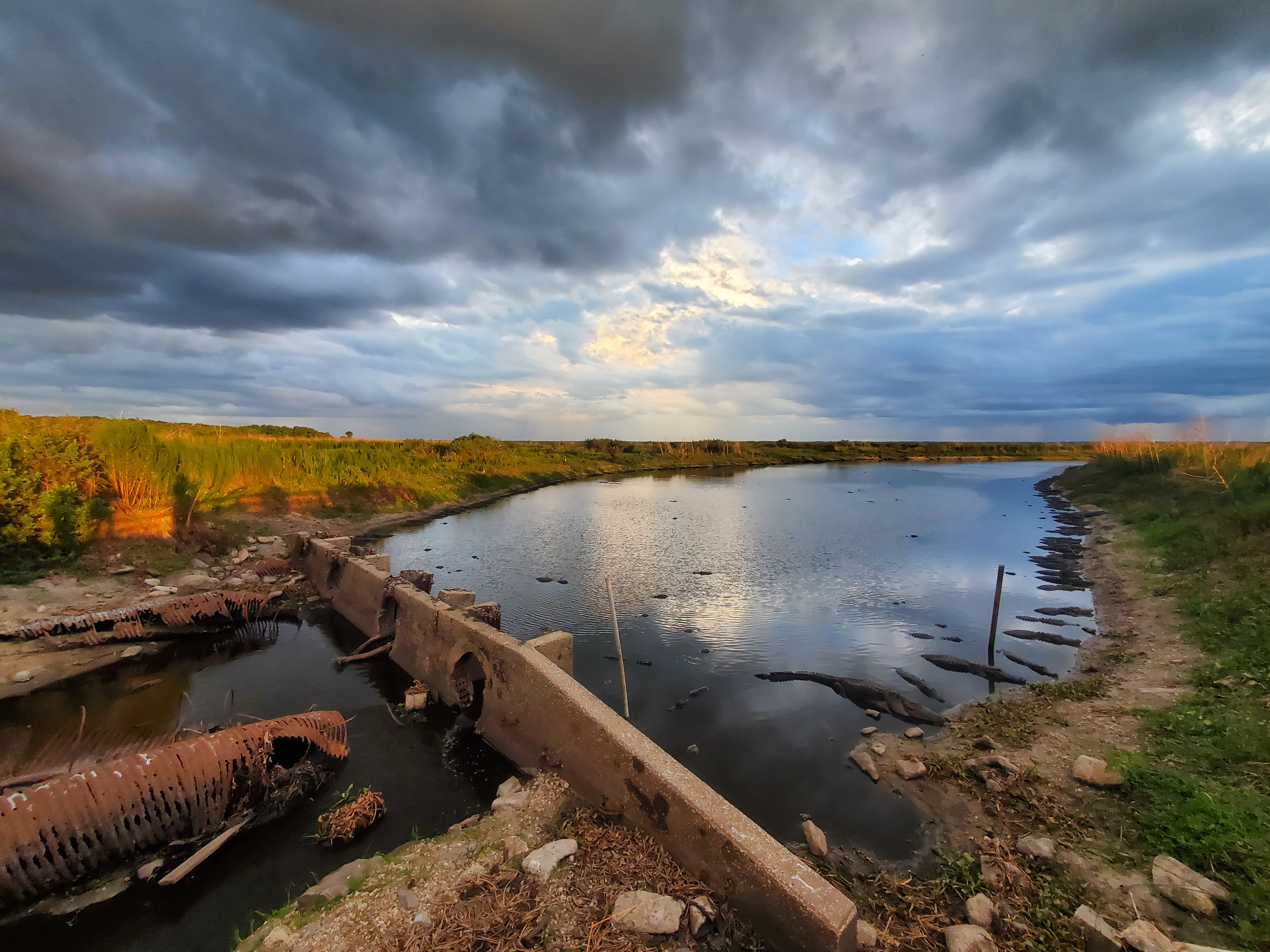
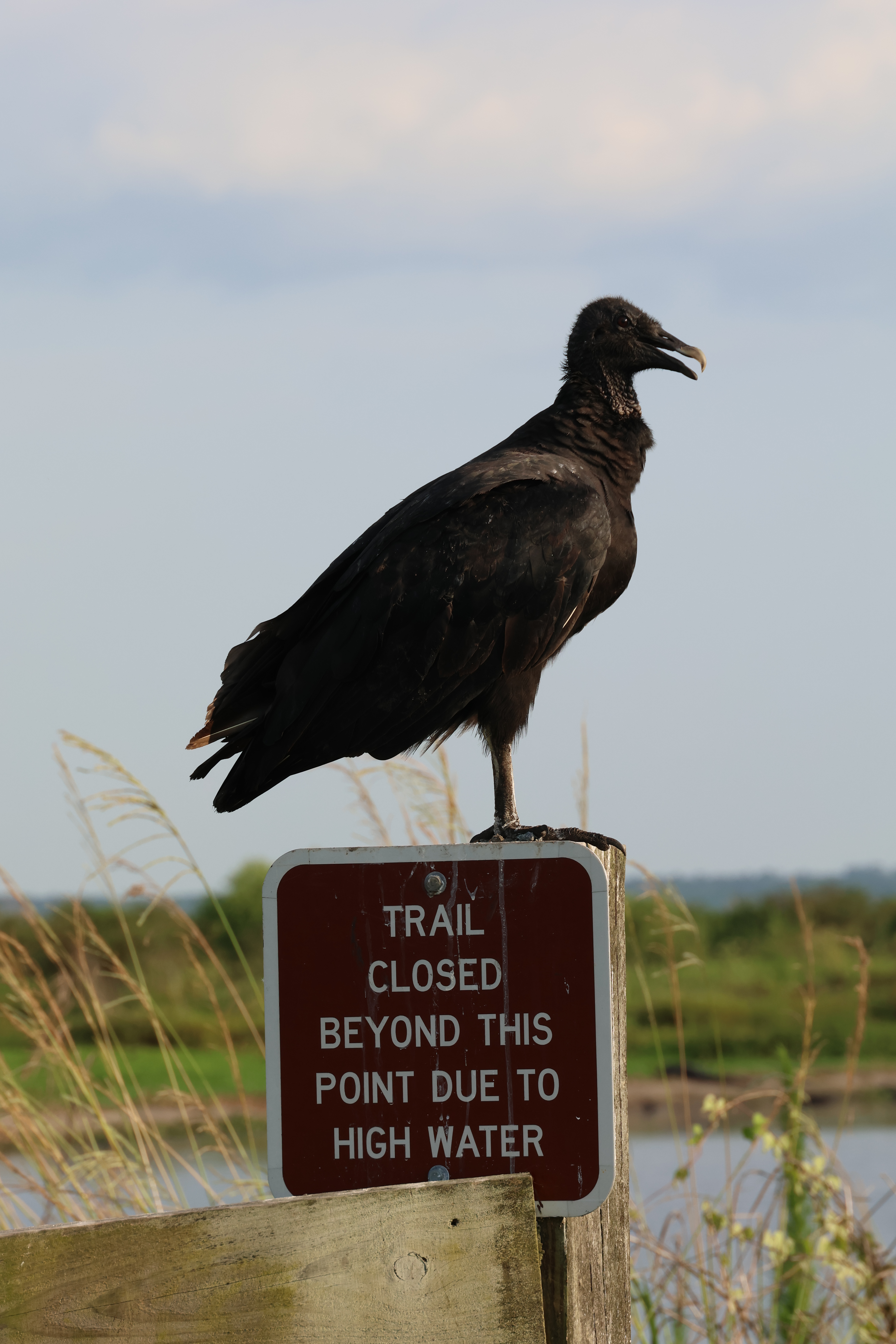
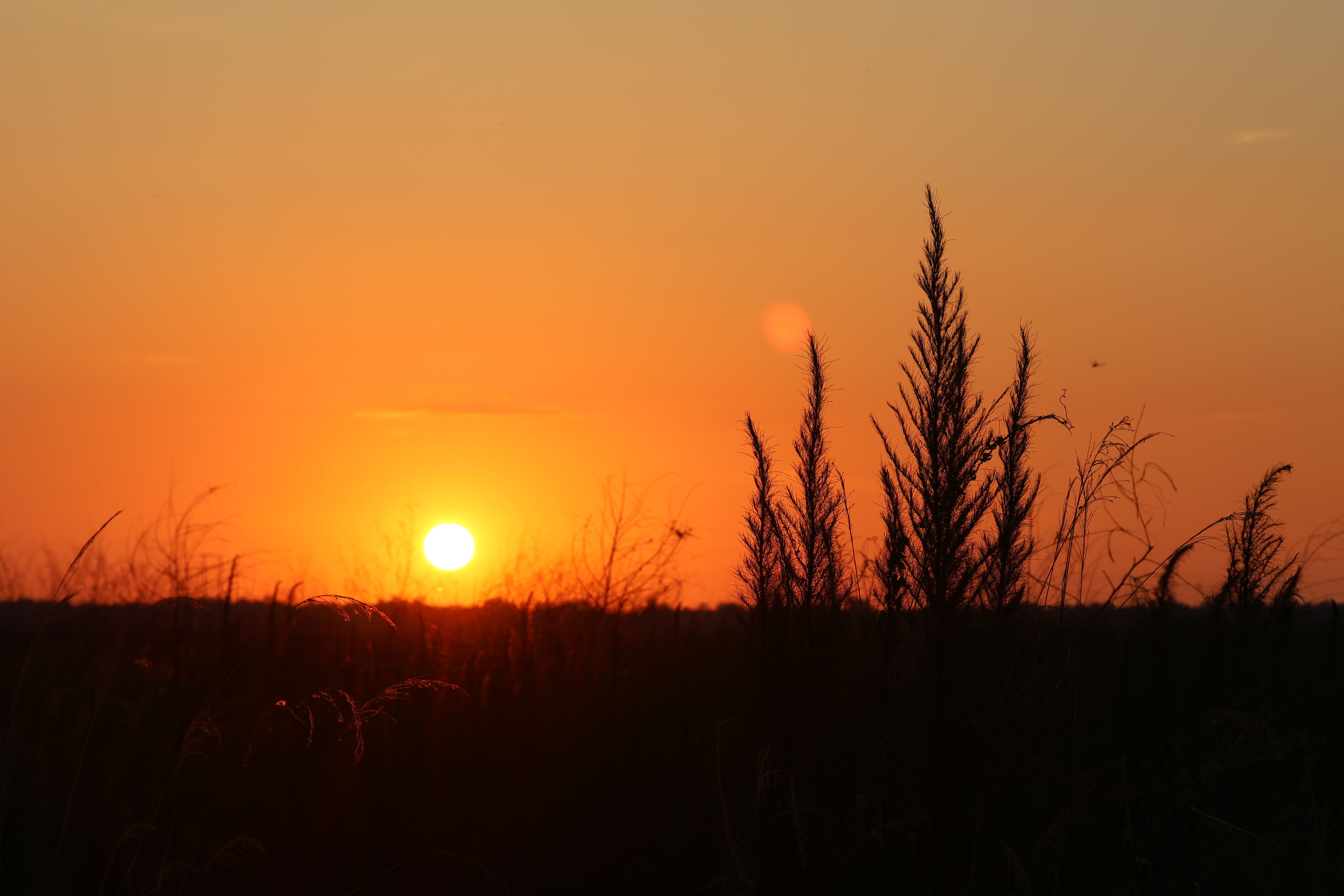
Views from La Chua trail in Paynes Prairie Preserve State Park, from trail beginning to end. Click photos to enlarge and open gallery view.
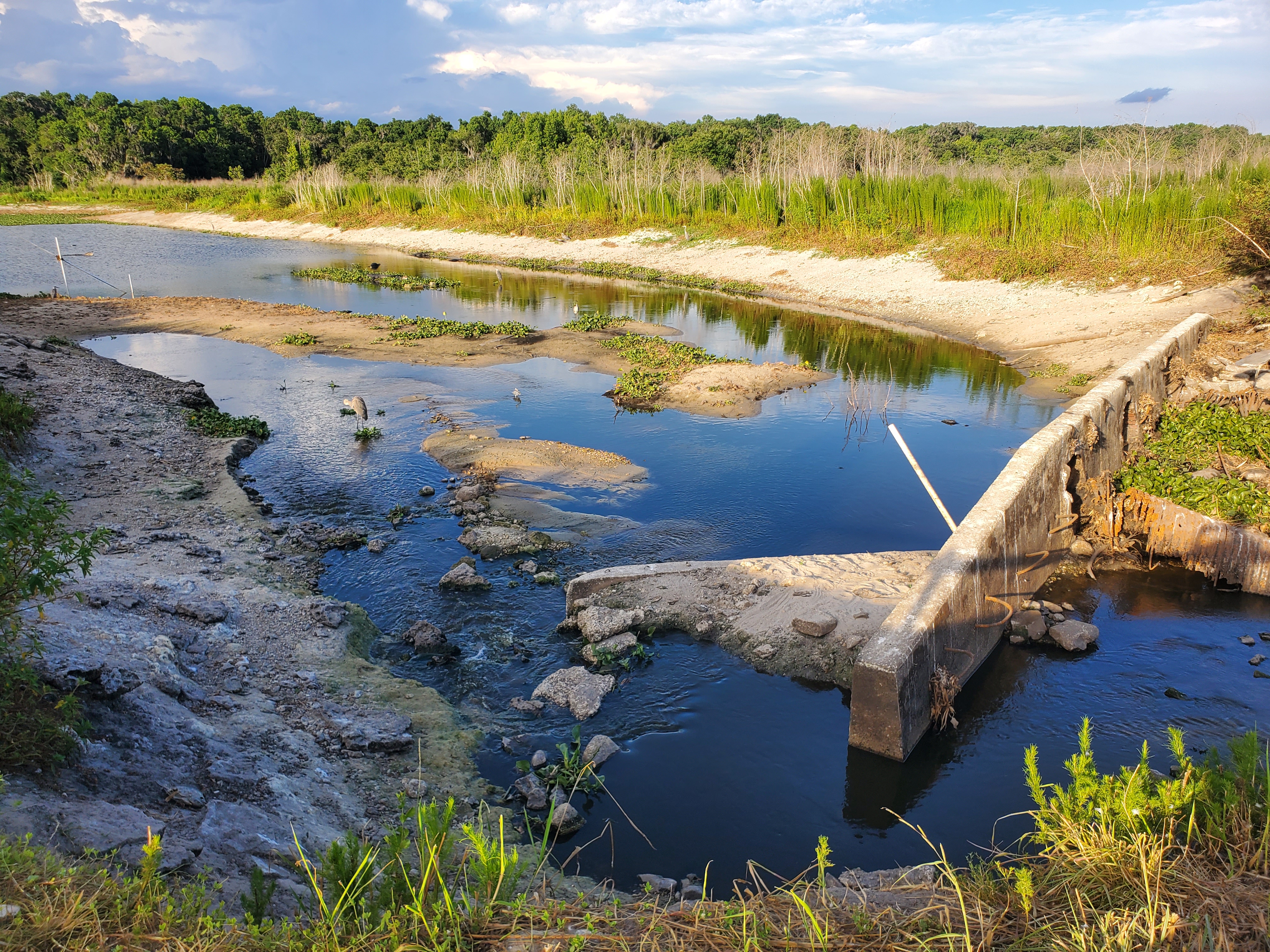
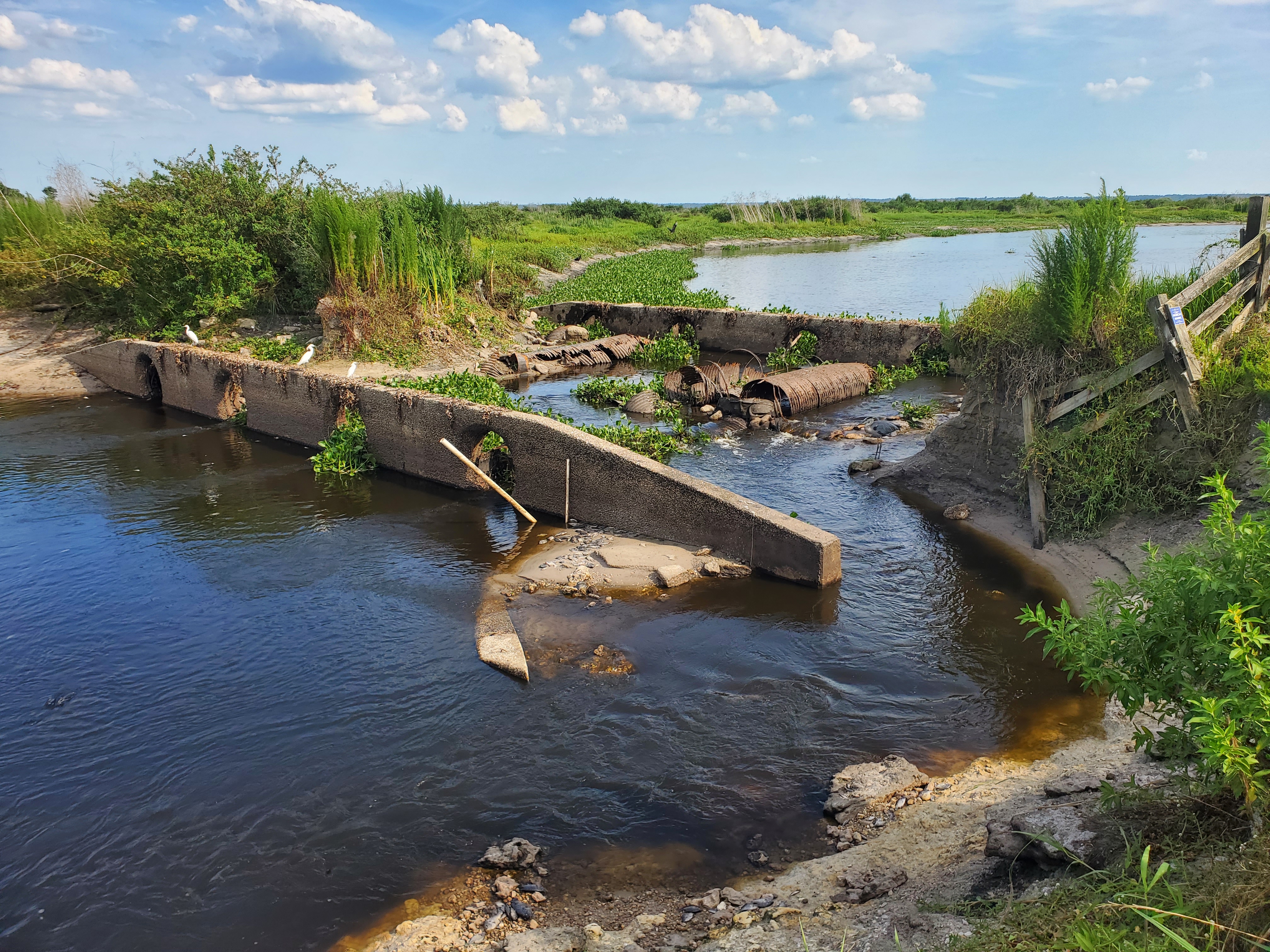
The landscape here changes dramatically from season to season and even day to day. This is probably best illustrated by comparing the same view at different times of the year. Since I regularly visit La Chua trail throughout the year, and am an avid photographer, I have been able to capture some of this seasonal variation.



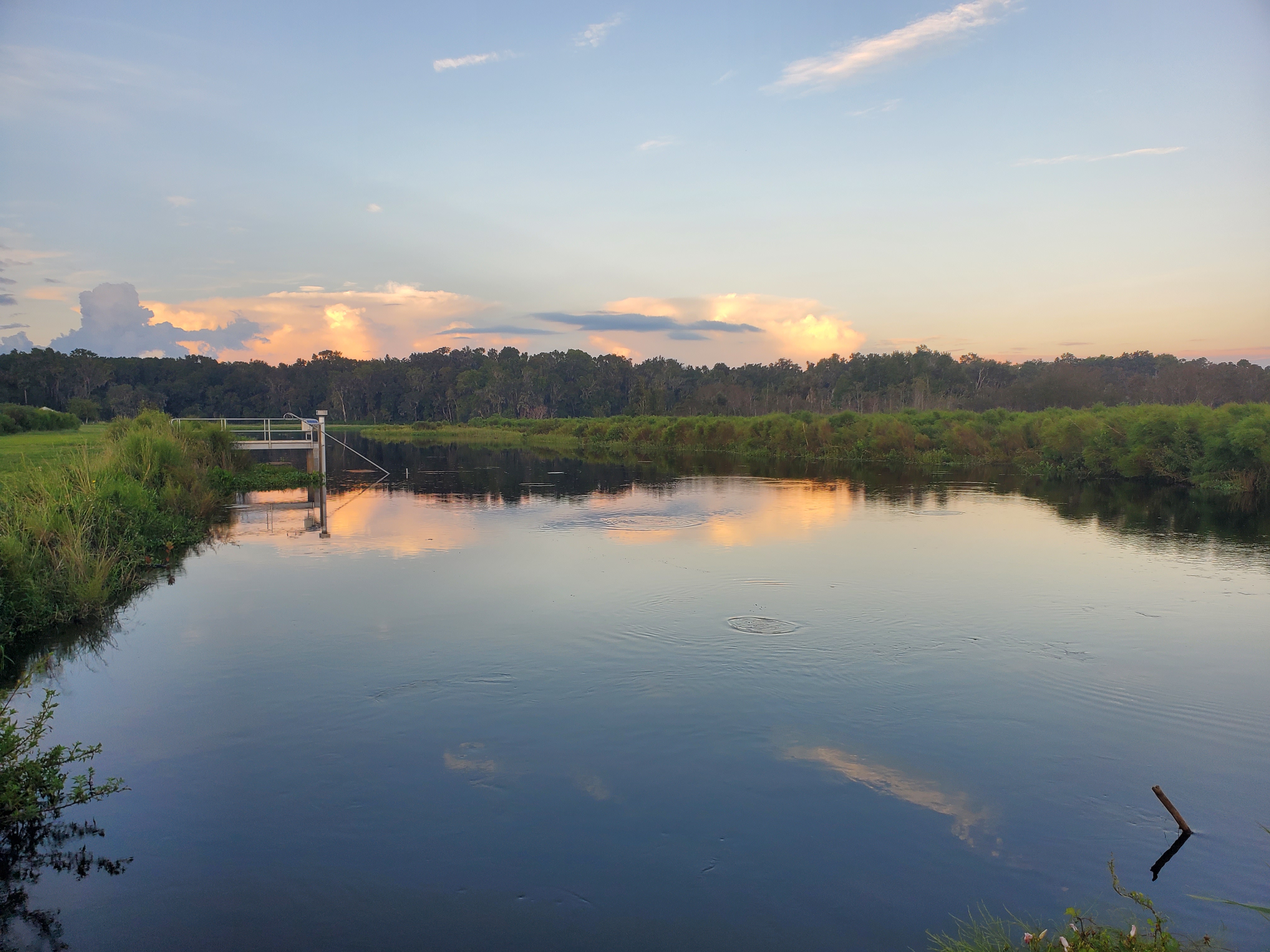


View from near trail end, looking back toward Alachua sink and the boardwalk. Some of the day-to-day and seaonsal variation includes water-level, amount of vegetation, and what animals are present. Click photos to enlarge and open gallery view.

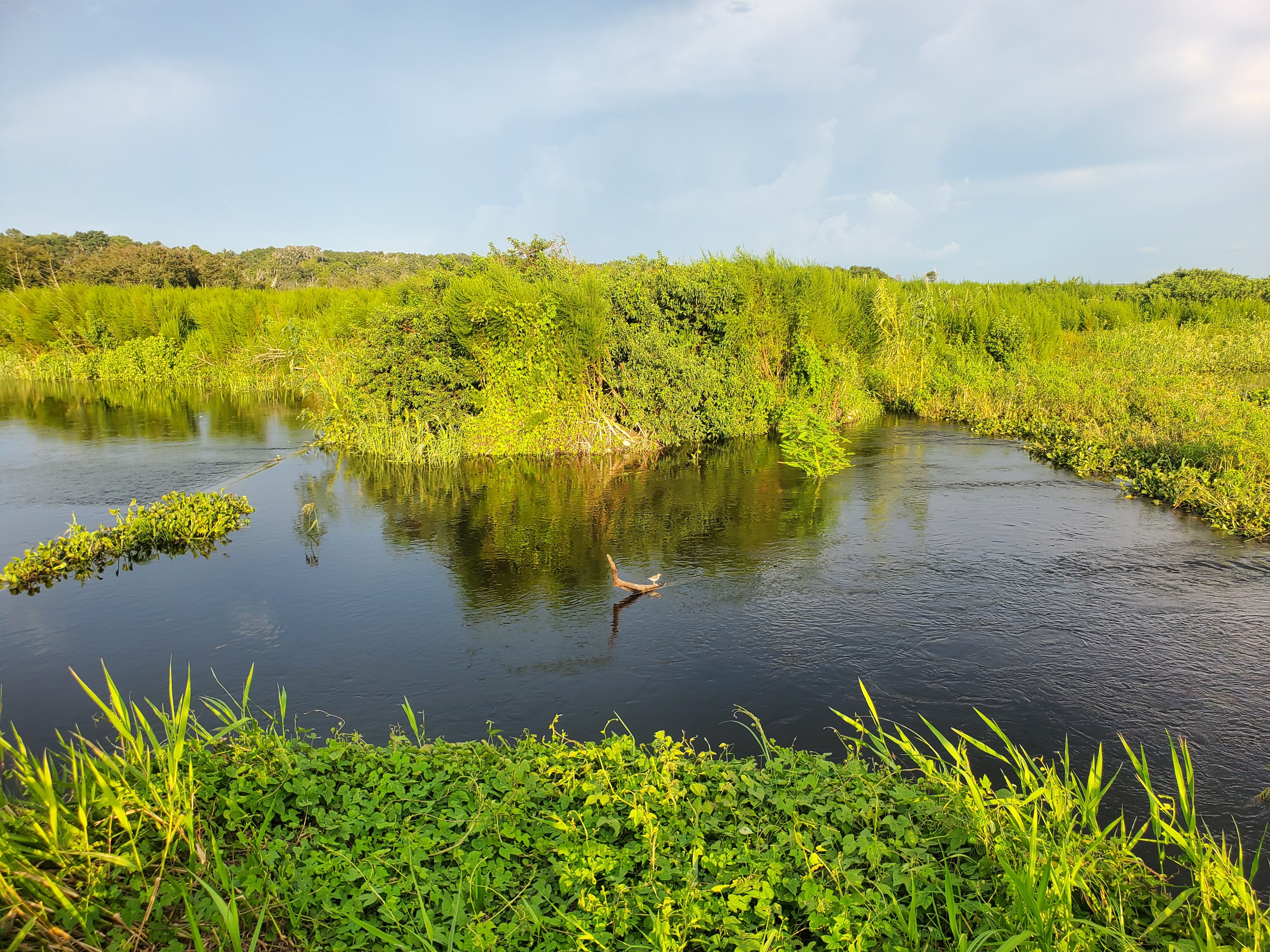
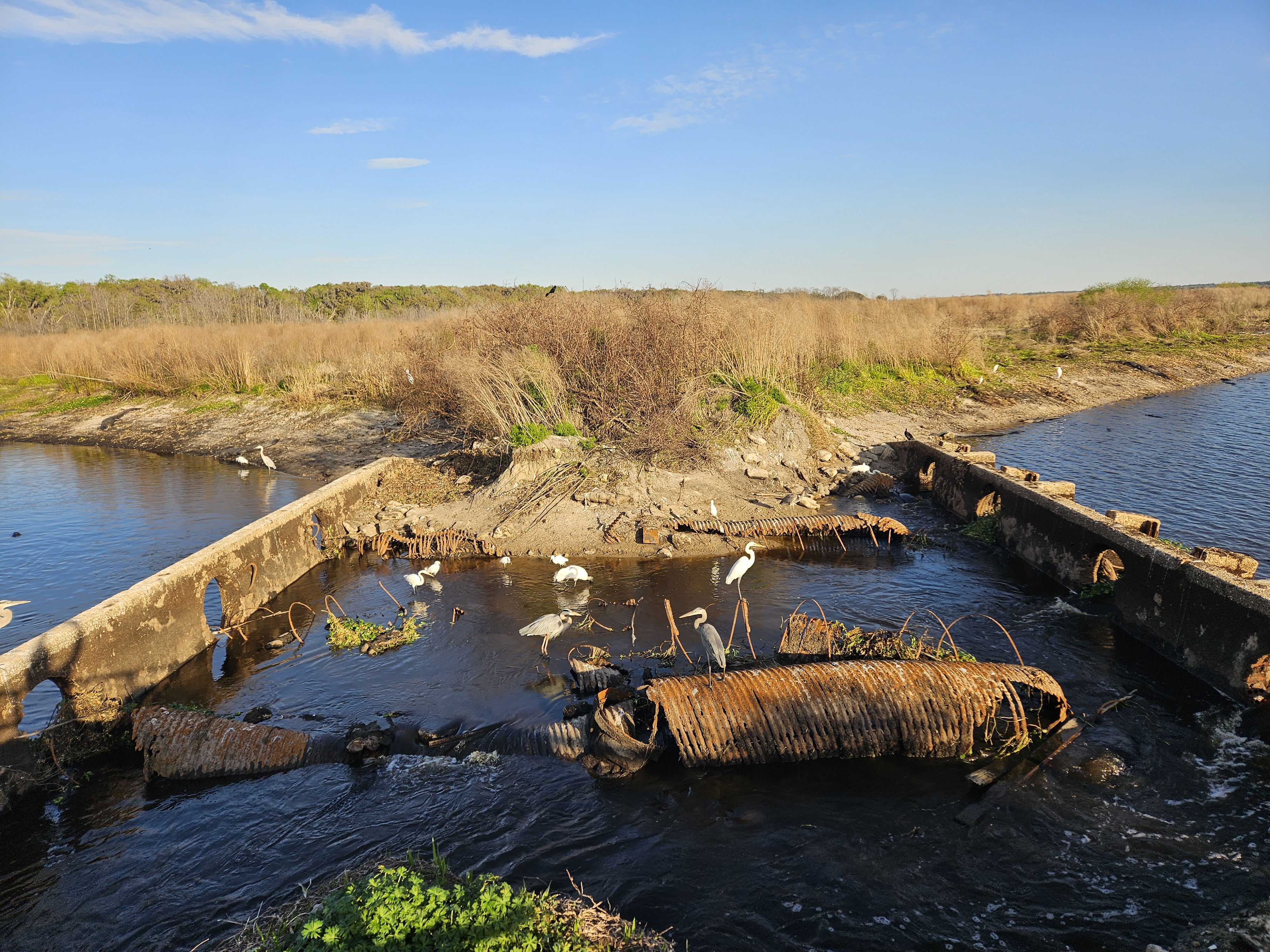
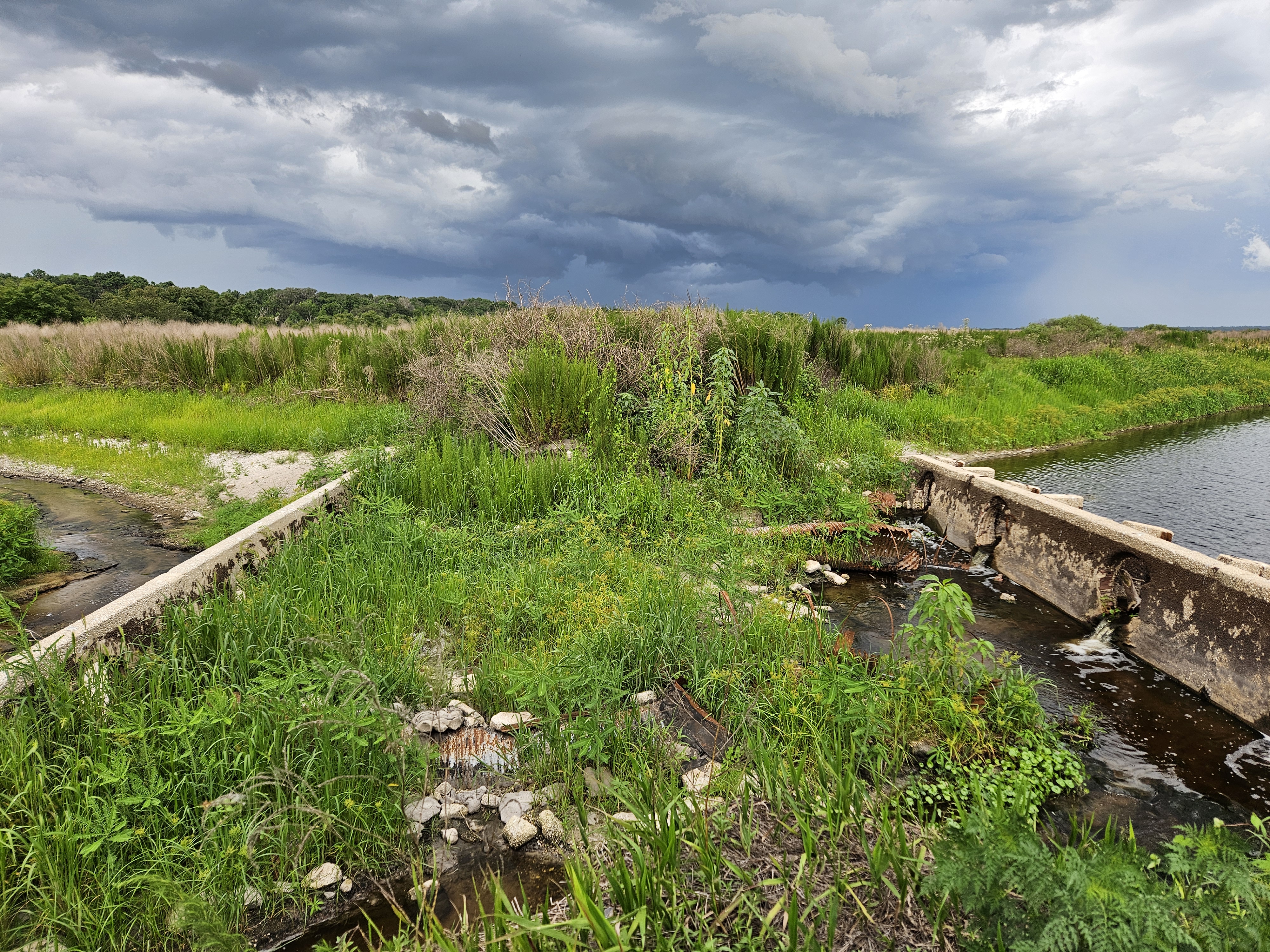
View from near trail end, looking at an abandoned water control structure. Some of the day-to-day and seaonsal variation includes water-level, amount of vegetation, and what animals are present. Click photos to enlarge and open gallery view.



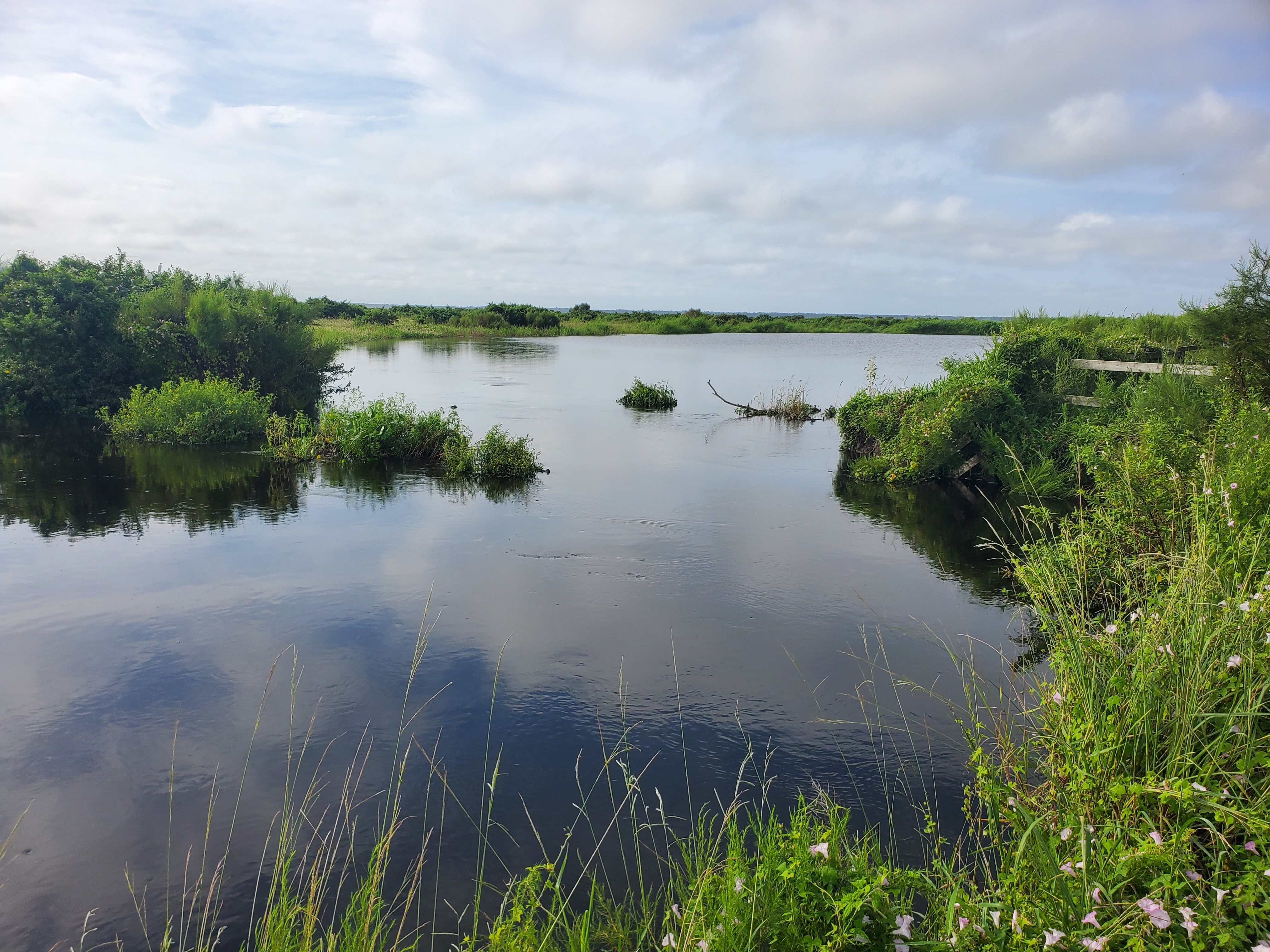
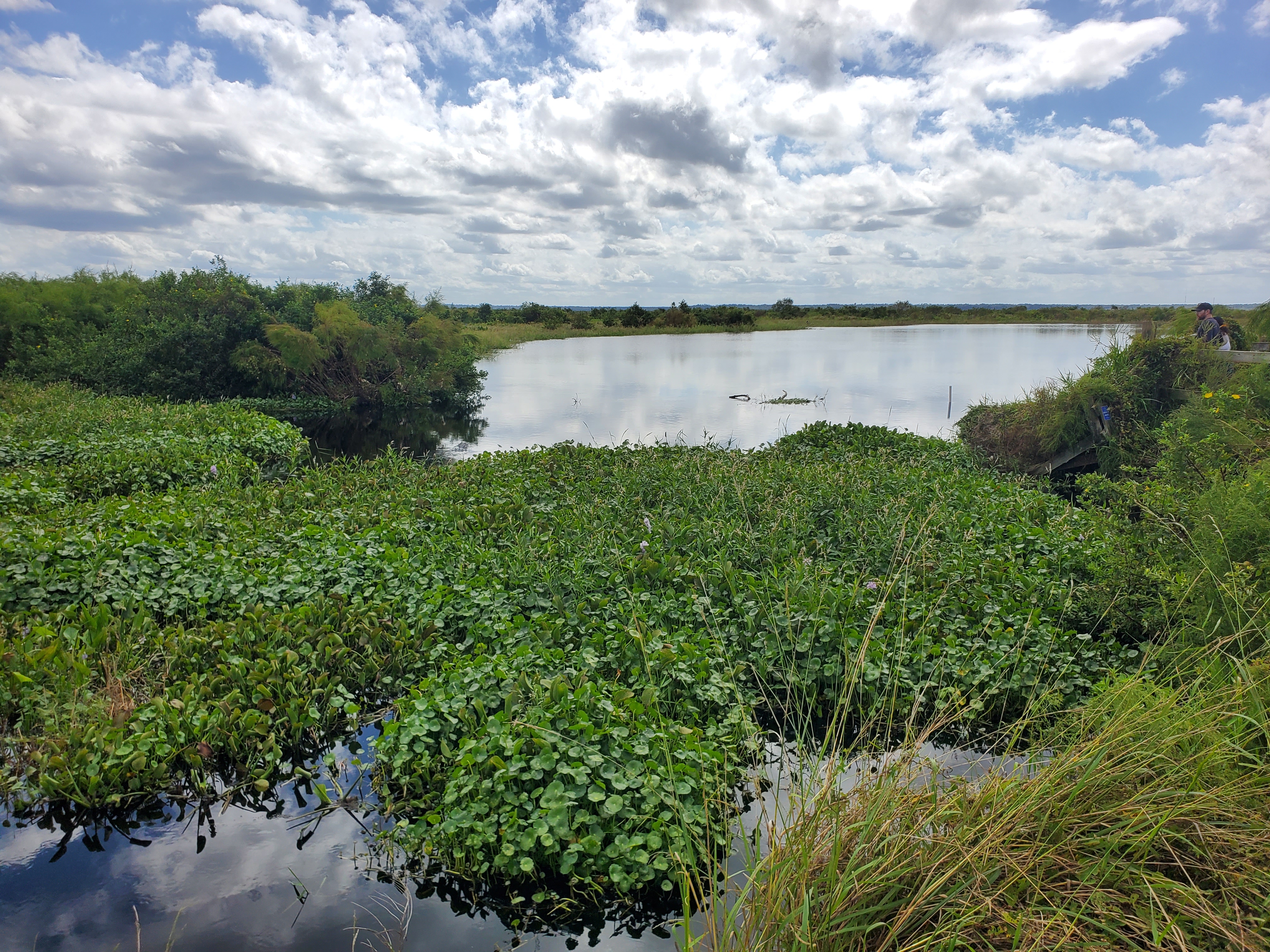

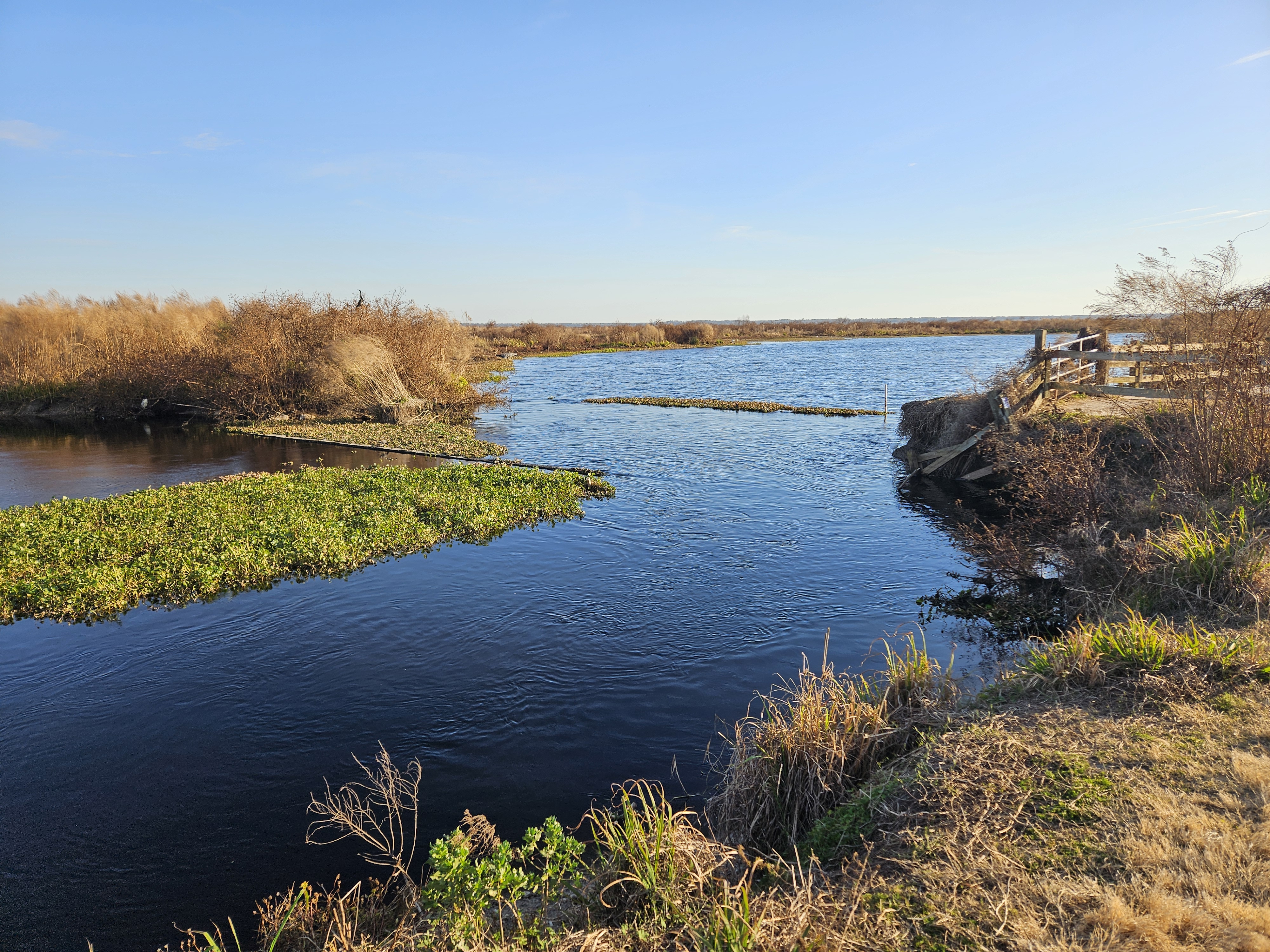

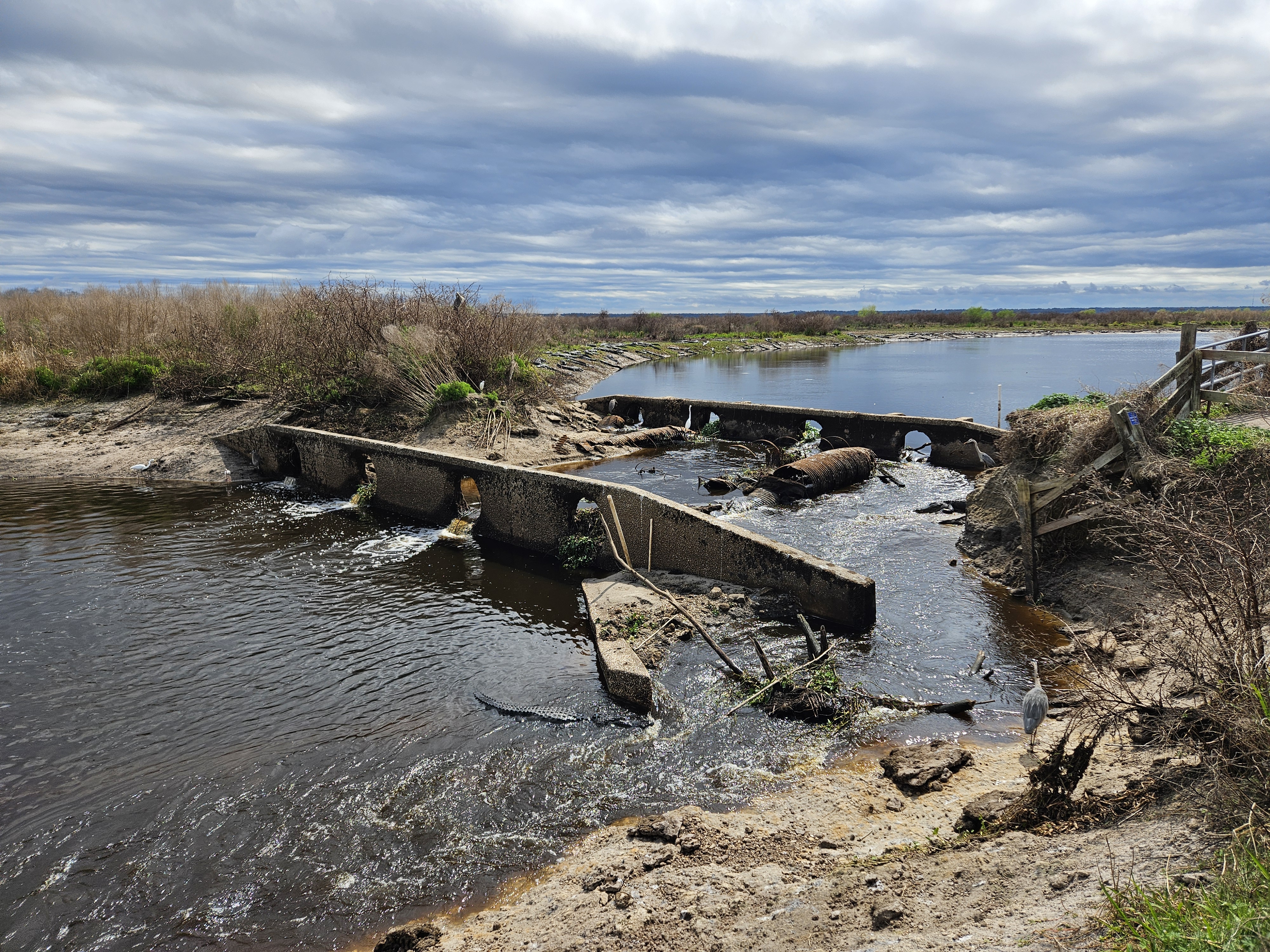

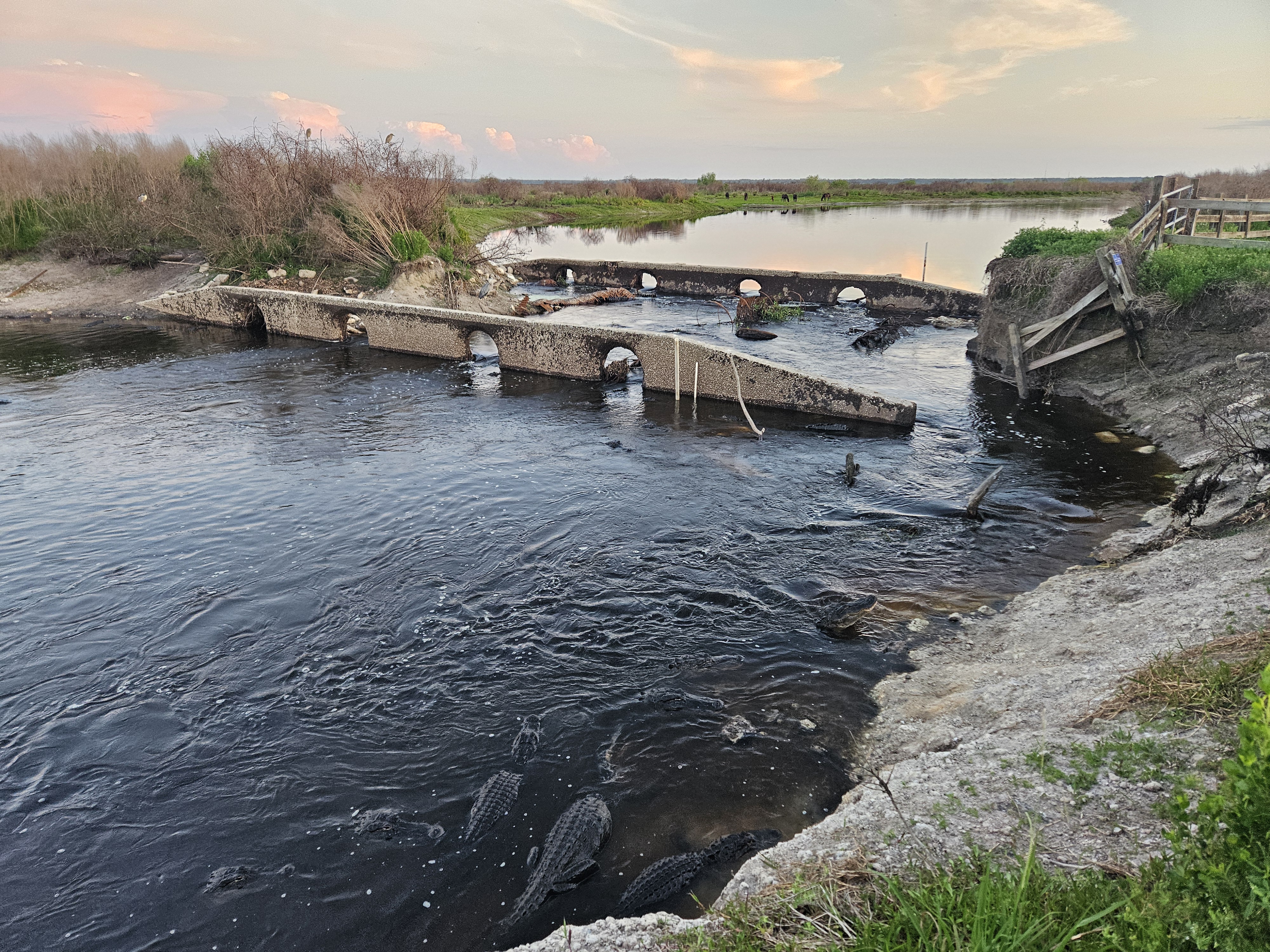
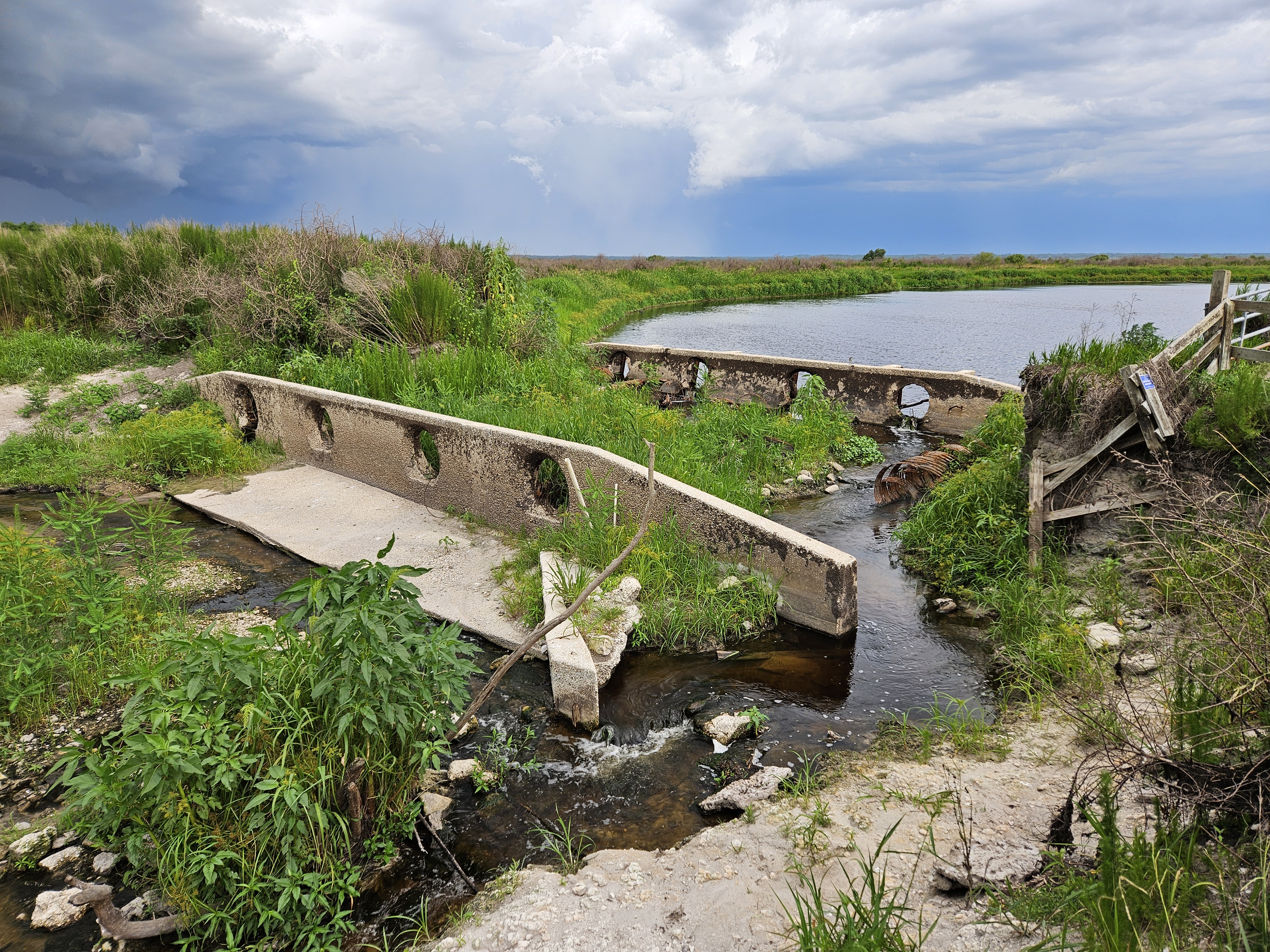
View from near trail end, looking toward the prairie. Some of the day-to-day and seaonsal variation includes water-level, amount of vegetation, and what animals are present. Click photos to enlarge and open gallery view.
Alligators of La Chua
In my experience, La Chua trail is the best place in the United States, and therefore the world, to observe American Alligators in the wild. I have traveled extensively in the southeastern USA, including the state of Florida, and the only places I have visited that are remotely comparable would be the boardwalk at Big Cypress National Preserve – Oasis Visitor Center, the Loop Road Scenic Drive in Big Cypress National Preserve, and the Shark Valley Loop Road in Everglades National Park. In many ways Paynes Prairie is like a miniature, and more accessible, version of the Everglades (South Florida’s vast wetland). The chance of observing at least one alligator at La Chua trail is almost 100%. Most likely dozens will be seen, sometimes hundreds, and occasionally so many that counting becomes futile. Furthermore, the alligators here all tend to be quite large. Alligators are cannibalistic and given that this is prime habitat, occupied by adults at high density, I think juveniles and sub-adults are either eaten or forced into more peripheral areas.


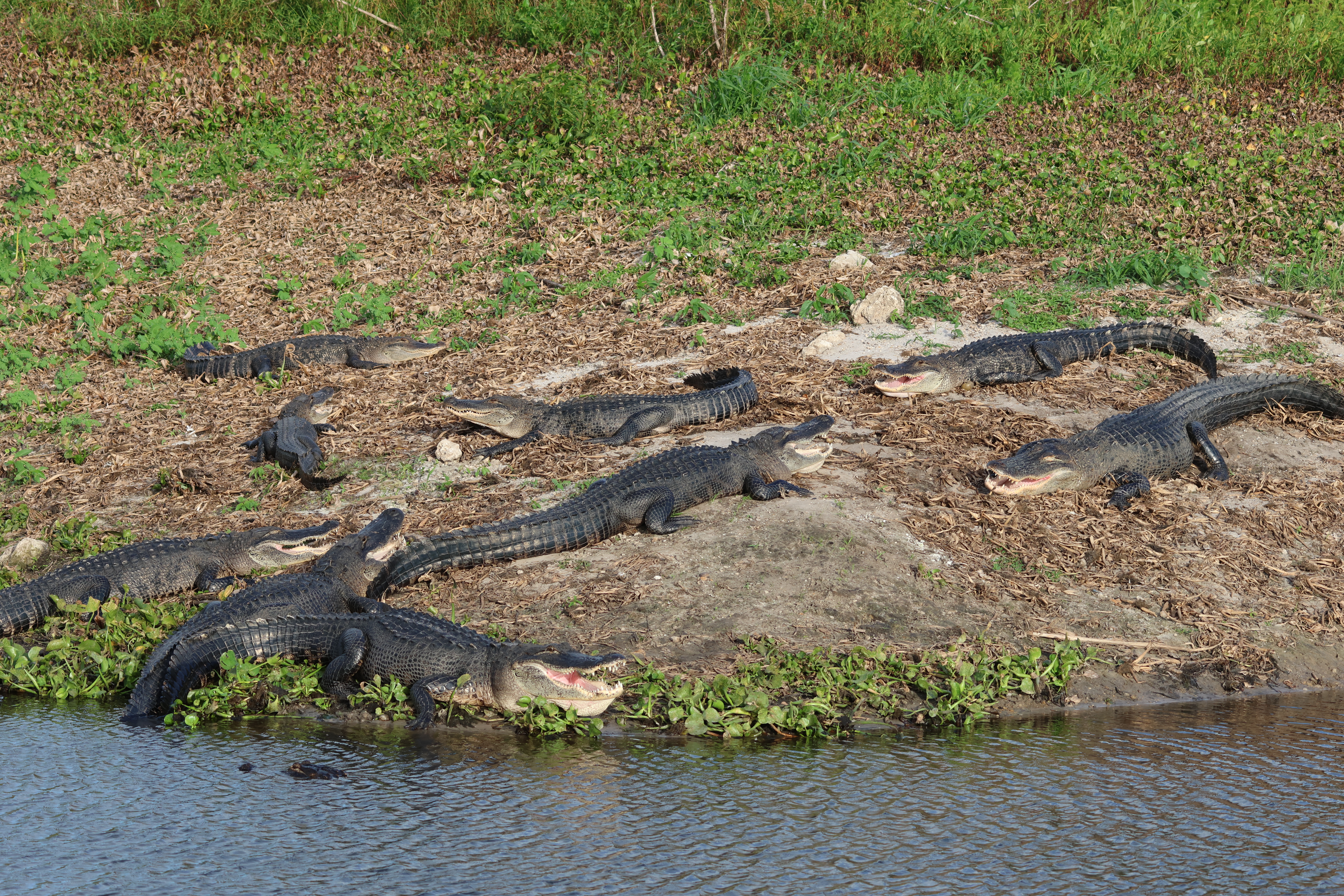
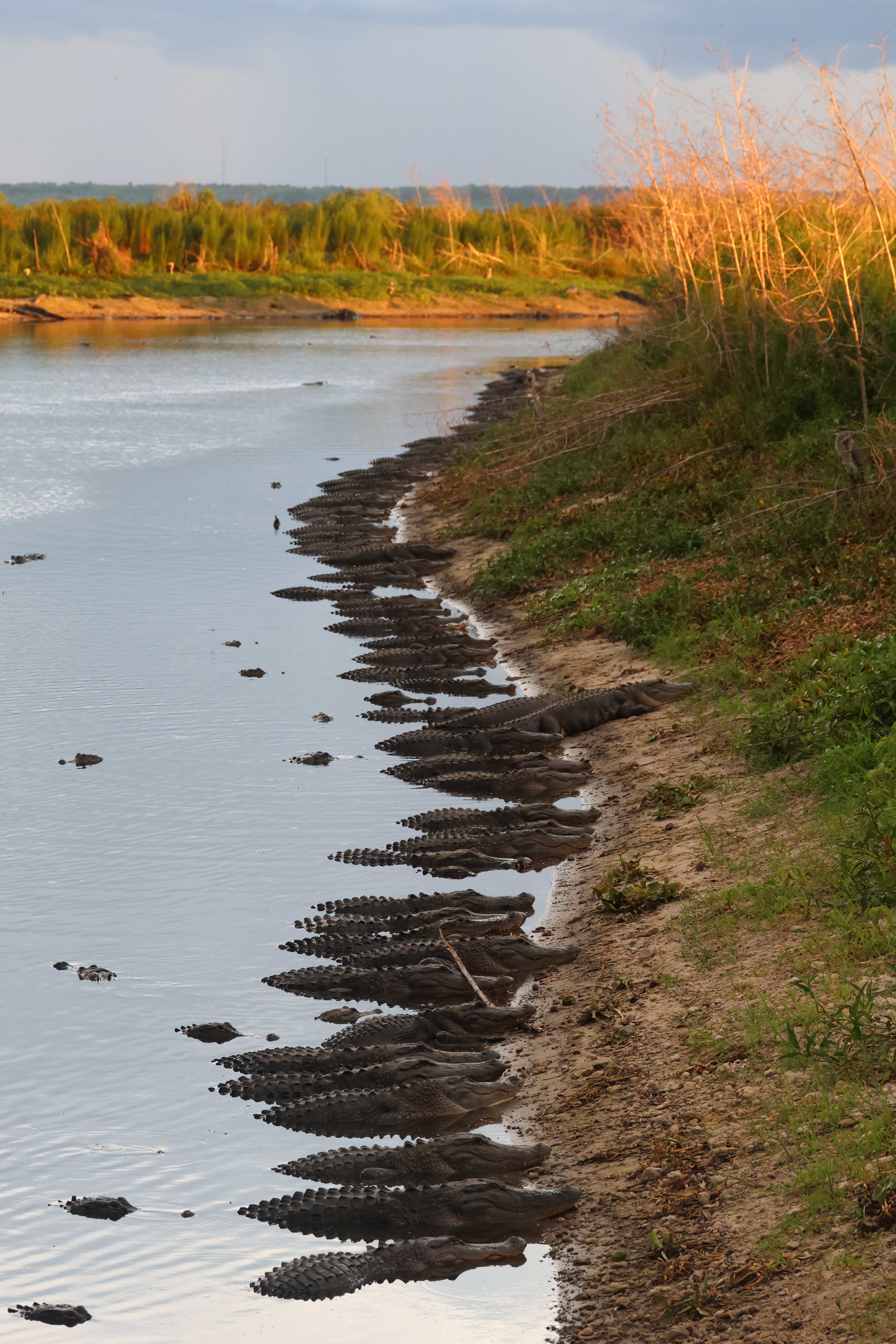
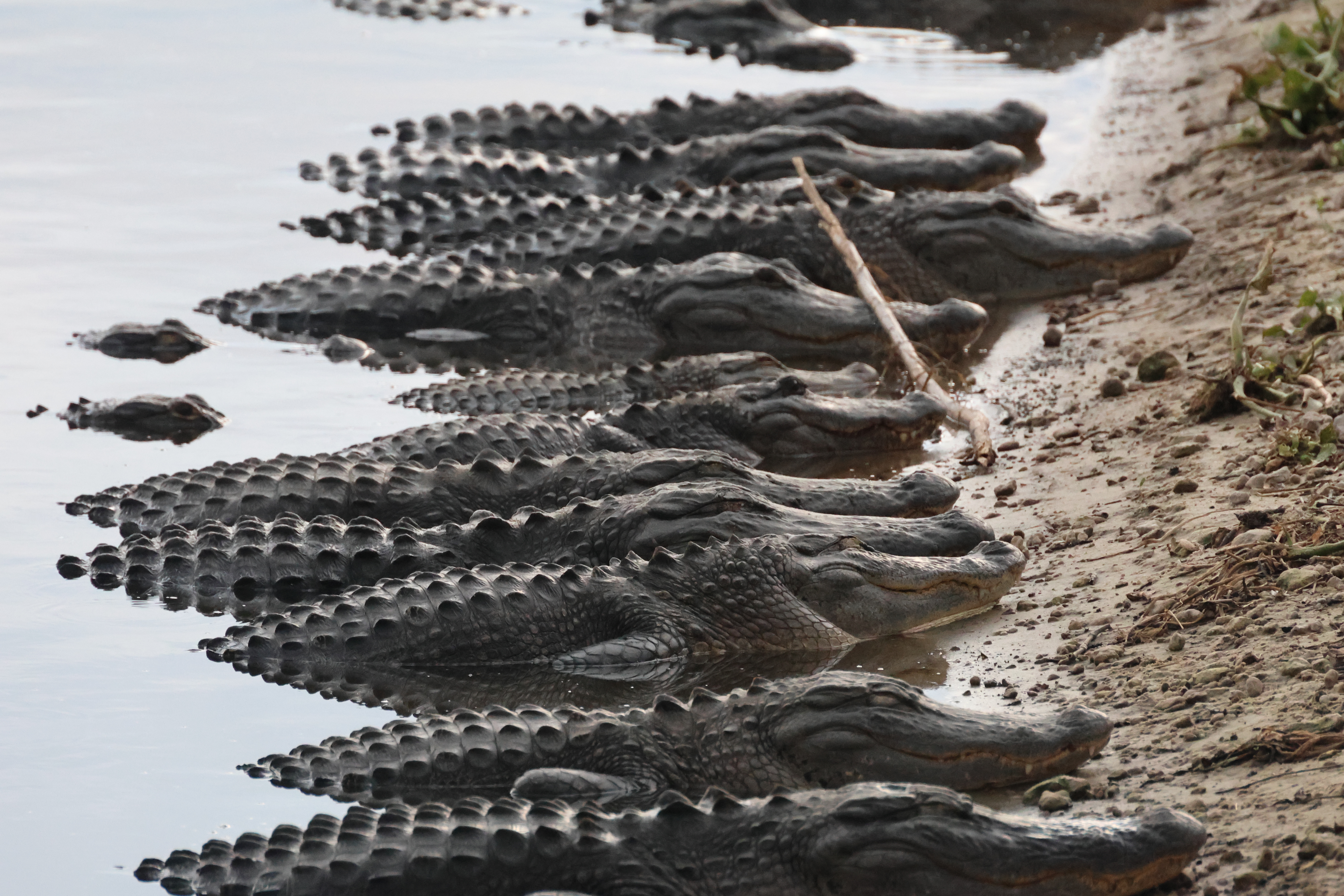

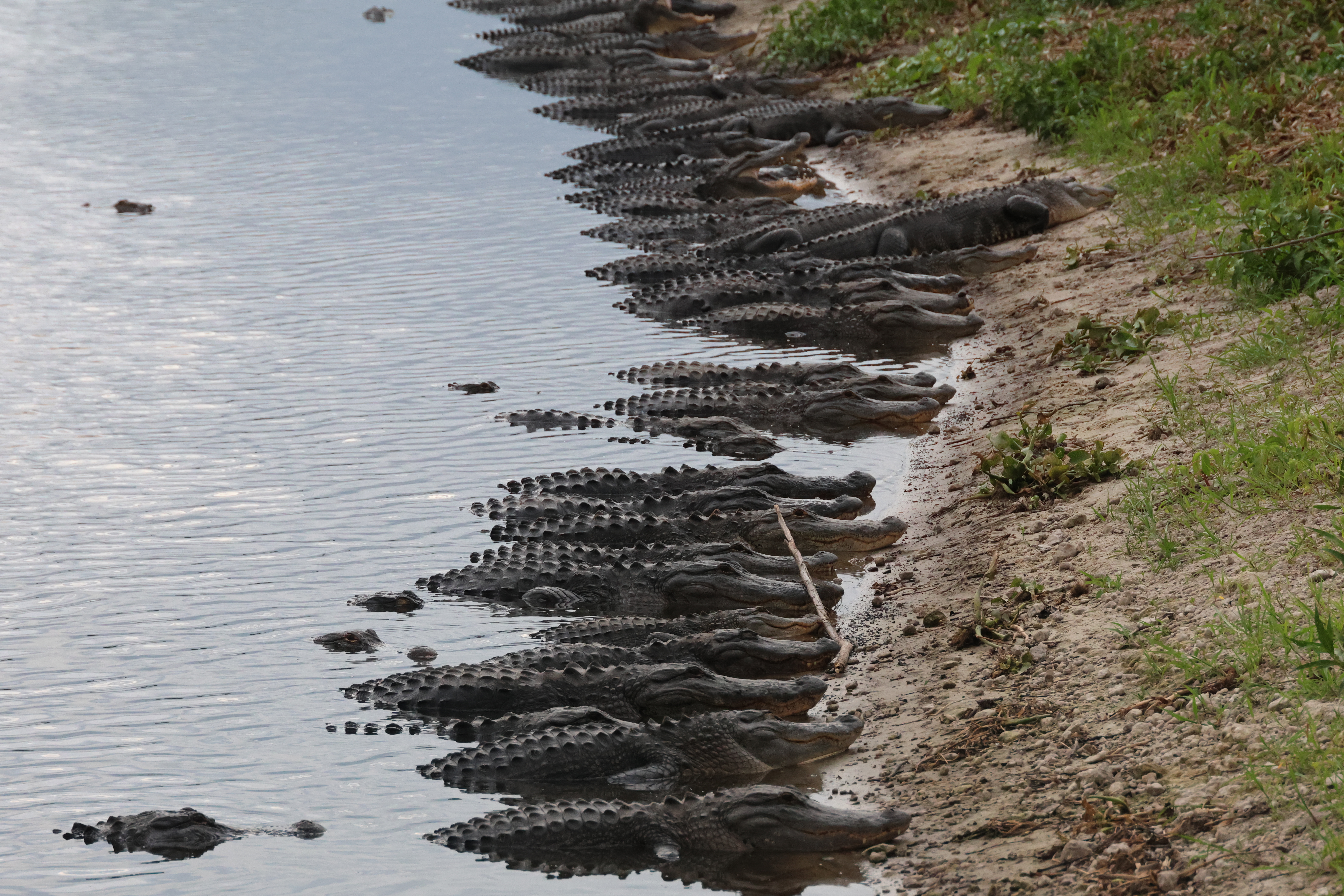


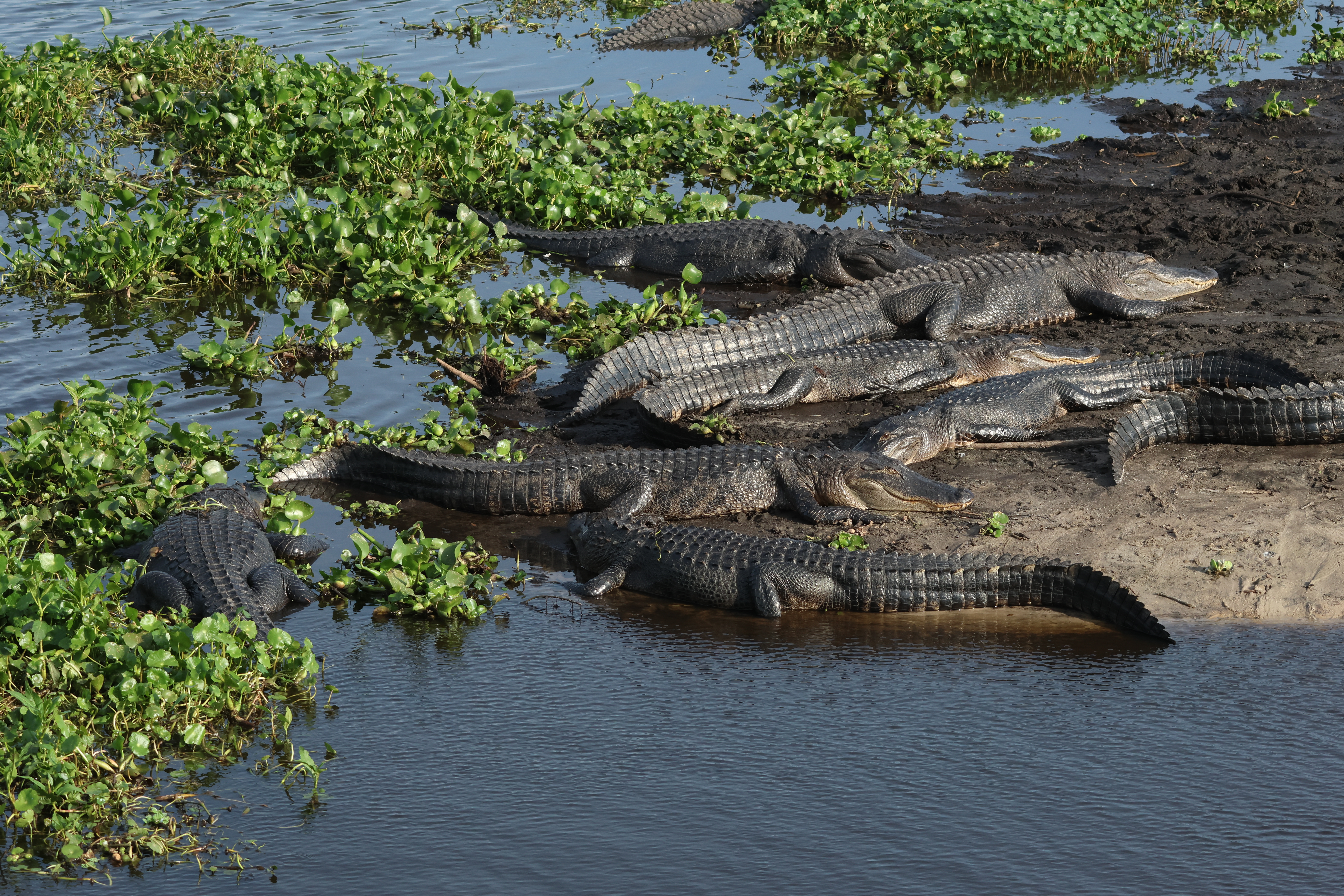

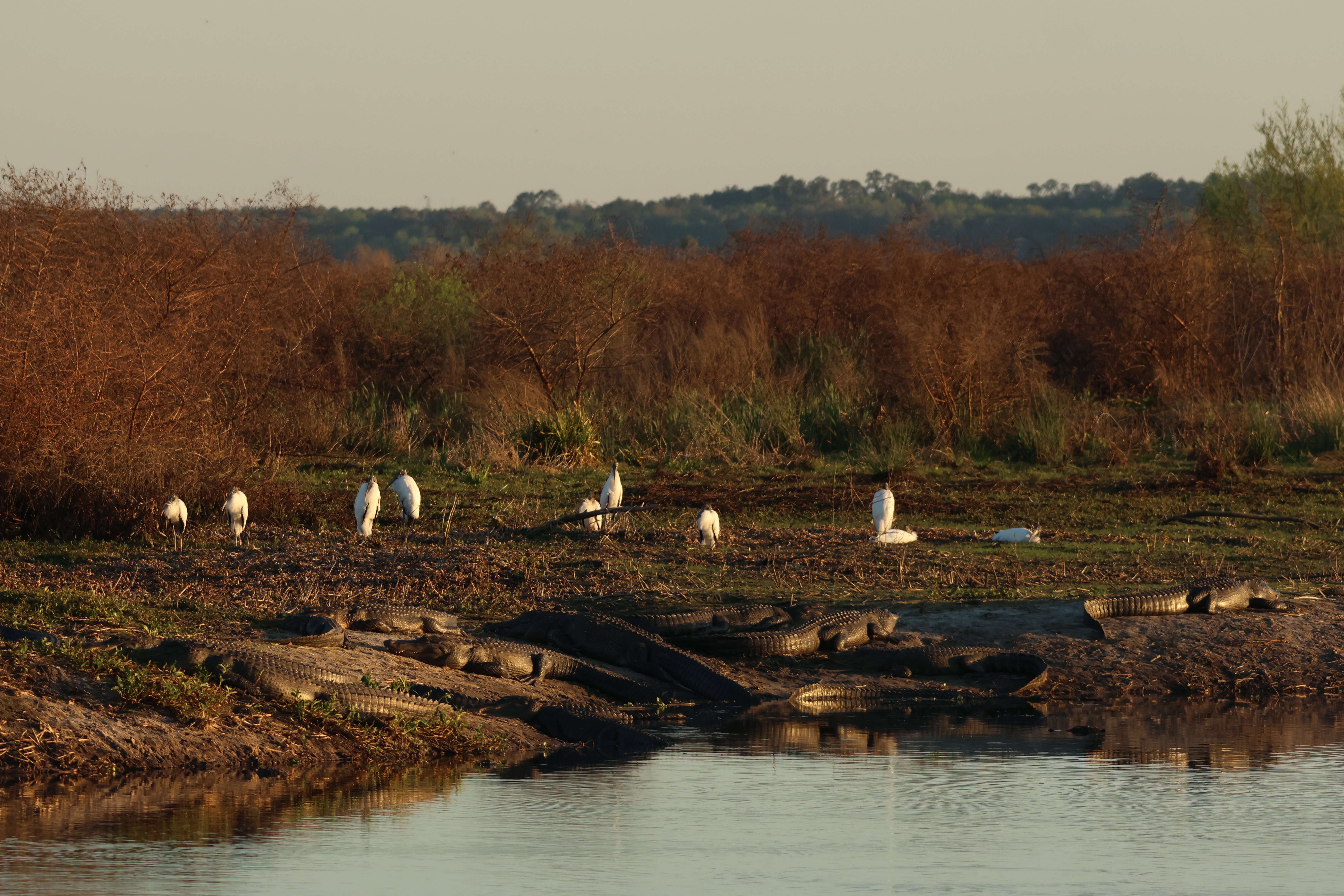

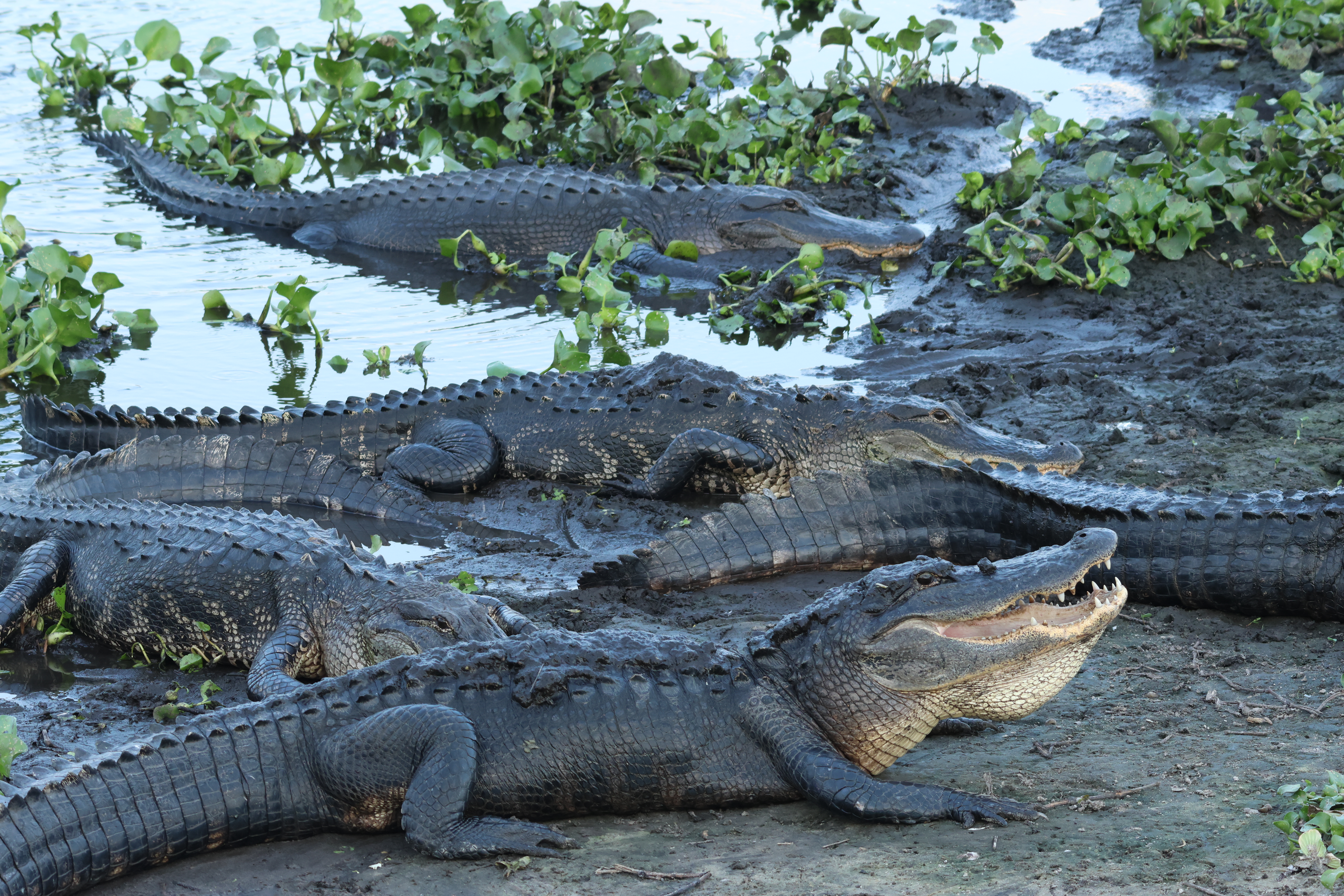
Abundant alligators on the bank. Click photos to enlarge and open gallery view.


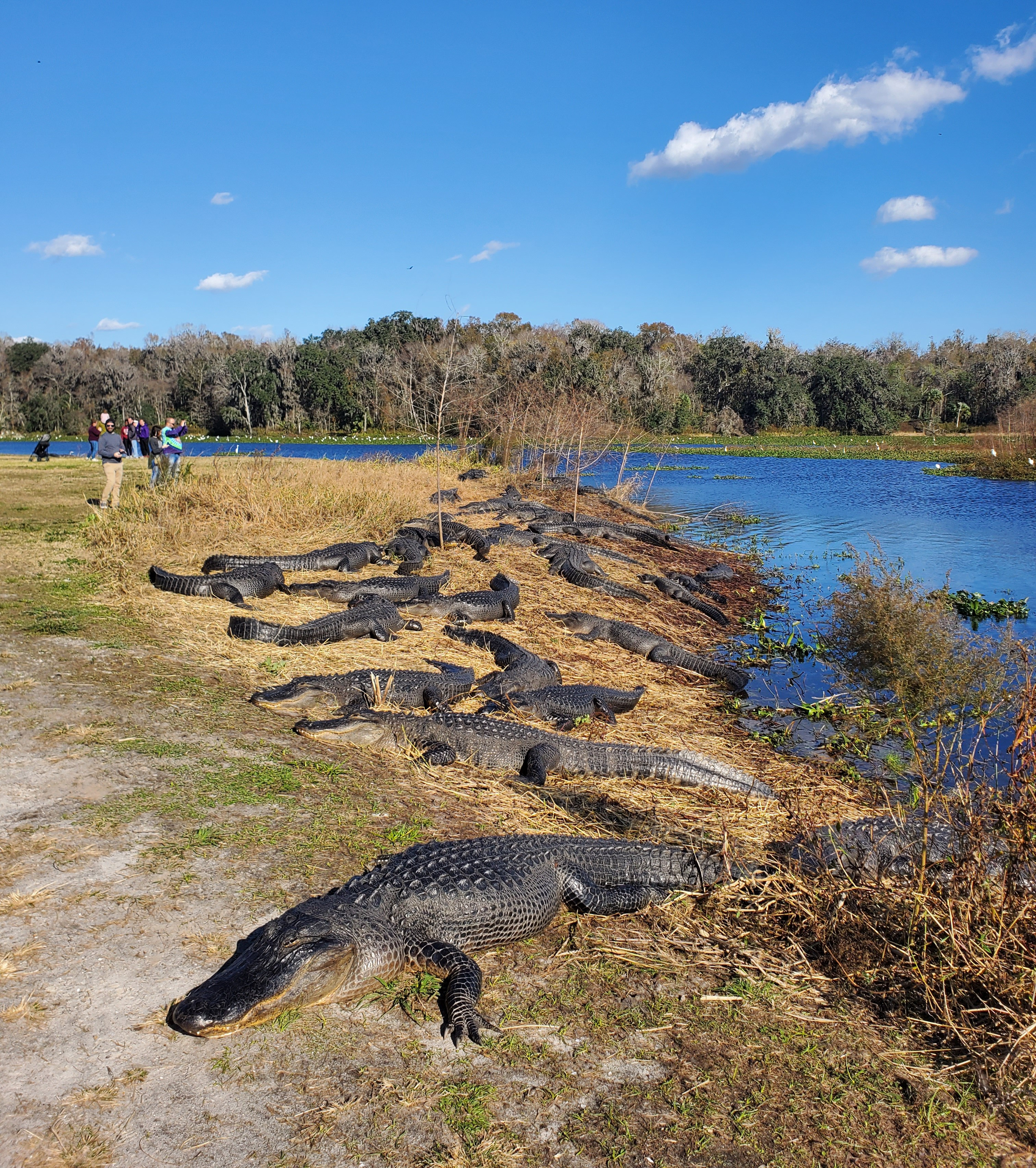


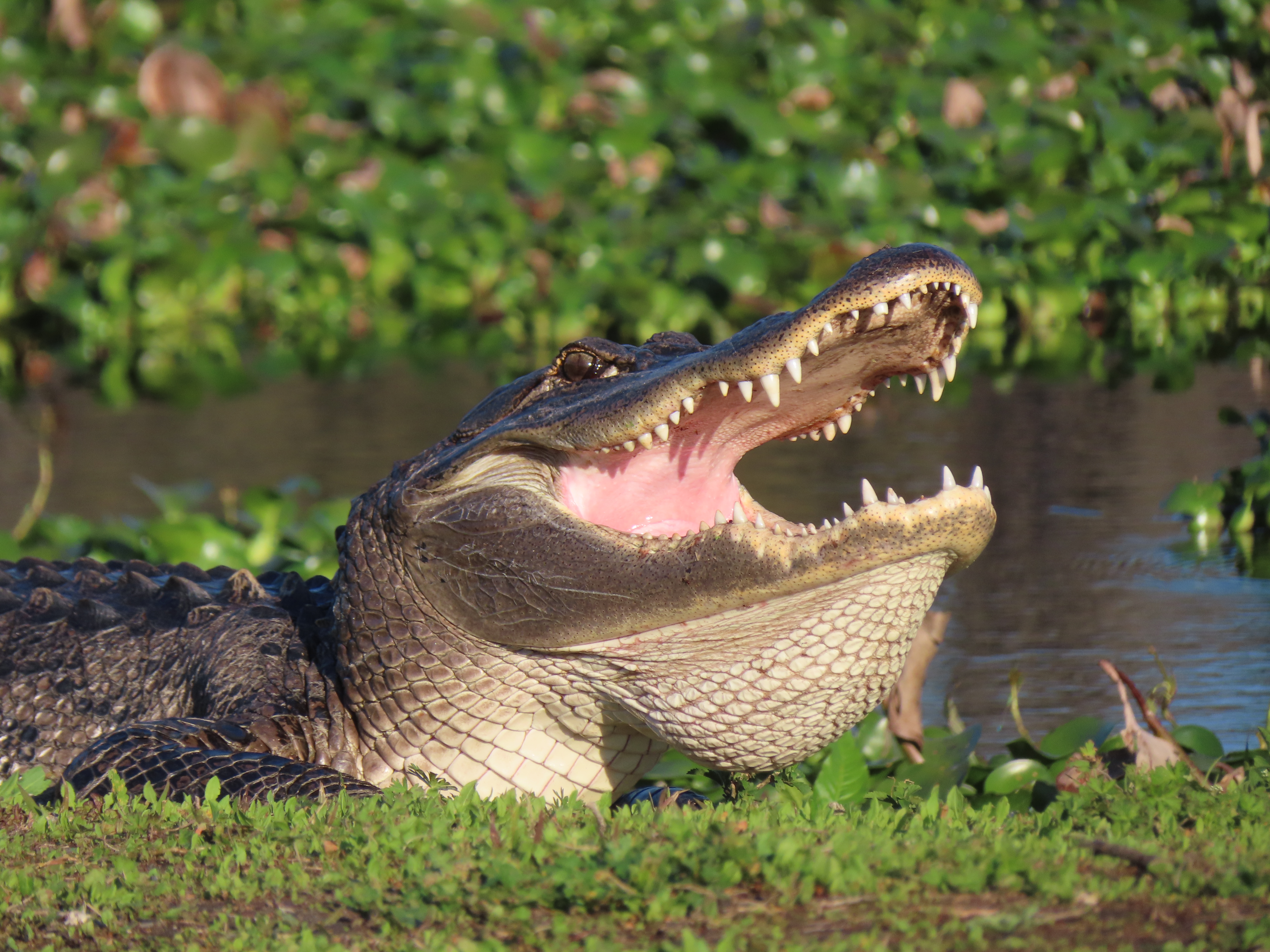
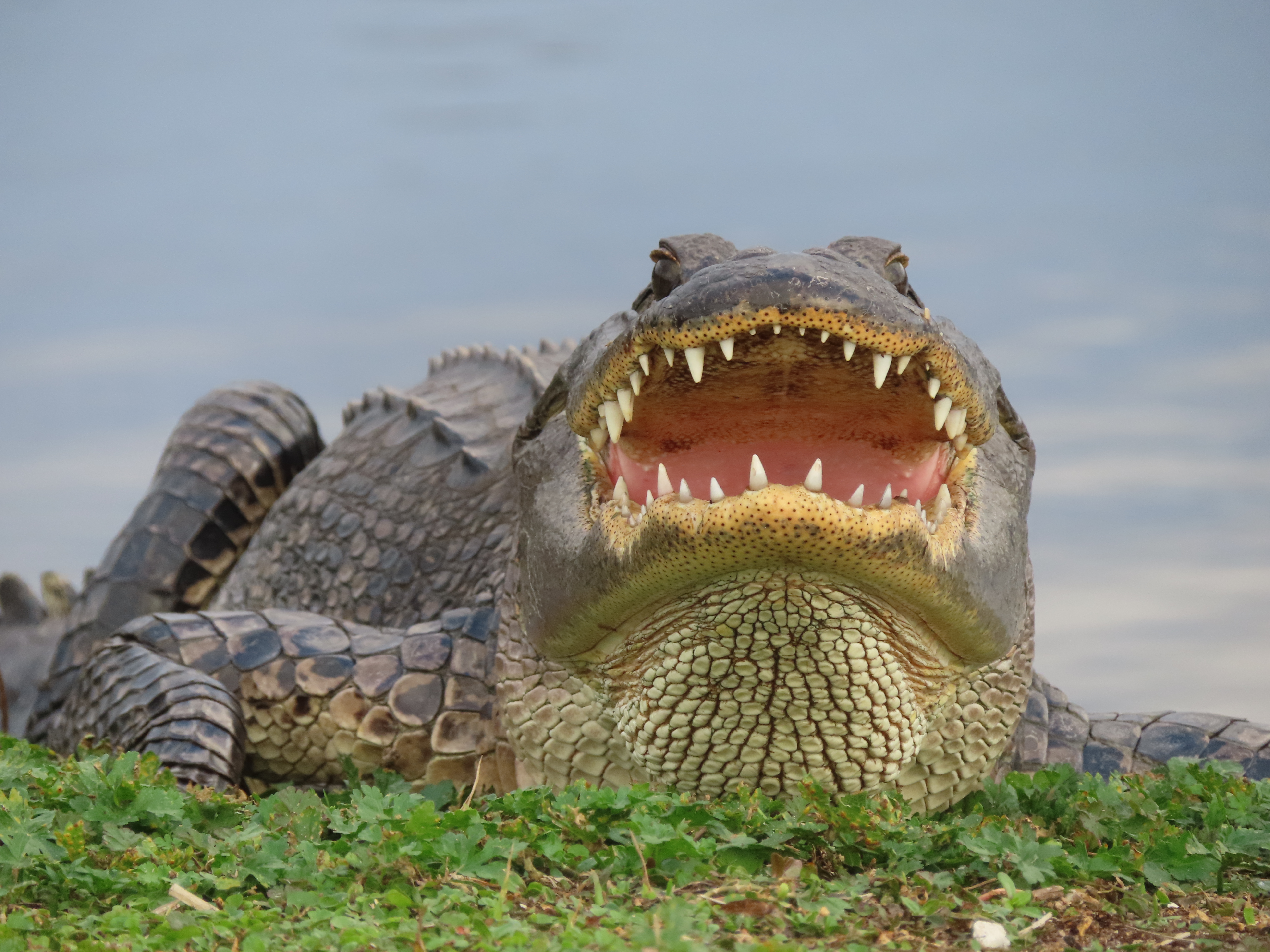

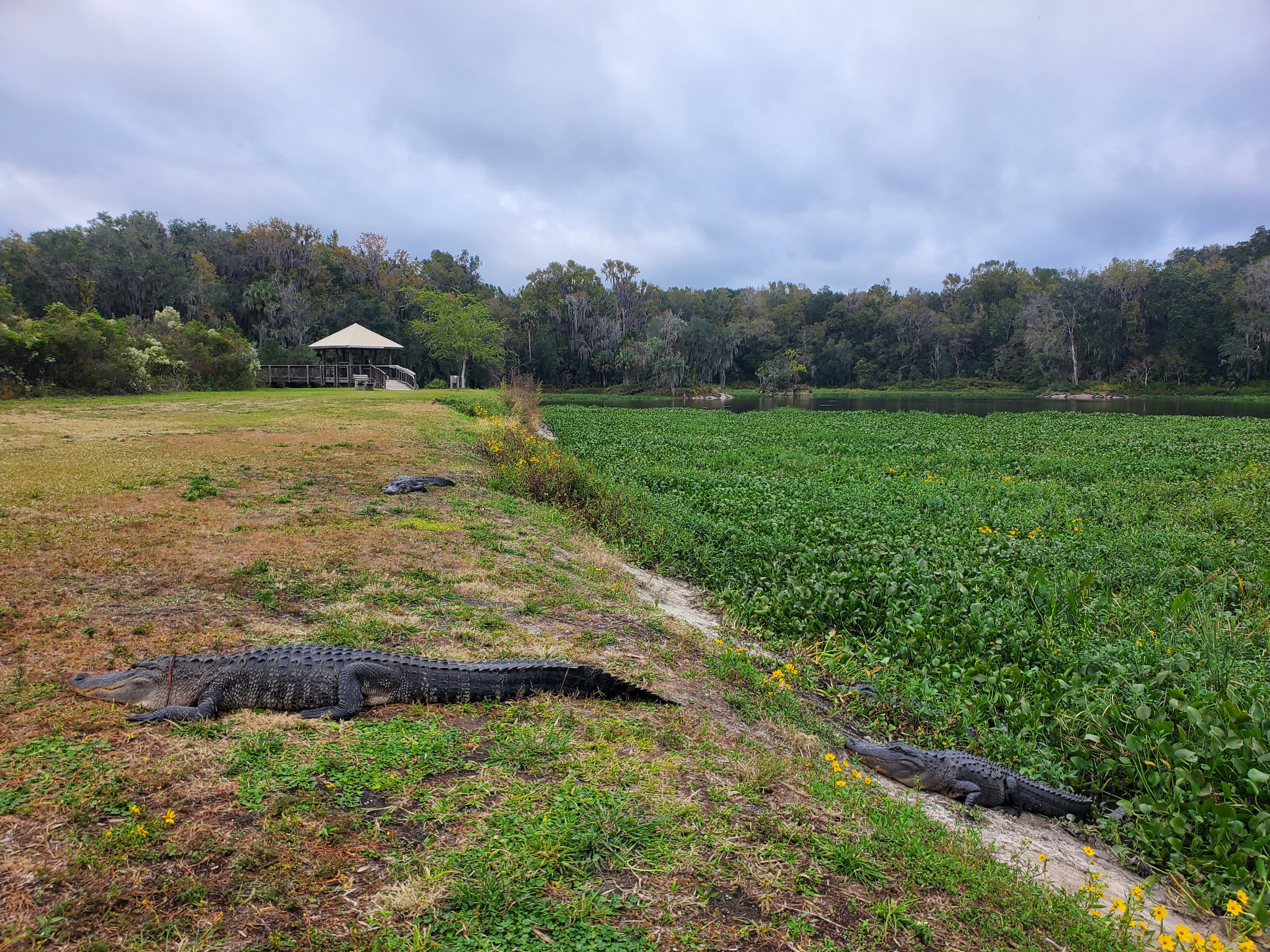
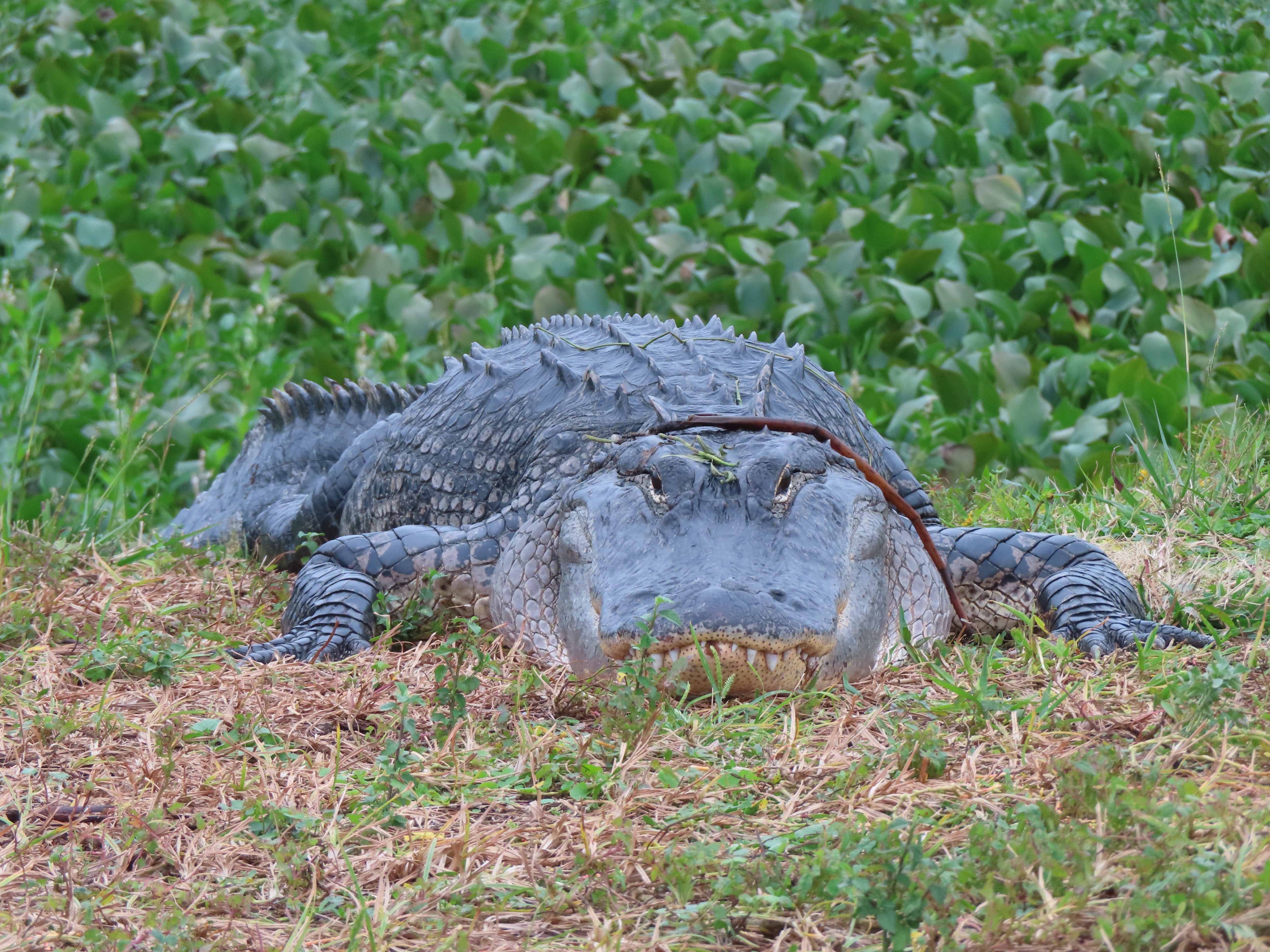
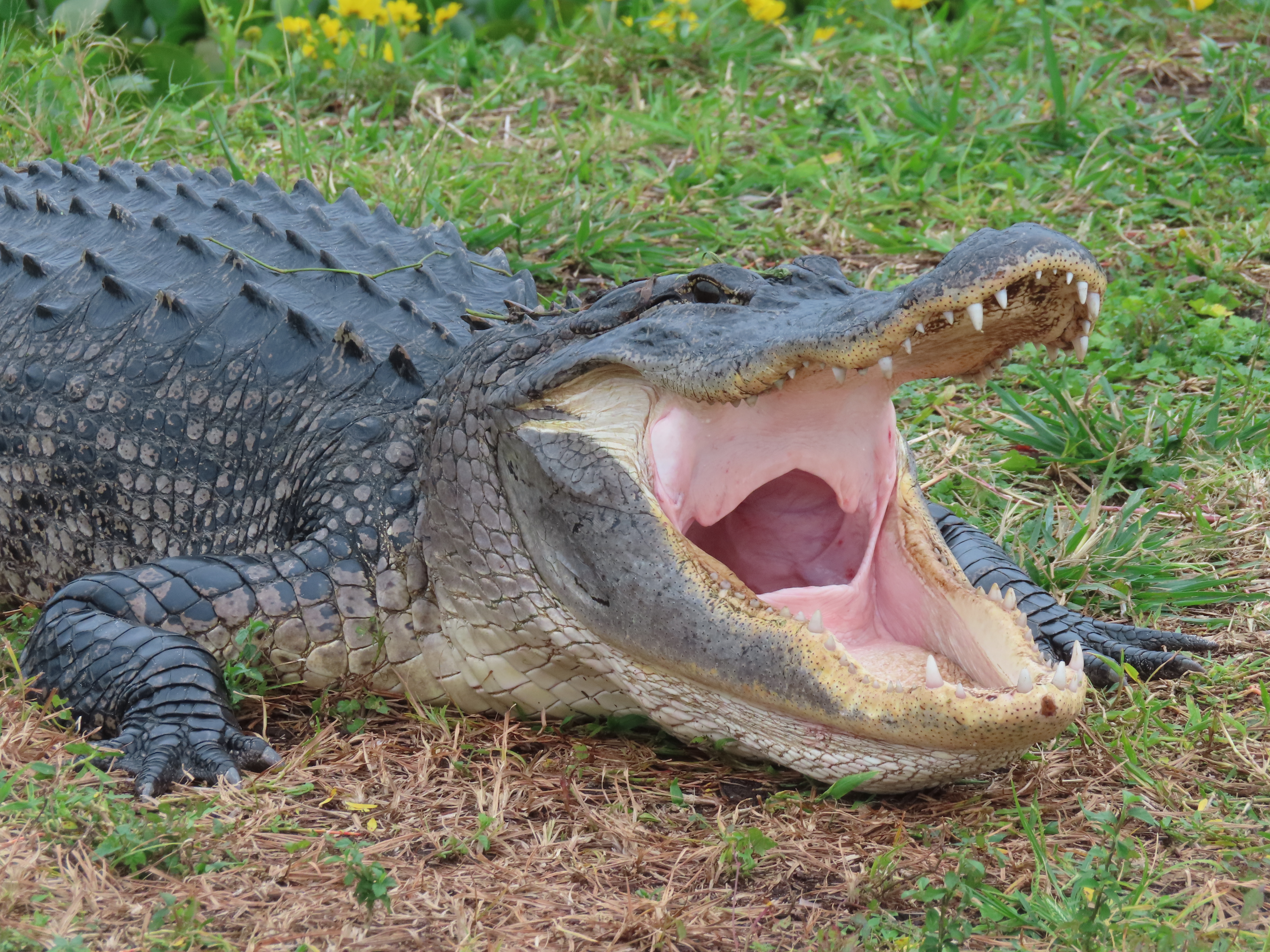
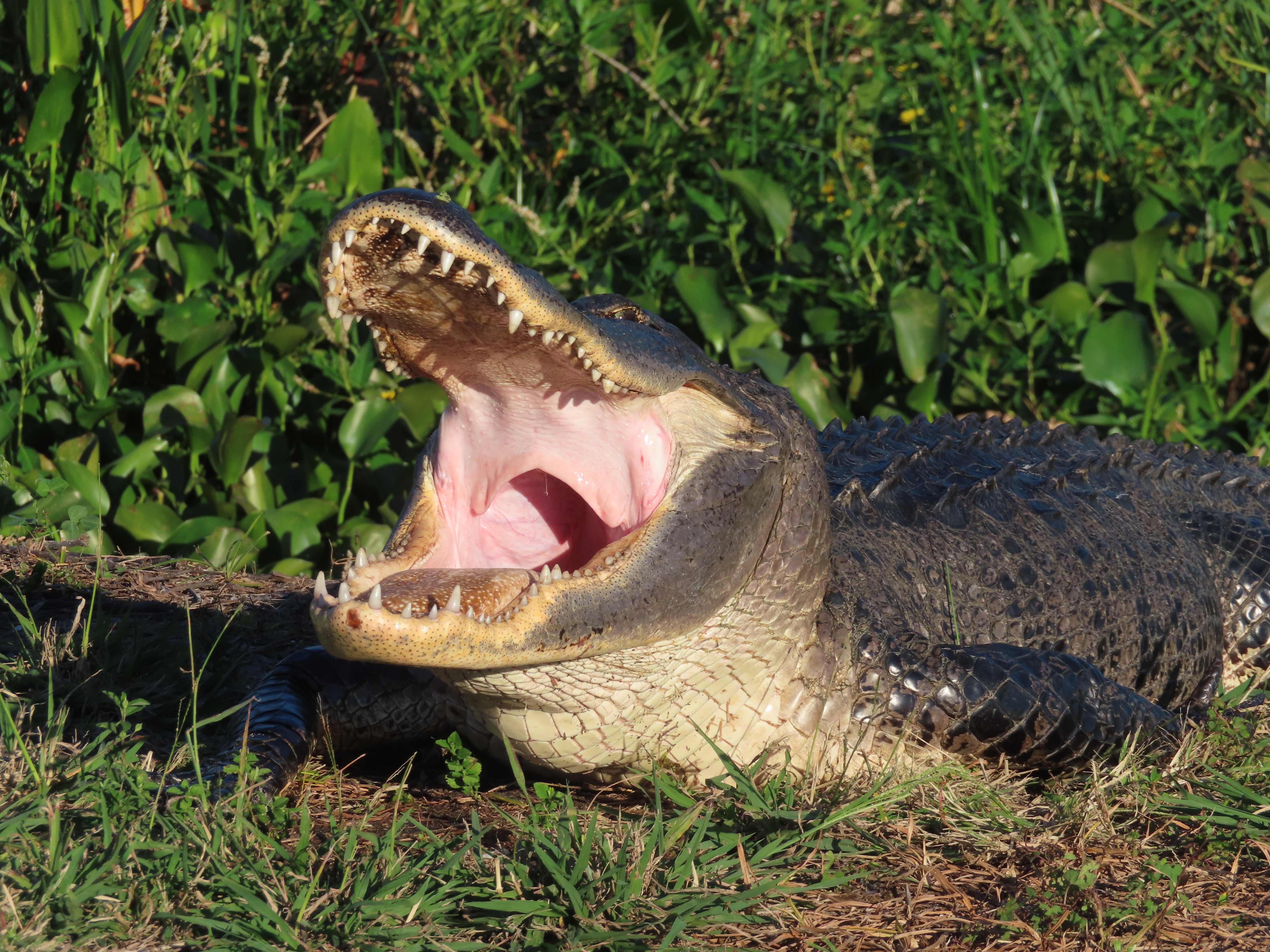
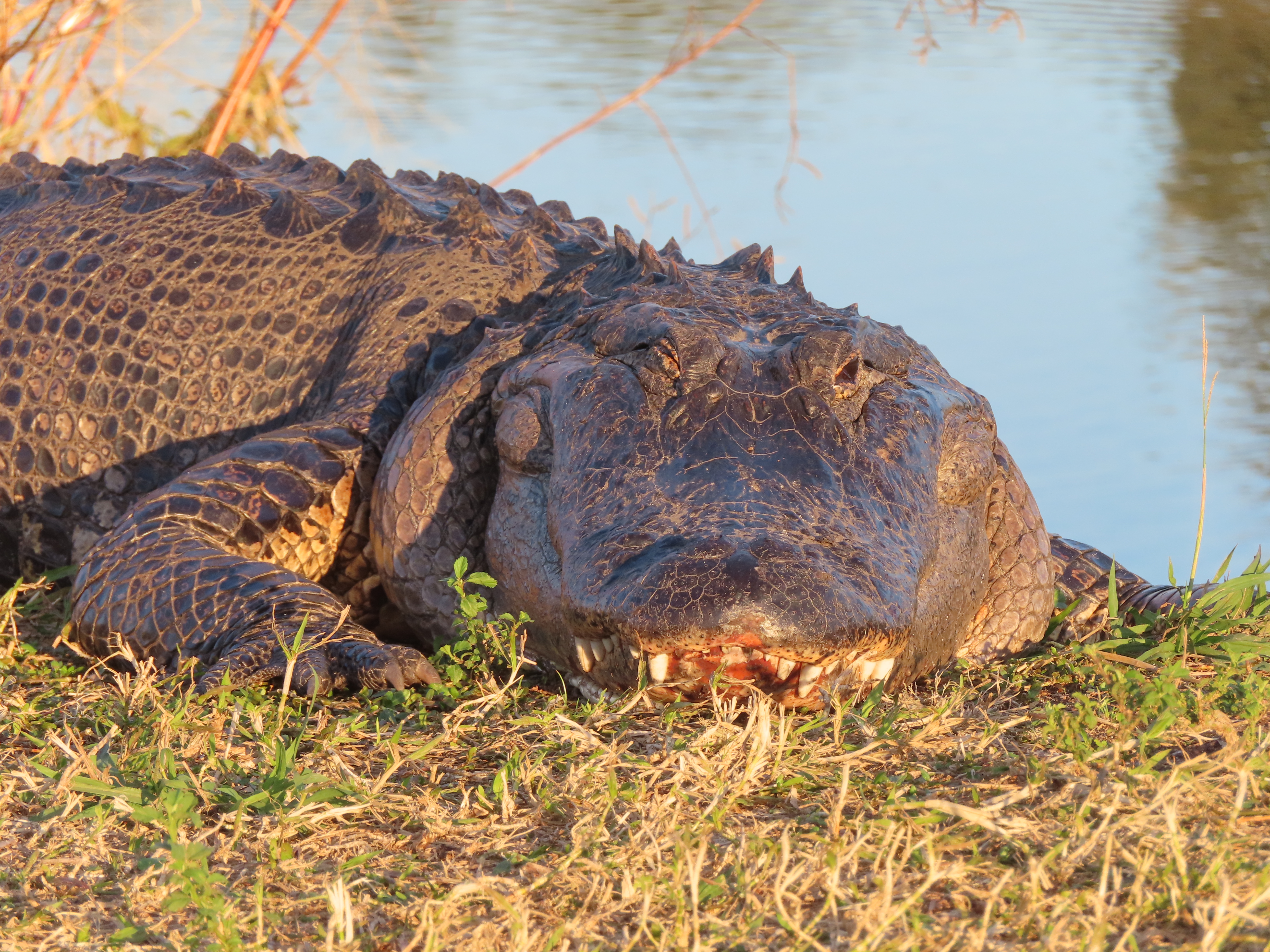
Abundant alligators basking on or directly adjacent to La Chua trail. Click photos to enlarge and open gallery view.
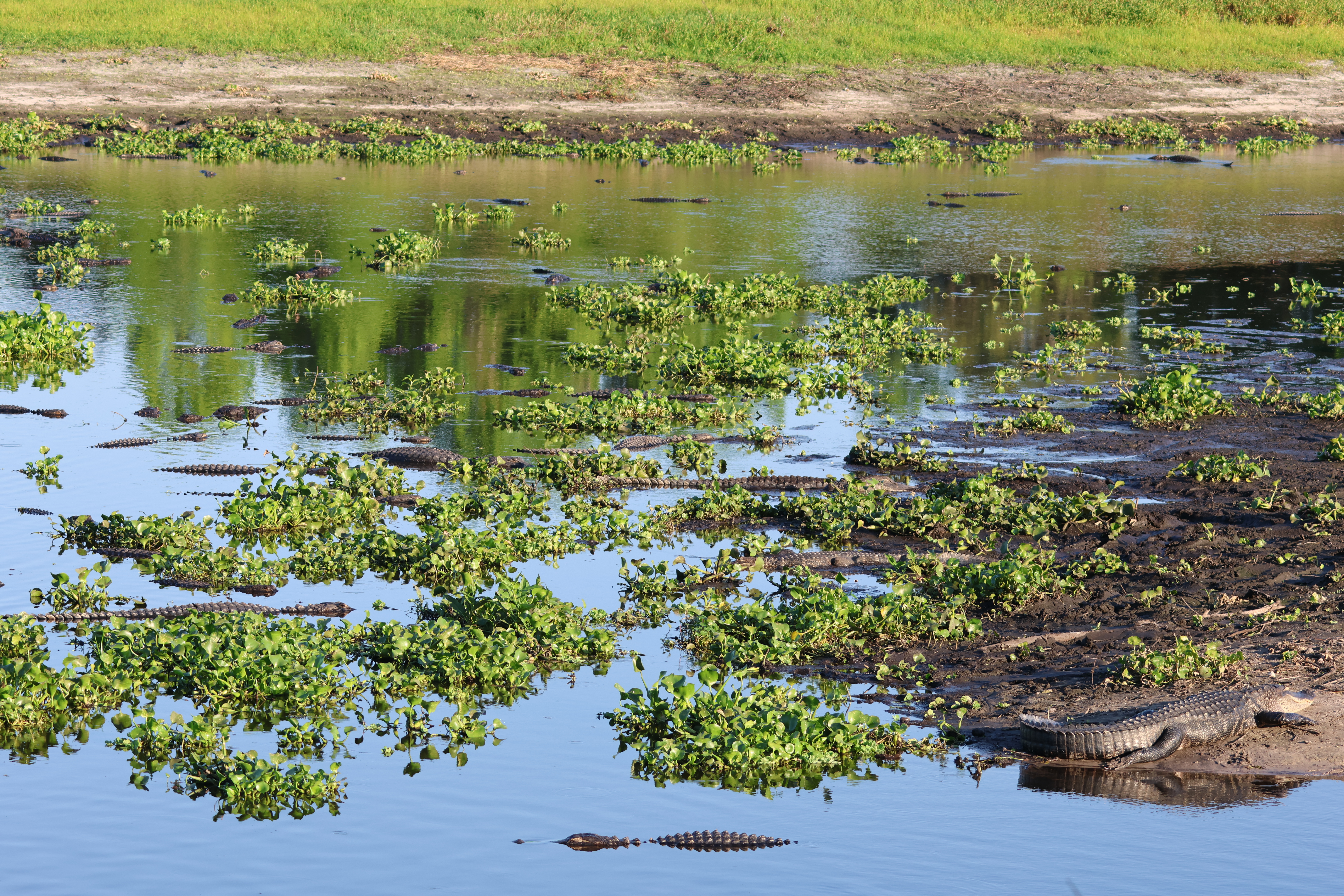
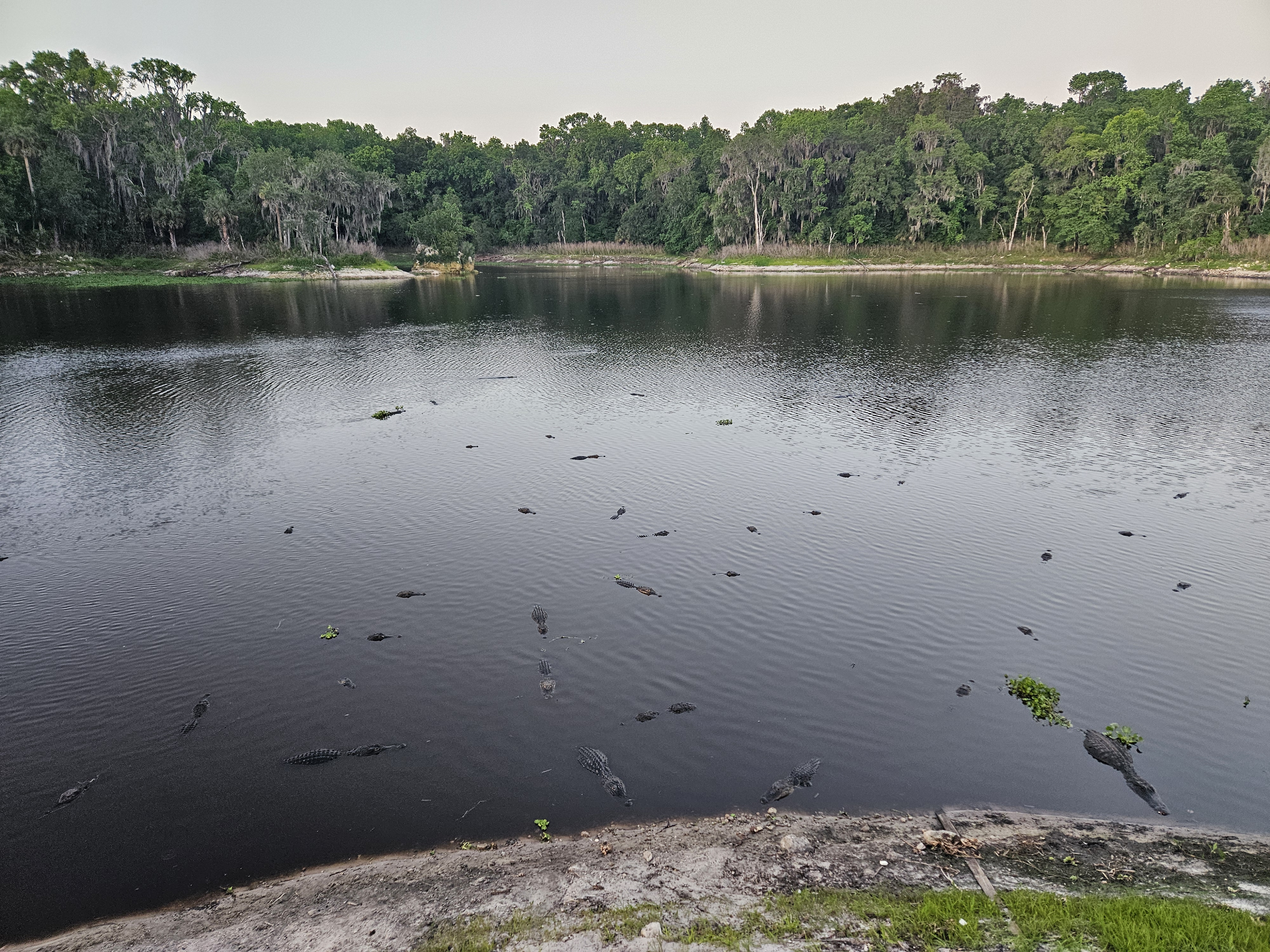
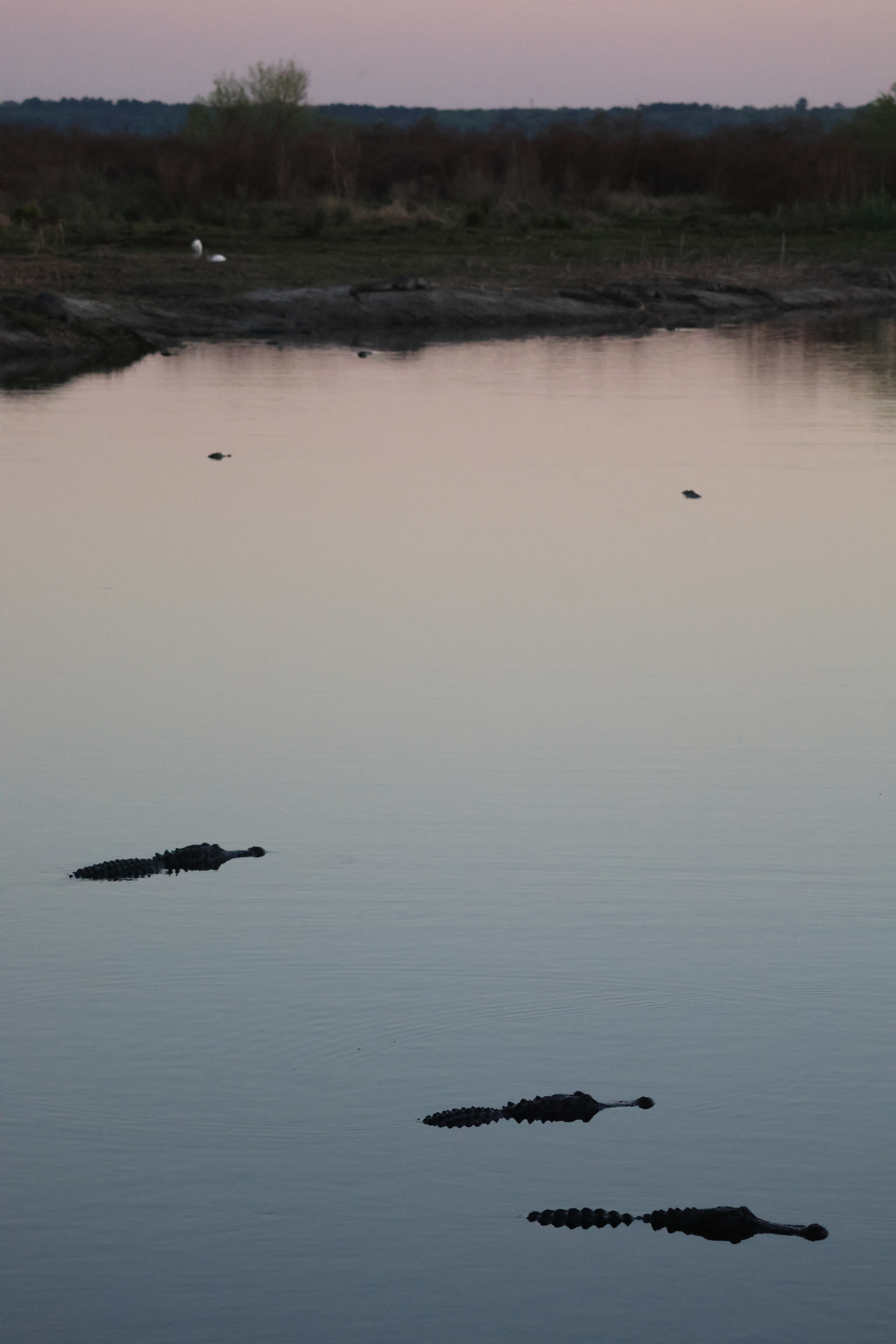
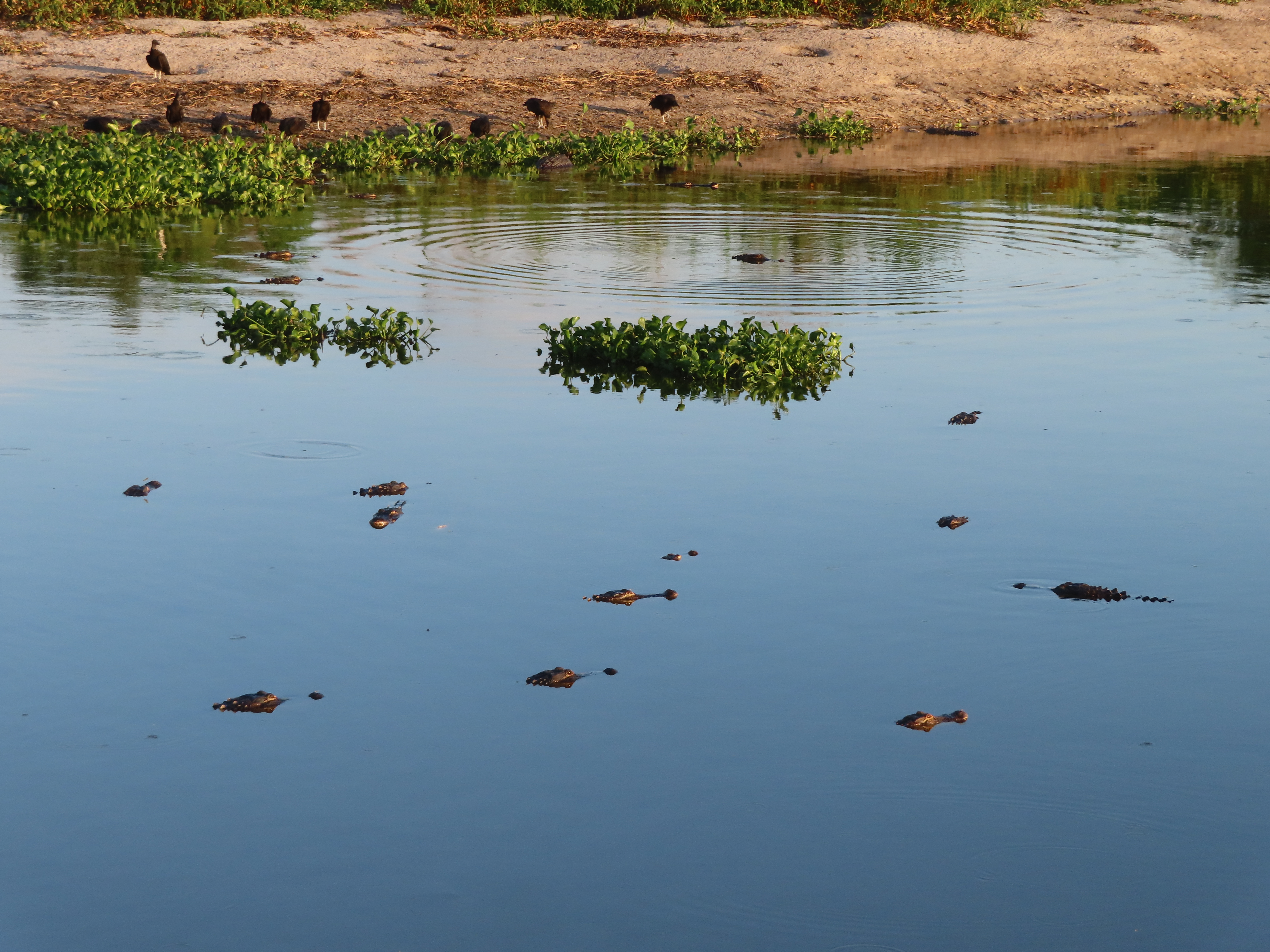

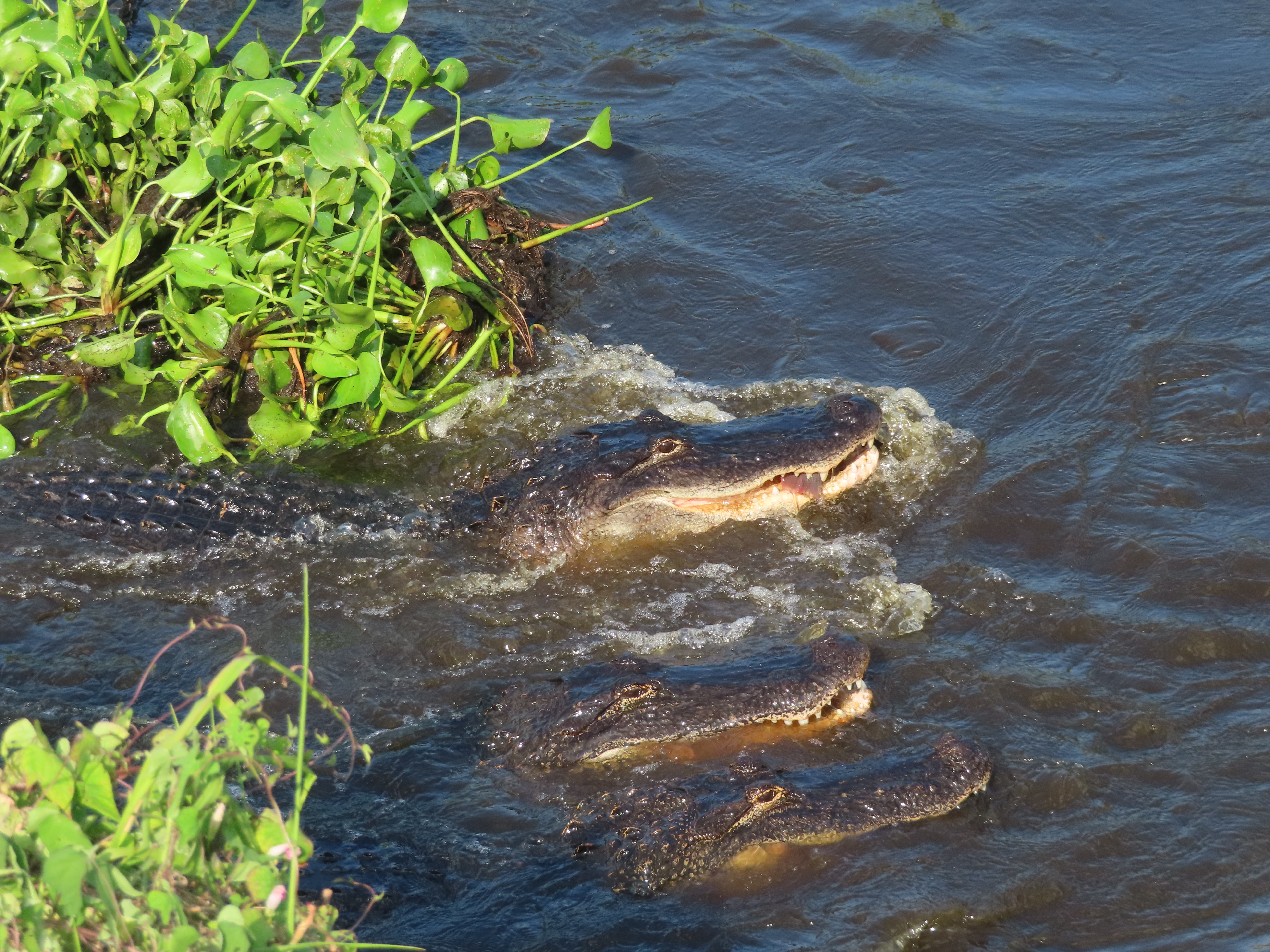
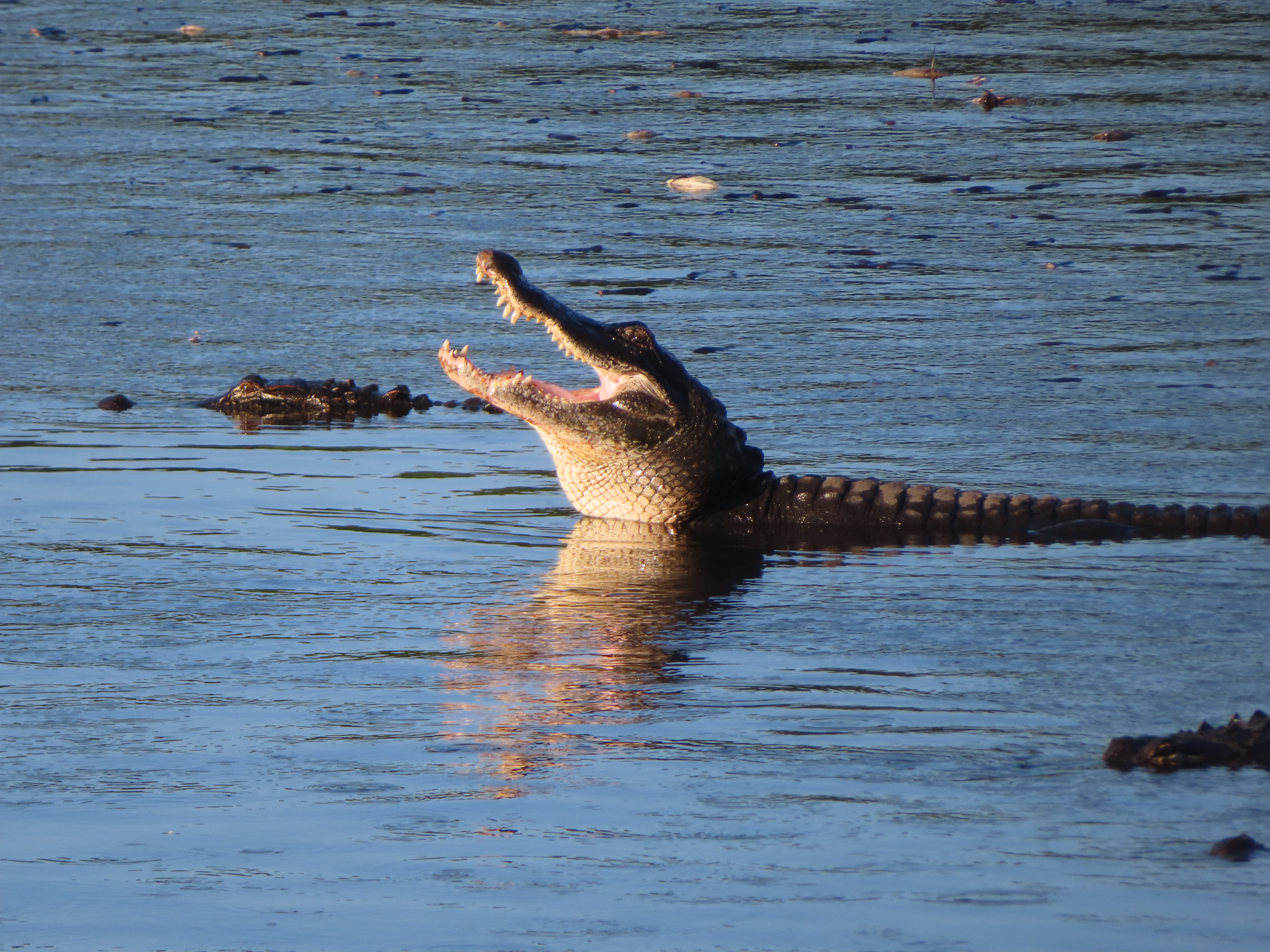

Abundant alligators in the water, viewed from La Chua trail. Click photos to enlarge and open gallery view.
Why are alligators so abundant here, relative to anywhere else I have visited? I have thought about this a lot and think there are three primary reasons: i) they are protected from hunting by humans because La Chua trail is in a state park, ii) the habitat is optimal and facilitates congregation (specifically, the seasonal fluctuations in water level make for highly productive habitat capable of supporting large quantities of fish, and as water levels drop these fish frequently become concentrated around Alachua sink and are more easily captured by alligators than in comparable lake or river habitat), and iii) given the specific site features, alligators are highly visible here and mostly unbothered by people (i.e. they do not feel the need to hide or flee). Something I find quite interesting is that the density of alligators (a top reptilian predator) is so much higher than top mammalian predators (such as the Florida panther or Black bear). A given piece of land is able to support substantially greater predator biomass in the form of ectotherms (cold-blooded animals) compared to endotherms (warm-blooded animals). Essentially, mammals are more energetically costly to produce and maintain than reptiles; due to their higher metabolism and body temperature, mammals require more food (prey), and more land is required to support this prey base. This, ultimately, is why a large mammalian predator, such as the Florida panther requires a range size of 75 – 200 square miles, while at La Chua trail you can have 200 ten-foot-long alligators in less than one square mile.
Natural history observations at La Chua
One of the main reason I am drawn back to La Chua trail is because of the chance to see interesting natural history phenomena. Many of my best wildlife photos have been taken here.


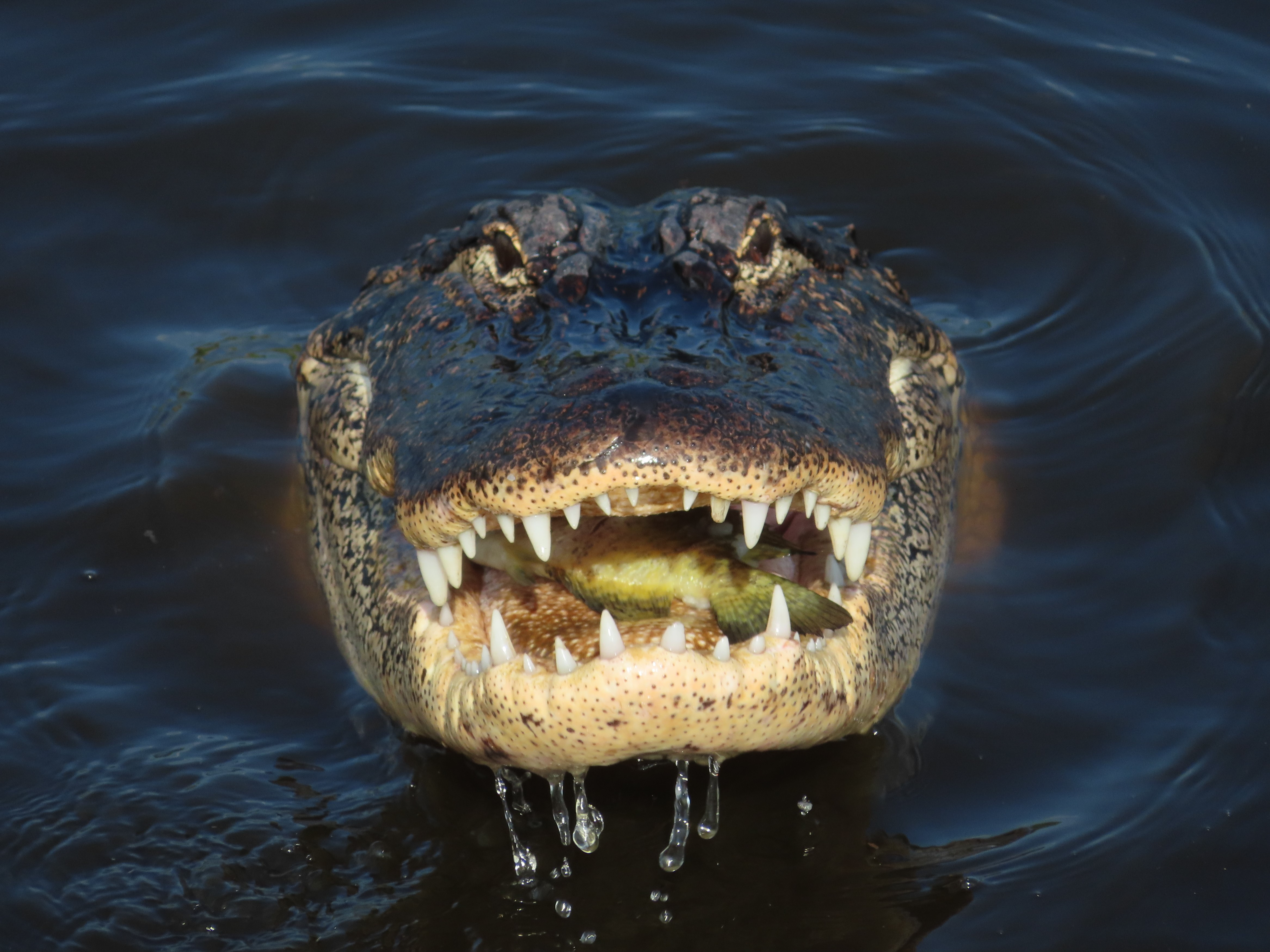


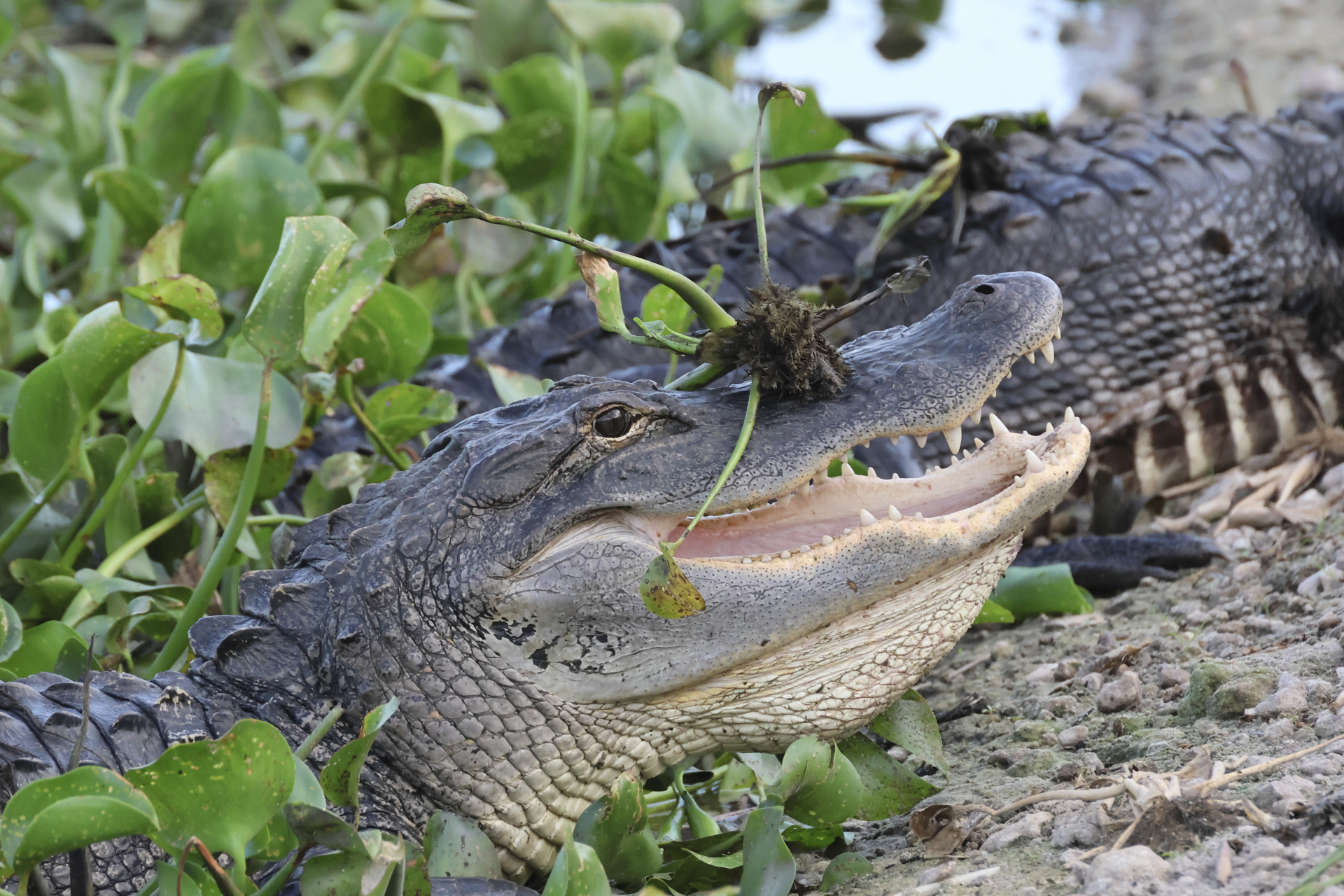

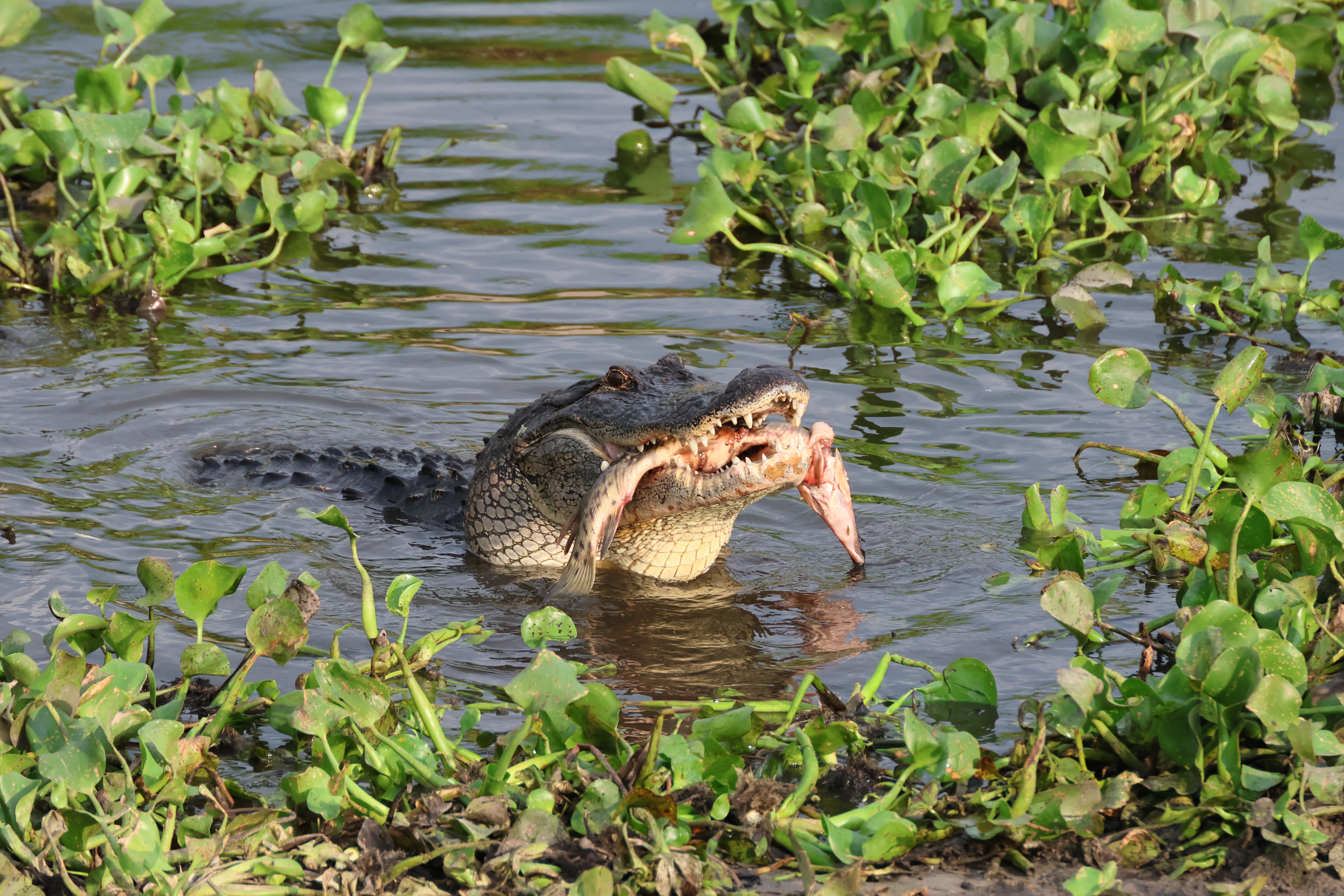
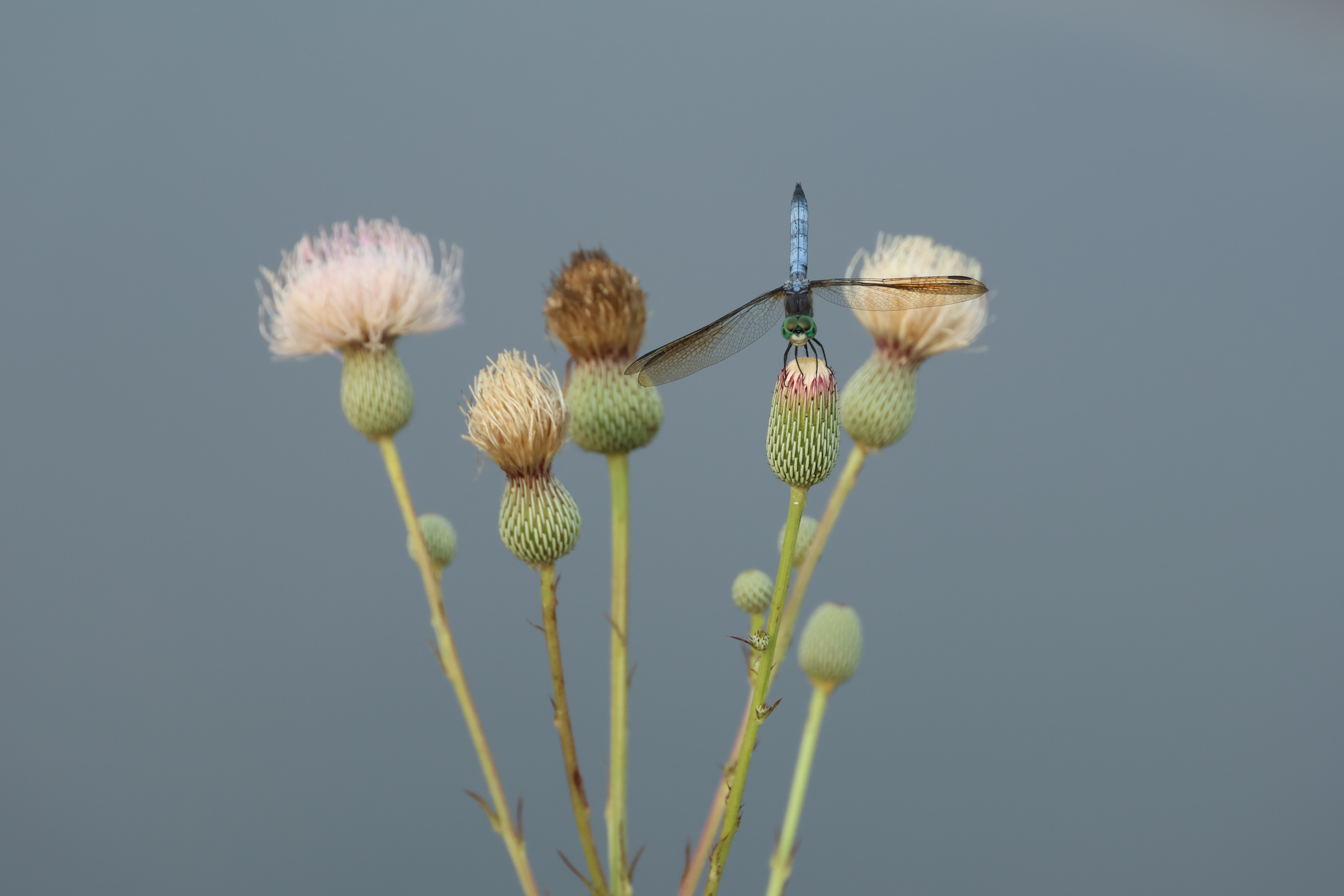


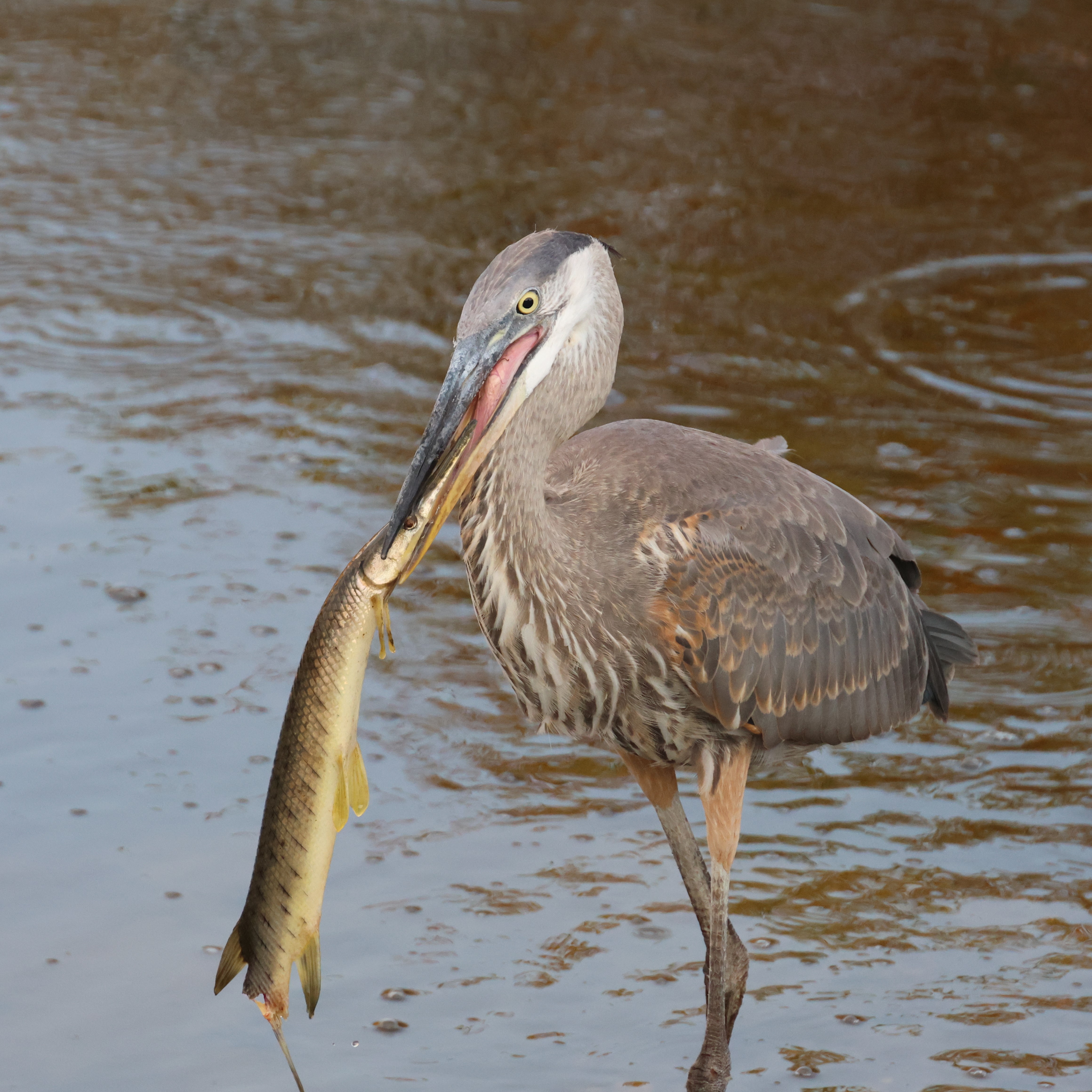


What I consider to be some of my best wildlife photos (many of alligators) have been taken at La Chua trail. Click photos to enlarge and open gallery view.
Furthermore, observations on the trail have provided inspiration for many past blog posts including: Water birds in close proximity to alligators, Alligator diet observations, Warning: Alligators and snakes, Deer and alligator standoff, Life and death on the Florida prairie, It’s an alligator eat alligator world, and Alligators and turtles.
At La Chua trail is not uncommon to see deer and wild horses in close proximity to alligators.
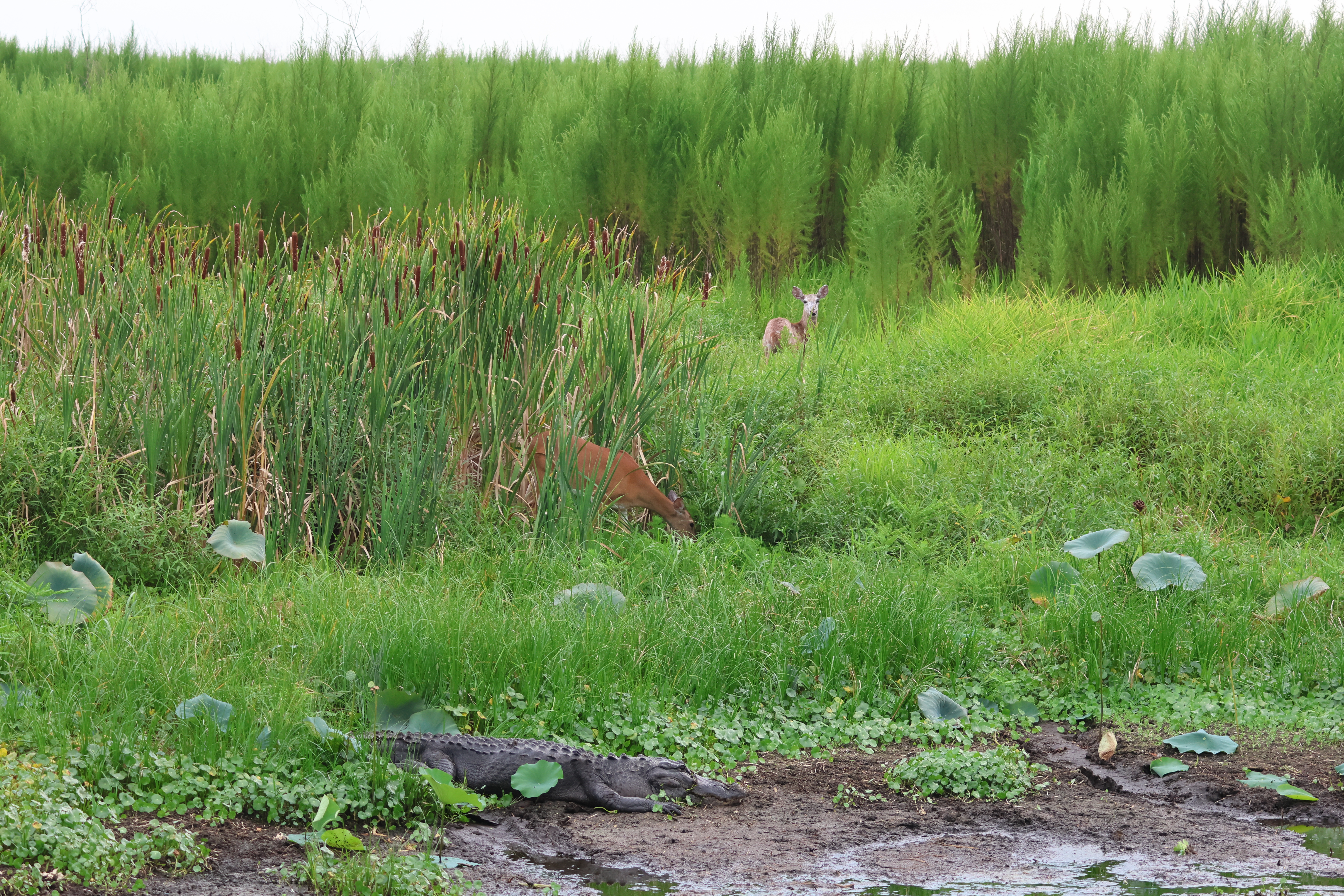
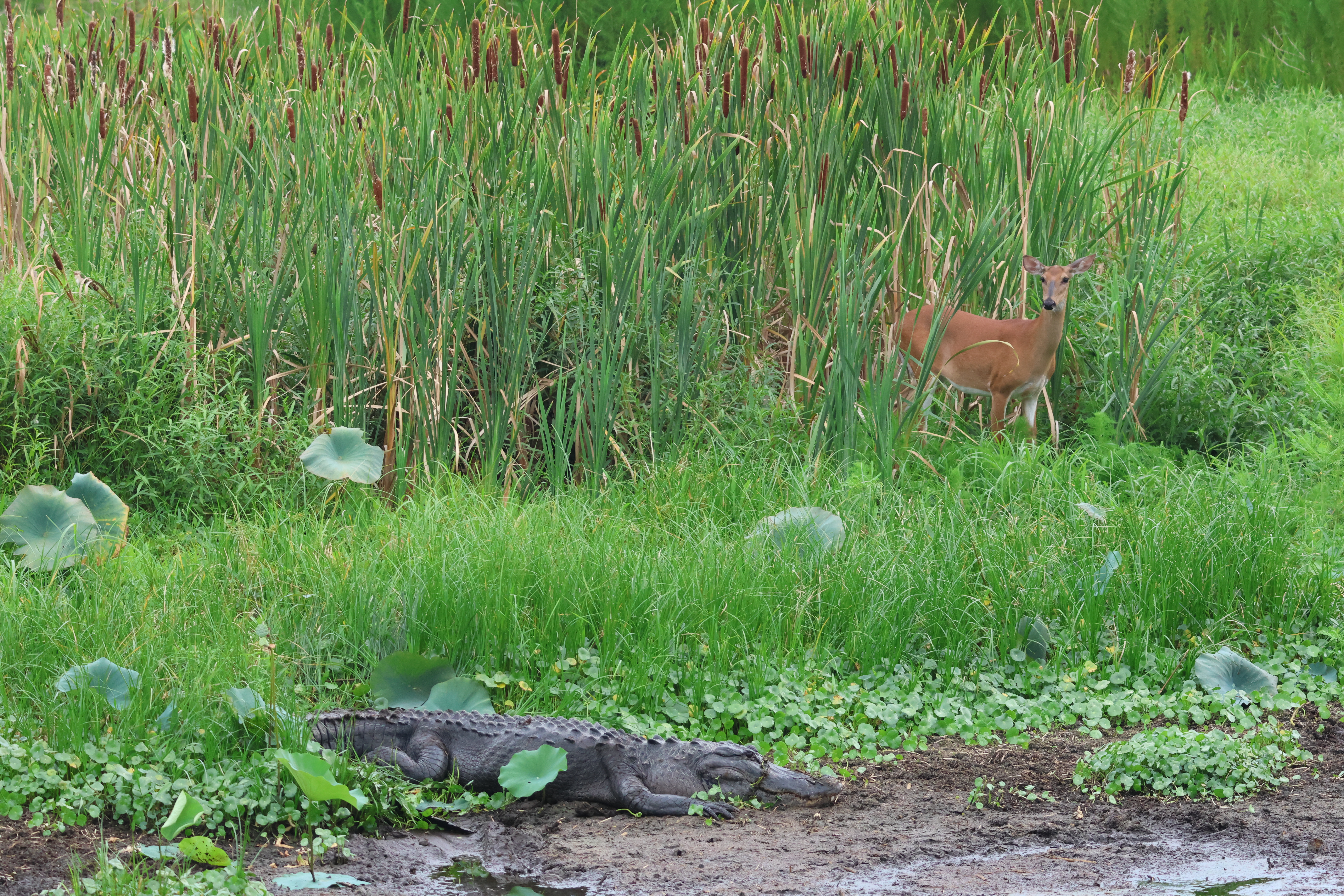

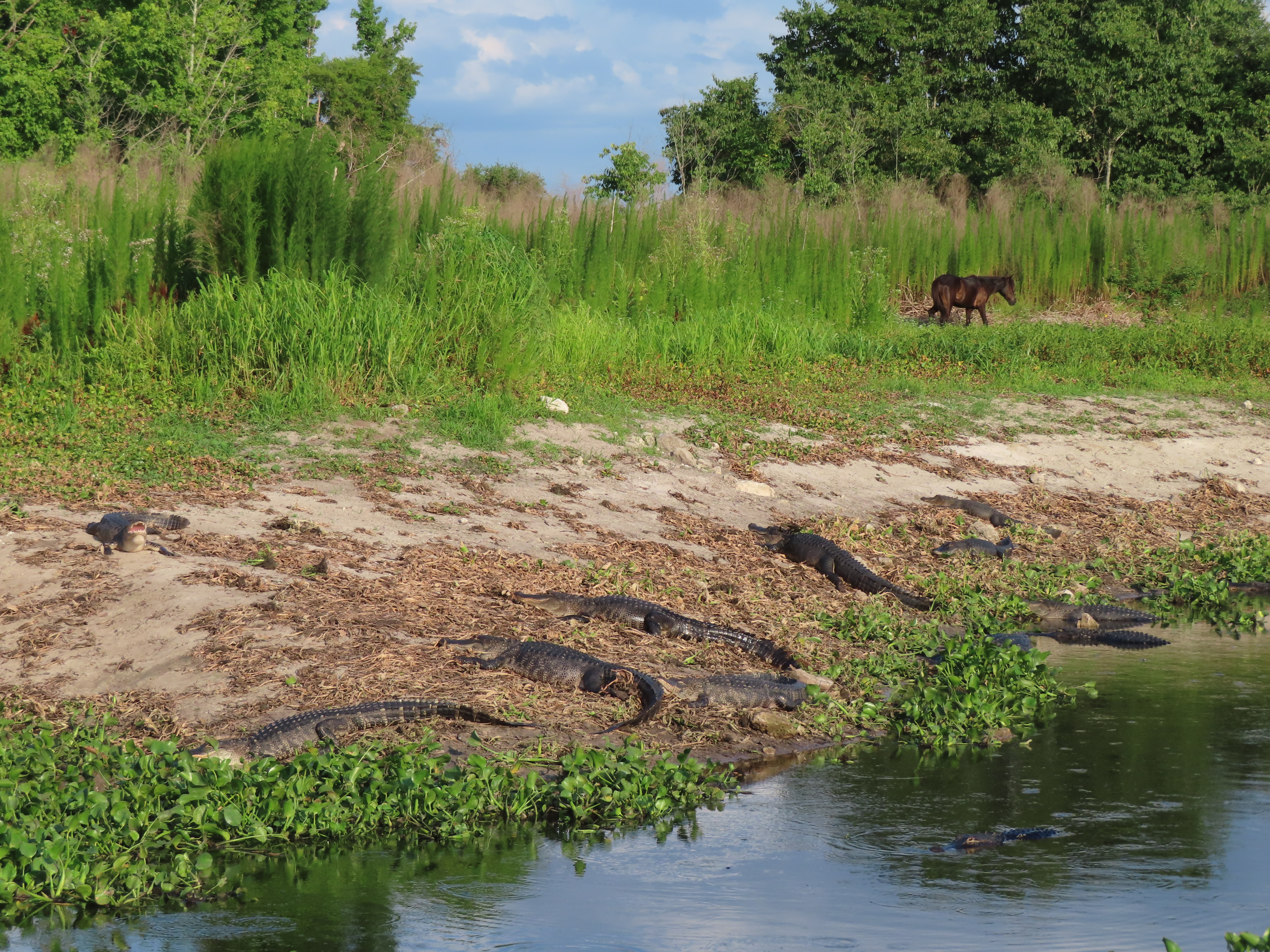
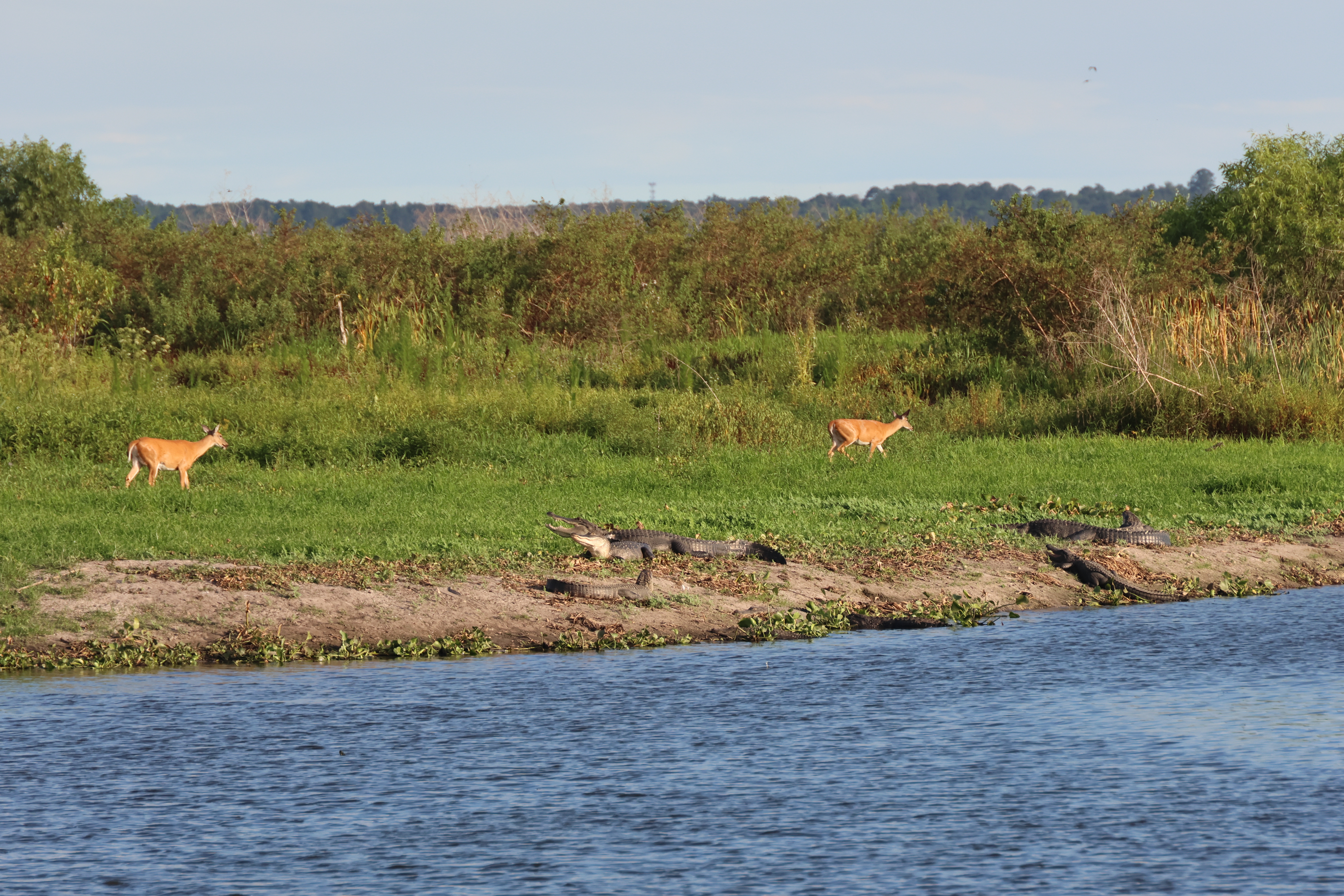
Alligators frequenlty bask on the banks where they come into contact with deer and wild horses. Click photos to enlarge and open gallery view.
Some visitors actually witnessed a wild horse attack an alligator at La Chua trail, and captured the remarkable footage on video.
Other wildlife of La Chua
In addition to alligators, there is abundant other wildlife. Birders in particular come from far and wide to observe the Snail kite, as this area is a stronghold for this formerly endangered species.
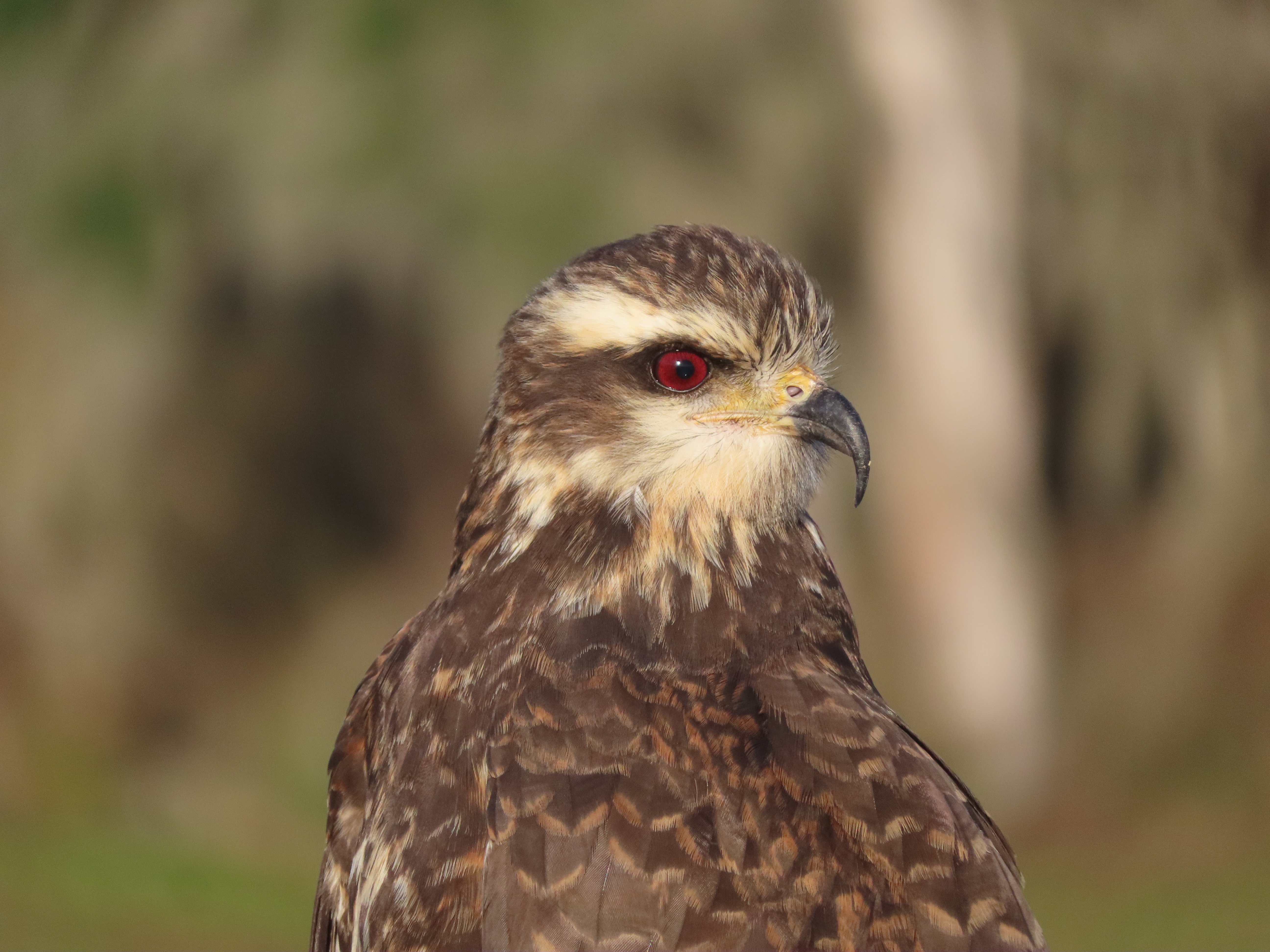


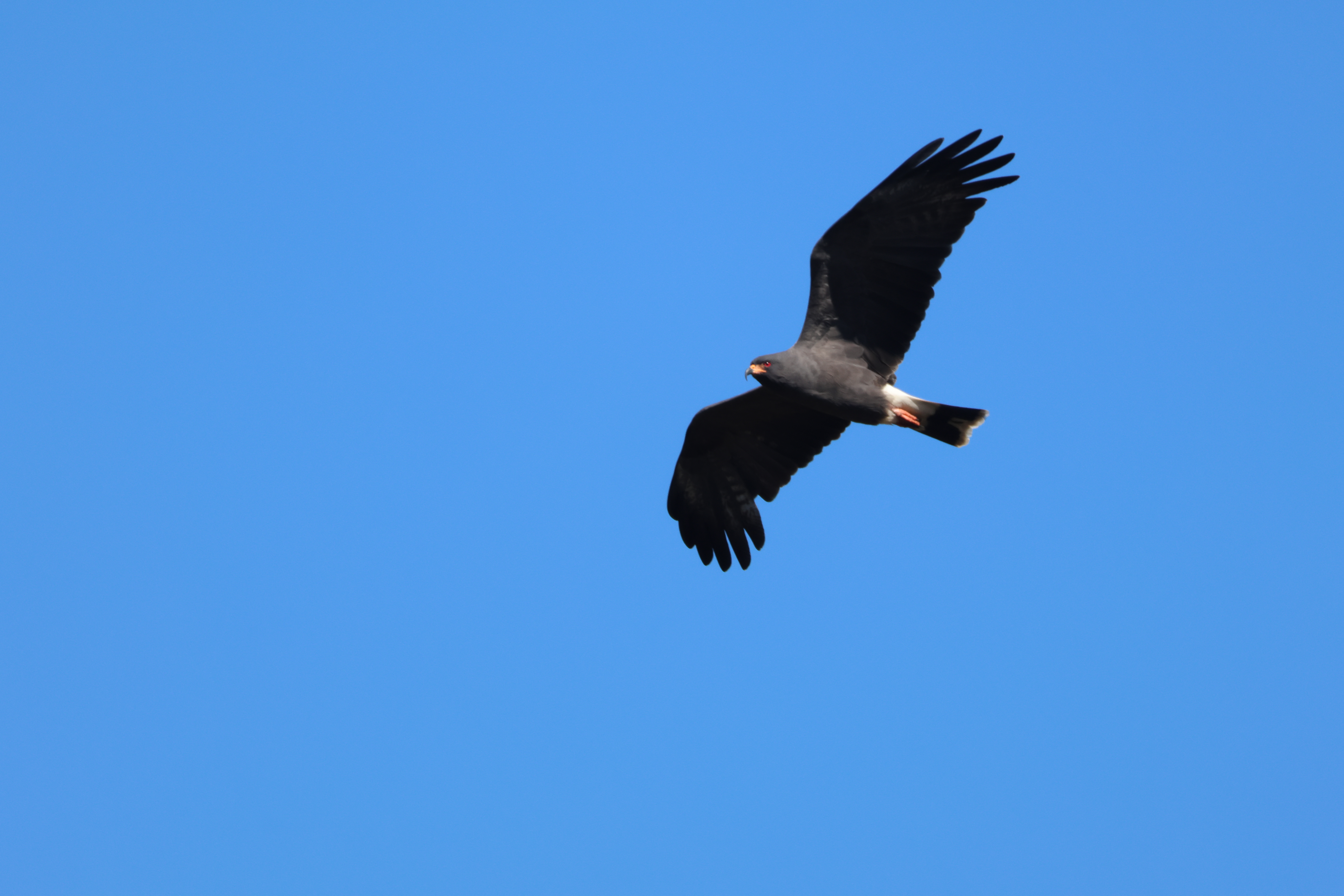
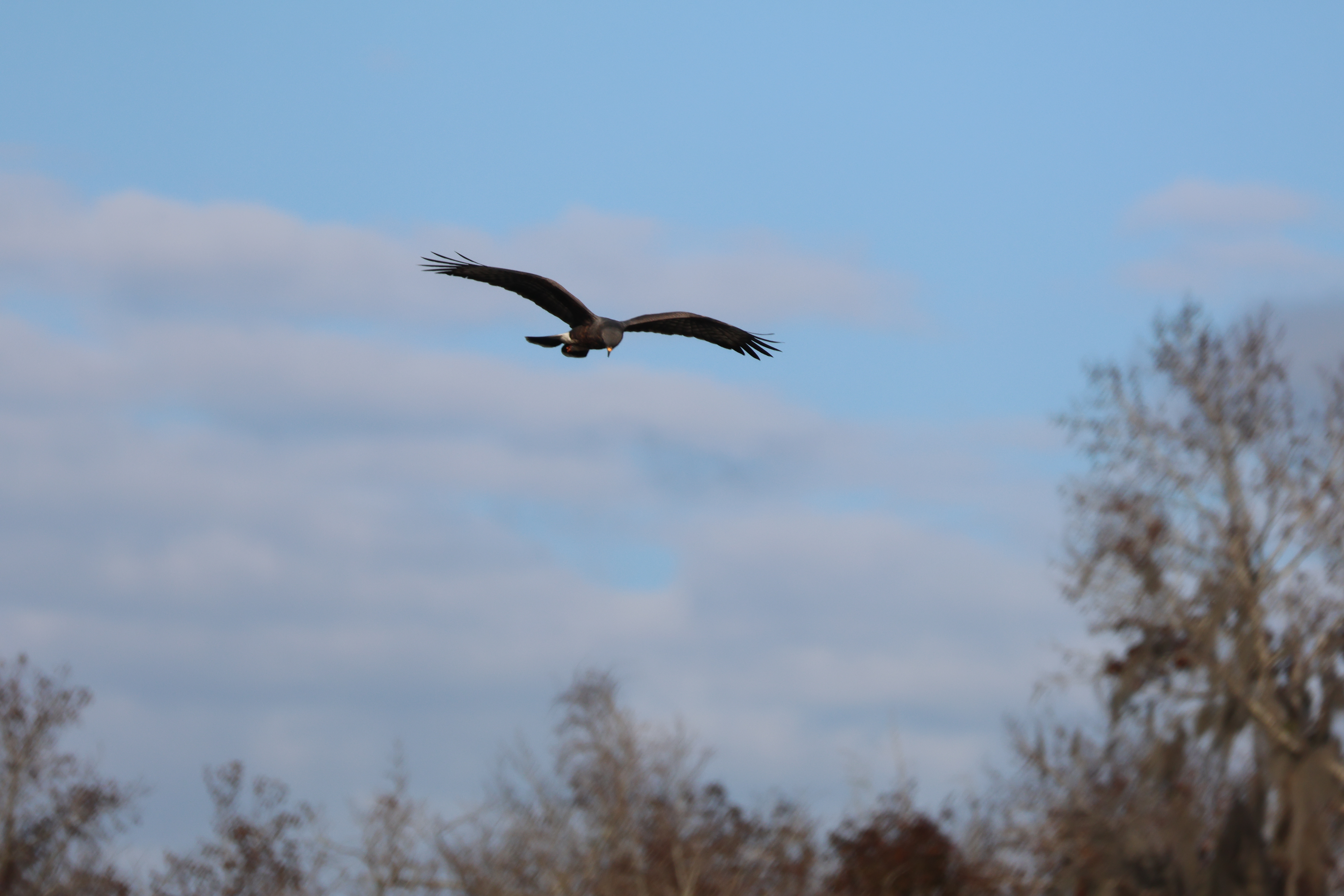


La Chua trail is a great place to see Snail kites. Click photos to enlarge and open gallery view.
I have kept a photo record of the various species of birds, mammals, amphibians, and reptiles that I have observed at La Chua trail.
Mammals observed include: Bat (unknown species / no photo), Eastern Gray Squirrel, Marsh rabbit, Nine-banded armadillo, Marsh rice rat, Virginia opossum, White-tailed deer, Wild horse, and Wild hog.


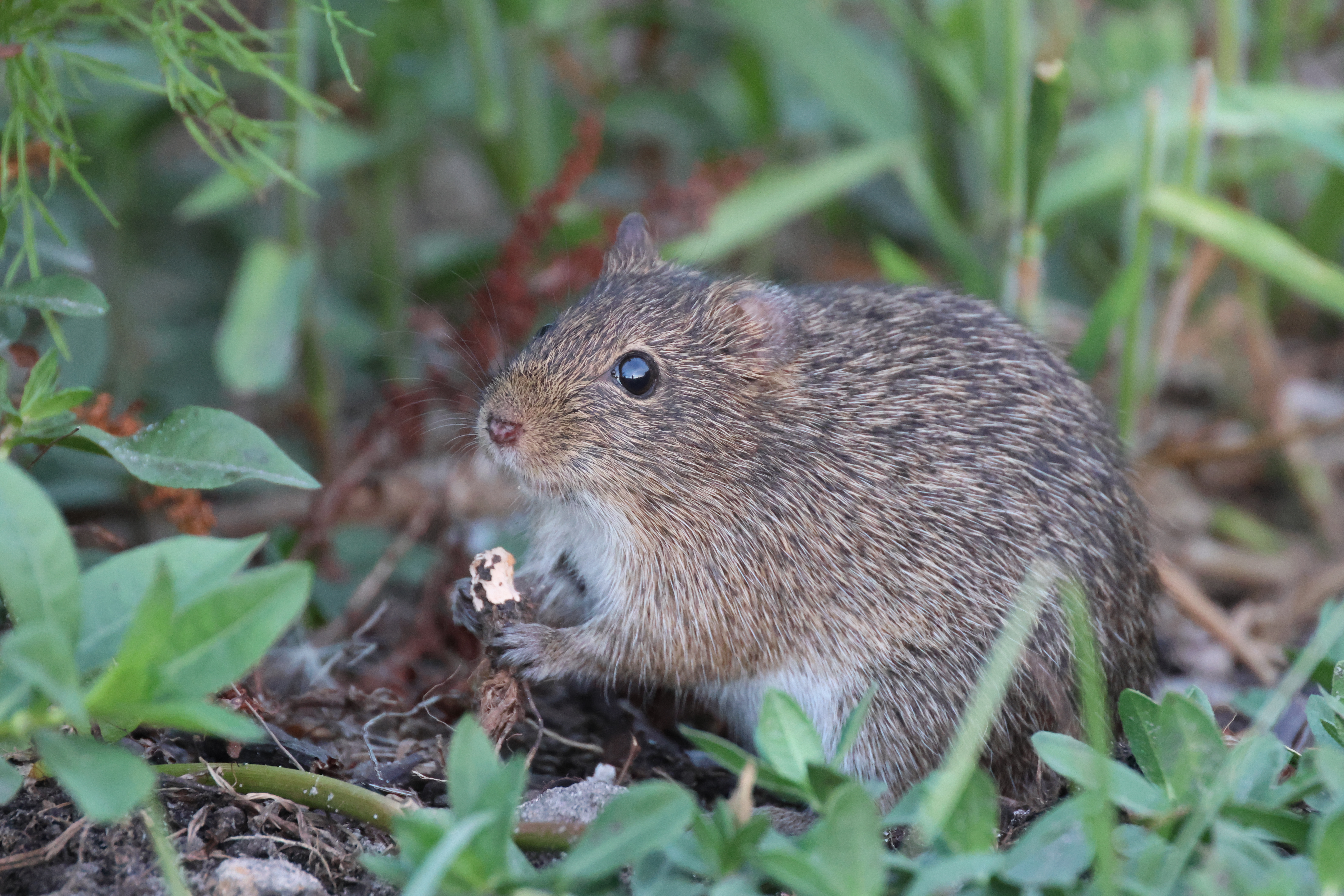
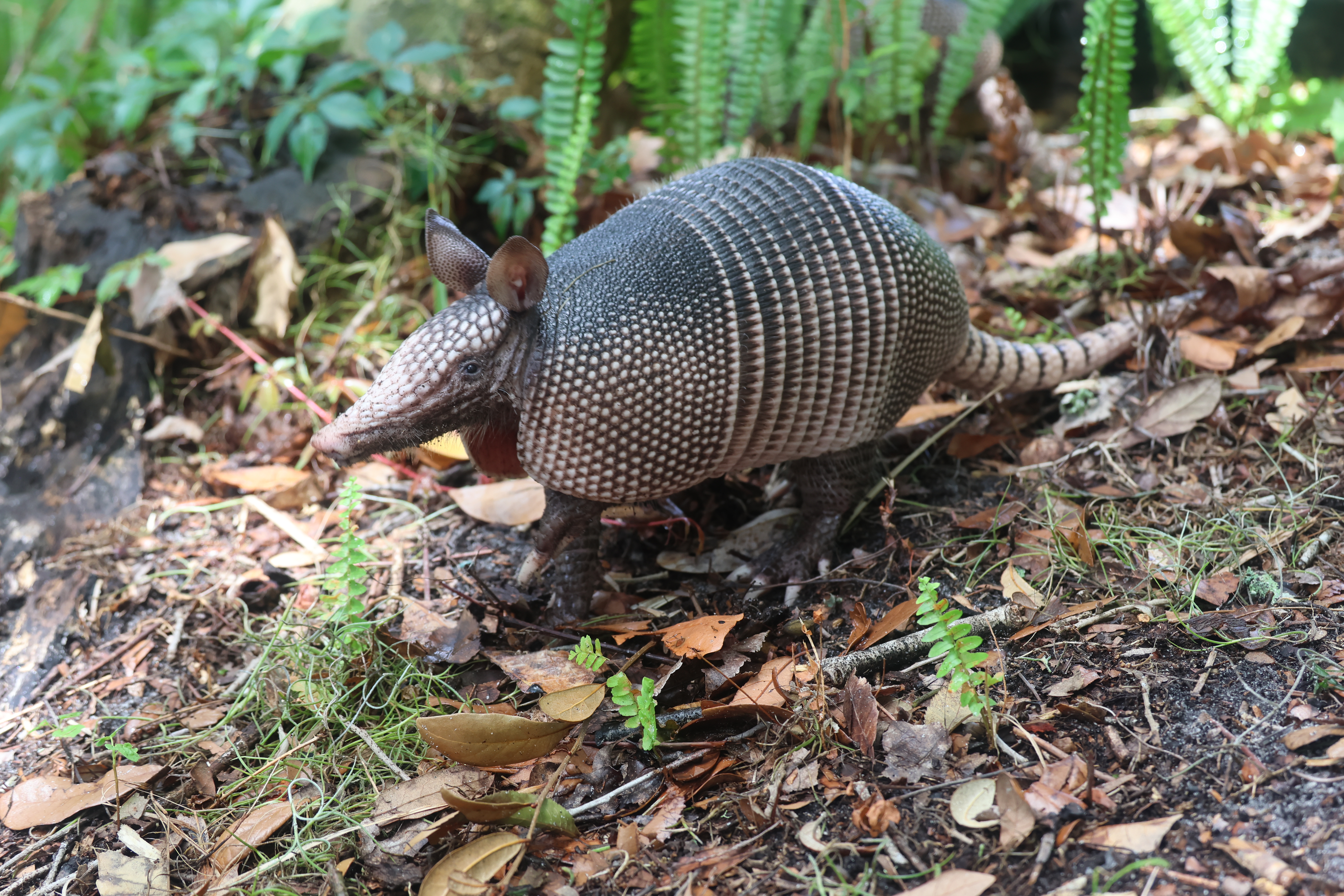


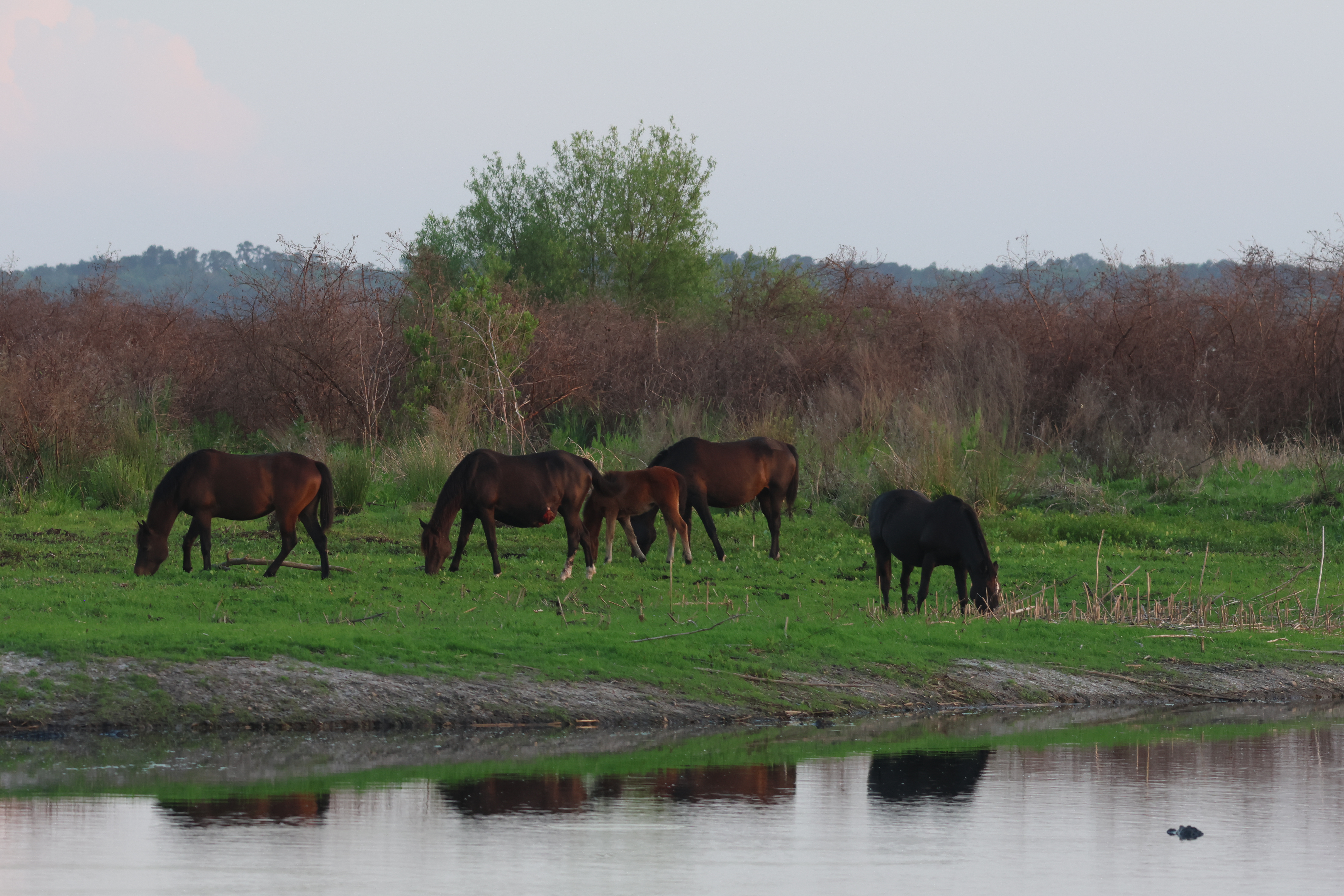
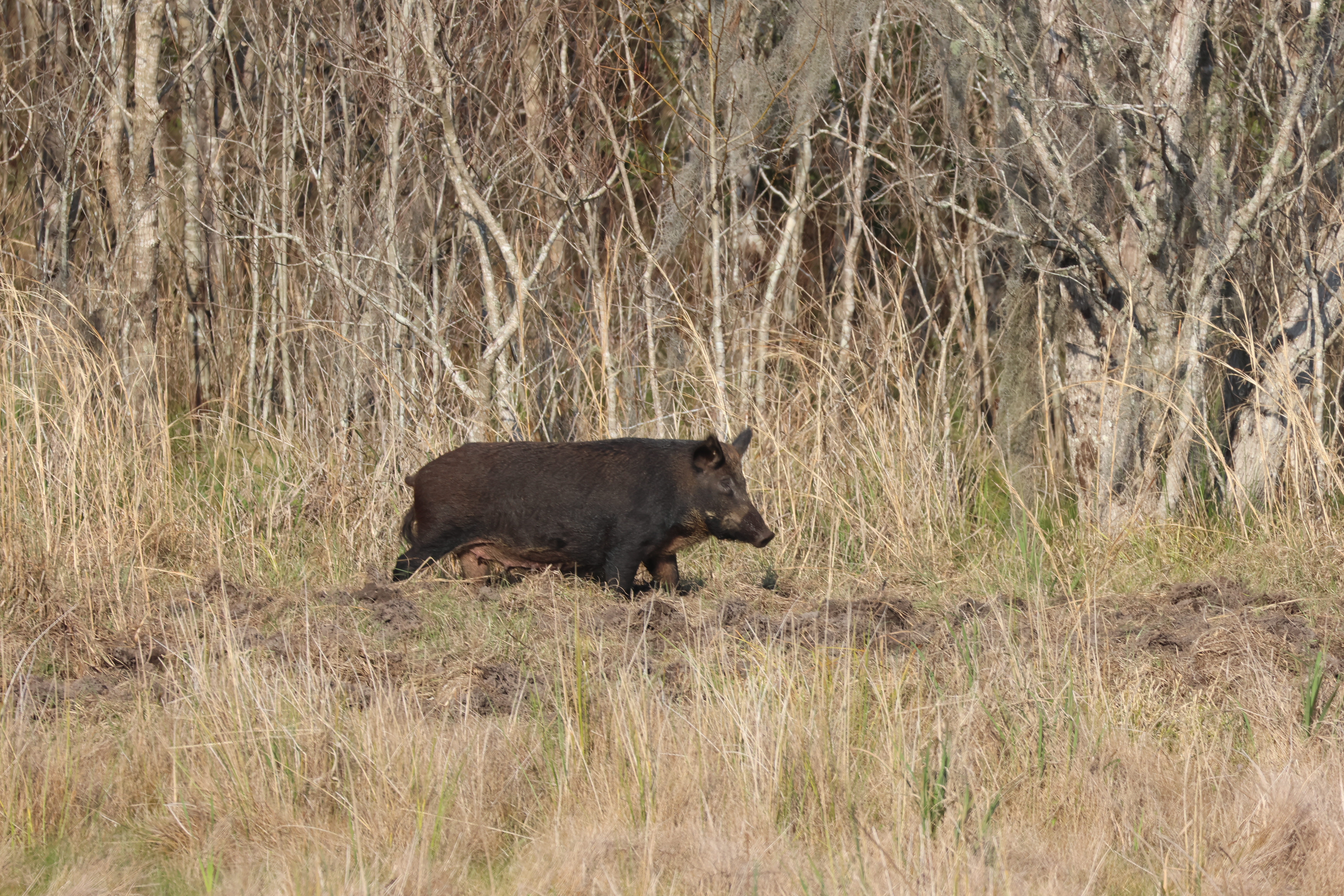
Mammals observed at La Chua trail. Click photos to enlarge and open gallery view.
Reptiles observed include: American Alligator, Brown Anole, Eastern rat snake, Eastern ribbon snake, Florida green watersnake, Florida softshell turtle, Gopher tortoise, Green Anole, Peninsula cooter, Southeastern five-lined skink, and Southern watersnake.

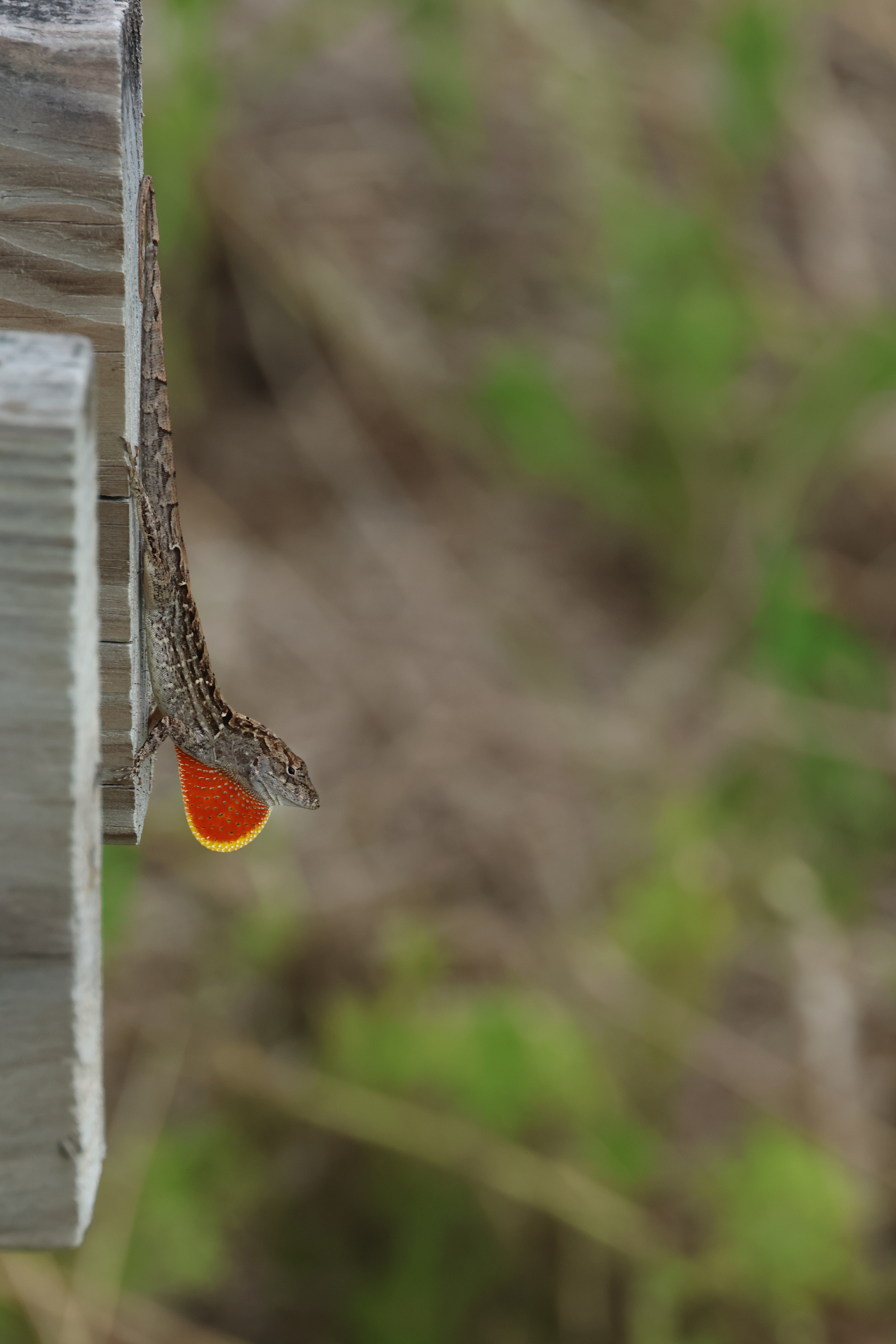
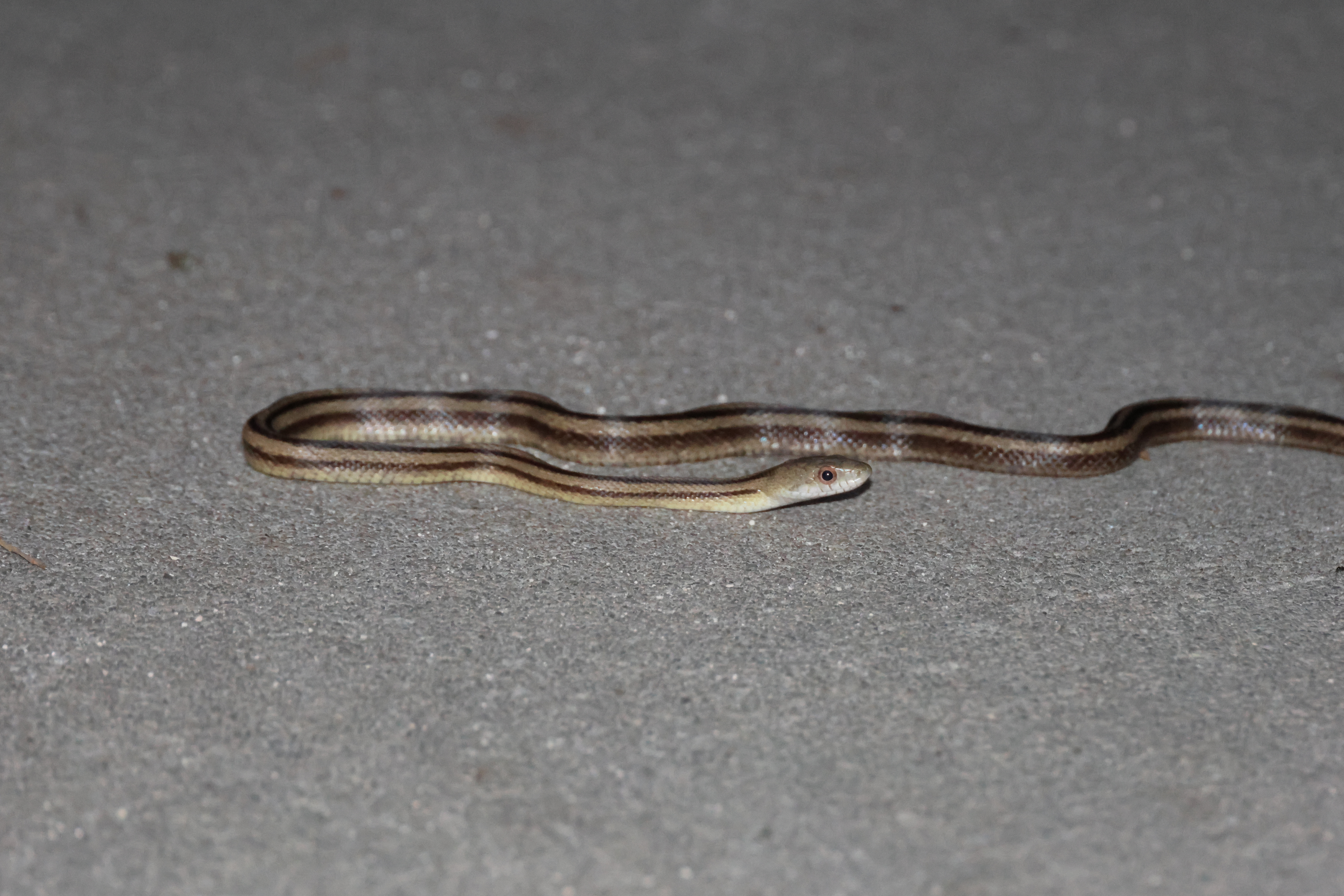


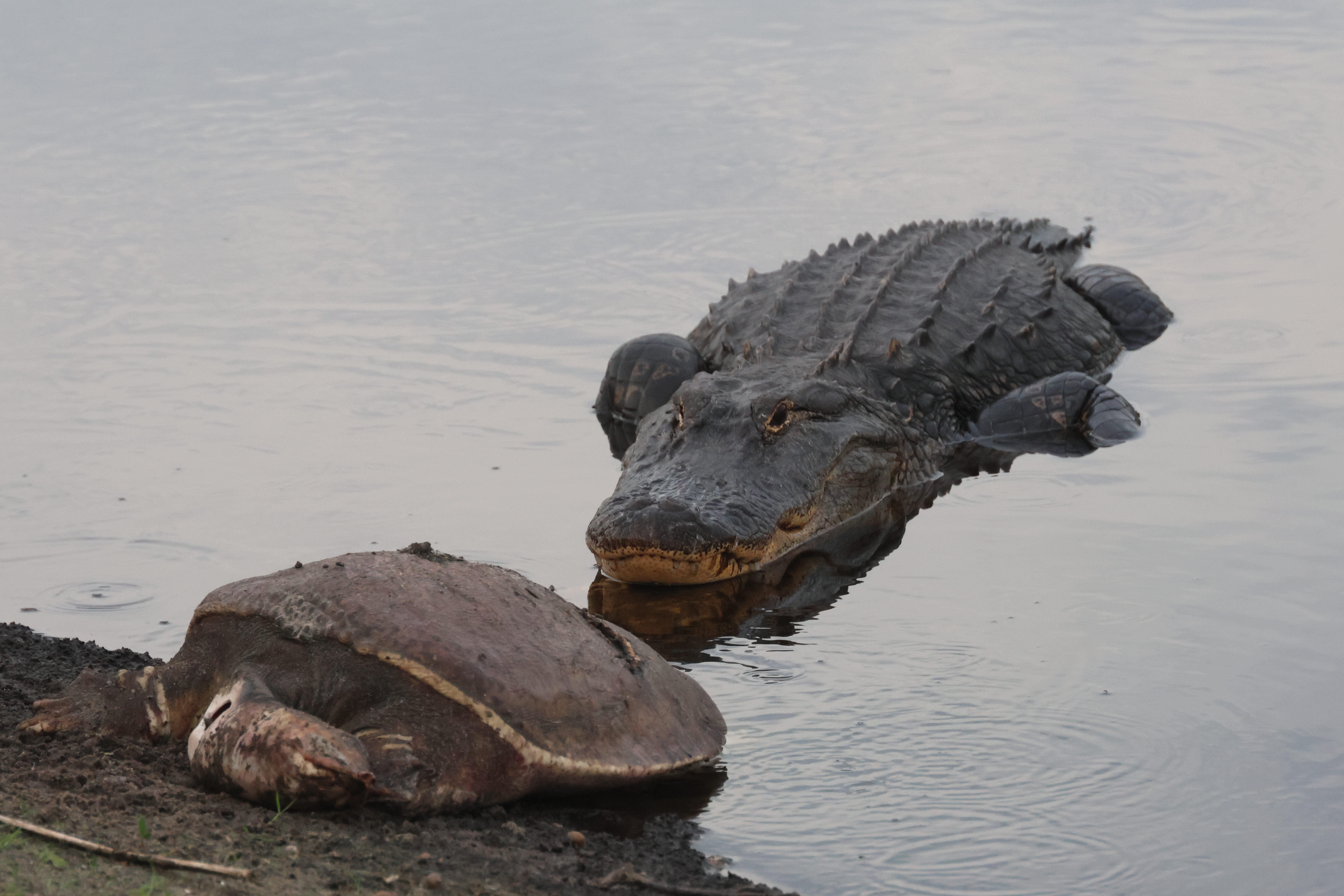


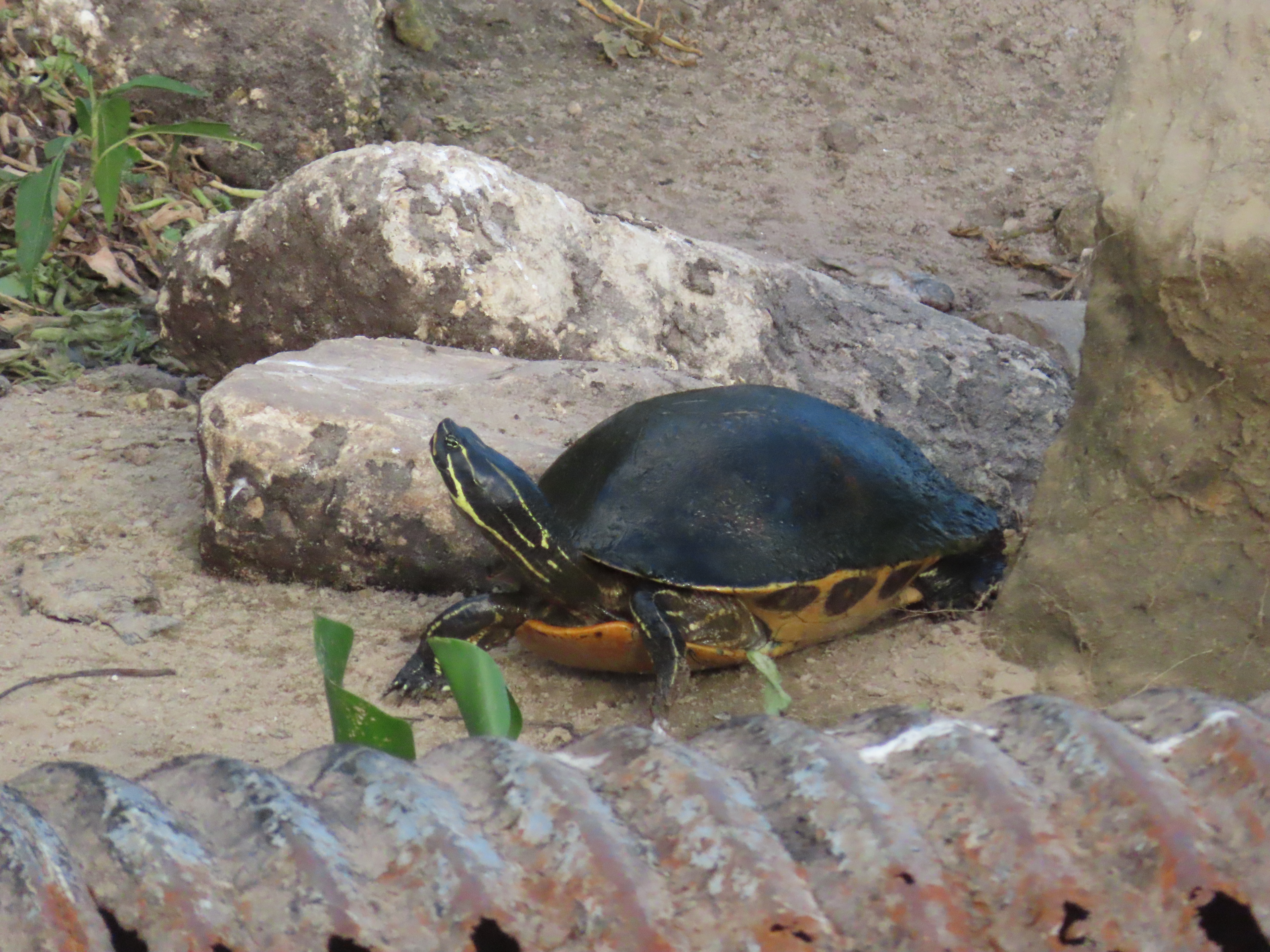
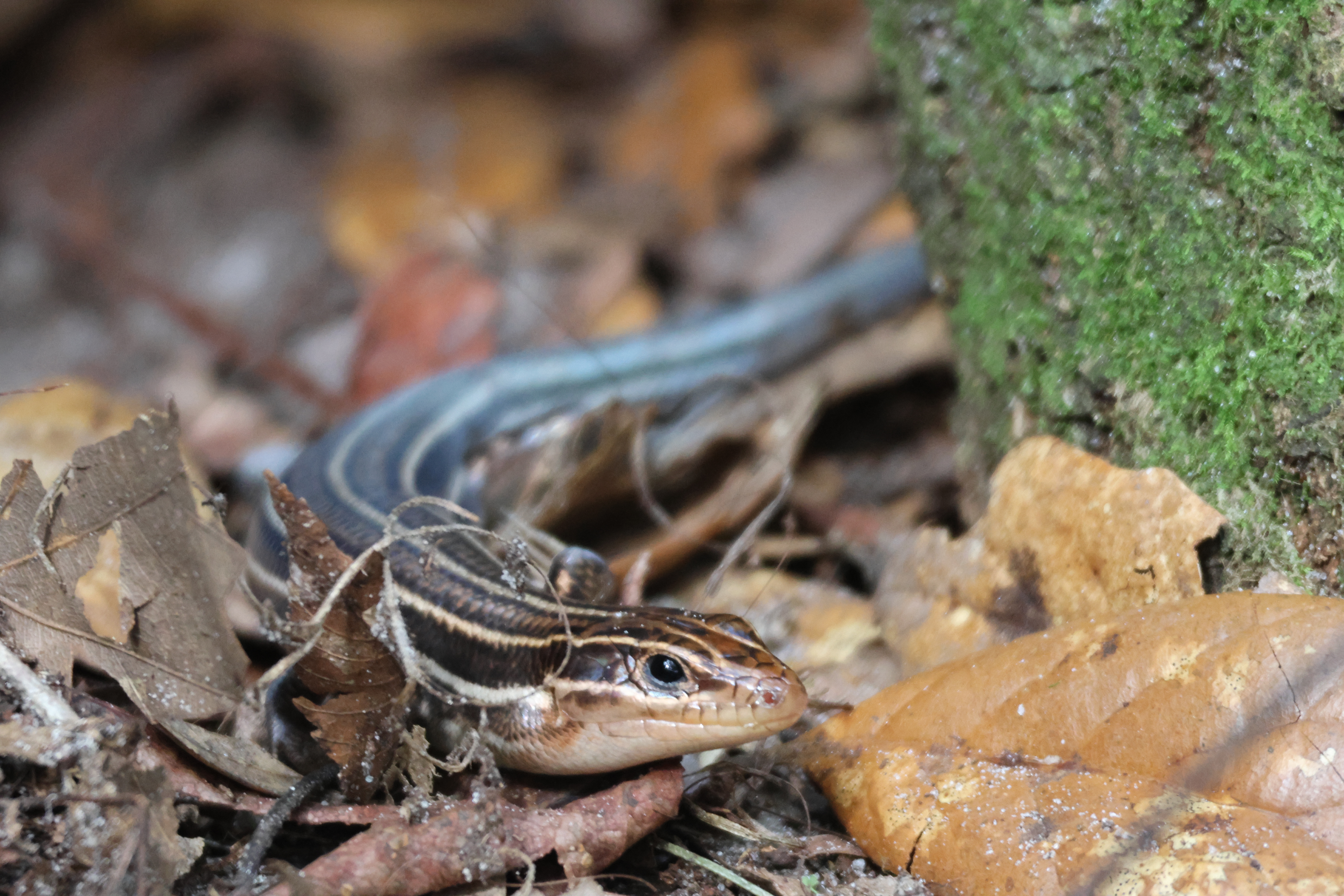

Reptiles observed at La Chua trail. Click photos to enlarge and open gallery view.
Amphibians observed include: Greater siren and Green treefrog. Note, I have also heard Pig frogs calling at La Chua trail. Undoubtedly, many other amphibian species are found here but you cannot safely get access to the water given the abundance of large alligators, and the trail is closed at night, when amphibians are most active.


Amphibians observed at La Chua trail. Click photos to enlarge and open gallery view.
Birds observed include: Snail kite, Swallow-tailed kite, Osprey, Bald eagle, Sandhill crane, Wood stork, Roseate spoonbill, Great blue heron, Black-crowned night heron, Tricolored heron, Green heron, Little blue heron, Great egret, Snowy egret, Cattle egret, American Bittern, Black-bellied whistling duck, Common gallinule, Purple gallinule, Limpkin, American white ibis, Northern cardinal, Red-winged blackbird, Boat-tailed grackle, Black vulture, Turkey vulture, Anhinga, Double-crested Cormorant, Great horned owl, Spotted sandpiper, Mourning dove, and Pigeon. This list of birds is incomplete as I am not an expert birder, and it is biased toward larger more easily recognizable species.
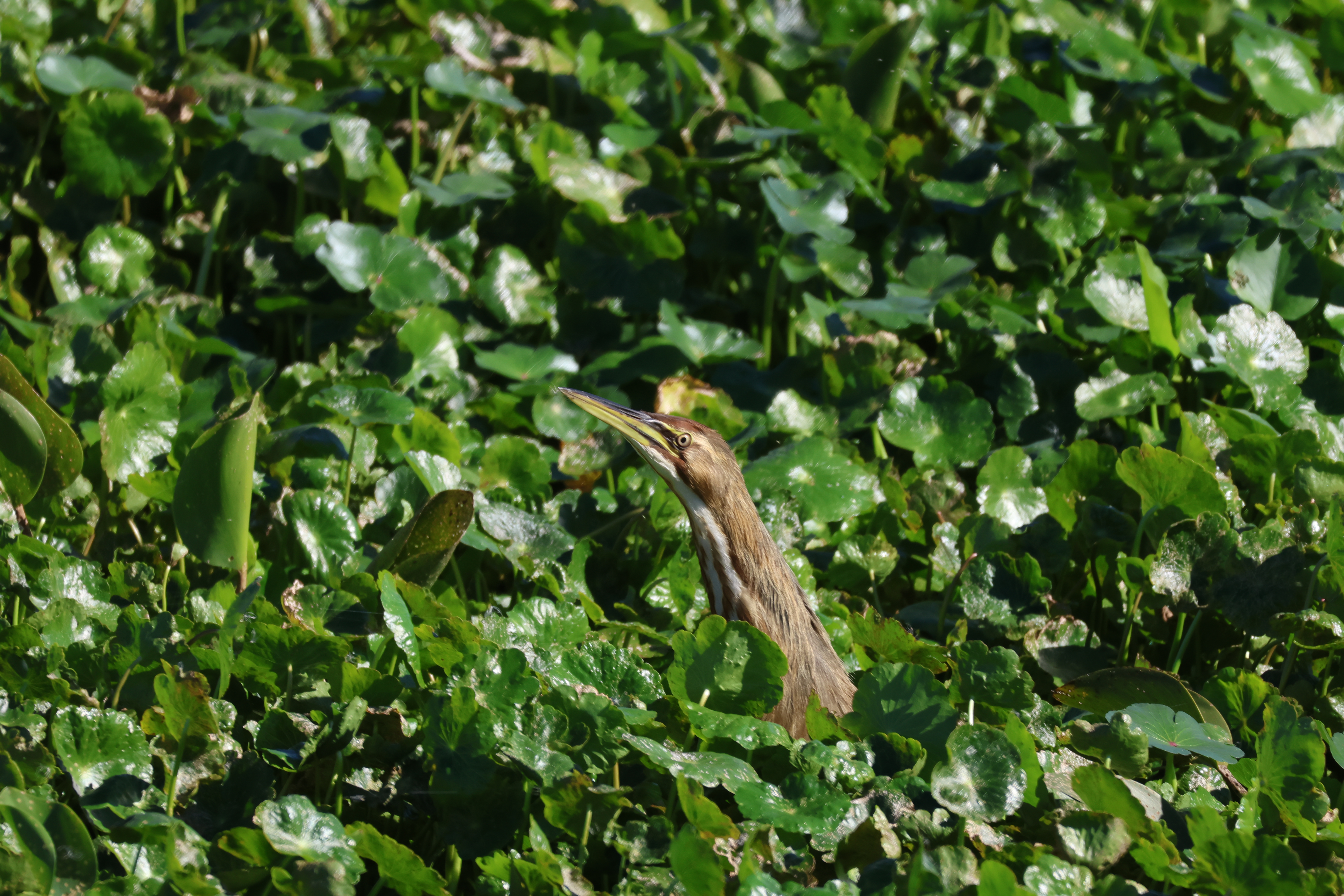
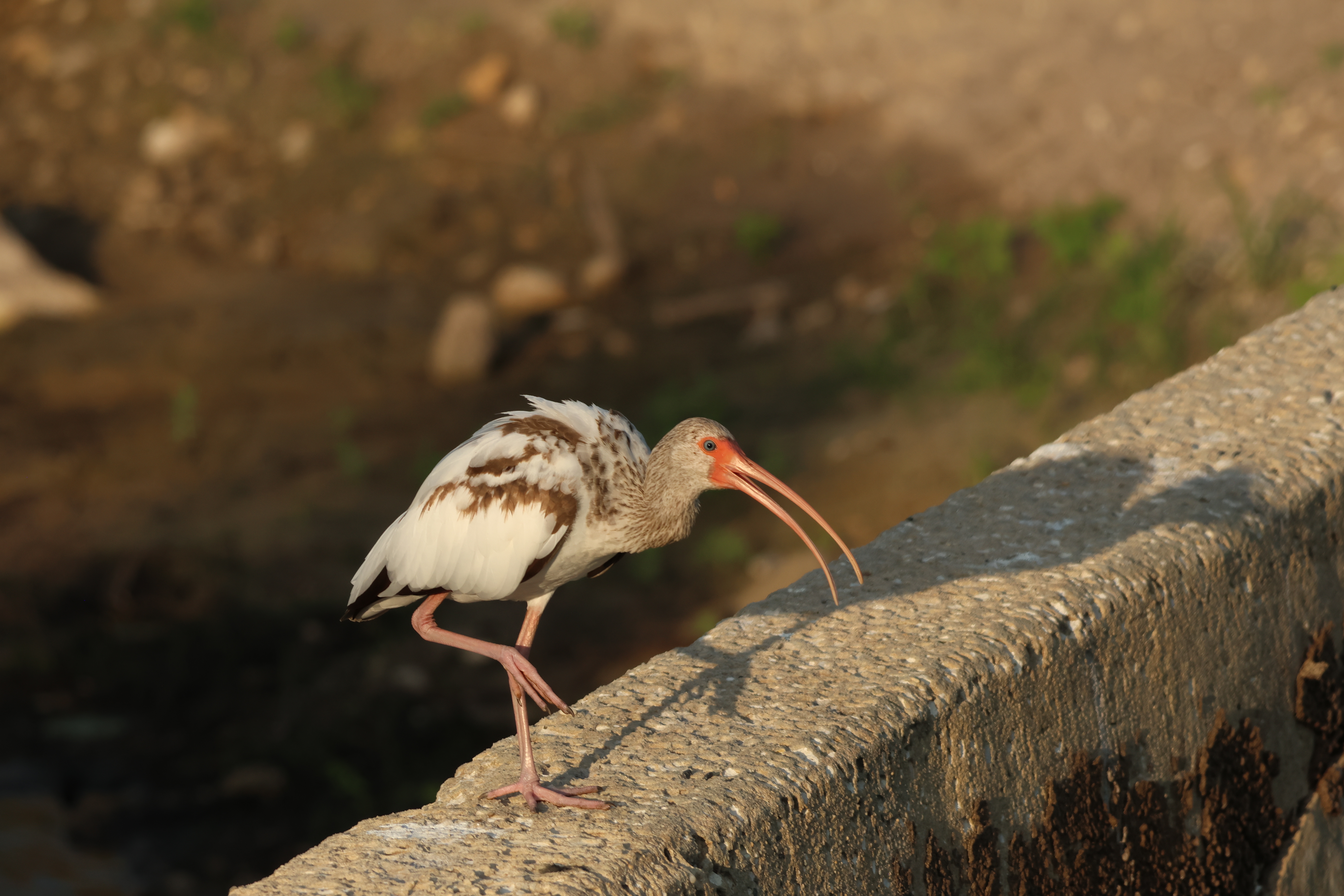


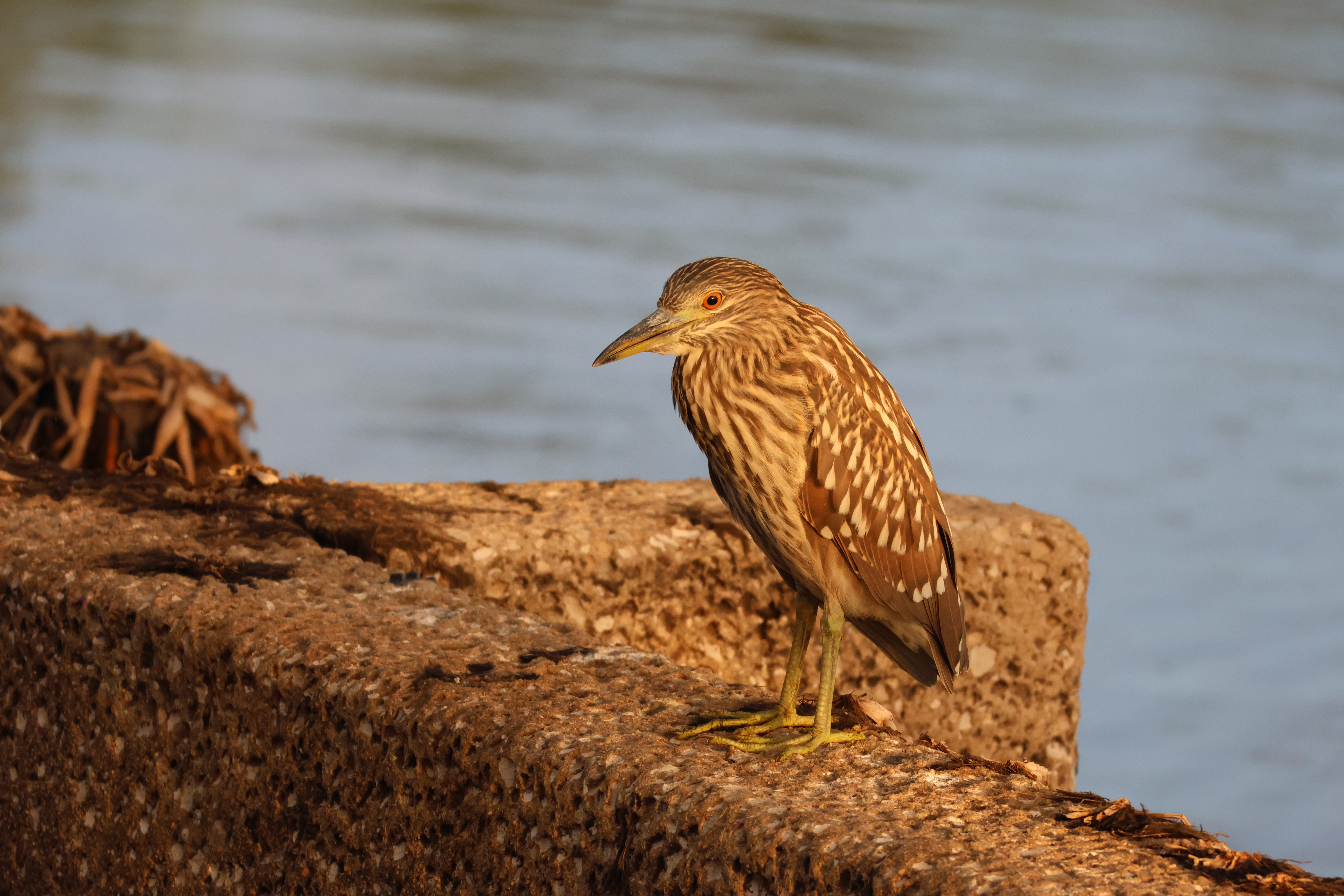
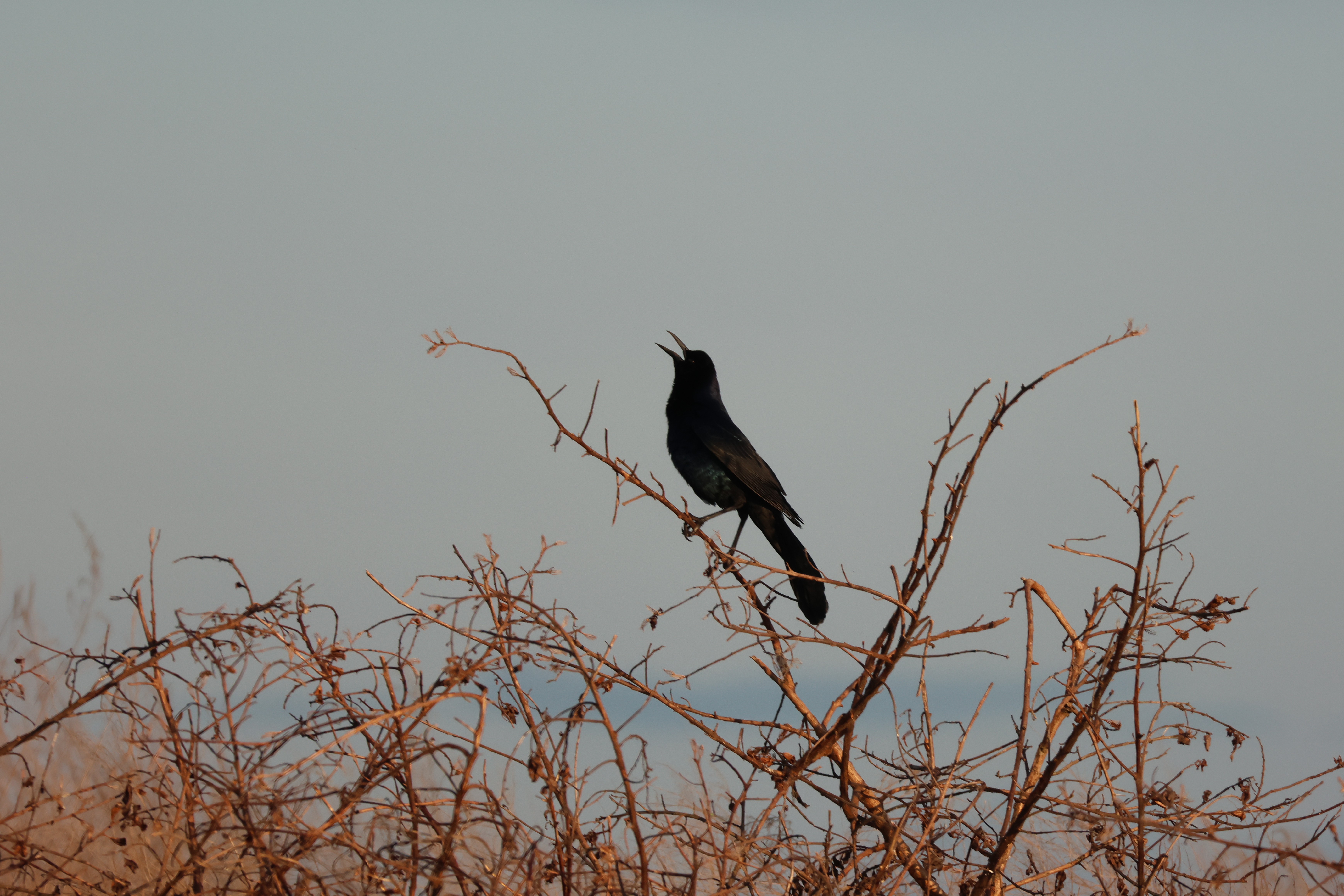
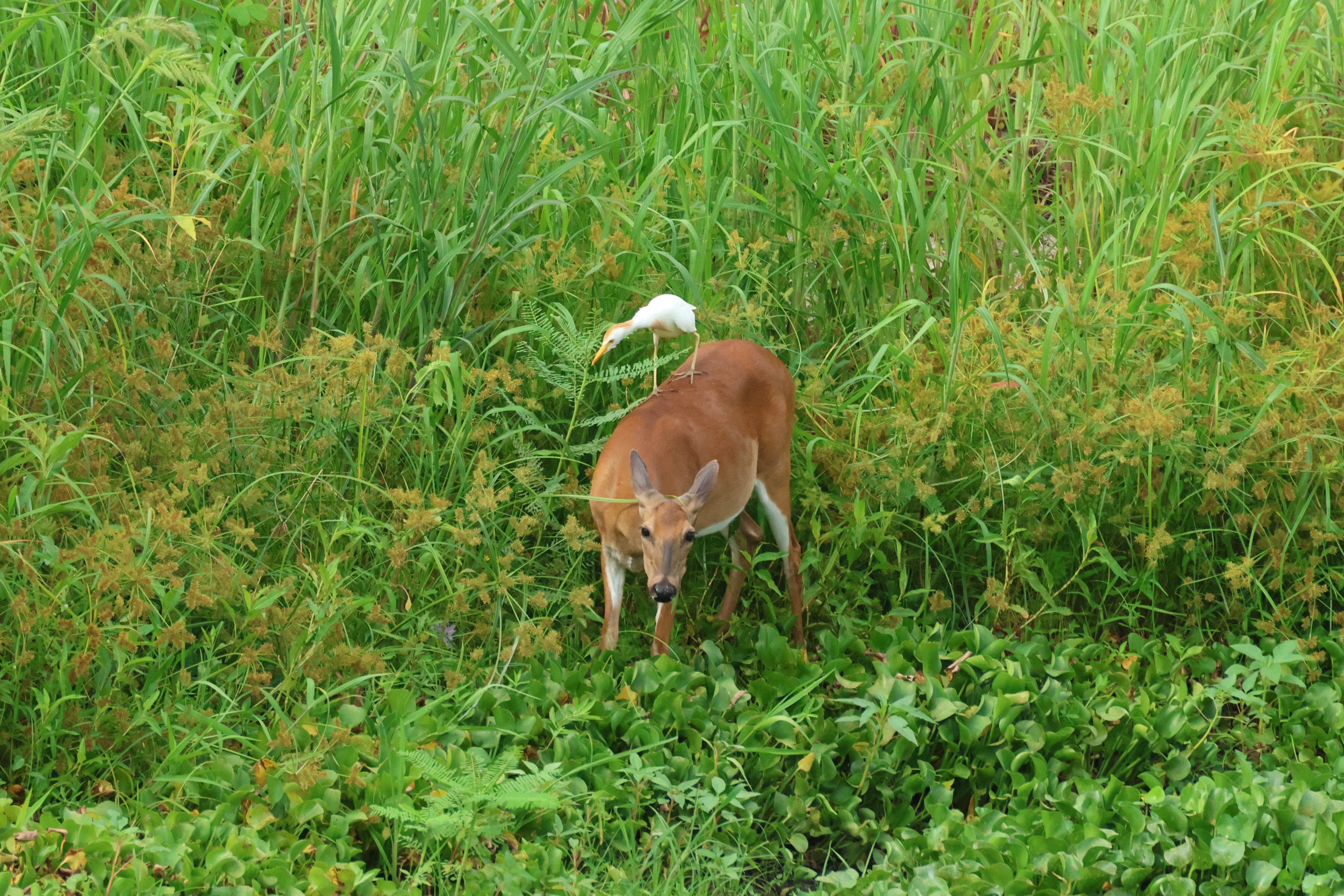
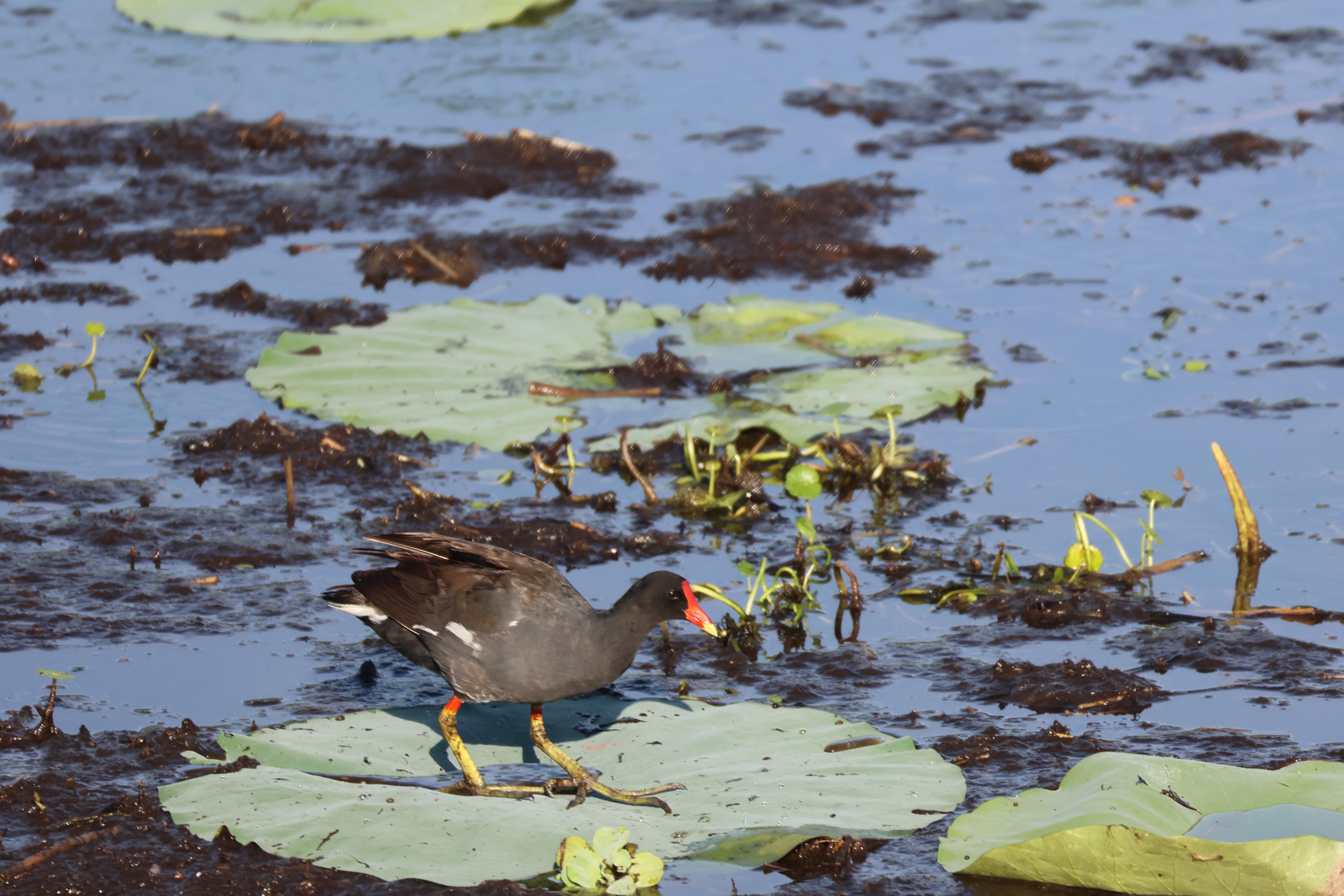
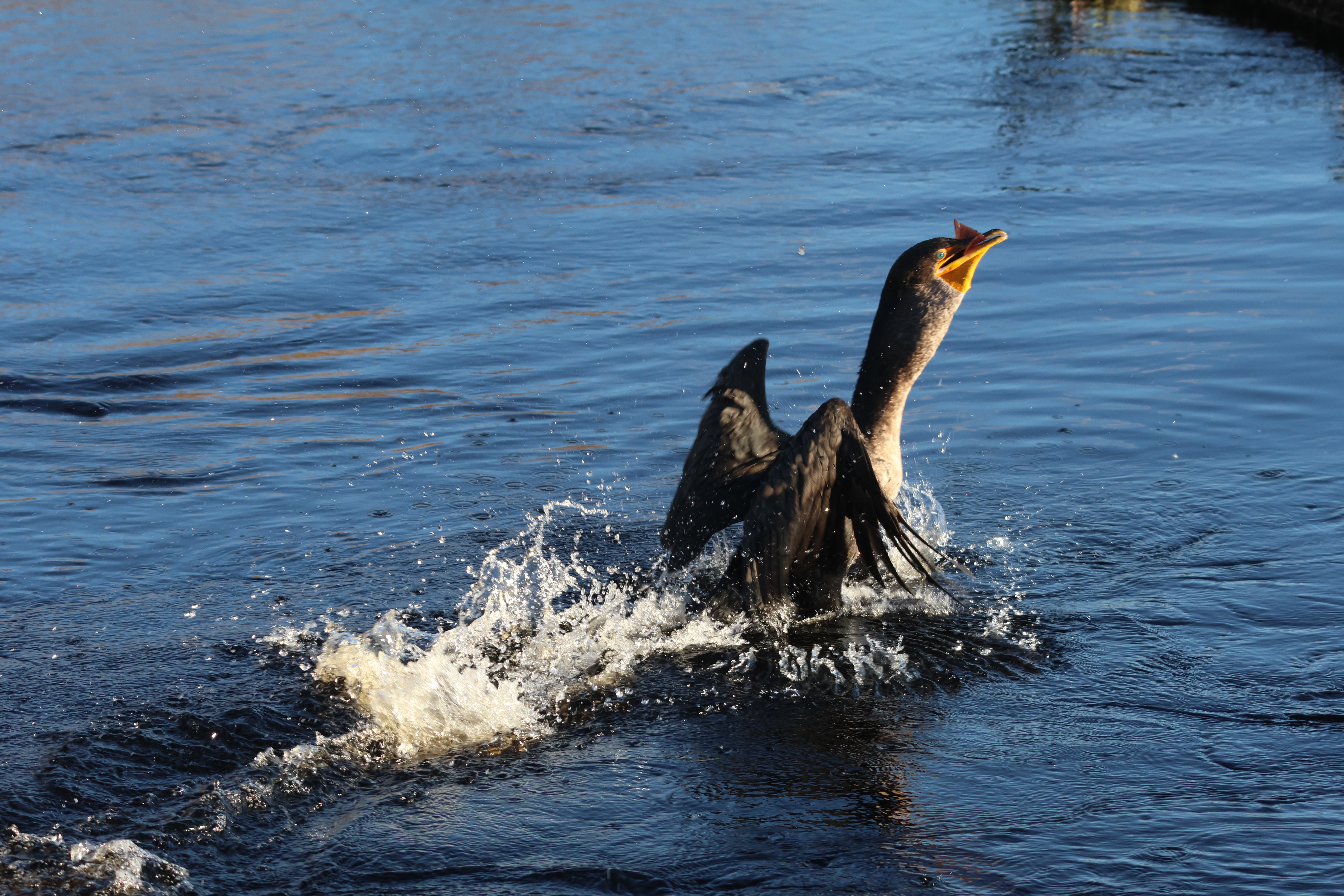
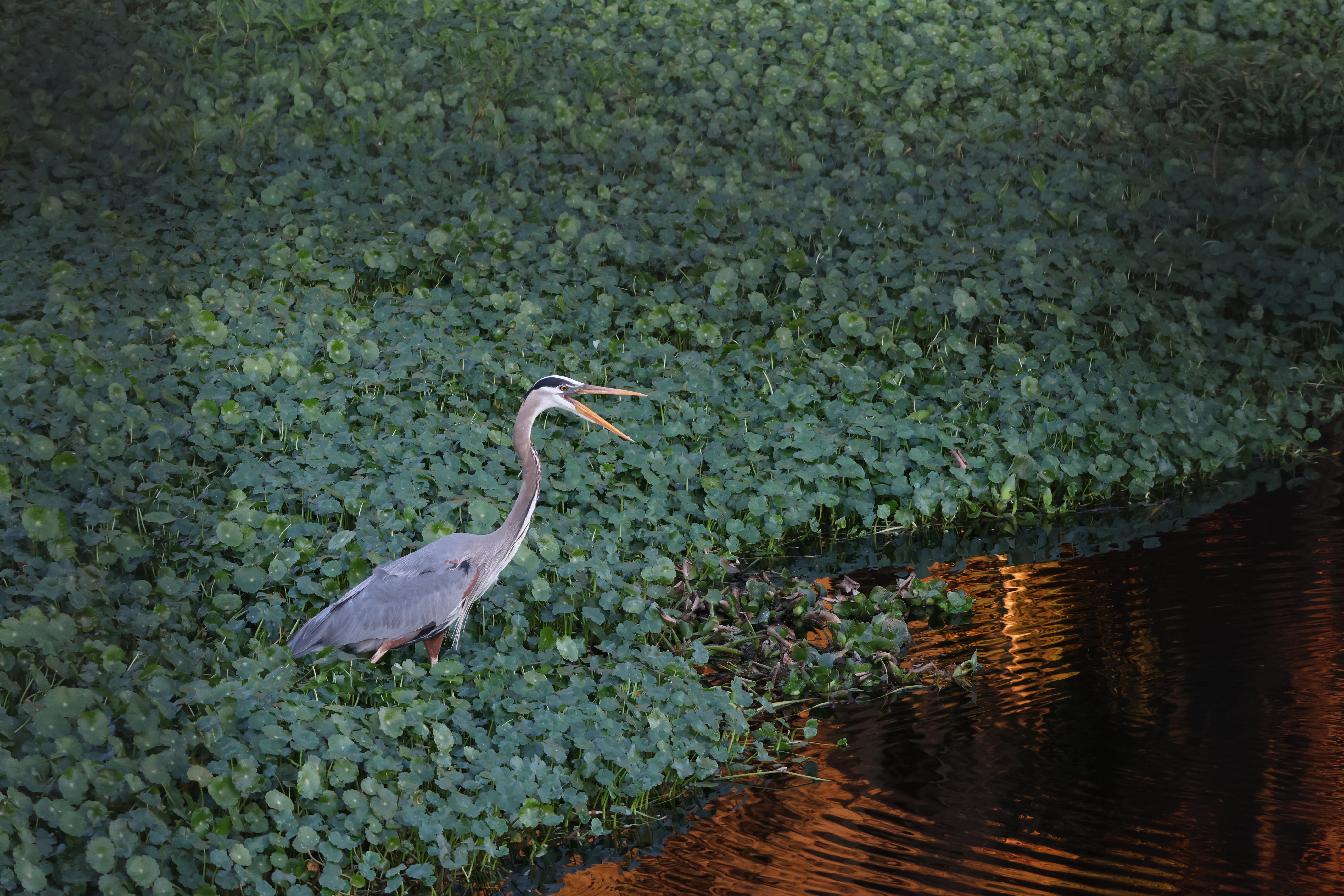


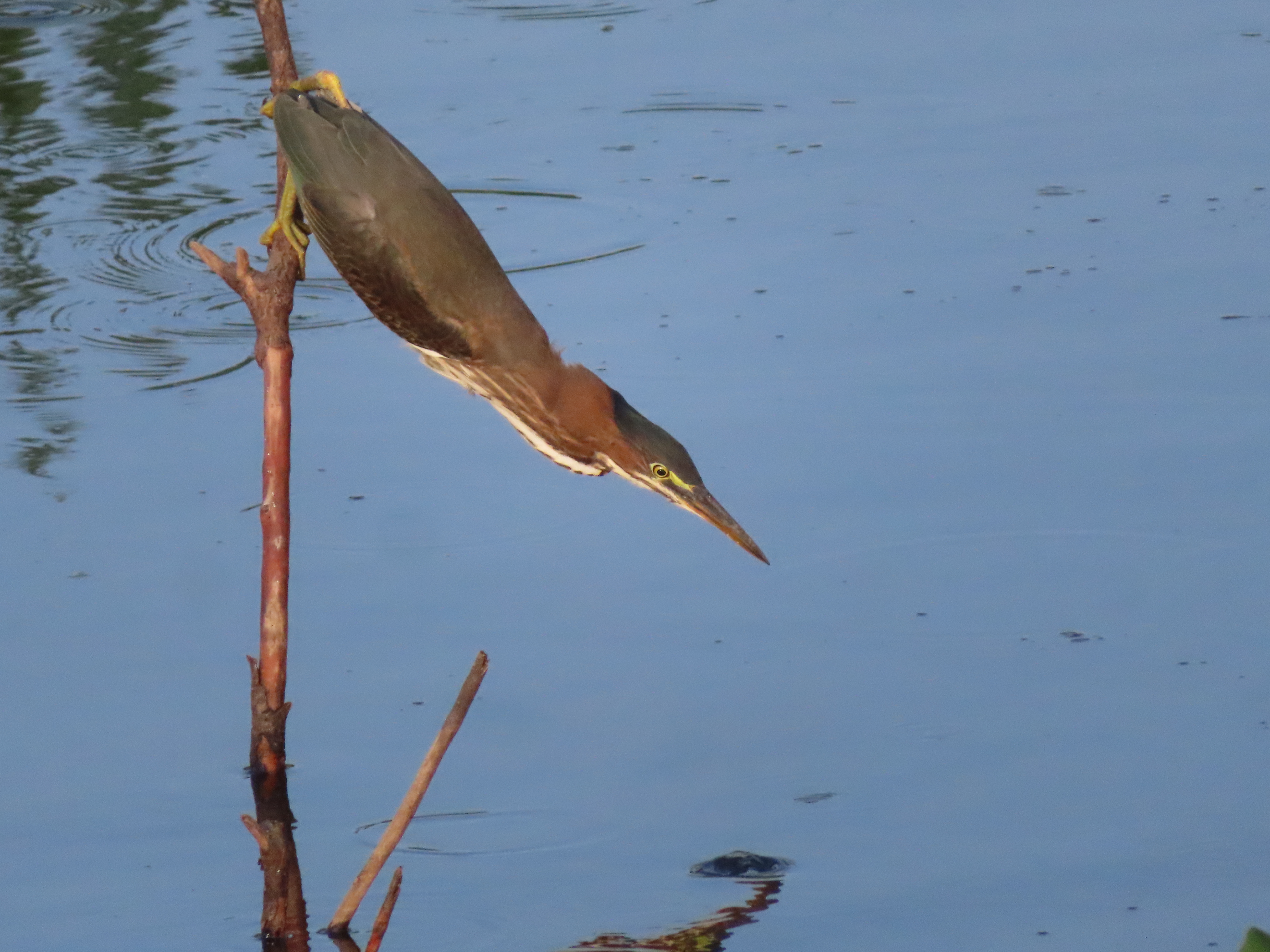


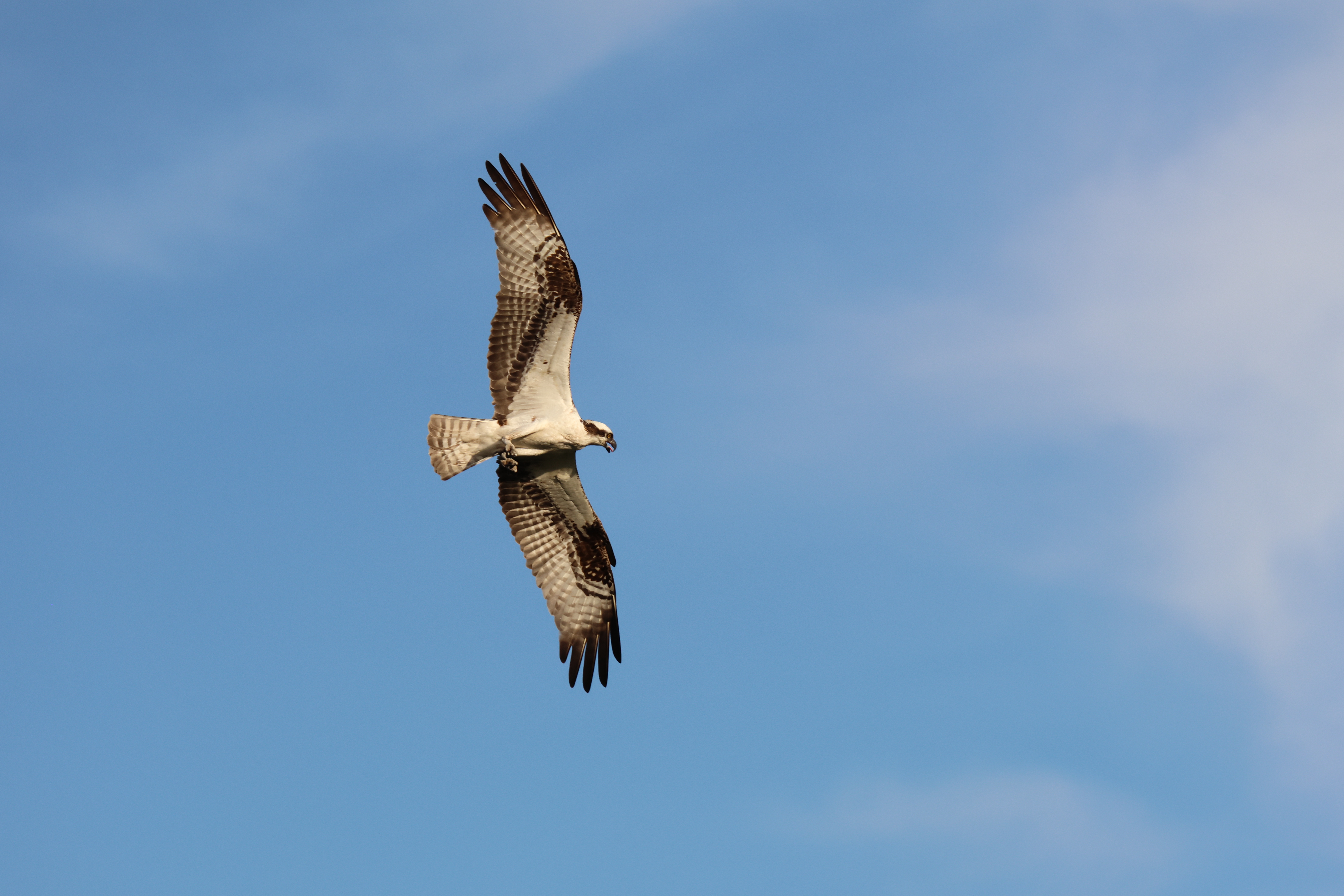
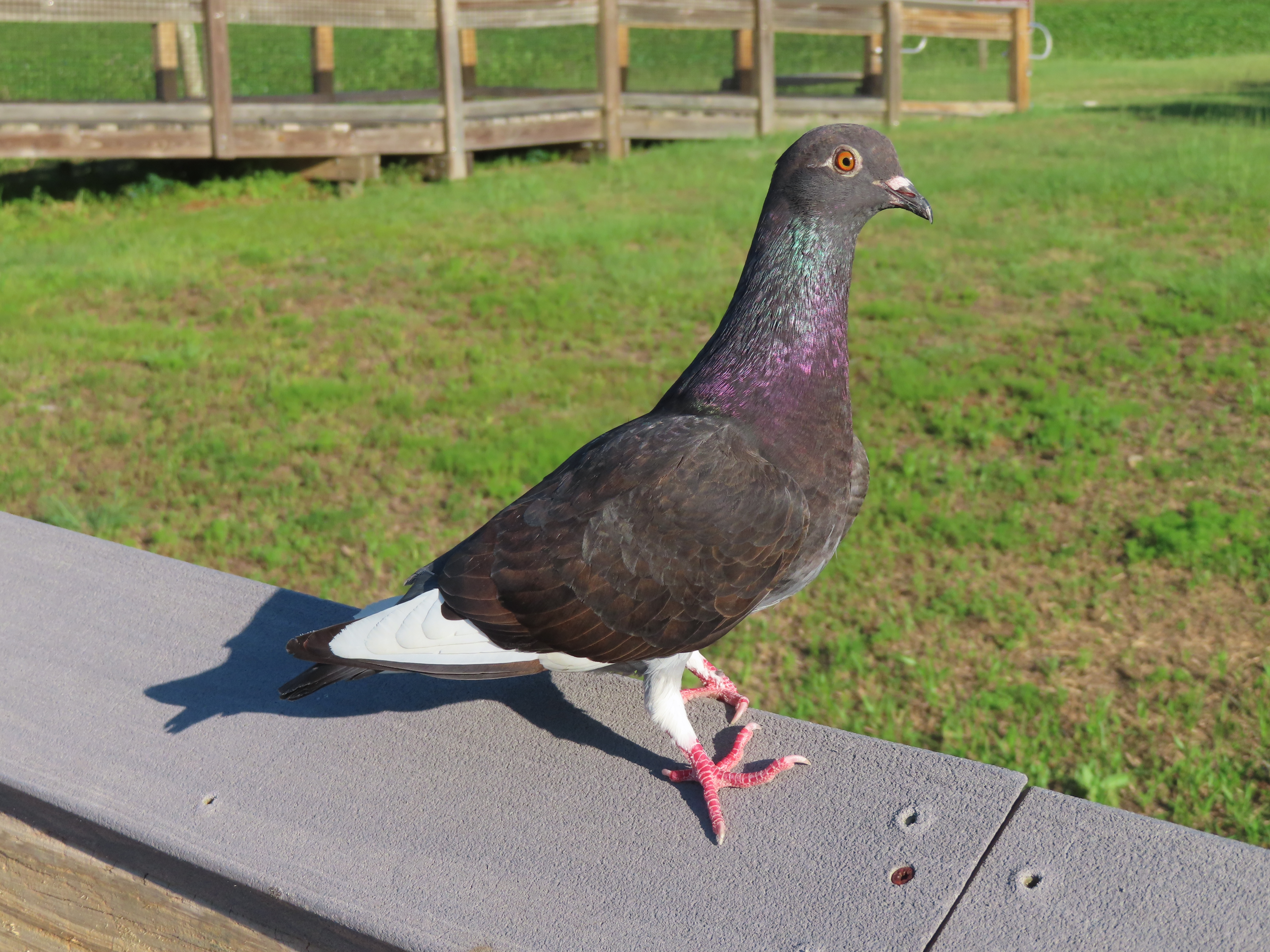


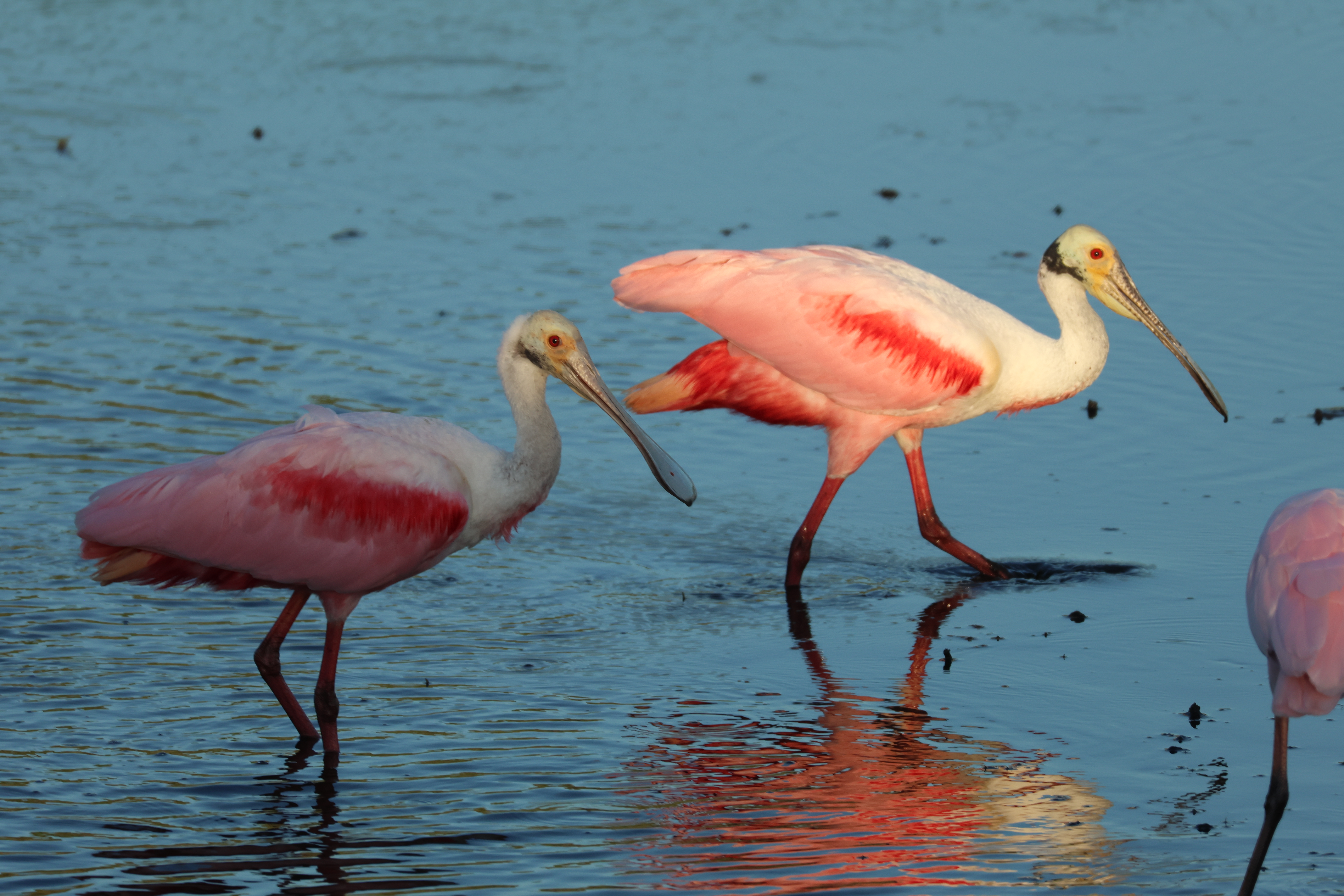
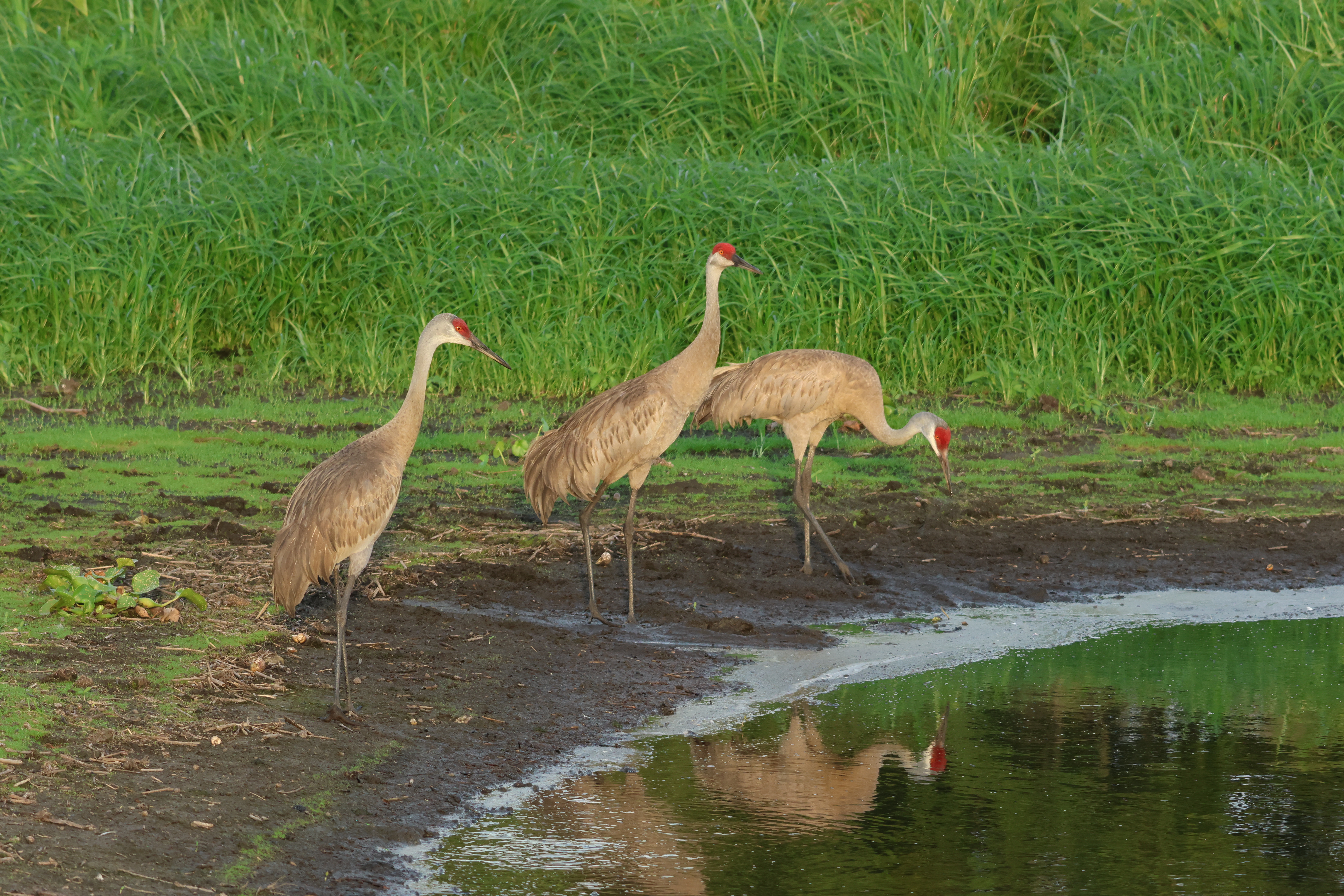


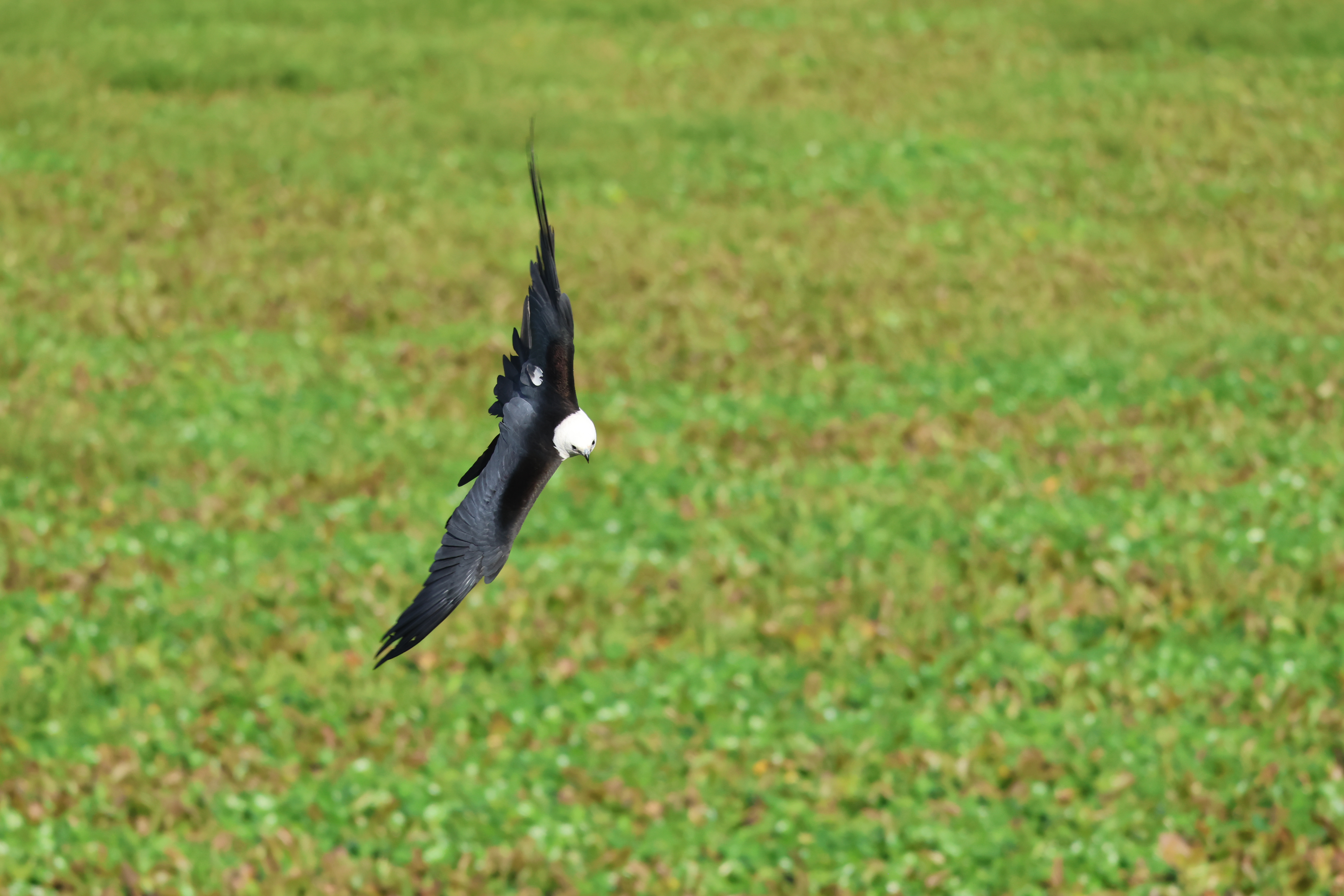


Brids observed at La Chua trail. Click photos to enlarge and open gallery view.
In conclusion, what makes La Chua trail special is the diversity of ecosystems, the unique geological feature that is Alachua sink, the abundant wildlife, particularly alligators, and the opportunity to see spectacular natural history phenomena. The landscape changes greatly from season to season and day to day. All seasons offer great wildlife viewing, but for different reasons. Chilly but sunny winter days offer the best opportunity to see large alligators basking on or directly adjacent to the trail. Late spring, when the prairie is at its driest, offers the best opportunity to see the largest congregations of alligators lining the banks. So, if you are ever in the Gainesville area, a visit to La Chua trail in Paynes Prairie Preserve State Park is a must.
 Reason and Nature
One thought on “La Chua Trail”