Before moving to Florida, I wasn’t aware of how distinct the wet and dry seasons were here, and the profound effect this has on the landscape and wildlife. The wet season is summer, and the dry season is the rest of the year. It still rains in the dry season, but substantially less than in the summer. The driest period of the year is late May and early June, when temperatures are high but the summer rains have not yet returned.
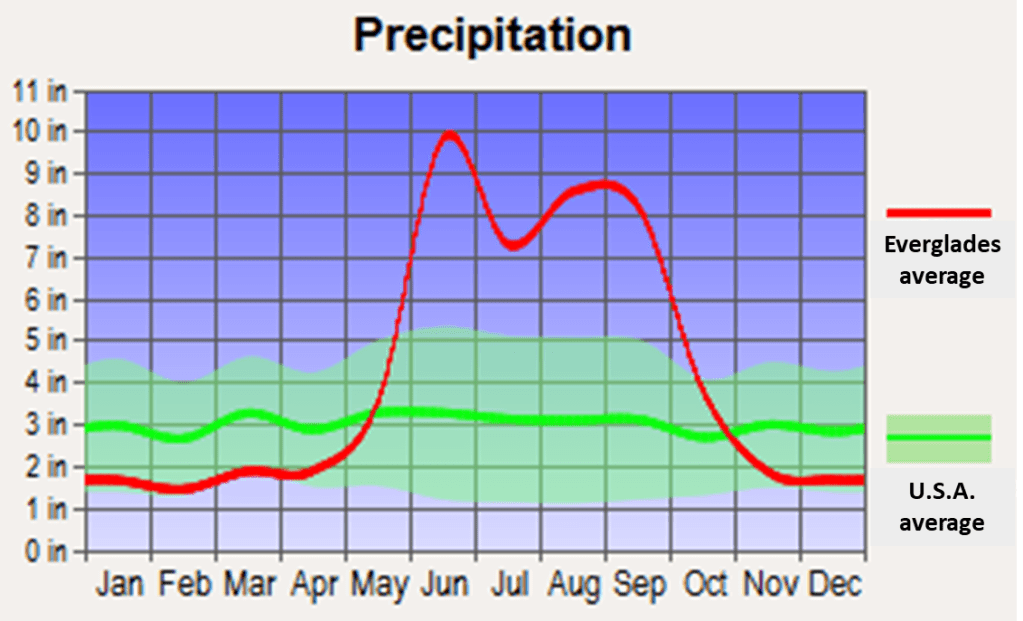
The inaugural post of this blog (Water snakes galore in the Everglades) describes a congregation of watersnakes that occurred at the peak of the dry season in the Florida Everglades, South Florida’s vast wetland. I followed this up, with a post describing another dry season observation in the Everglades (A five foot alligator feeding on…..one inch poeciliid fishes?). Wildlife observations made during the dry season in the Florida Everglades were a large inspiration for starting this blog. Three years later, while living in the city of Gainesville in north central Florida, I posted about a natural fish-die off that occurred at the peak of the dry season and the incredible wildlife viewing that resulted. Where this occurred, Paynes Prairie, is essentially a miniature version of the Everglades.
I think several factors make the dry season great for wildlife viewing in Florida. First, as wetland waters recede animals that rely on water (fish, alligators, wading birds) are forced into smaller and smaller areas. In essence, they become concentrated in the little remaining water. Second, aquatic insects and fish, which are near the base of the food chain, become much easier to capture for all the predators which eat these species. Finally, warm temperatures associated with late spring ensure that animals are very active.
Last weekend, I made a trip to the Everglades and neighboring Big Cypress National Preserve as I wanted to once again visit this ecosystem at the peak of the dry season. What follows is a report on this trip.
I started out by biking the 15-mile Shark Valley Trail in the heart of the Everglades. A shallow ditch runs along either side of this paved trail and this ditch retains water when the rest of the landscape is dry. As a result, fish, alligators, turtles, birds, insects, and other wildlife congregate on either side of the trail. A few alligators were even poking their heads out from culverts that passed underneath the trail. The trail culminates in an observation tower giving expansive views over the Everglades ‘sea of grass’.
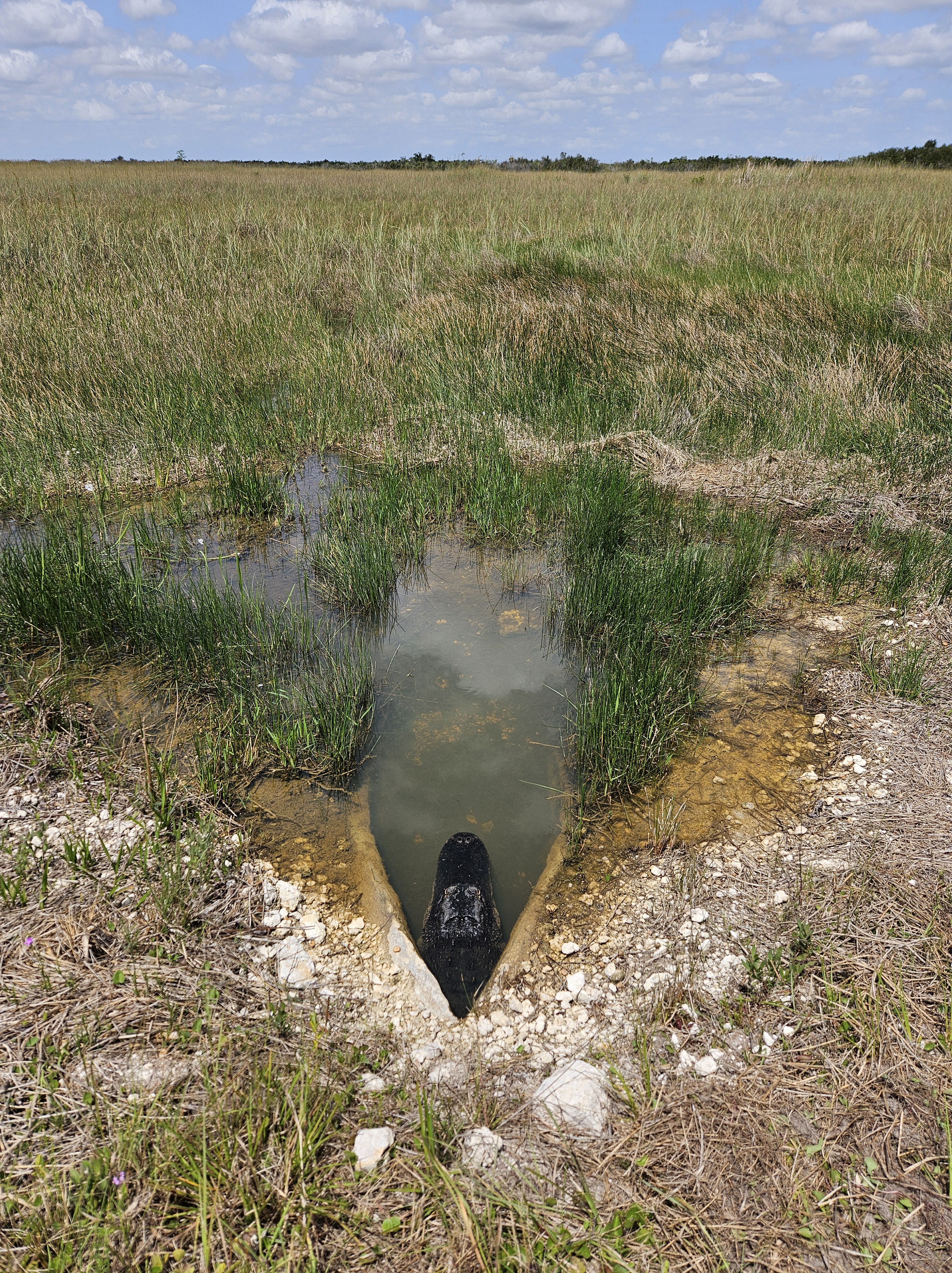


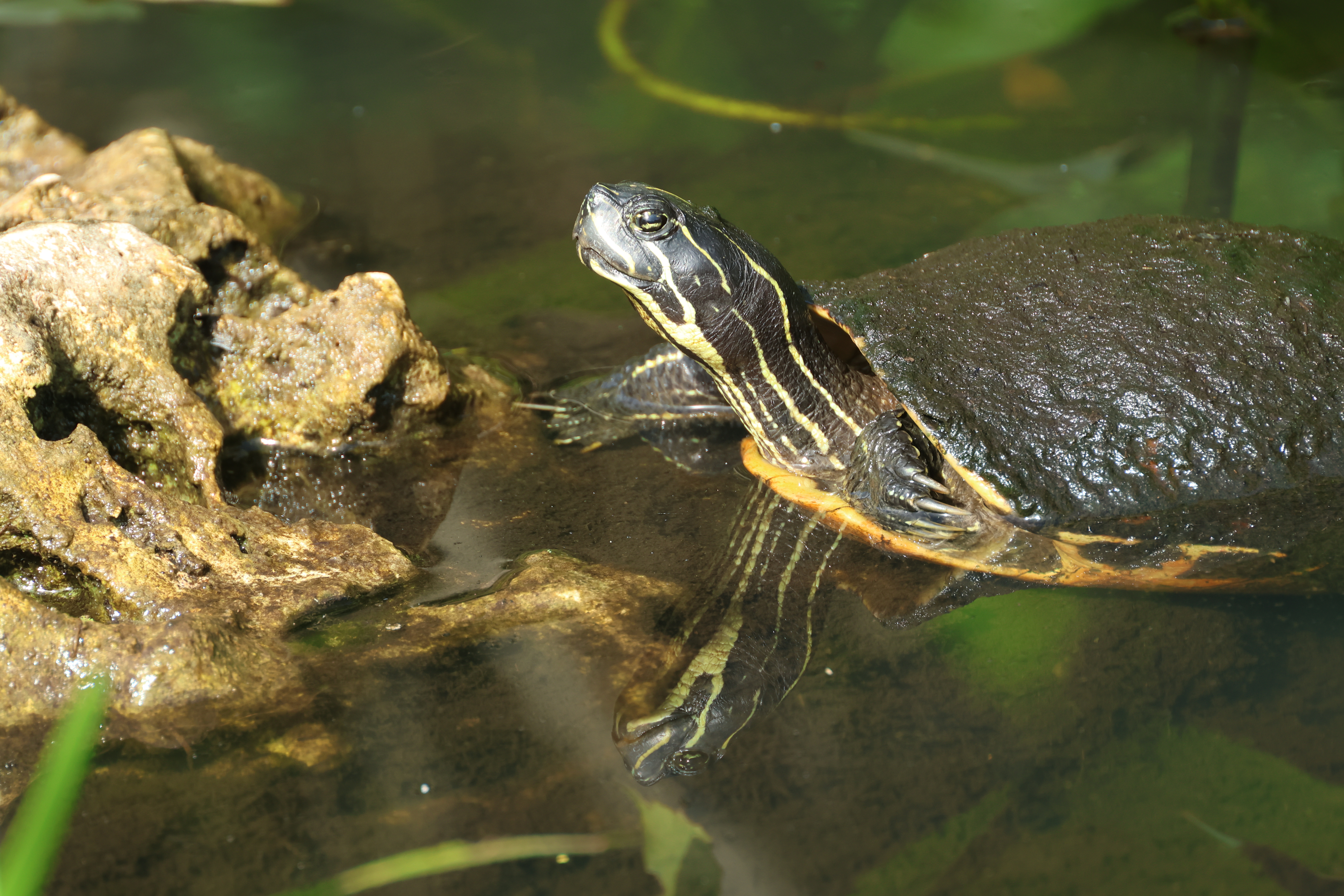
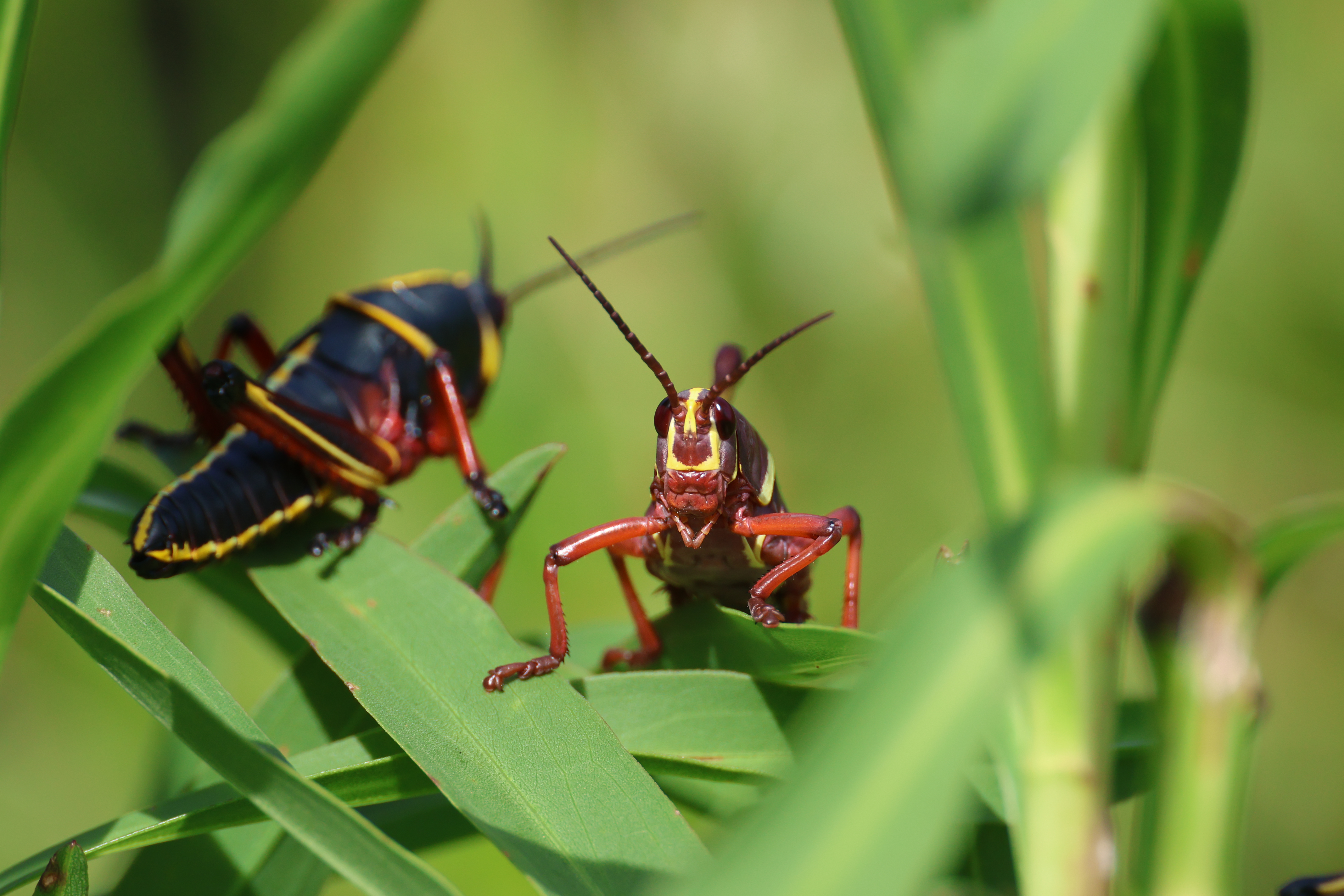


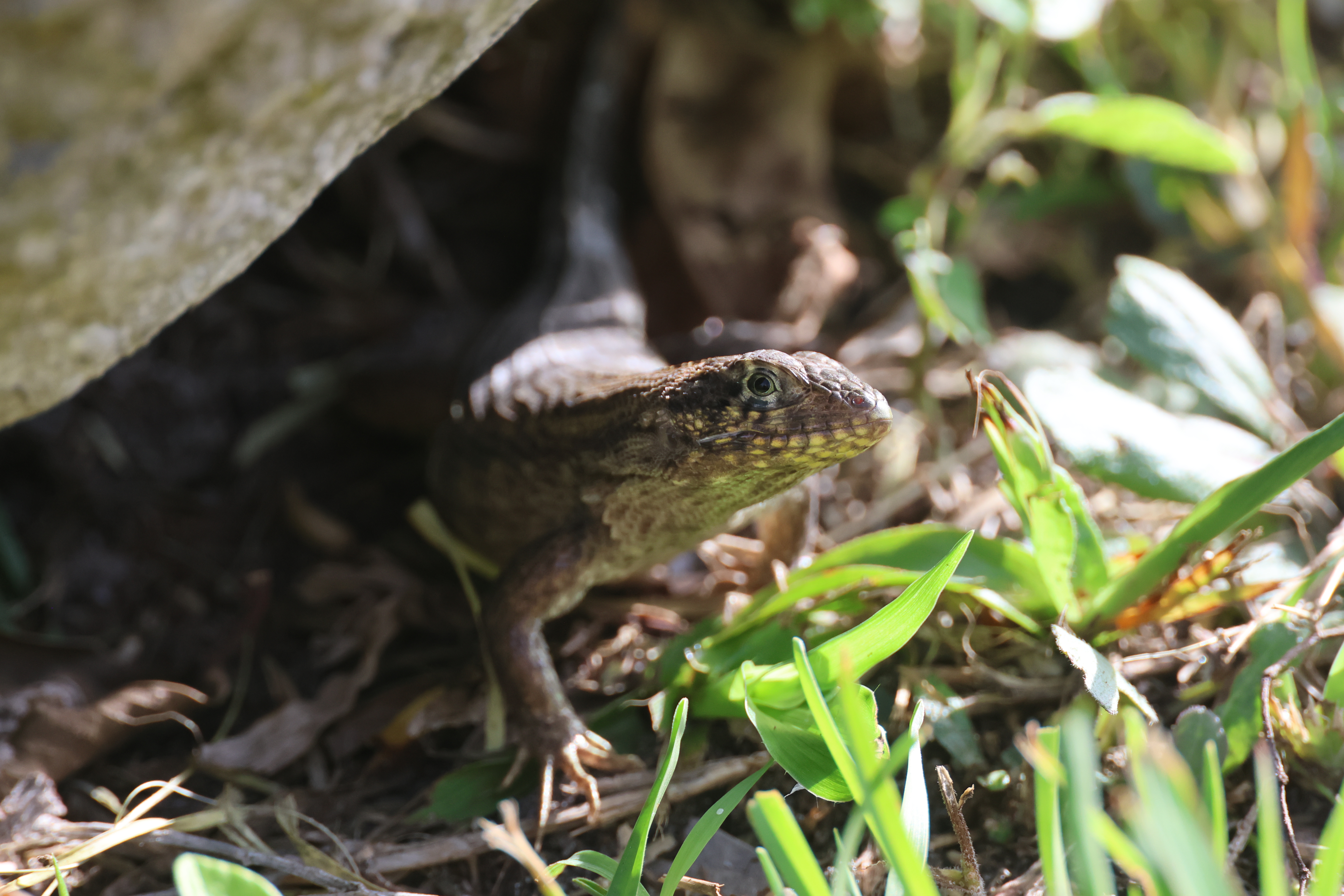


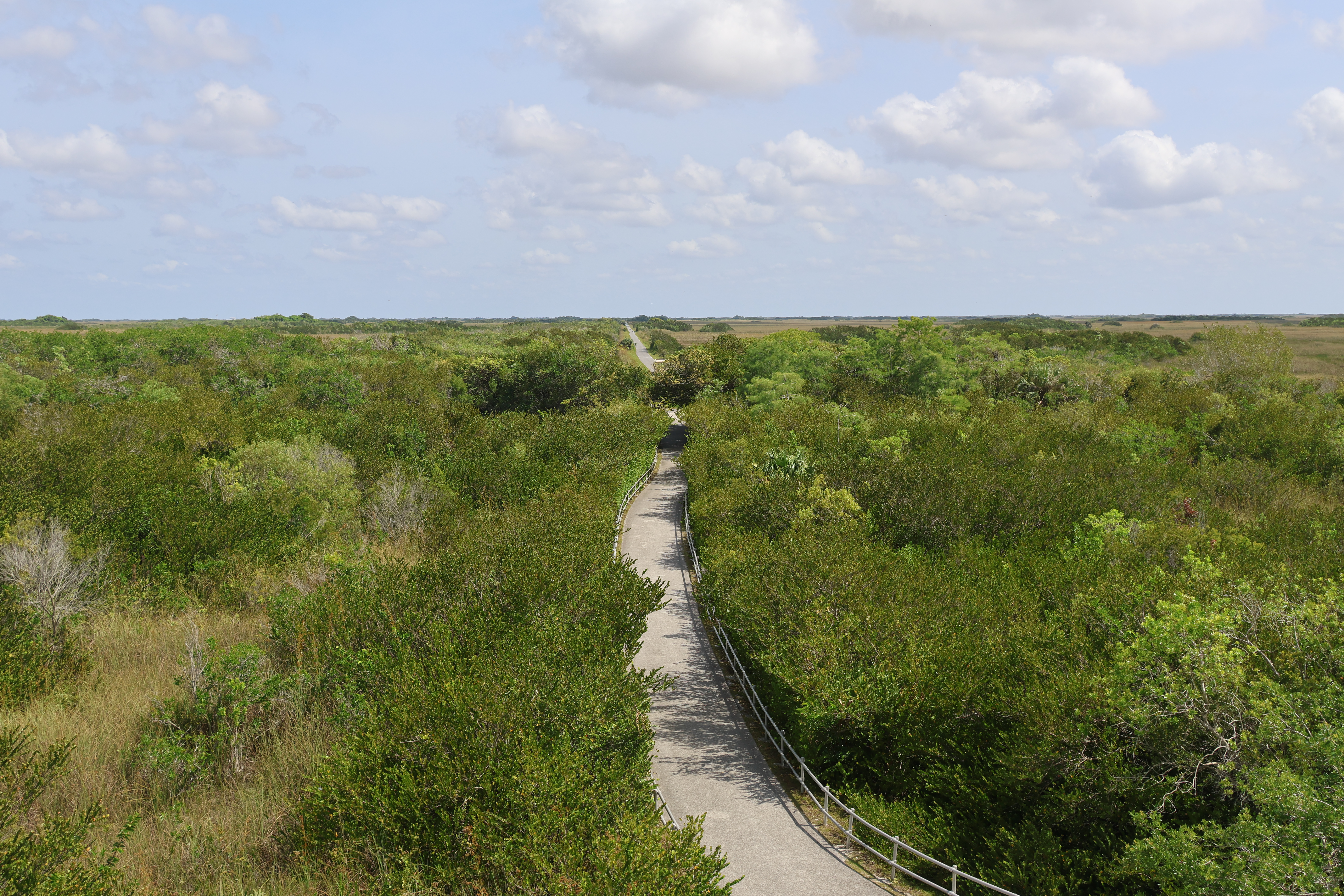
Photos taken from the Shark Valley Trail in Everglades National Park. Click to enlarge and open gallery view.
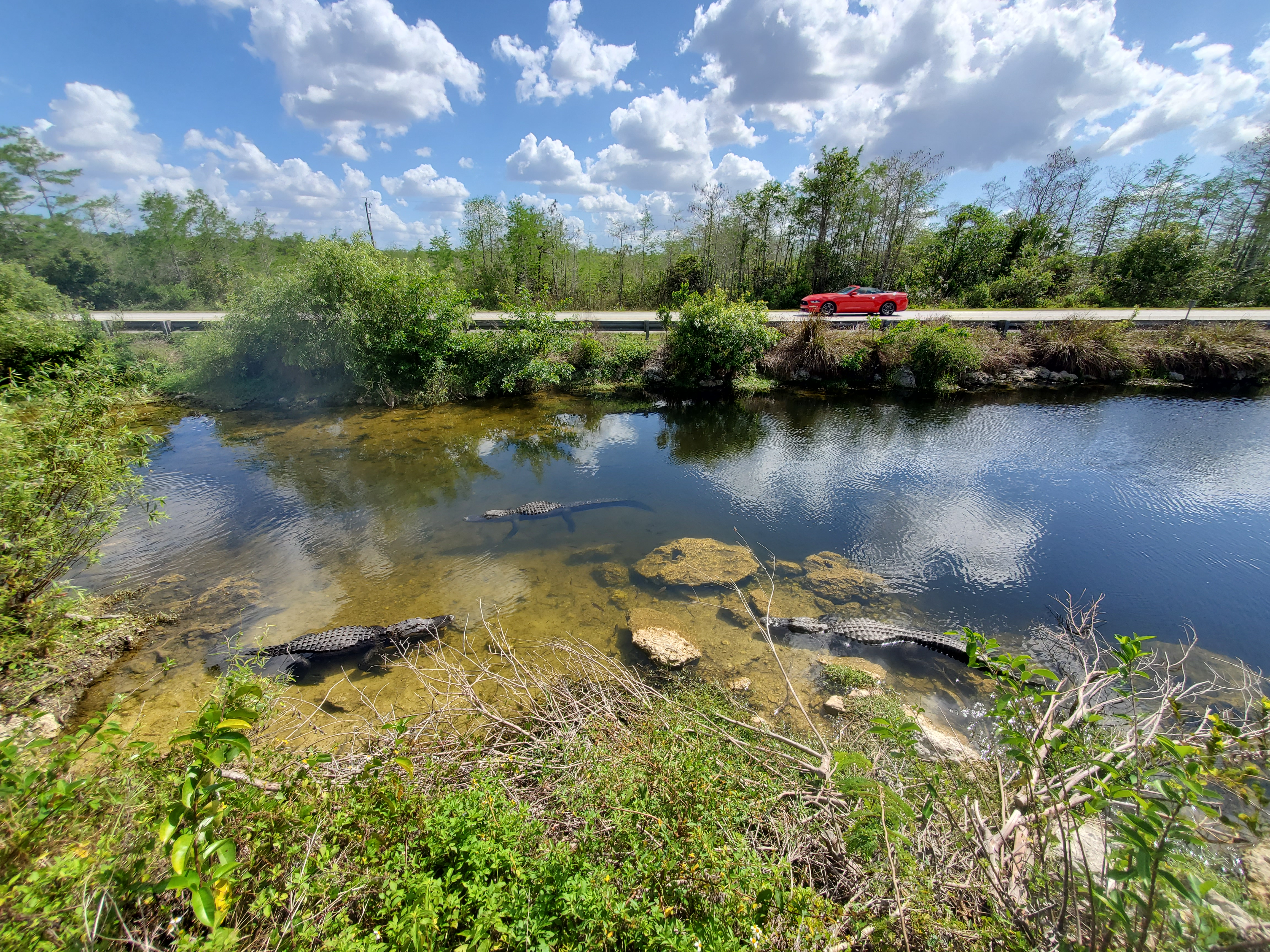
The Everglades is known for fishing. The Tamiami Trail is a highway which bisects the Everglades from east to west. The completion of this highway, in 1928, required constructing a deep canal along the road. This canal prevents the road from flooding but greatly diminishes natural flow and ensures permanent water remains in areas that would naturally dry. This permanent water provides a refuge for introduced fish species which are not as well adapted to the seasonal wet/dry cycles as are native species. It also creates amazing fishing opportunities; during the wet season the surrounding areas are flooded and fish are spread over an expansive landscape, but during the dry season all the fish are concentrated in the artificially constructed canal along the highway. There are numerous places in which you can pull to the side of the road and fish in the canal. This is probably my favorite kind of fishing – you are stalking the bank looking for good spots, you can often see fish in the clear water, and there is lots of other interesting wildlife like alligators, snakes, and turtles in the canal. In some spots you can catch a fish with literally every cast.
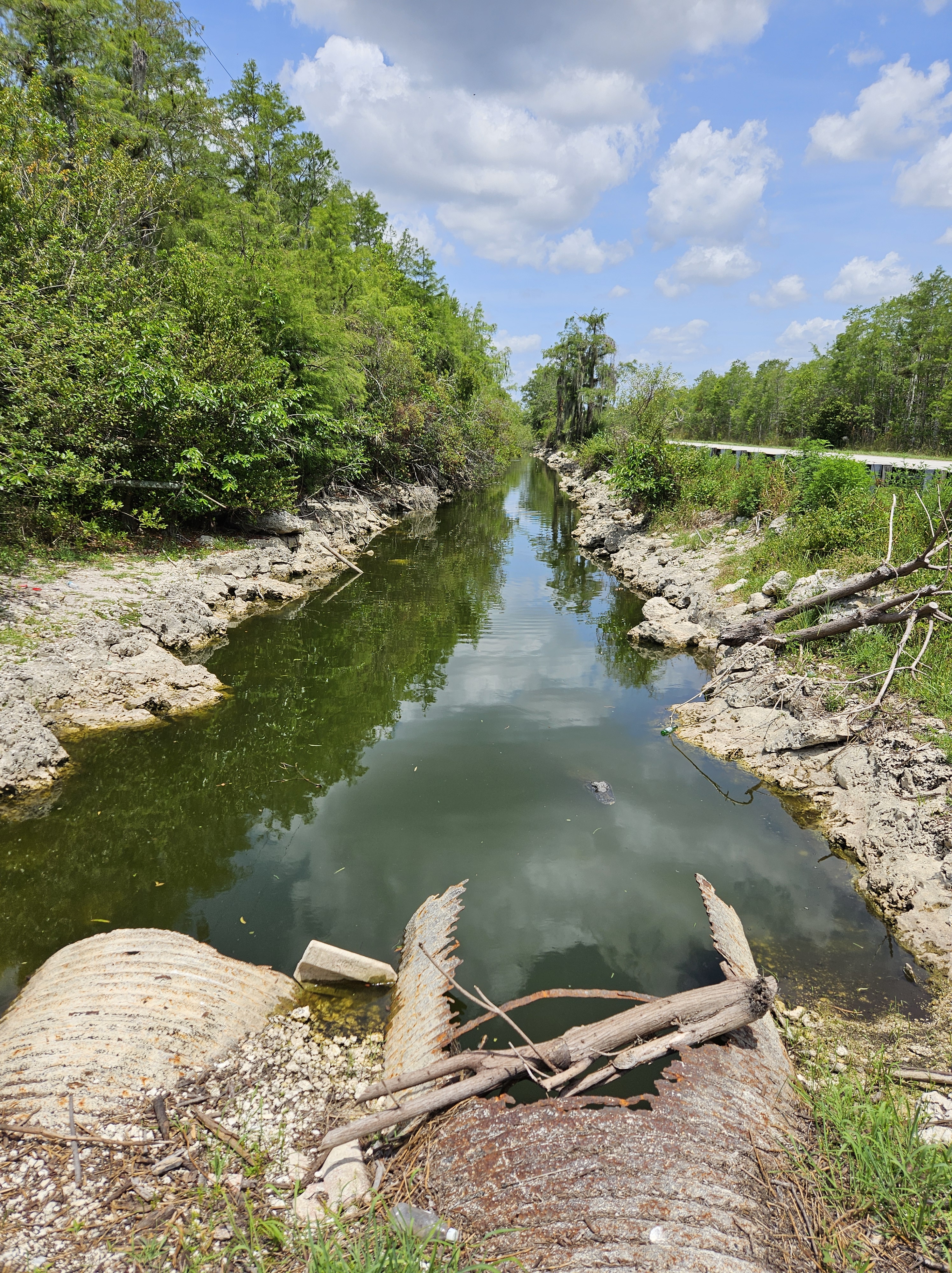


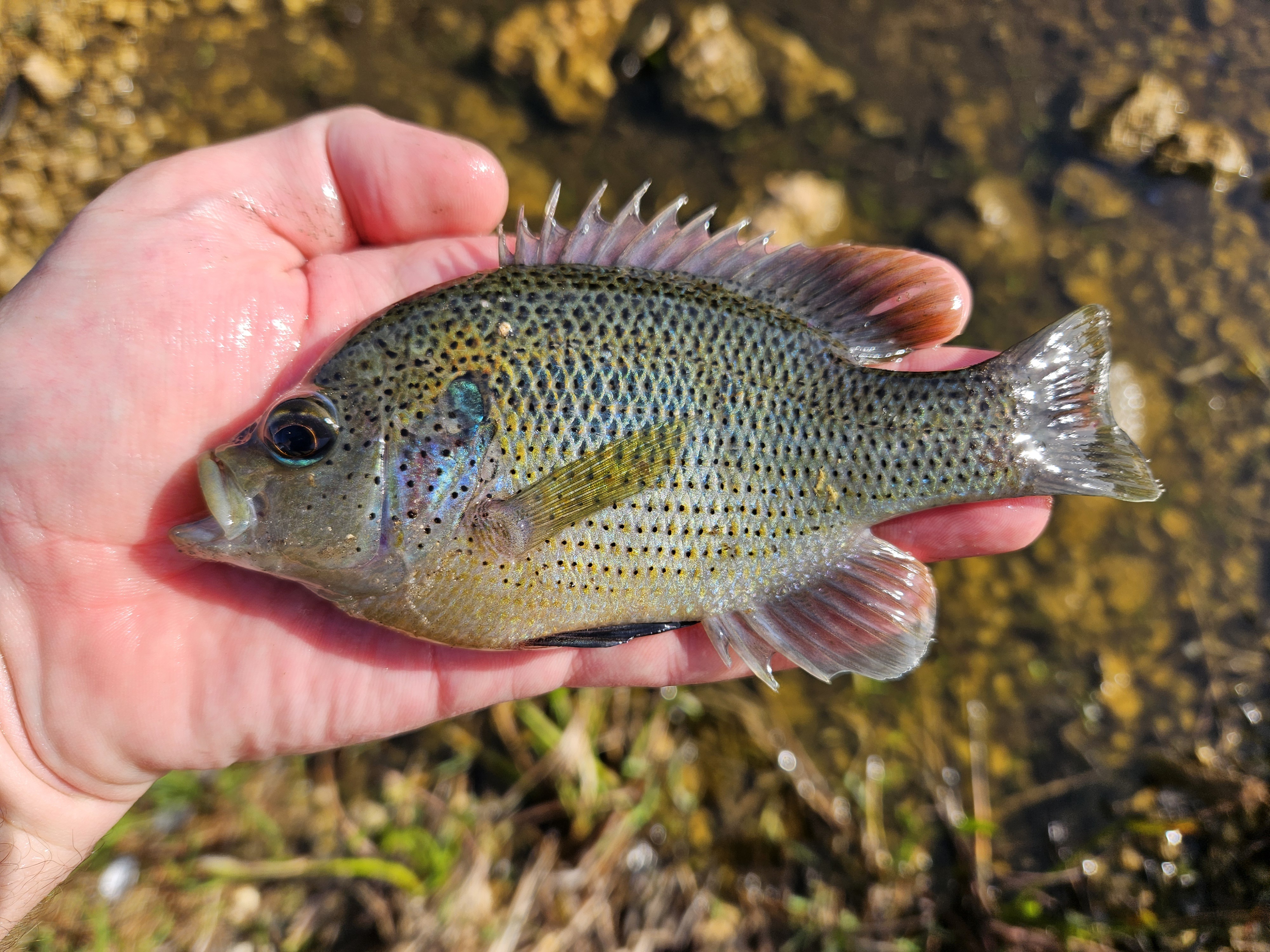

The canal along the Tamiami Trail (highway) contains permanent water even during the peak of the dry season. During this time, fish become concentrated and easier to catch. Click to enlarge and open gallery view.
One unfortunate side effect of having this road bisect the Everglades is the hazard this poses to wildlife.

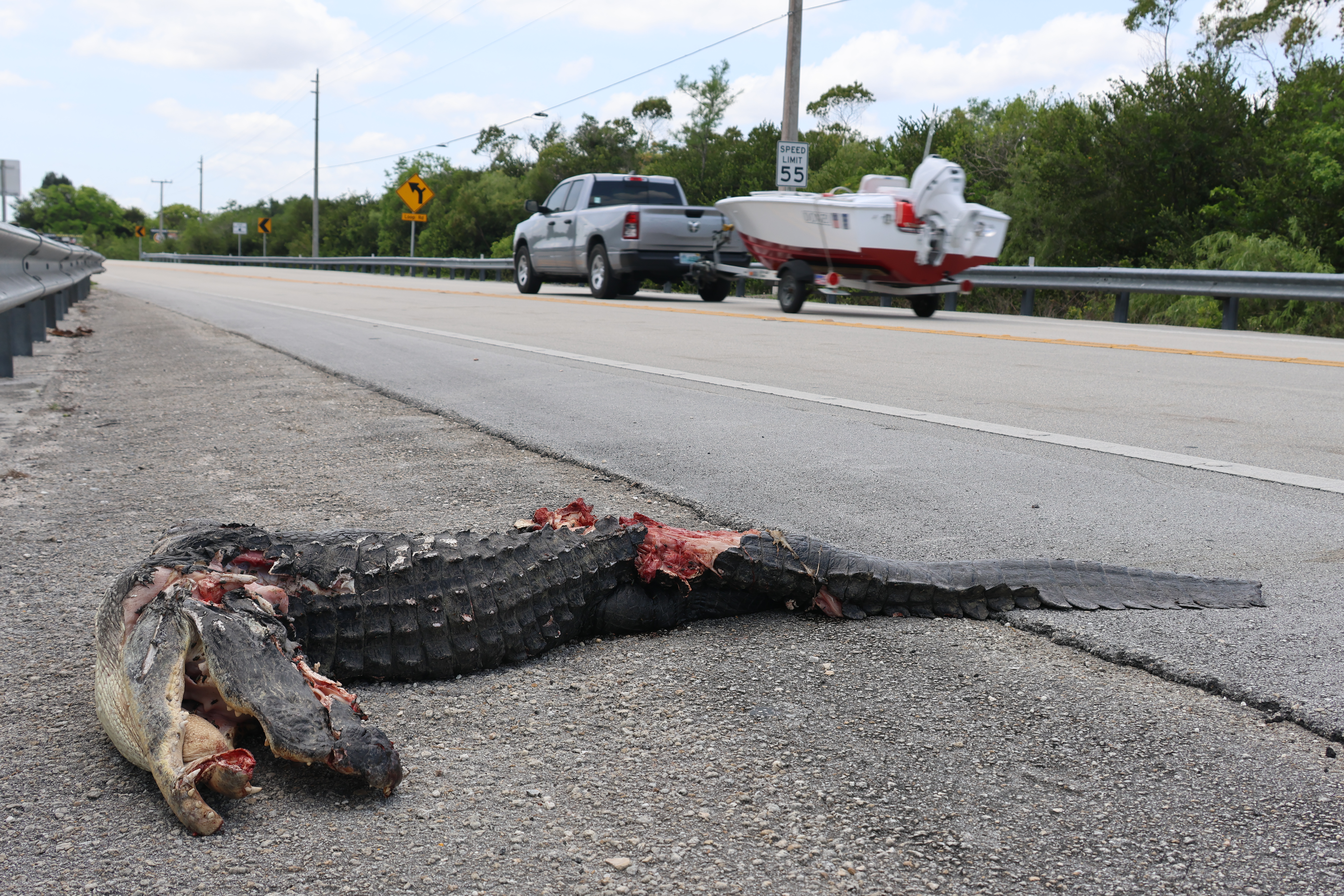
A dead alligator found on the side of the road, clearly run over by a vehicle. This unfortunate situation occurs far too often. Click to enlarge and open gallery view.
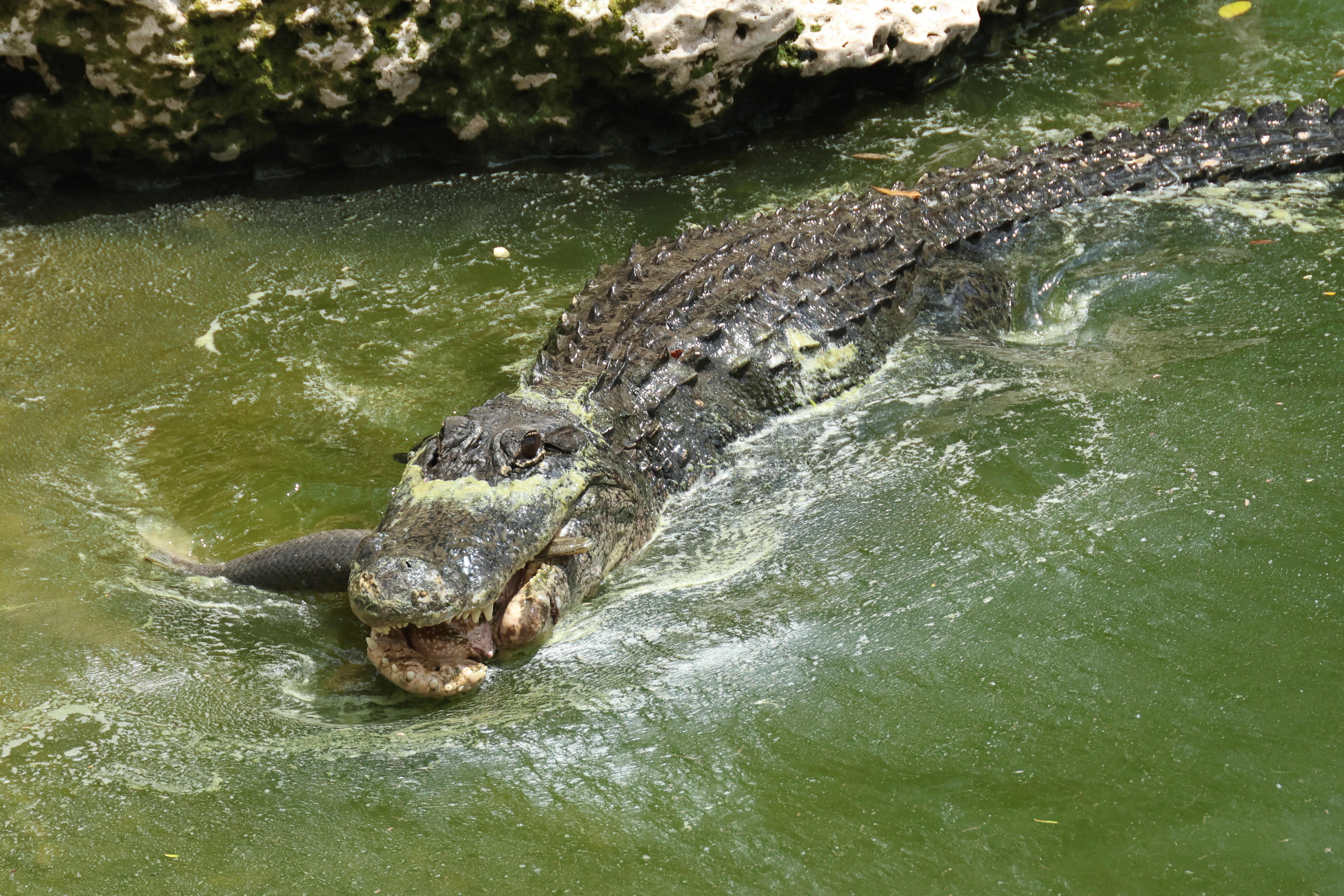
I next visited the Oasis visitor center of Big Cypress National Preserve, which has a small boardwalk overlooking a deep section of canal. This was full of alligators and fish. I have visited this same spot in past trips and recognized one of the alligators by its damaged lower jaw. It was interesting to see that this alligator is still alive and well (and on this particular occasion eating a gar).
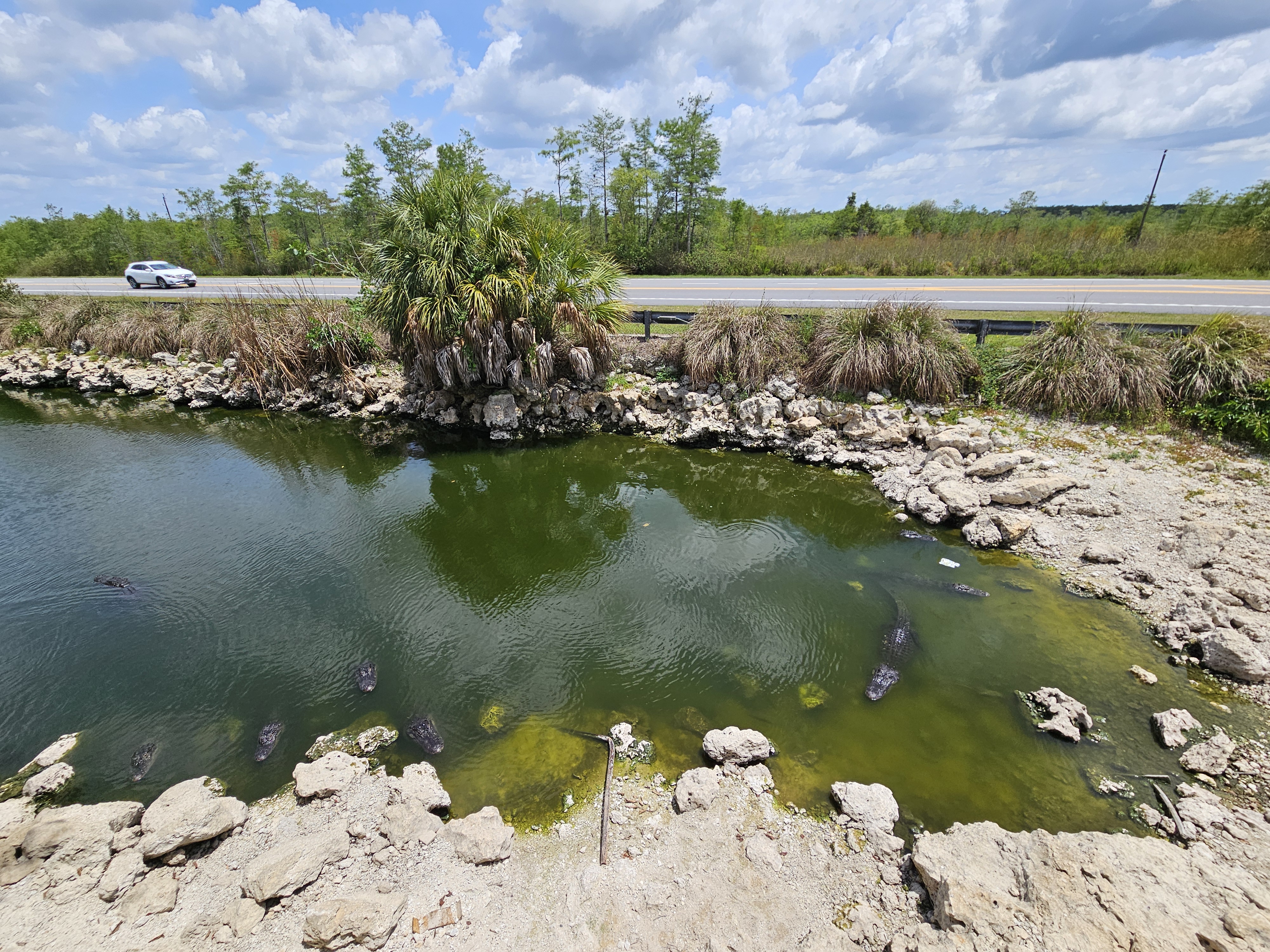
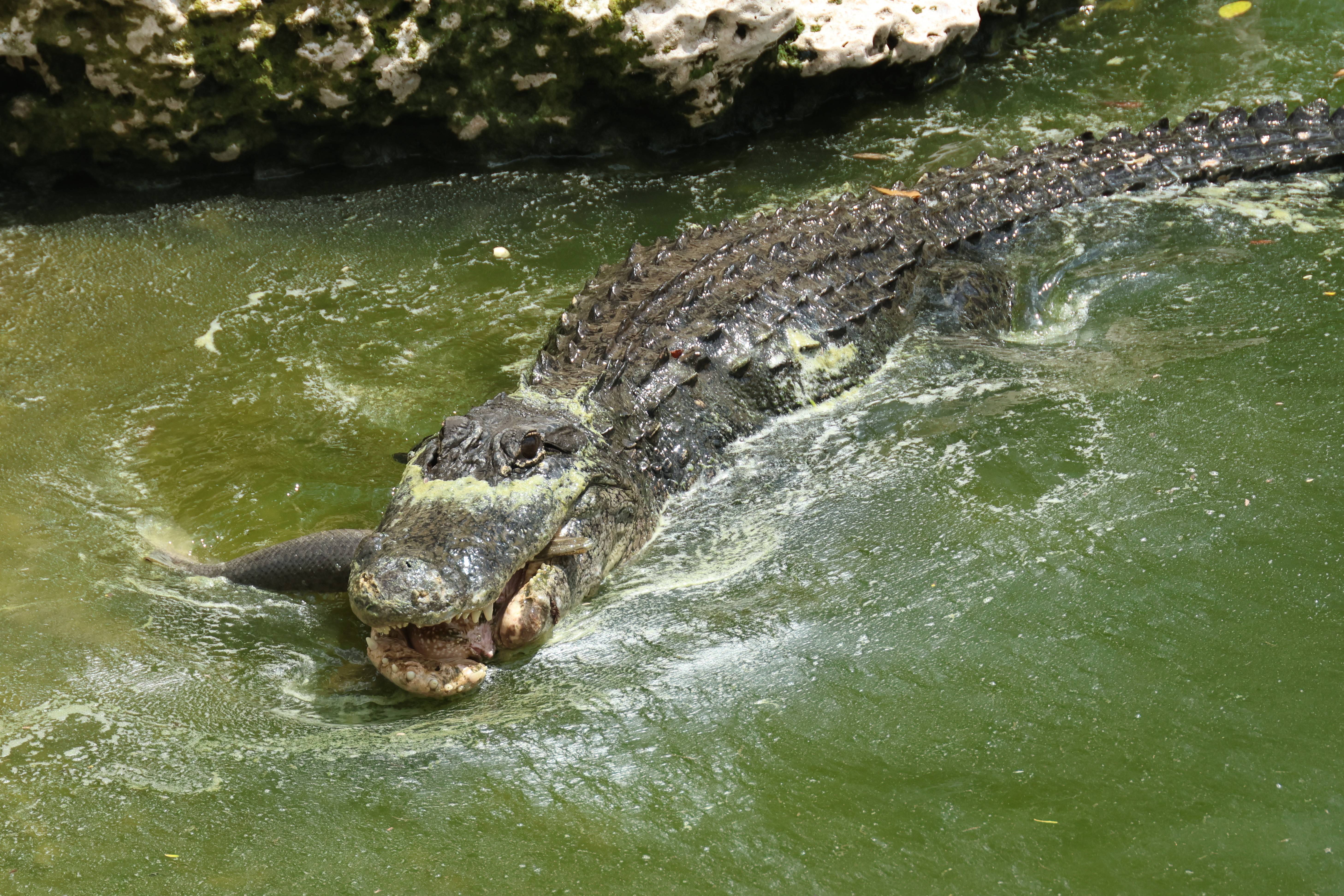

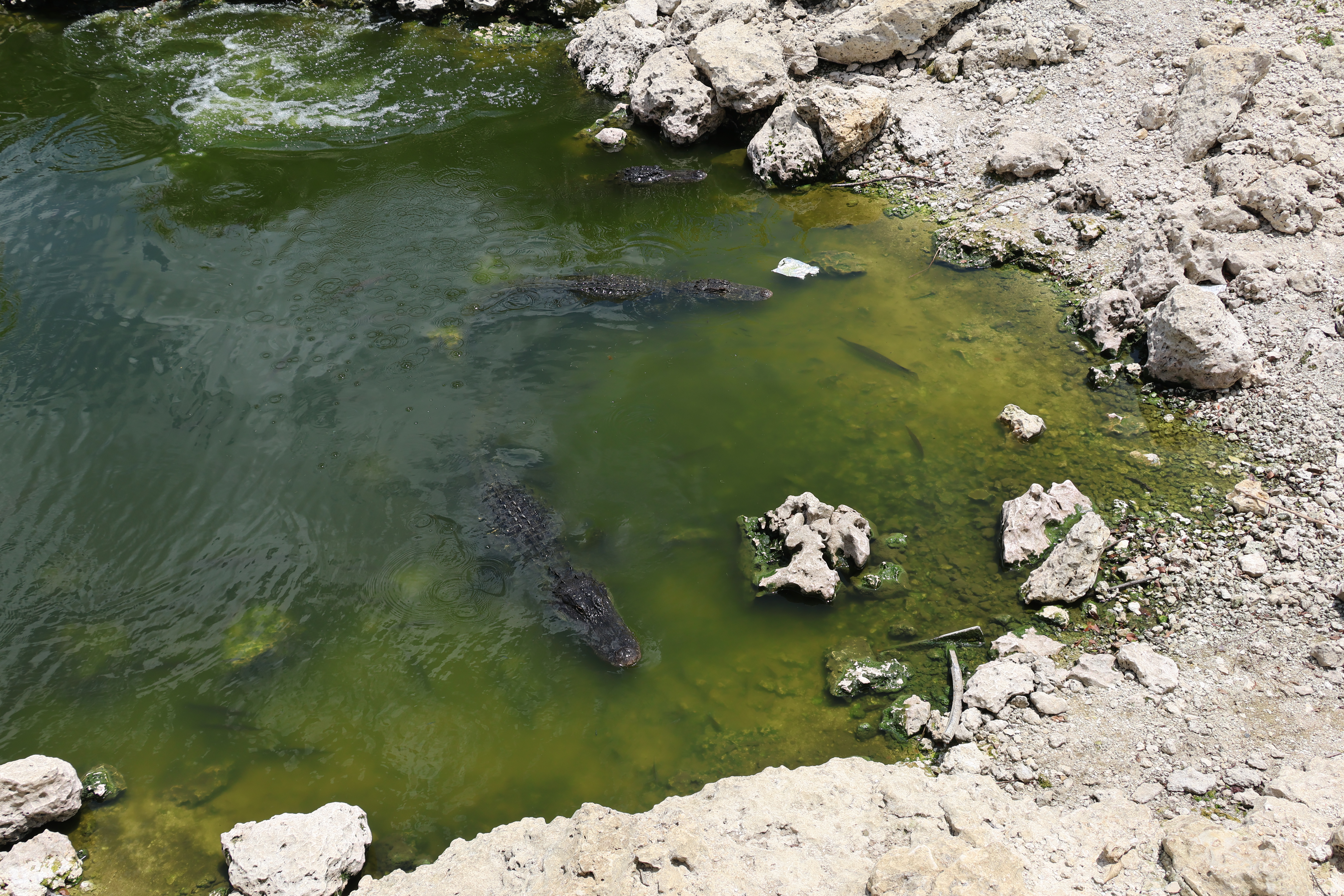

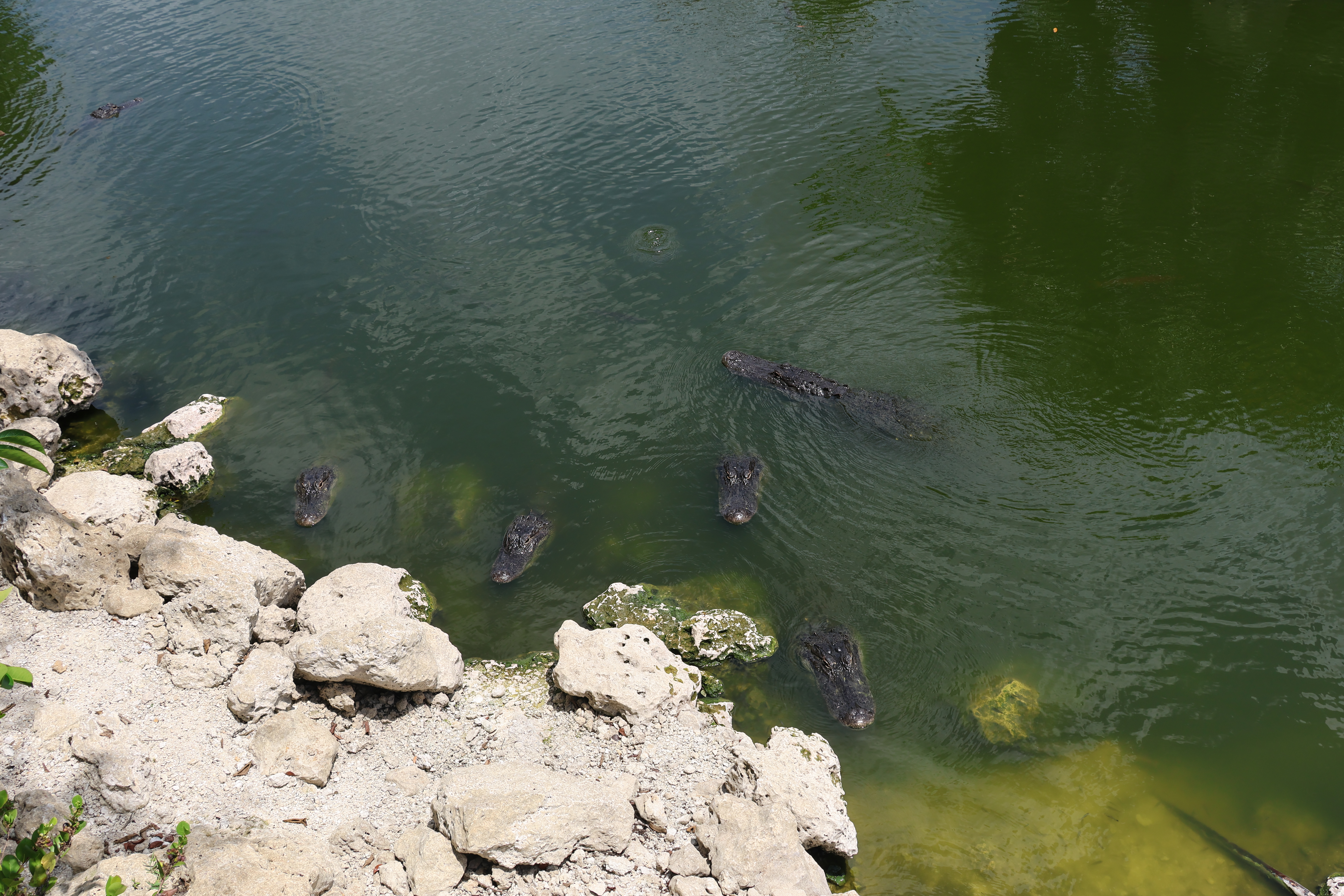

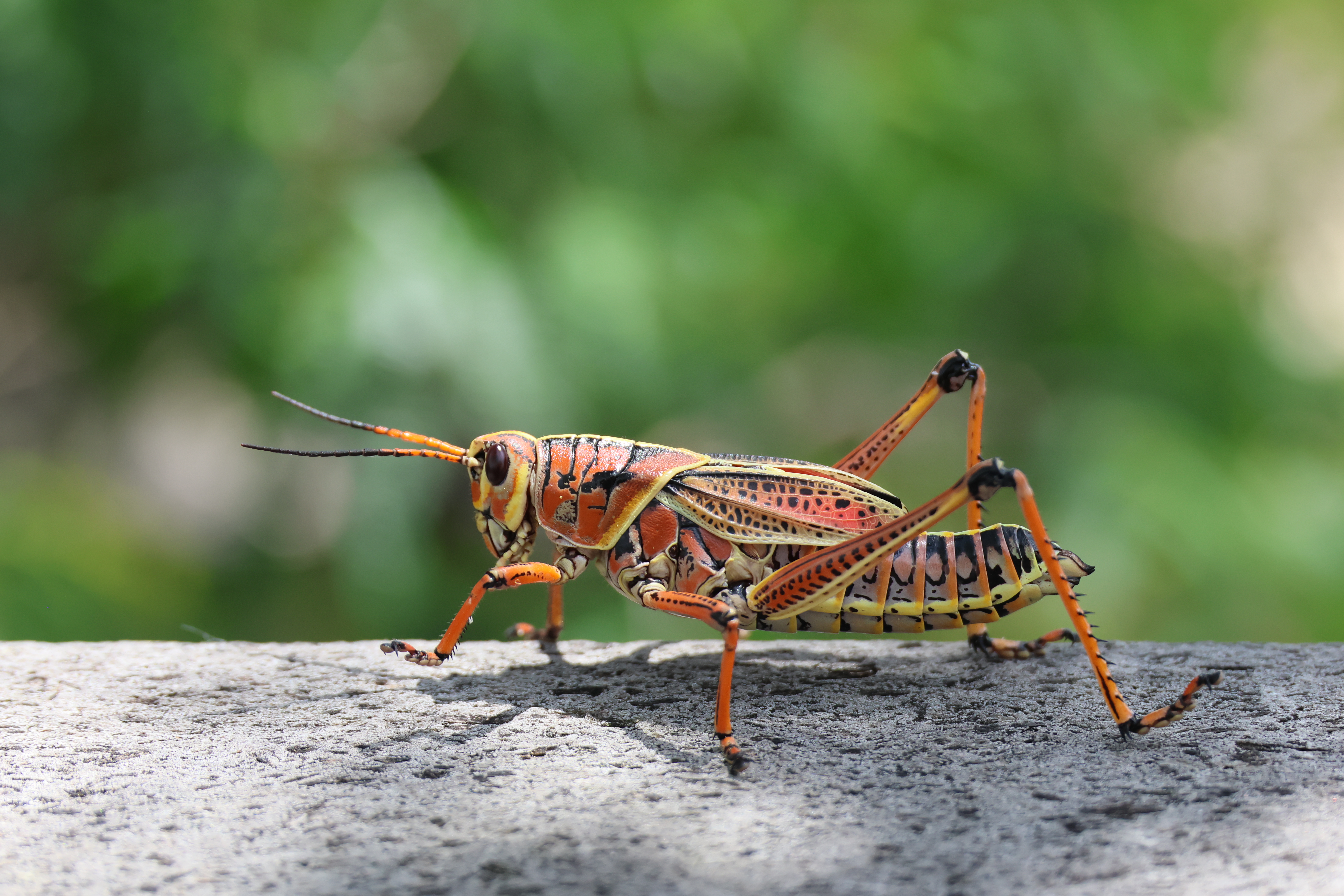
Photos taken from the boardwalk of the Oasis Visitor Center in Big Cypress National Preserve. Click to enlarge and open gallery view.

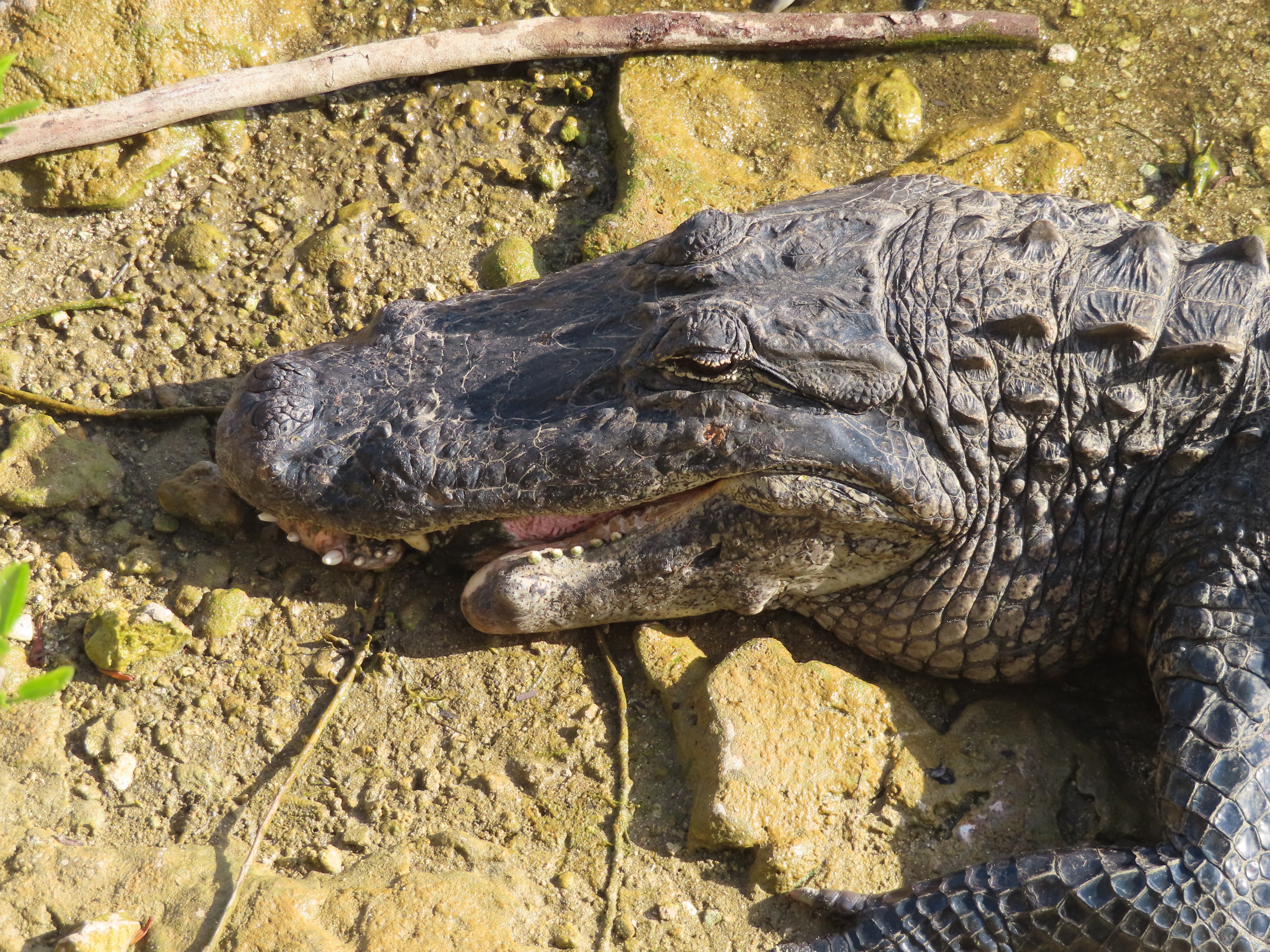
I then visited a place I hadn’t been before – Fakahatchee Strand Preserve State Park, on the western edge of the glades. The habitat was a combination of cypress forest and open prairie.

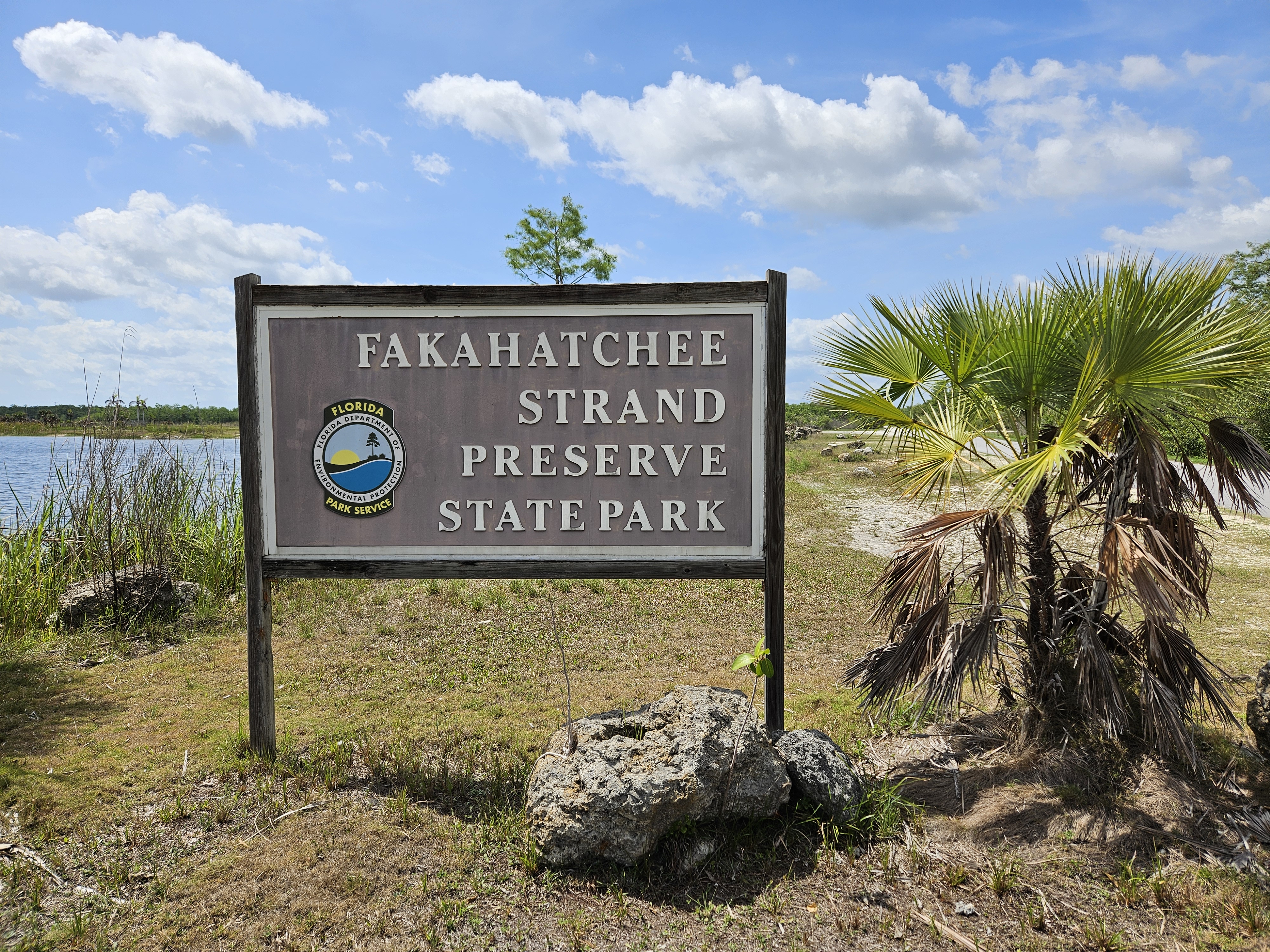


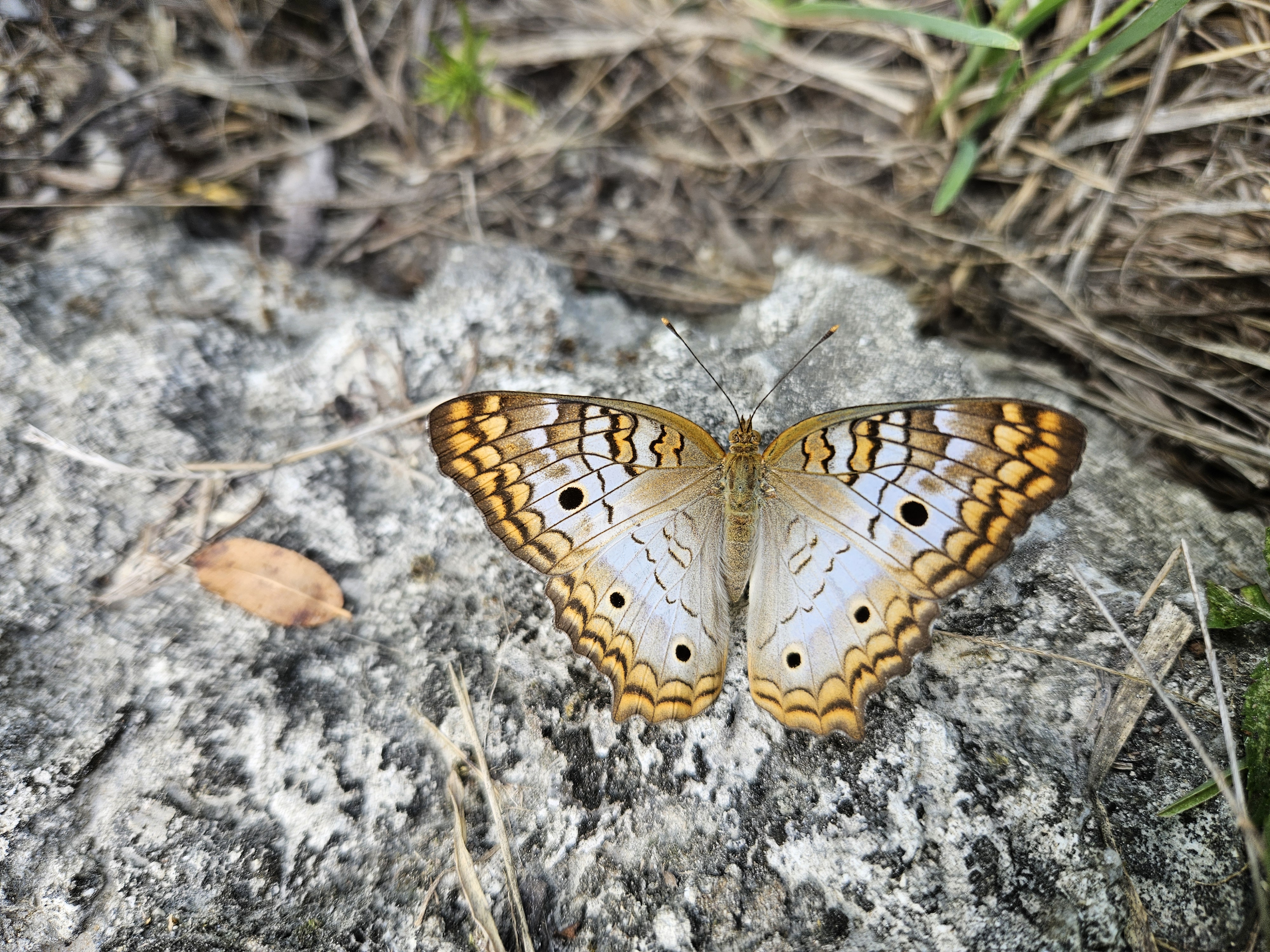

Photos taken at Fakahatchee Strand Preserve State Park. Click to enlarge and open gallery view.
I next went for a 5-mile hike in Big Cypress National Preserve (Gator Hook Trail). This is a trail which is flooded during the wet season and therefore very difficult to hike without wading through ankle to knee deep water. However, at this time of year it was completely dry and easy hiking. The landscape was mostly (dry) cypress swamp.

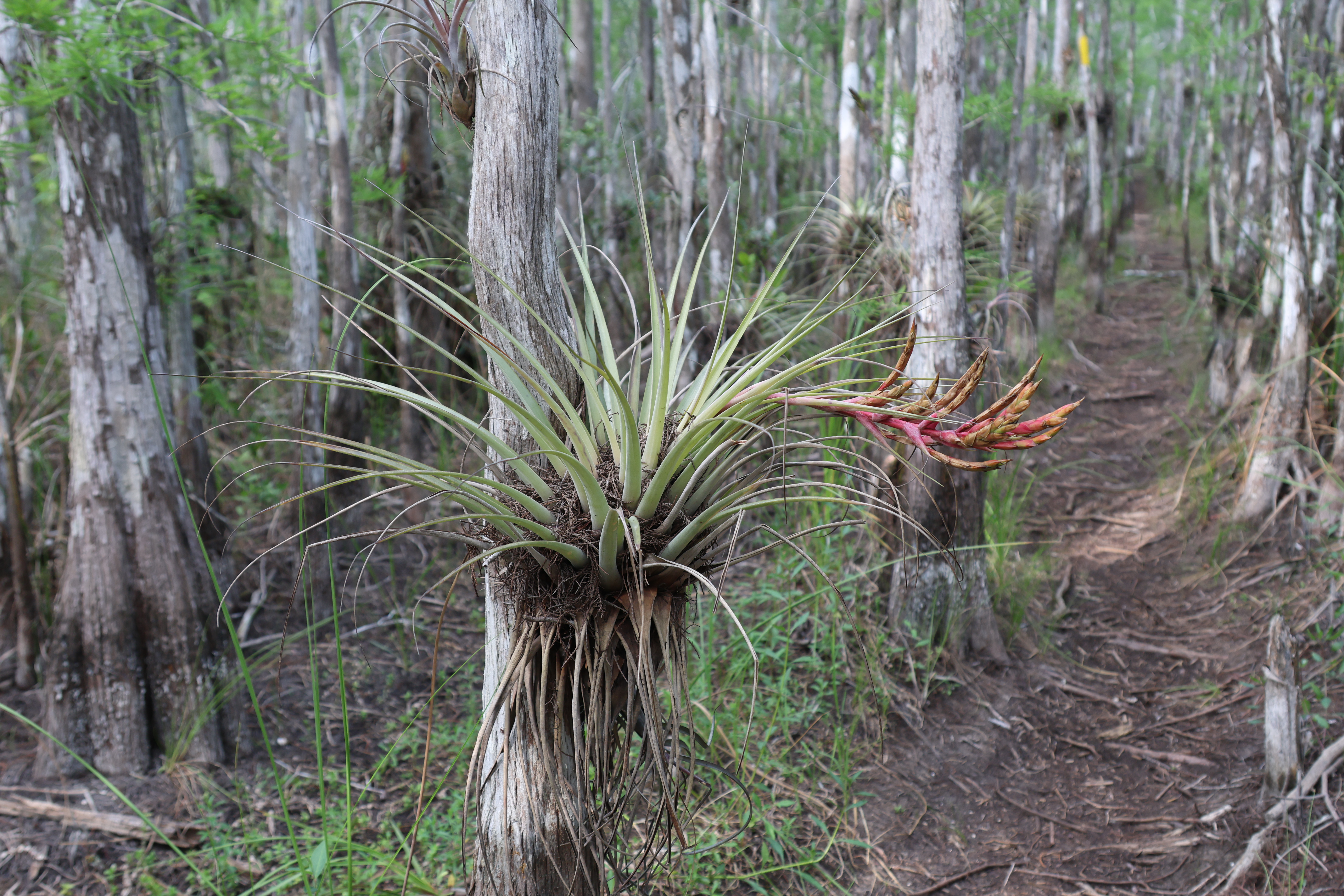
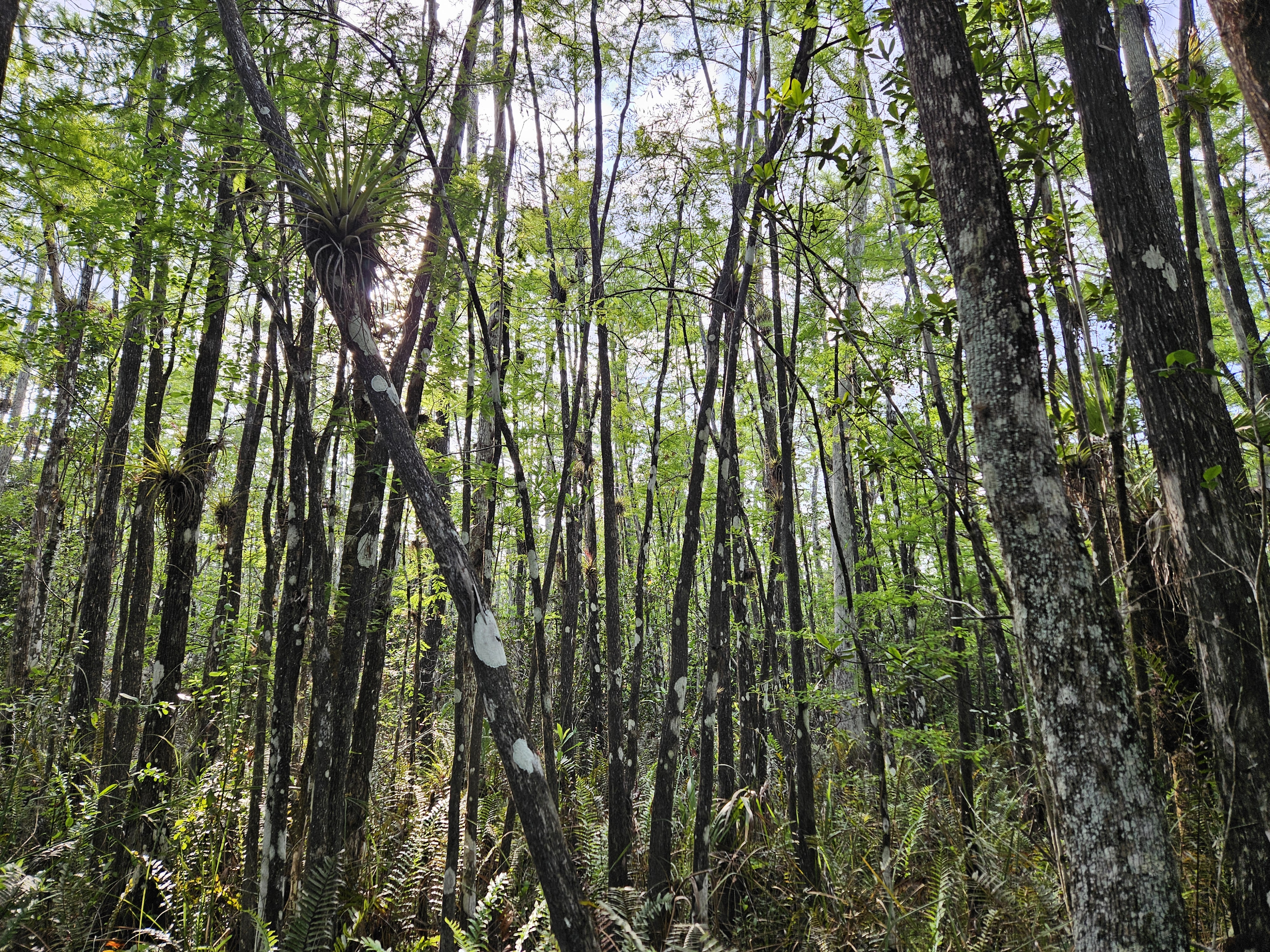

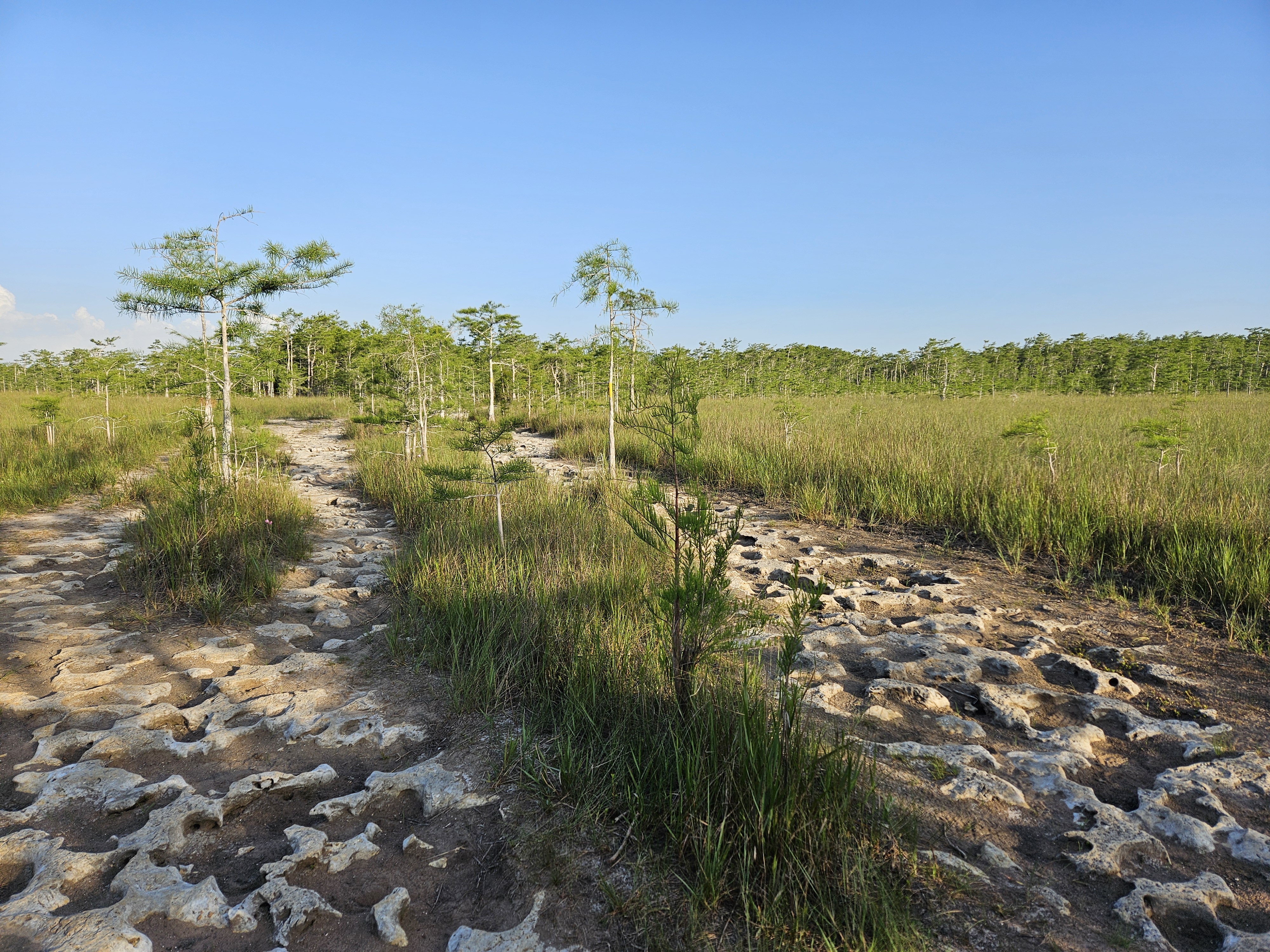

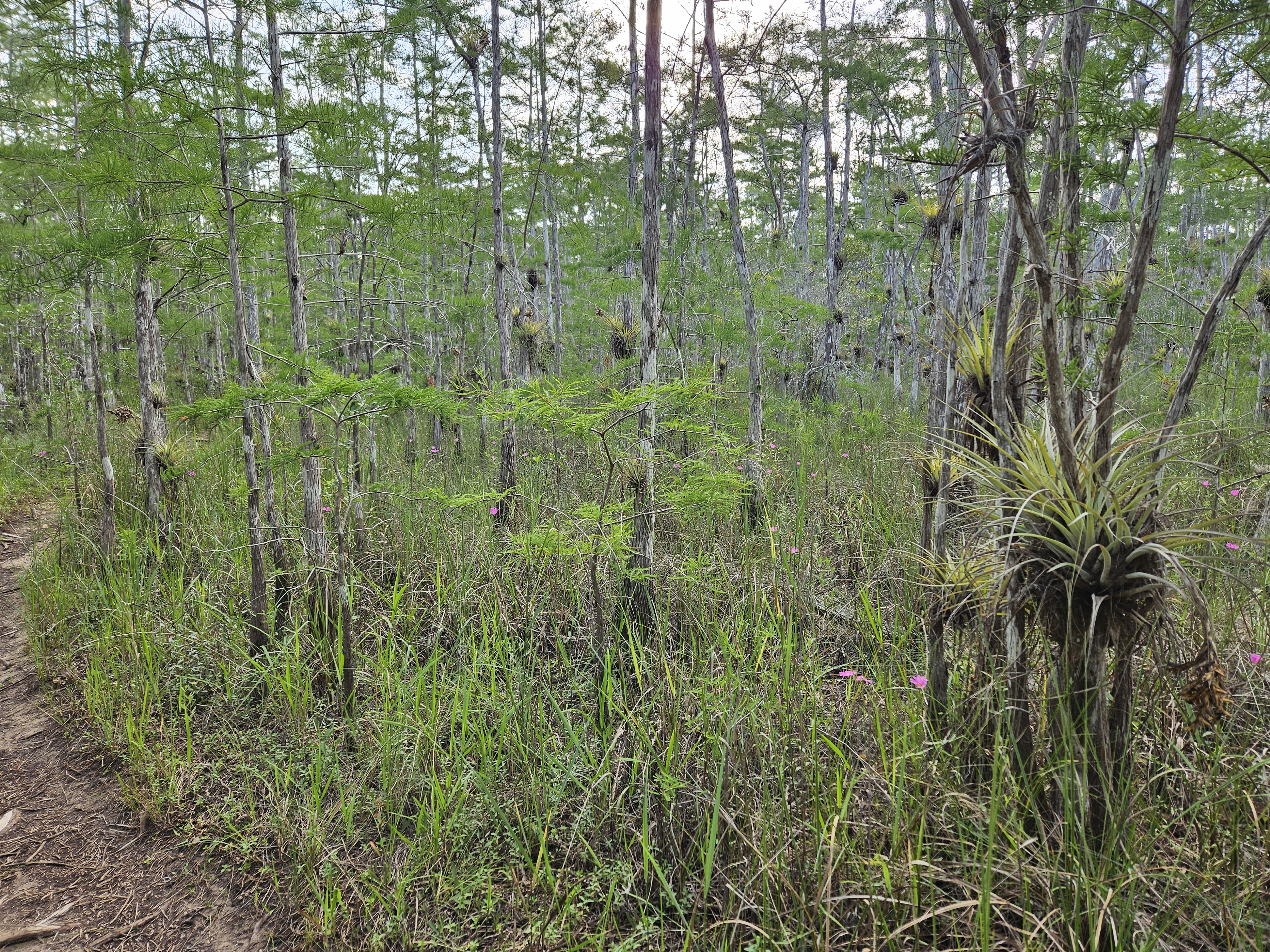
Photos taken from Gator Hook Trail in Big Cypress National Preserve. Click to enlarge and open gallery view.
Finally, I drove the 27-mile Loop Road in Big Cypress National Preserve. This mostly unpaved road is a great scenic drive for wildlife viewing and I previously posted about a night-time herp adventure that took place here (Toad toxicity). The landscape is primarily Cypress swamp. I was stunned at how low the water level was. Places which previously contained several feet of water were bone dry. Specifically, places in which I used to go fishing (and caught Bluegill, Spotted Sunfish, Warmouth, Oscar, Mayan Cichlid, Jaguar Guapote, and other species) had no water. In a few places there were small muddy puddles remaining. One of these puddles contained numerous armored catfish, and others contained alligators. These animals were clearly hanging on waiting for the rains to return and the water levels to rise.

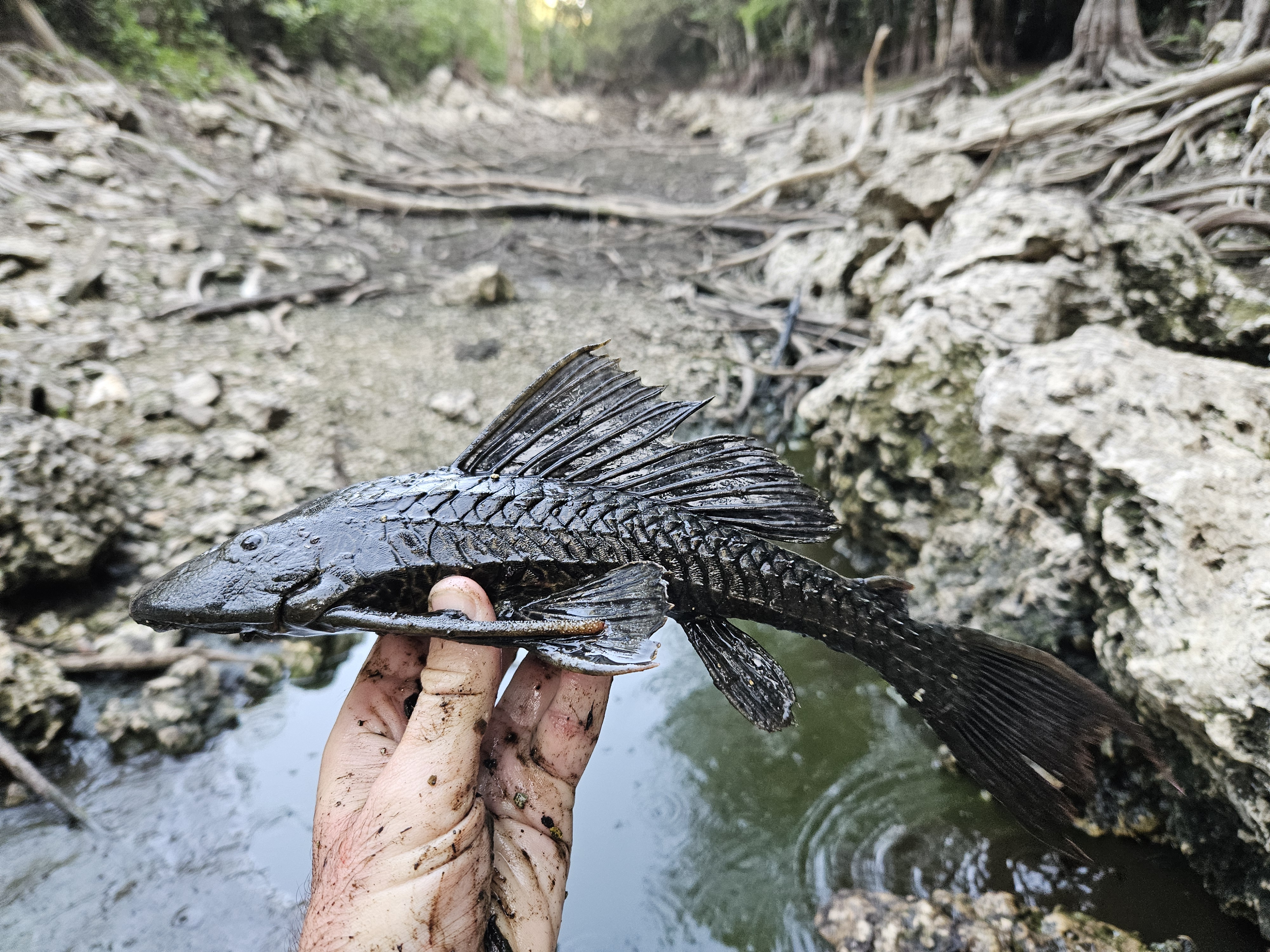


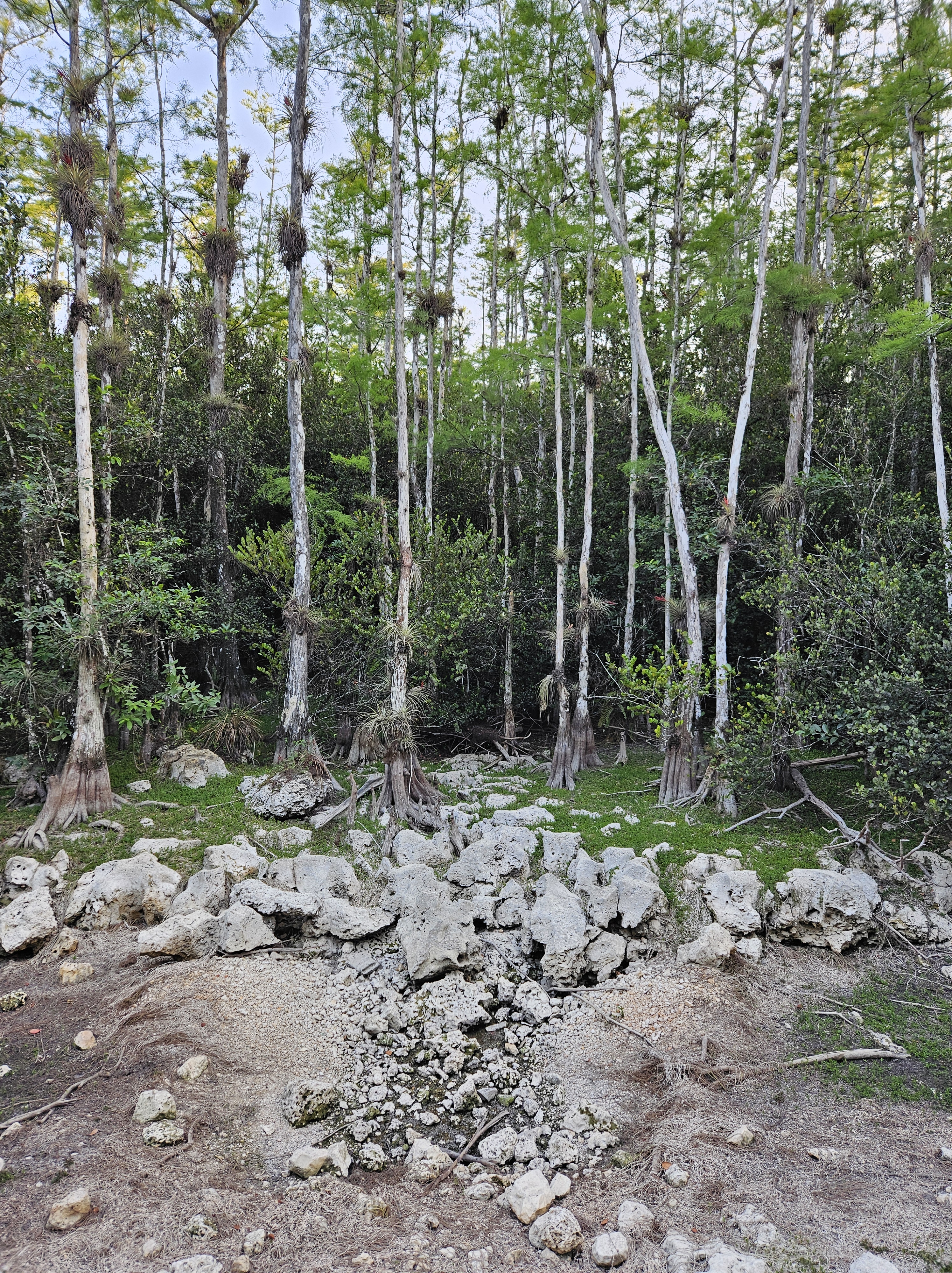

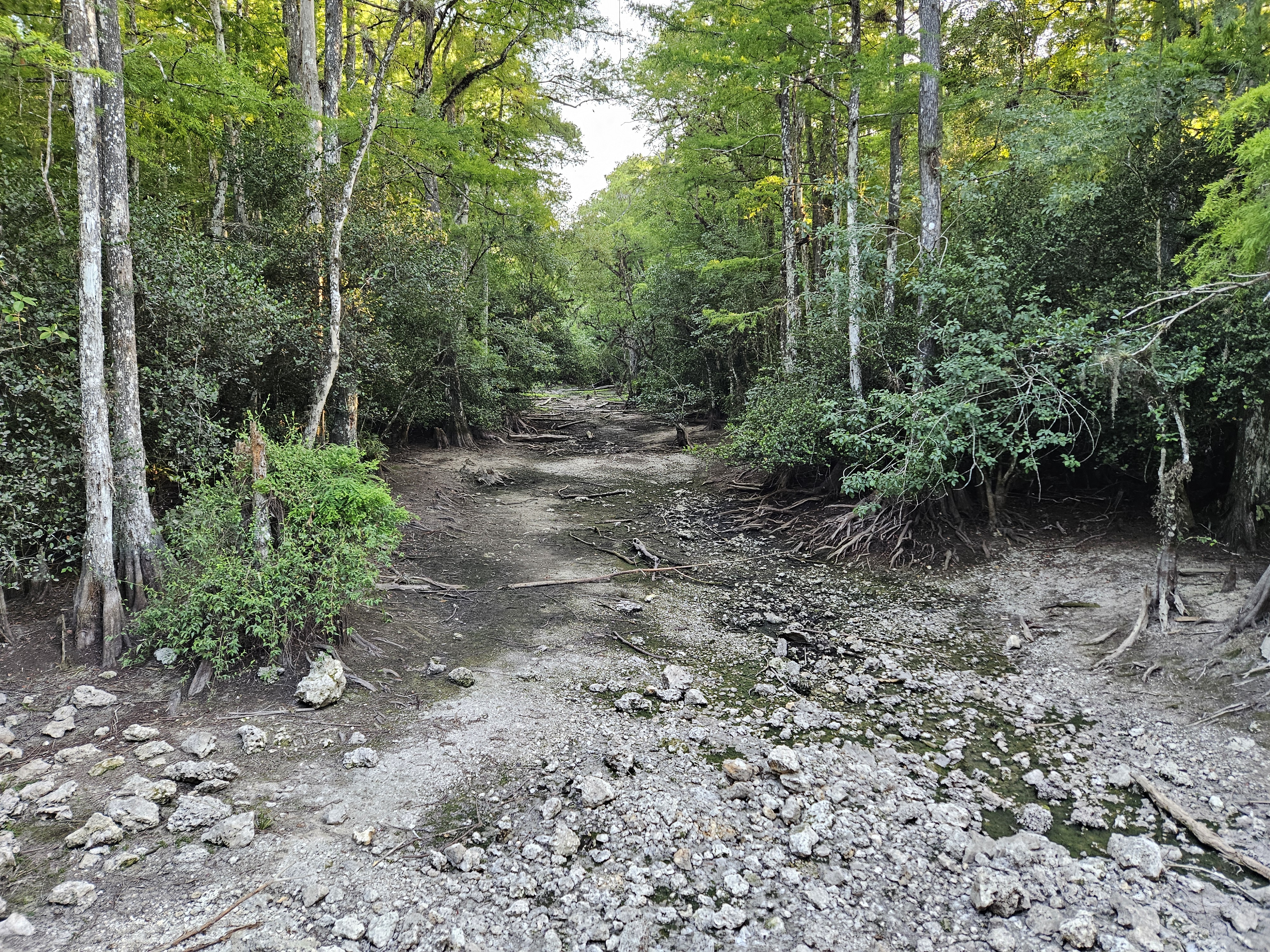
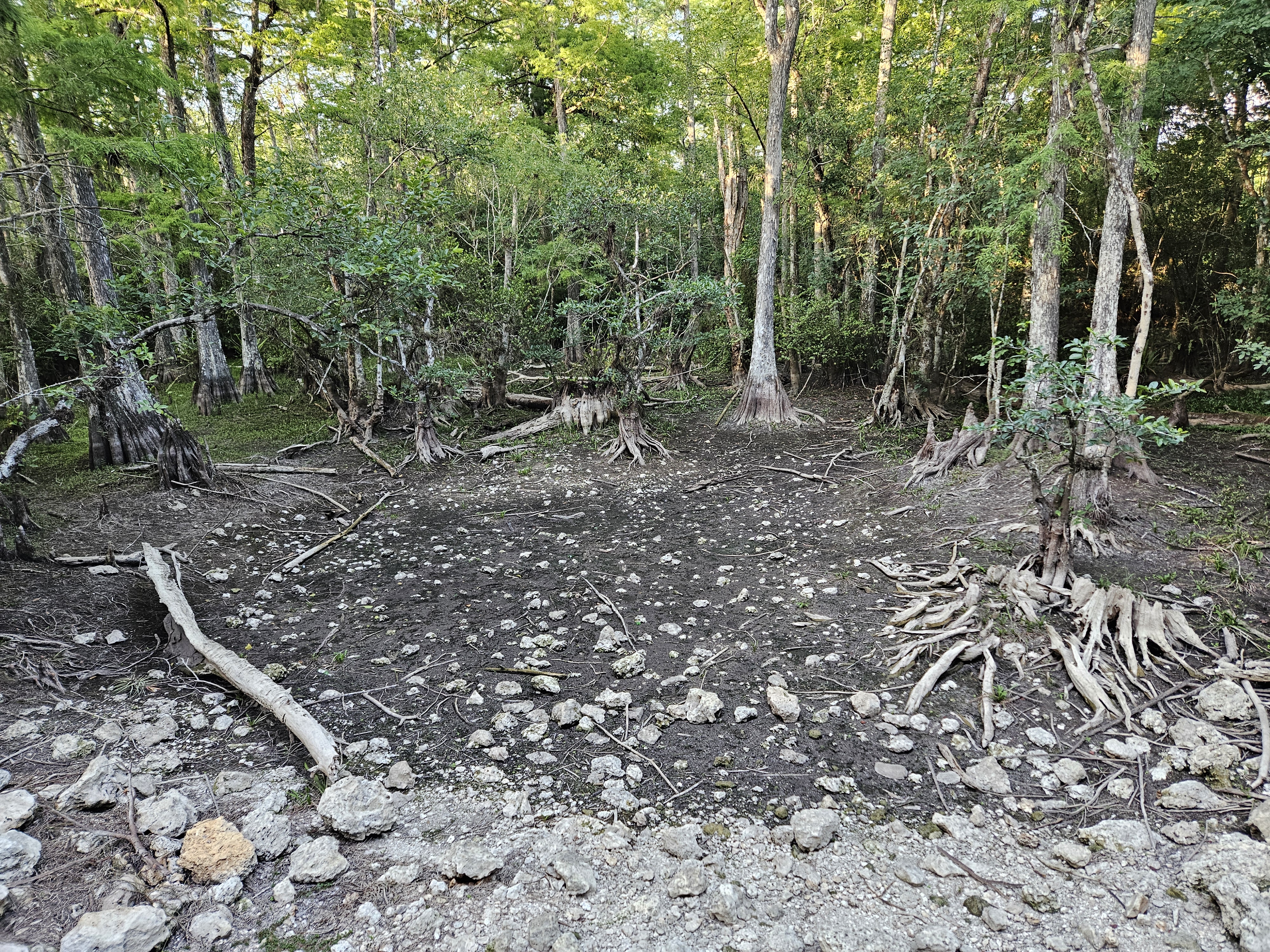
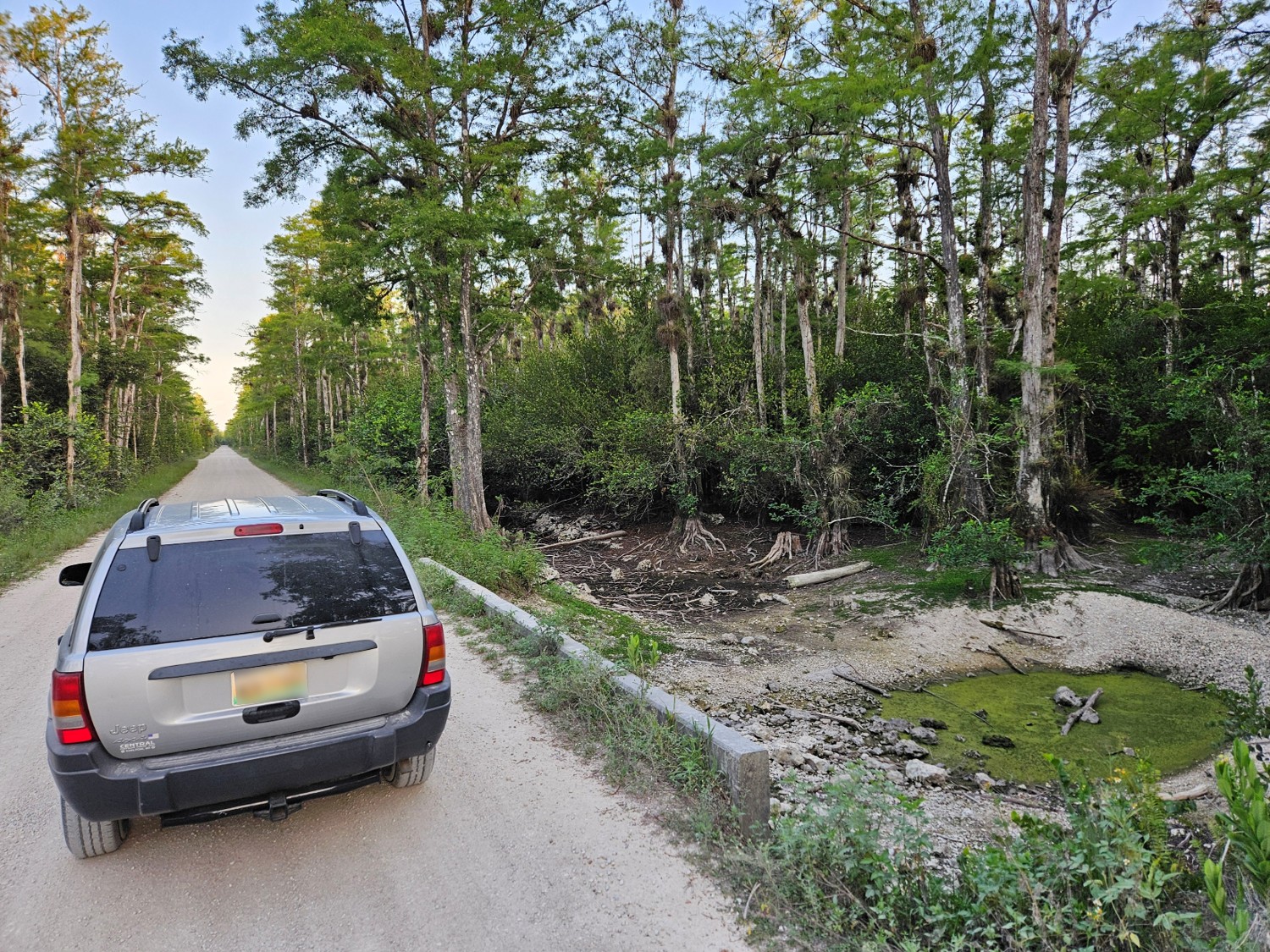


Photos taken from the Loop Road in Big Cypress National Preserve. Click to enlarge and open gallery view.


Surprisingly, some fish were found in one small muddy pool of water along the Loop Road in Big Cypress National Preserve. The fish are armored catfish (genus Pterygoplichthys). These fish are native to South America and have been introduced to South Florida. They are popular in the aquarium trade and capable of breathing air.
 Reason and Nature