Three introduced species of iguana are found in South Florida. Two of these are common: The black spiny-tailed iguana (Ctenosaura similis) and the green iguana (Iguana iguana). A third, the western spiny-tailed iguana (Ctenosarua pectinata), is found in only a single location.
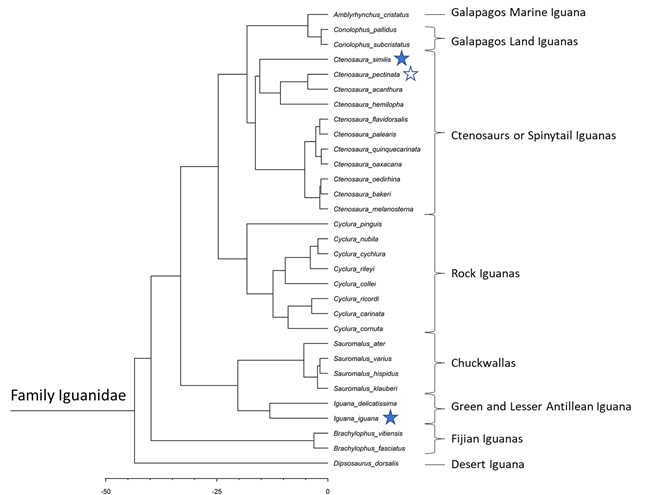
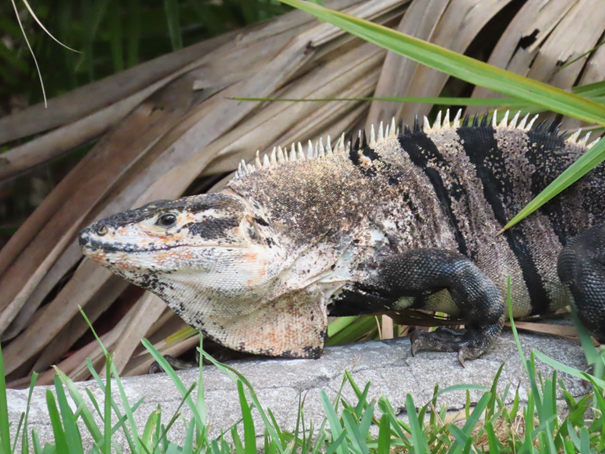
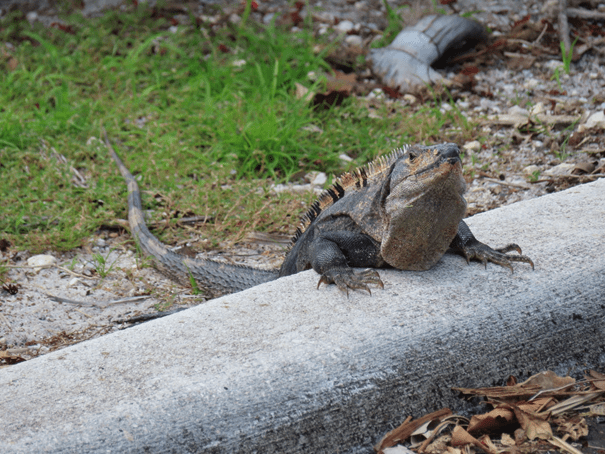
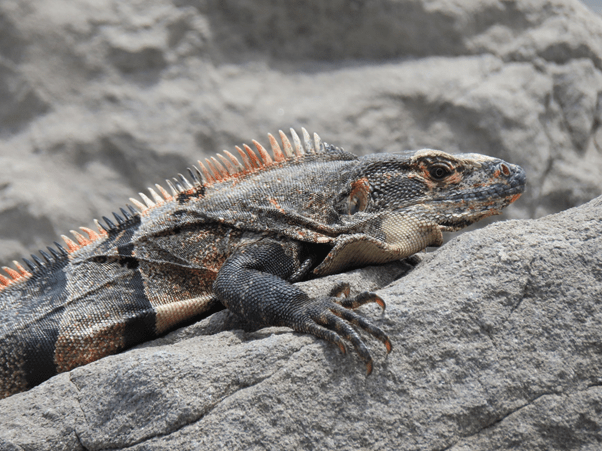
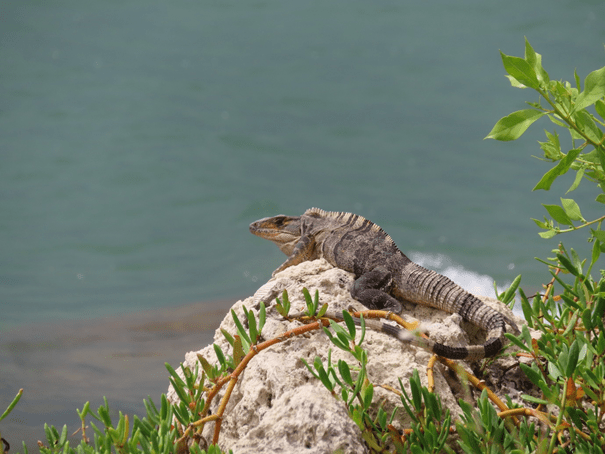
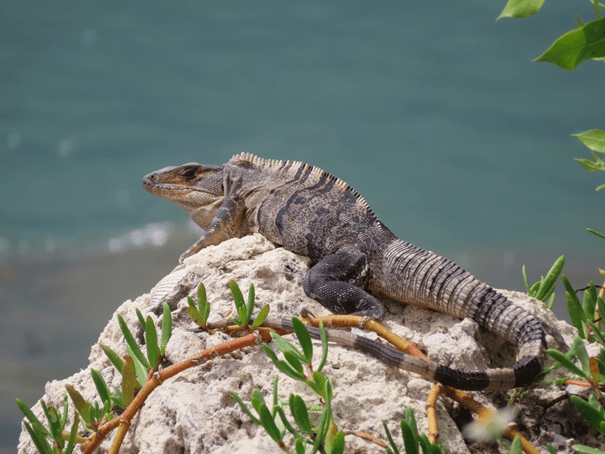
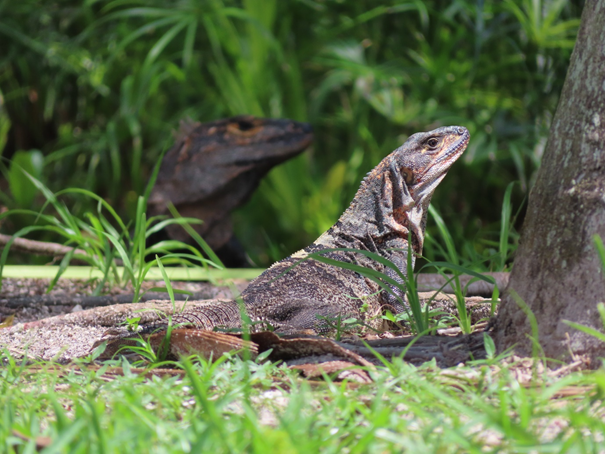
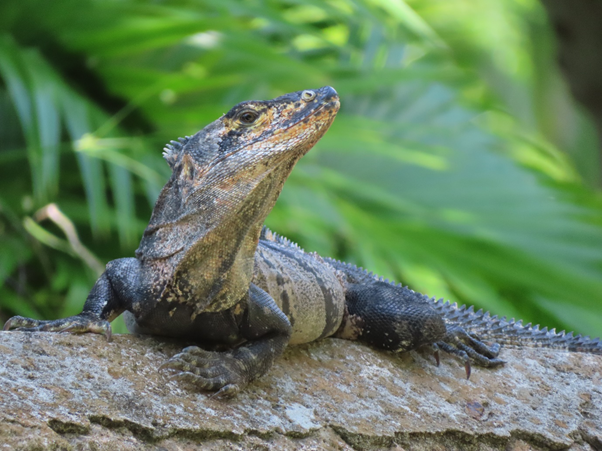
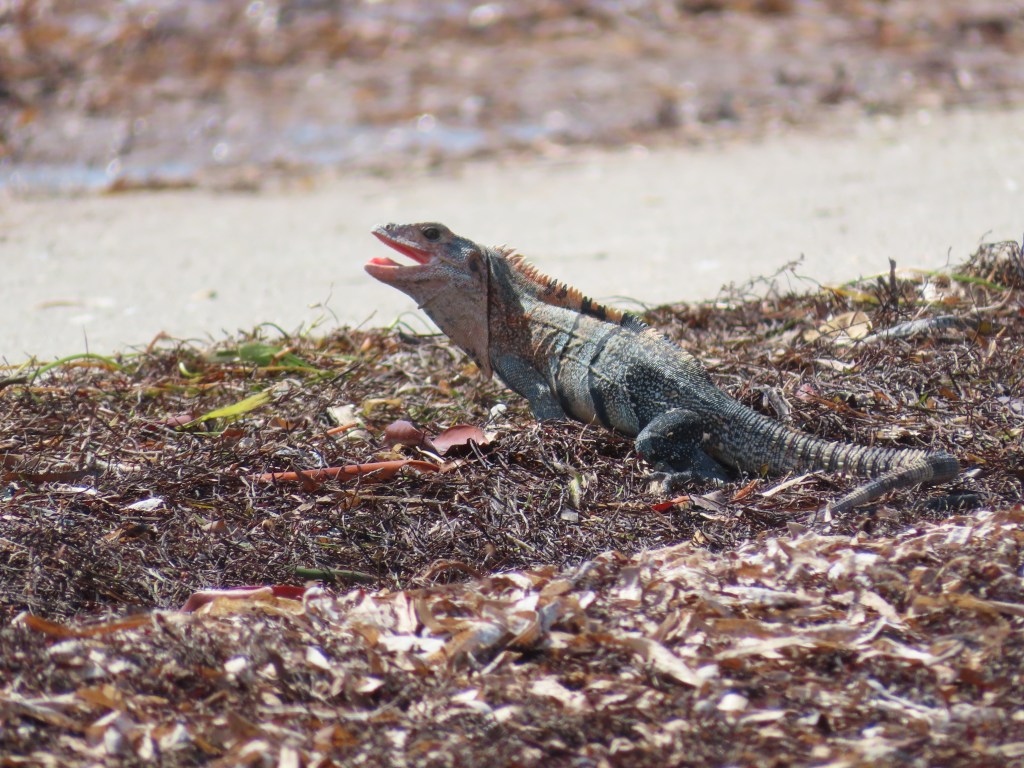
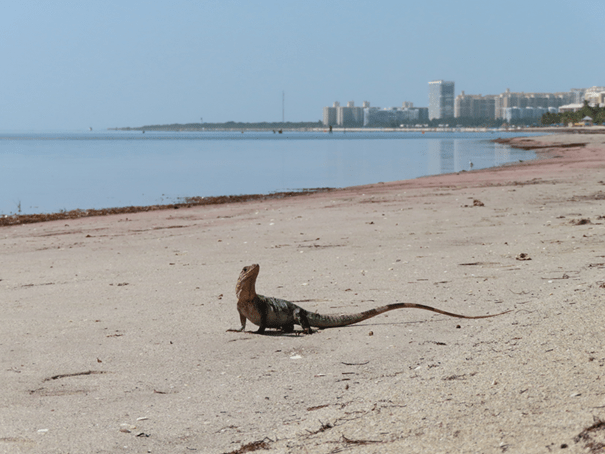
The species Ctenosaura similis goes by the common names black spiny-tailed iguana, black iguana, or black ctenosaur. I like the name ‘ctenosaur’ because it sounds like dinosaur, which I think is fitting given their Godzilla-like appearance (particularly large males). This large-bodied omnivorous species is native to Central America and Mexico. On several occasions, I have seen them while conducting fieldwork in Costa Rica. They tend to be found near the coast in environments modified by humans. I saw them on hotel lawns, basking on the metal roof of houses, and near brush piles. This species was introduced to South Florida in 1979, and has become established on the Gulf and Atlantic coasts. In South Florida, the black spiny-tailed iguana is not as widespread as the more familiar green iguana but can be locally abundant in certain areas.
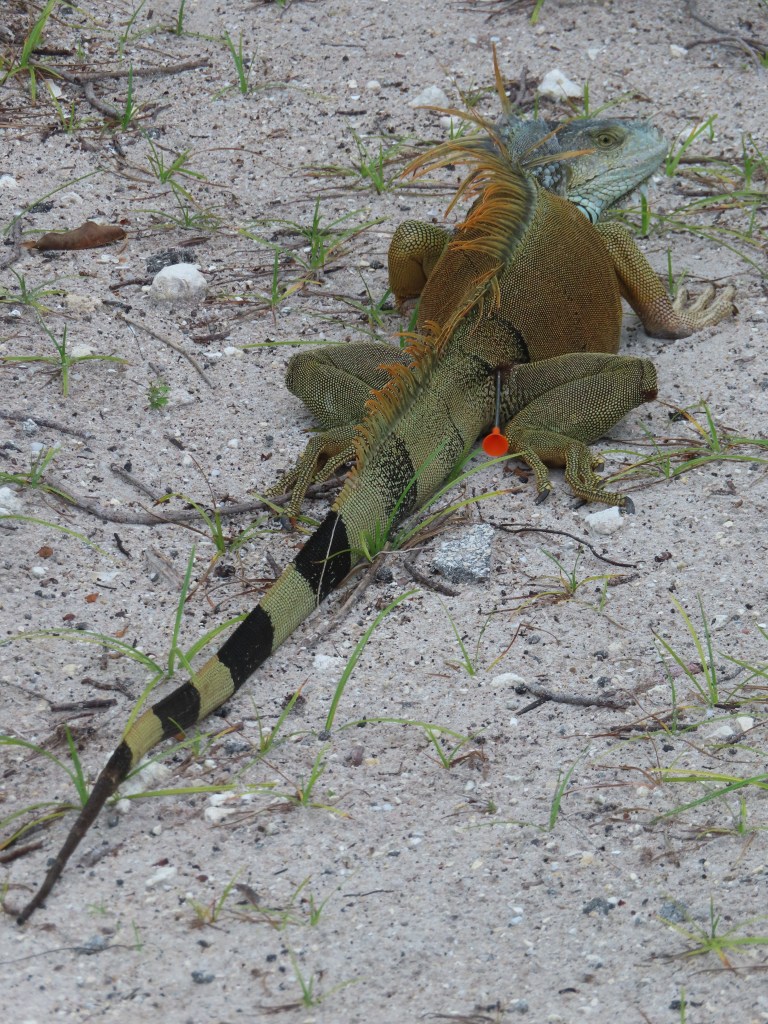
The green iguana (Iguana iguana) has a widespread distribution ranging from Mexico to Brazil. This species was first introduced to Florida in the early 1960s and now has established populations throughout the southern half of the state. Green iguanas are herbivorous and can reach five feet in length. When people think of ‘iguana’ this is typically the species they are thinking of.
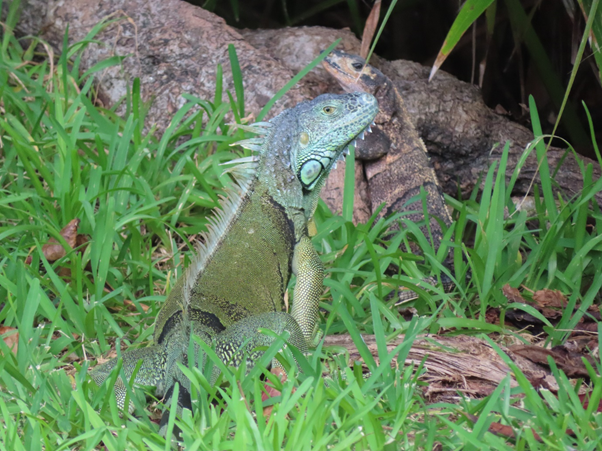
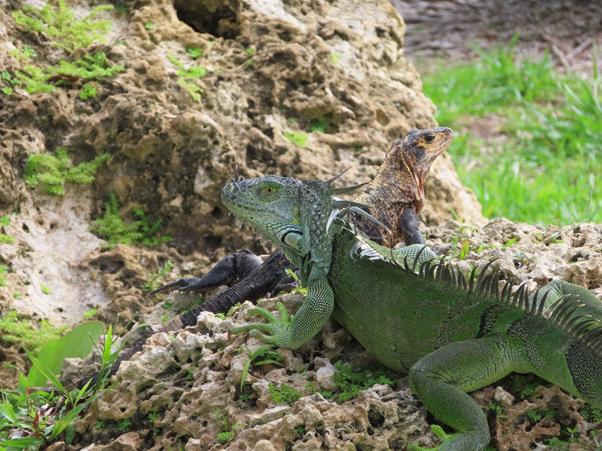
In Florida, these two species of introduced iguana occur together in certain places. One such place is Key Biscayne, a low-lying barrier island just south of Miami Beach. On several recent visits to Key Biscayne I saw hundreds of black spiny-tailed and green iguanas in several different habitats, even co-mingling together in mixed species flocks. While photographing these iguanas, I witnessed some novel feeding behavior and unusual prey items. I am currently writing up these observations as a natural history note for publication (I may highlight this in a future post). But for now, I wanted to include a set of photos depicting these iguanas in their habitat. All photos included below were taken in early September 2021 on Key Biscayne.
The Black spiny-tailed iguana (Ctenosaura similis)





The green iguana (Iguana iguana)
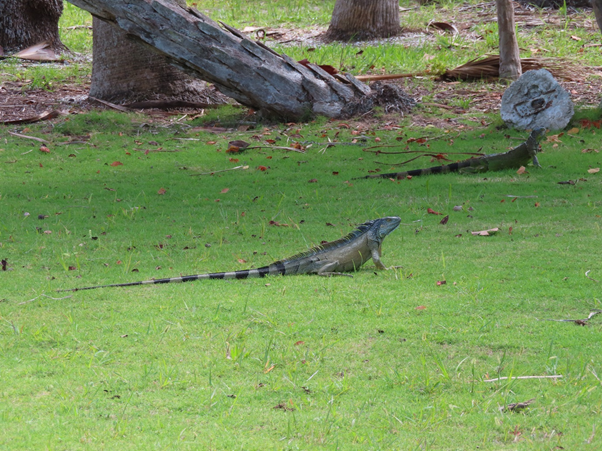
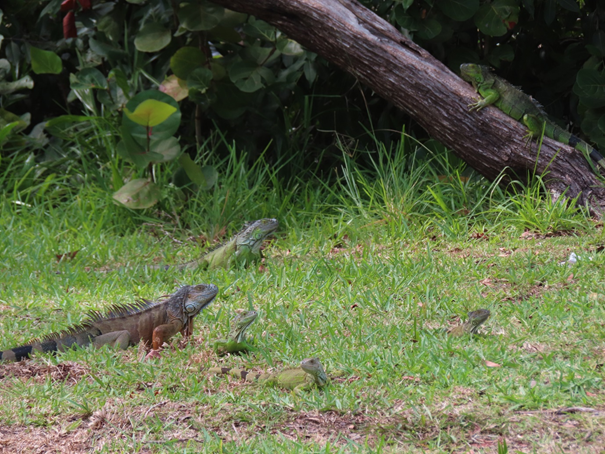
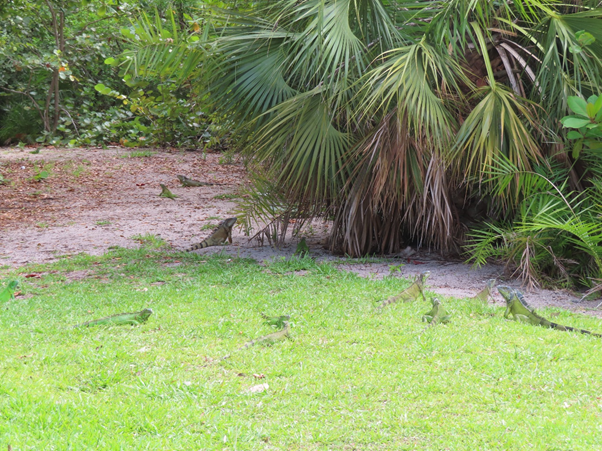

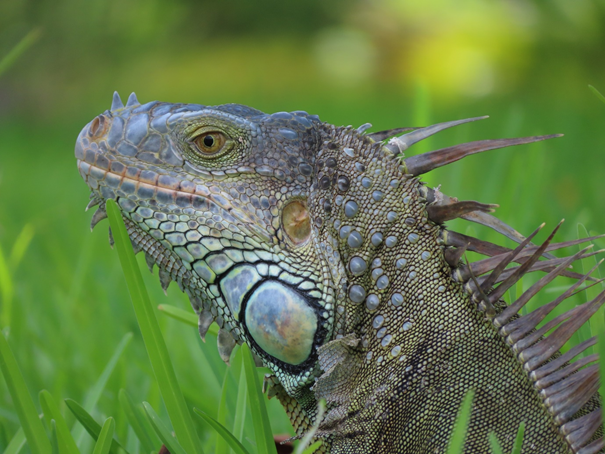

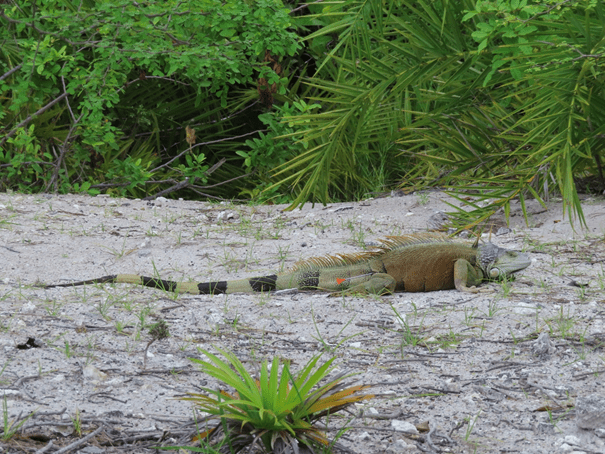
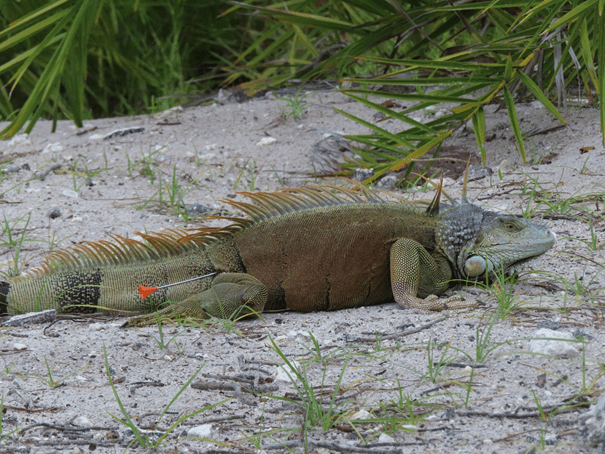
Black spiny-tailed and green iguanas together

 Reason and Nature